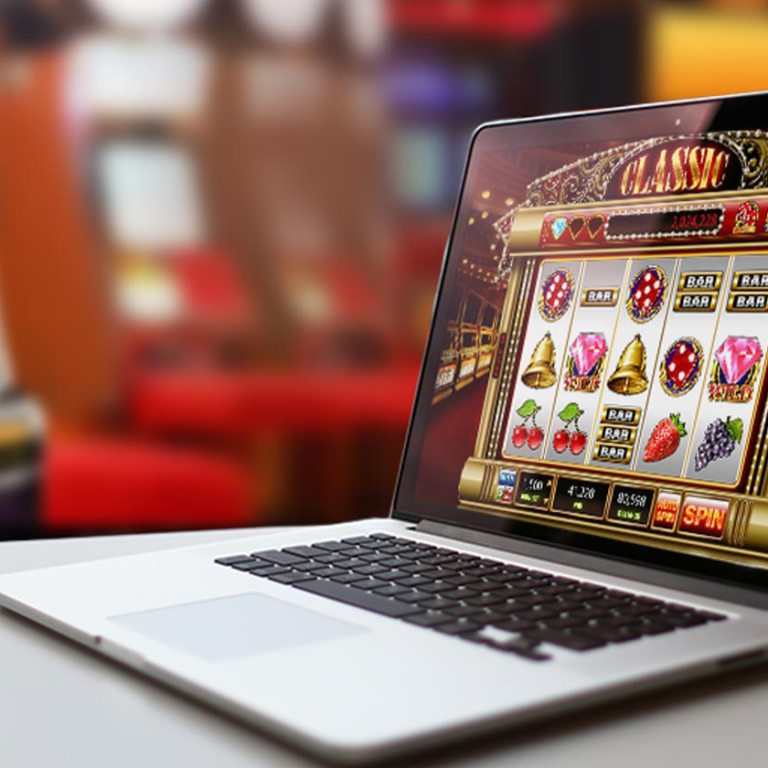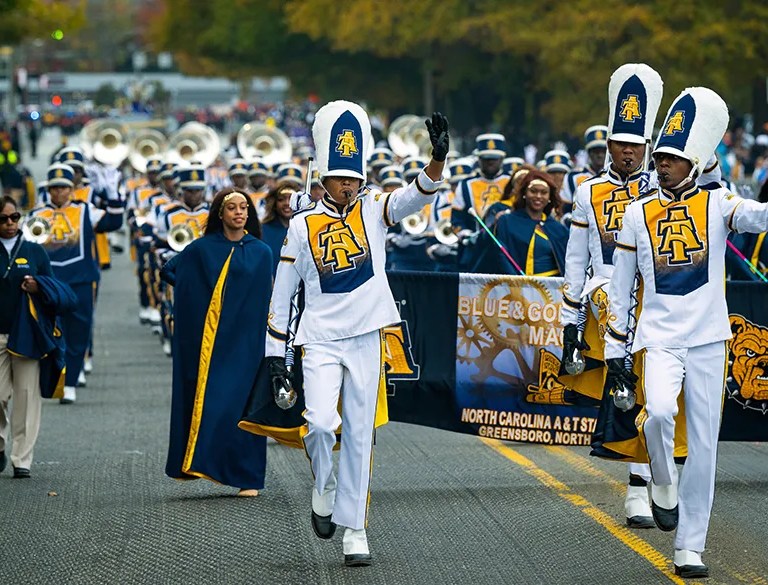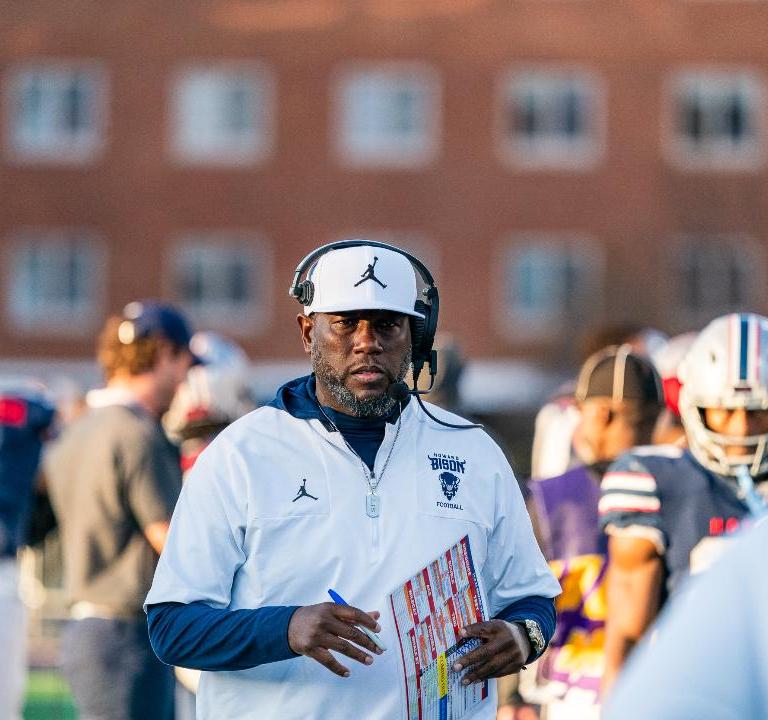

Digital entertainment at HBCUs is shifting. What used to revolve around music and Netflix binges now includes games, right in the palm of every student’s hand. The scene has changed quickly; online slots have shown up alongside other forms of digital fun, intersecting with campus life, tech habits, and even where some funding comes from. Studies lately put the number at nearly 70% of US college students playing digital games weekly. At HBCUs specifically, gaming and interactive platforms are now among the top three digital pastimes, according to the National Survey on Student Engagement. When social gaming mixes in casino mechanics, it opens a whole new side of campus culture.
Expanding Role of Digital Platforms on Campus
Music and streaming platforms dominated student downtime for years. Now, gaming apps wrestle for attention on every phone and laptop. Digital platforms have really settled in at HBCUs. Students expect those seamless tap and swipe apps that let them jump from academic tasks to a round of games in seconds.
Campus gaming labs host tournaments for fun and sometimes to show off real skill. Leaderboards, in-app chat, group challenges are part of the community spirit HBCUs are known for, bringing students together in ways that lectures rarely can. Sometimes, the titles blend skill-based competition with visual elements inspired by casino themes, inviting new gamers in.
Mobile-first platforms now knit together entertainment and the sense of belonging that’s important at HBCUs. It’s not just isolated gaming; apps like online slots blend straight into students’ routines and conversations.
Skill-Based Play and Changing Social Norms
Skill-based games are making a real mark. A recent survey found over 60% of HBCU students opt for games that combine luck and strategy, rather than pure chance. Online slots that reward swift decisions and timing are trending upward. For many, they’ve moved past the idea of these games being only about gambling; there’s a sense that competition and real-time play turn them into something social and legitimate.
These shifts have led to new spaces and events: tournaments, livestreamed showdowns, campus clubs forming around games that resemble casino fare but reward practice and teamwork. Inside these labs and lounges, the line between gaming and gambling looks blurrier than ever. Games like online slots are seen as both solo entertainment and a shared activity, especially with features like group jackpots or live leaderboards.
Gaming has also crept into academics and extracurriculars. You’ll find students creating highlight reels, managing game nights, or planning careers in the booming world of gaming media. It’s not uncommon to see online slot scores pop up in campus group chats or in discussions about internships and tech roles.
Legalization Trends and Institutional Opportunities
In several states with HBCUs, new laws on gambling have meant bigger tax revenues, sometimes double digits in growth for 2024. A portion of this windfall gets pushed back to higher ed, funding scholarships, lab upgrades, and shiny new tech. Virginia’s HBCUs, for instance, have partnered with local organizations to launch scholarships fueled by gaming tax dollars. Observers expect these state-driven boosts to keep shaping how online gaming, including slots, weaves itself into campus programs.
Administrations are paying attention. They’re tightening up guidelines, nudging students toward safer choices, and answering calls from student advocates for clearer info about how these platforms work. The relationship between slot games, campus funding, and day-to-day student life is complicated, but it looks set to stick around.
Marketing, Partnerships, and Career Pathways
Partnerships are on the rise, and marketing efforts know their audience. HBCU students report more promos for gaming, like exclusive in-app events and team-based challenges targeting their campus. It’s all carefully wrapped into broader digital events that pull students further into the gaming ecosystem.
Some courses and labs now talk openly about the structures behind casino-style platforms: design, analytics, user psychology. Students create game content, test prototypes, dive into livestream production, and a growing number use these college activities as on-ramps to gaming careers.
Industry deals bring questions, but they also pack new chances for hands-on learning and student entrepreneurship. The blend of entertainment, education, and opportunity is becoming a signature of modern campus life.
Responsible Use and Future Challenges
With the rise in online slots on HBCU campuses, conversations about responsibility are louder. Schools are boosting counseling and info campaigns, spotlighting healthy boundaries and the realities of risk. Students are encouraged to keep an eye on their habits. Research collaborations are underway, with HBCUs aiming to balance digital culture engagement with student wellbeing, a tough line to walk as gaming cements itself in daily campus life.