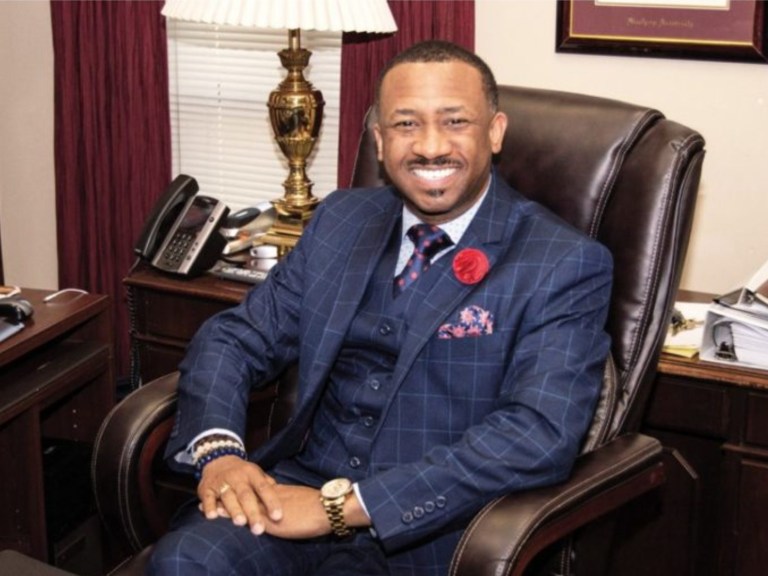
Morris Brown College has reinstated Dr. Kevin E. James as president just days after his sudden removal, reversing a decision that briefly disrupted leadership at one of the nation’s most closely watched HBCUs. The reinstatement follows an internal determination by the Board of Trustees that the earlier termination did not follow the procedural requirements outlined in James’ employment agreement, prompting a swift reversal at a moment when institutional stability carries heightened importance.
The move comes after a turbulent week in which the college announced James’ termination, named interim leadership, and faced immediate scrutiny from alumni, supporters, and higher-education observers. That initial decision — which HBCU Buzz covered when James was fired — raised questions about governance, timing, and the long-term implications for a college still navigating the next phase of its post-accreditation recovery.
A Decision Rooted in Process, Not Direction
According to details released by the institution, the board concluded that its original action failed to comply with contractual obligations governing James’ presidency, which runs through 2029. While trustees did not specify which provisions were violated, they acknowledged that the termination process itself was flawed — a critical distinction in higher education governance, where executive contracts are designed to protect institutional continuity as much as individual leadership.
The reinstatement effectively halts a crisis that had begun to overshadow Morris Brown’s broader mission. Reporting on the board’s reversal emphasized that the decision stemmed from contractual review rather than a shift in institutional philosophy, reframing the episode as a governance failure rather than a repudiation of James’ presidency, as detailed in coverage by 11Alive.
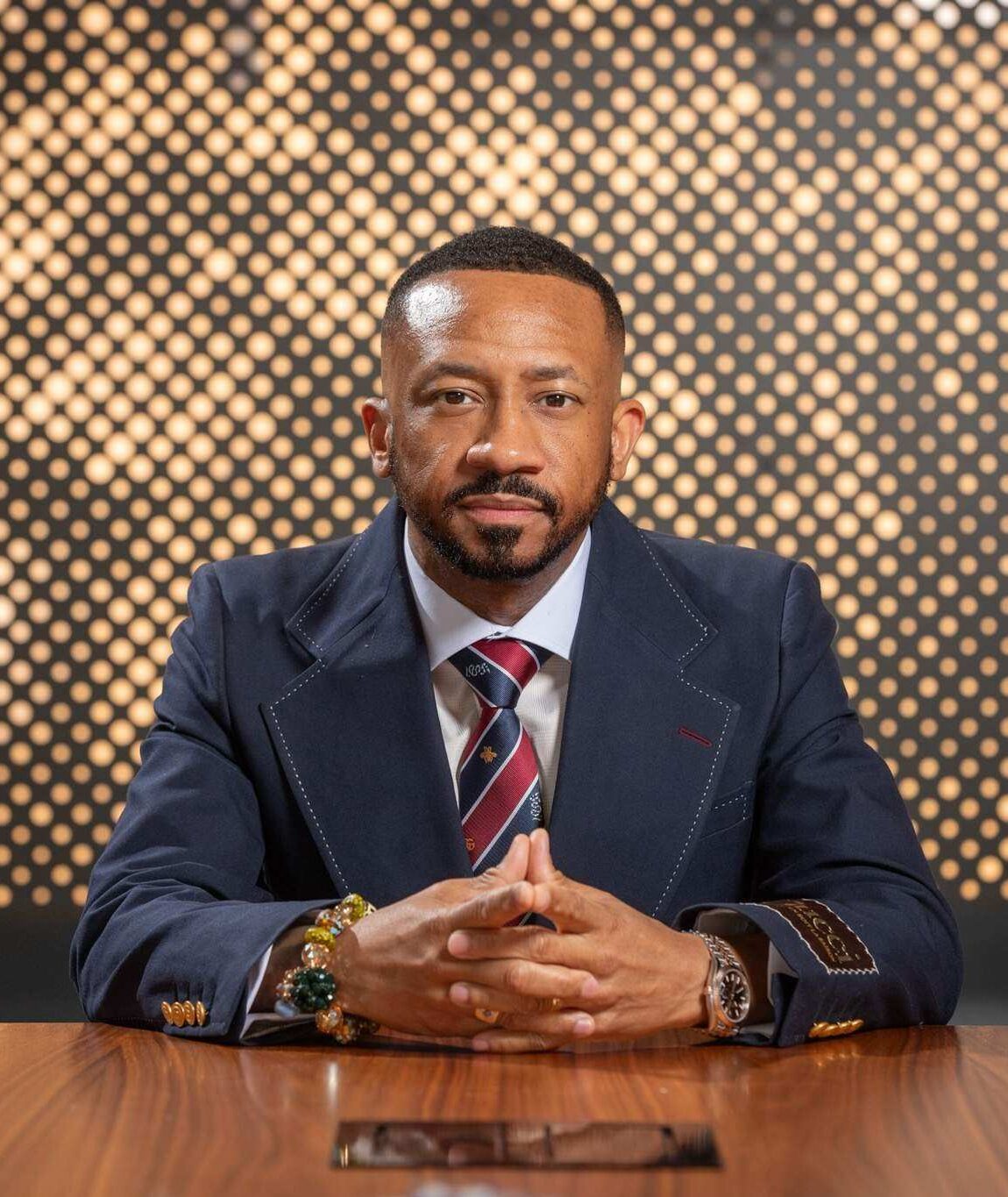
Why Dr. Kevin E. James Remains Central to Morris Brown’s Trajectory
James has served as president since 2019 and is widely associated with Morris Brown’s resurgence after decades of instability. His tenure culminated in the college regaining accreditation in 2022, restoring access to federal financial aid and reopening pathways for enrollment growth, fundraising, and long-term planning. That progress made the abrupt termination difficult to reconcile for many within the Morris Brown community.
The timing only amplified concern. Leadership continuity is often viewed as a stabilizing signal to accreditors, donors, and institutional partners, particularly as colleges prepare for reaffirmation reviews and multi-year strategic initiatives. A sudden leadership rupture — followed by an equally sudden reversal — can introduce uncertainty even when corrective action is taken quickly.
Lingering Questions and Institutional Tension
While the board framed its reversal as a procedural necessity, the controversy did not unfold in isolation. Public reporting has referenced internal complaints and allegations that complicate the narrative and suggest deeper governance and workplace issues that cannot be resolved through reinstatement alone. Those concerns, highlighted in reporting by WSB-TV, continue to shape how the situation is viewed by stakeholders inside and outside the institution.
This dual reality — correcting a contractual error while confronting unresolved internal tensions — reflects a broader challenge many HBCUs face as they rebuild from historic setbacks. Procedural compliance can restore order, but it does not automatically rebuild trust or resolve cultural concerns that may exist beneath the surface.
What This Means for the Broader HBCU Landscape
Morris Brown’s rapid reversal is being closely watched across the HBCU ecosystem, where governance disputes and leadership transitions have increasingly played out in public view. The episode reinforces a familiar but often costly lesson: process matters. Contracts matter. And decisions made without airtight footing can force institutions into public reversals that carry reputational consequences.
For Morris Brown, reinstating Dr. Kevin E. James stabilizes the immediate leadership question and allows the college to refocus on its academic and institutional priorities. Whether this moment becomes a brief disruption or a lasting turning point will depend on what follows — strengthened governance, clearer internal processes, and a commitment to preventing similar upheaval in the future.