
Howard University College of Medicine accreditation probation explained
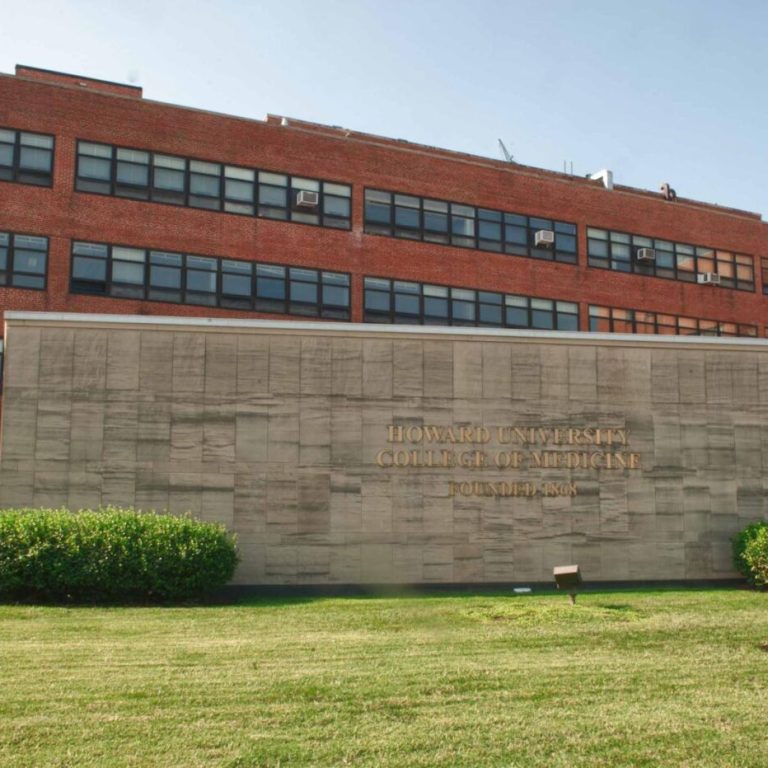
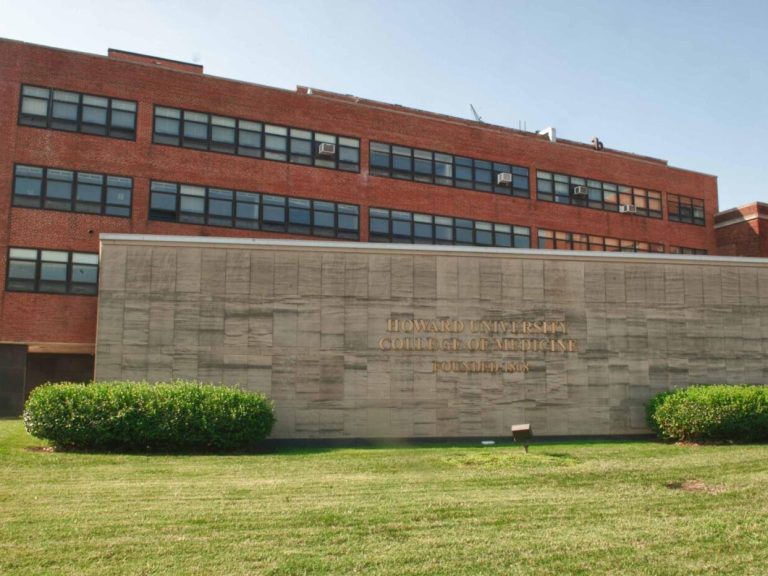
The Howard University College of Medicine accreditation probation news is drawing national attention after the medical school was formally placed on probation by the Liaison Committee on Medical Education (LCME), the accrediting body responsible for MD programs in the United States.
According to reporting confirmed by the university, the probation status does not remove the school’s accreditation, meaning the institution can continue enrolling students, graduating physicians, and operating its medical education programs while addressing the areas identified by the accrediting body.
The development has sparked widespread conversation across higher education and healthcare communities, particularly because of the historic role the Howard University College of Medicine plays in training Black physicians.
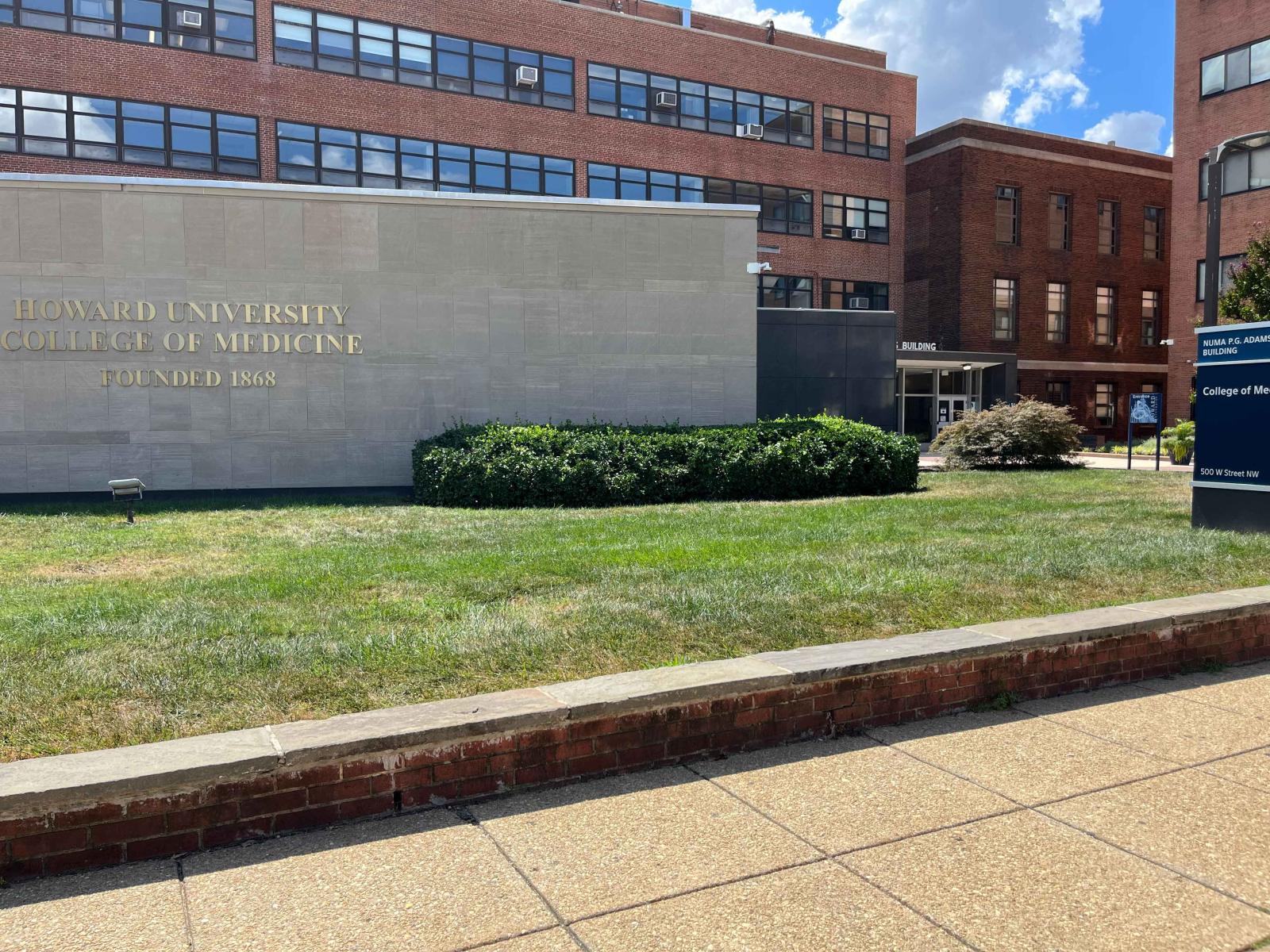
Founded in 1868, the medical school has long been one of the most influential pipelines for Black doctors in the United States. Its graduates serve communities nationwide and have historically filled critical gaps in healthcare access, particularly in underserved communities.
What accreditation probation means for Howard medical students
The Howard University College of Medicine accreditation probation status indicates that the LCME identified compliance issues that require corrective action from the institution. However, probation does not mean the medical school has lost accreditation.
The LCME, which oversees accreditation for MD programs across the United States and Canada, places schools on probation when they must demonstrate improvements in specific operational or educational standards.
For current students and applicants, the most important takeaway is that the medical school remains accredited. Students enrolled at Howard will still graduate with an accredited MD degree and remain eligible to apply for residency programs.
University leadership has also emphasized that the probation status does not invalidate degrees or interrupt academic operations.
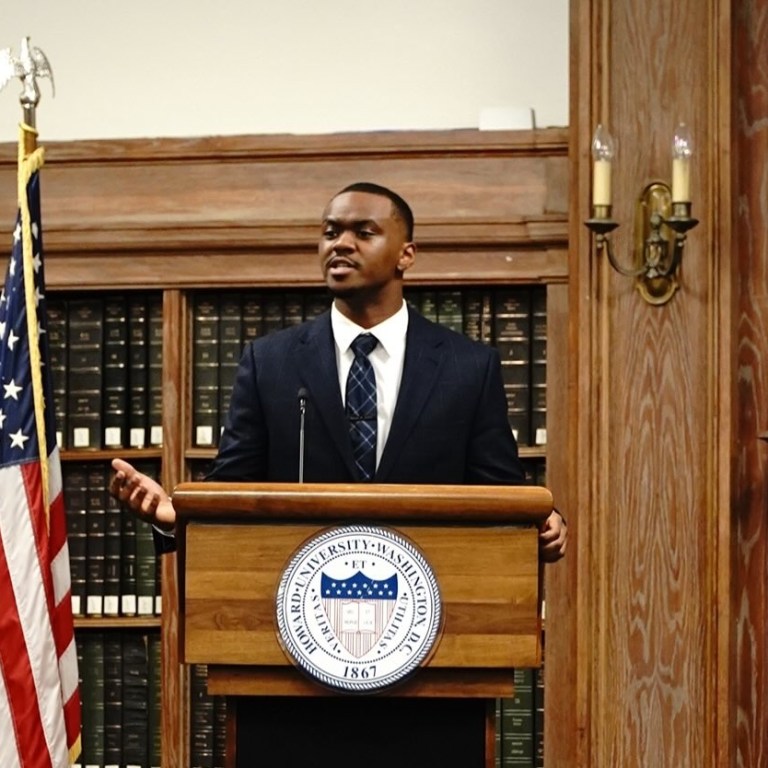
In a statement released through the university, Howard officials said the institution is working closely with the LCME to address the issues and restore the school to full accreditation standing.
Why the Howard University College of Medicine matters nationally
The Howard University College of Medicine accreditation probation carries broader implications because of the institution’s historic significance within American medical education.
Howard consistently ranks among the leading institutions producing Black physicians in the United States. Alongside institutions like Meharry Medical College and Morehouse School of Medicine, Howard has played a central role in diversifying the medical workforce.
The school has trained thousands of doctors since its founding, including physicians who have become leaders in public health, hospital systems, medical research, and healthcare policy.
At a time when the nation continues to confront healthcare disparities, institutions like Howard remain critical to expanding representation in medicine and improving access to care in underserved communities.
Many Howard-trained physicians also return to serve communities similar to the ones they came from, reinforcing the institution’s long-standing mission of community-centered healthcare.
Steps Howard is taking to address accreditation concerns
University leadership has stated that addressing the Howard University College of Medicine accreditation probation is a top priority.
Medical school administrators are currently working with accreditation officials to implement corrective actions related to the areas identified during the LCME review process.
While the specific issues cited in the accreditation review have not been publicly detailed in full, probation statuses typically involve areas such as curriculum oversight, student support services, faculty resources, or administrative processes.
Howard officials have expressed confidence that the institution will resolve the concerns and return to full accreditation status following the required improvements.
The university has also reassured students and alumni that the school’s educational programs and mission remain intact.
A historic institution navigating a critical moment
For more than 150 years, the Howard University College of Medicine has been a pillar of opportunity within the HBCU community and the broader healthcare landscape.
The probation status represents a significant moment for the institution, but it also highlights the intense scrutiny medical schools face as they maintain accreditation standards in an evolving healthcare education environment.
Across the HBCU community, many alumni and supporters have voiced confidence that the institution will successfully address the accreditation concerns and continue its legacy of training physicians committed to serving communities in need.
For students, faculty, and alumni, the conversation surrounding the Howard University College of Medicine accreditation probation ultimately underscores the enduring importance of historically Black institutions in shaping the future of healthcare.
As Howard works through the accreditation process, the medical school’s broader mission — training doctors who advance health equity and serve underserved populations — remains unchanged.
The coming months will determine how quickly the university can resolve the identified issues and restore its accreditation status to full standing, but its impact on American medicine is already deeply embedded in the nation’s healthcare system.