
Tuskegee ESPN Handcuffing Incident Resurfaces During SIAC Championship Broadcast
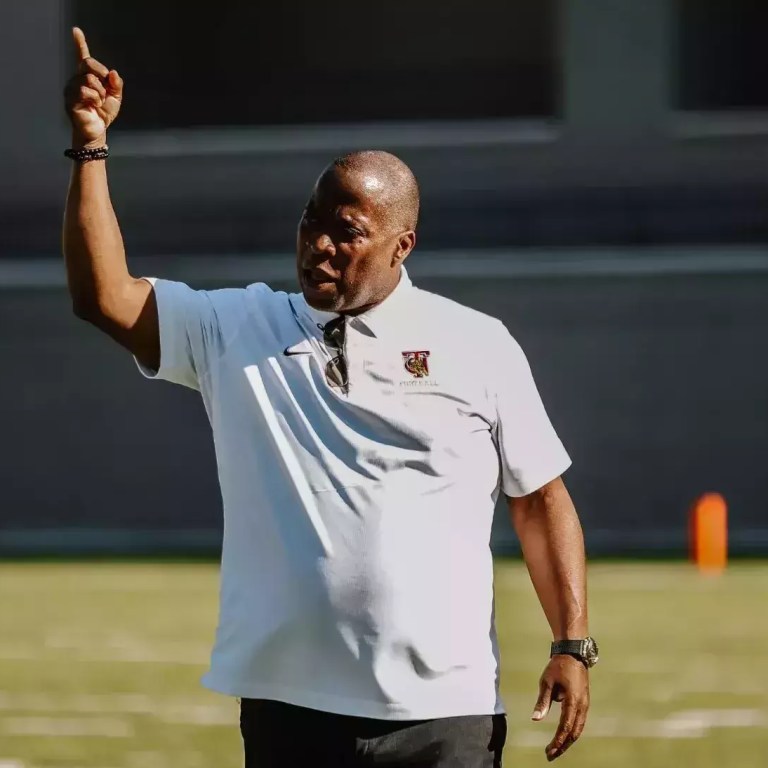
The Tuskegee ESPN handcuffing incident returned to the spotlight during the SIAC men’s basketball championship after ESPN aired footage of the controversial moment involving Tuskegee head coach Benjy Taylor earlier this season.
Tuskegee athletic director Reginald Ruffin did not hold back in his reaction, criticizing the network for replaying the footage during one of the biggest games of the conference tournament.
The moment occurred during the championship matchup between Tuskegee and Morehouse, when the broadcast aired a segment revisiting the incident that unfolded weeks earlier in Atlanta. According to reporting from HBCU Gameday, Ruffin said the situation had already been addressed by both universities and should not have been revisited during the broadcast.
“My coach didn’t agree to that,” Ruffin said, explaining that Taylor believed the situation had already been resolved and the focus should have remained on the championship game.
The controversy intensified because the footage did not remain confined to the television broadcast. The segment was also shown on the arena’s jumbotron, meaning players, coaches, and fans inside the building saw the moment replayed live.
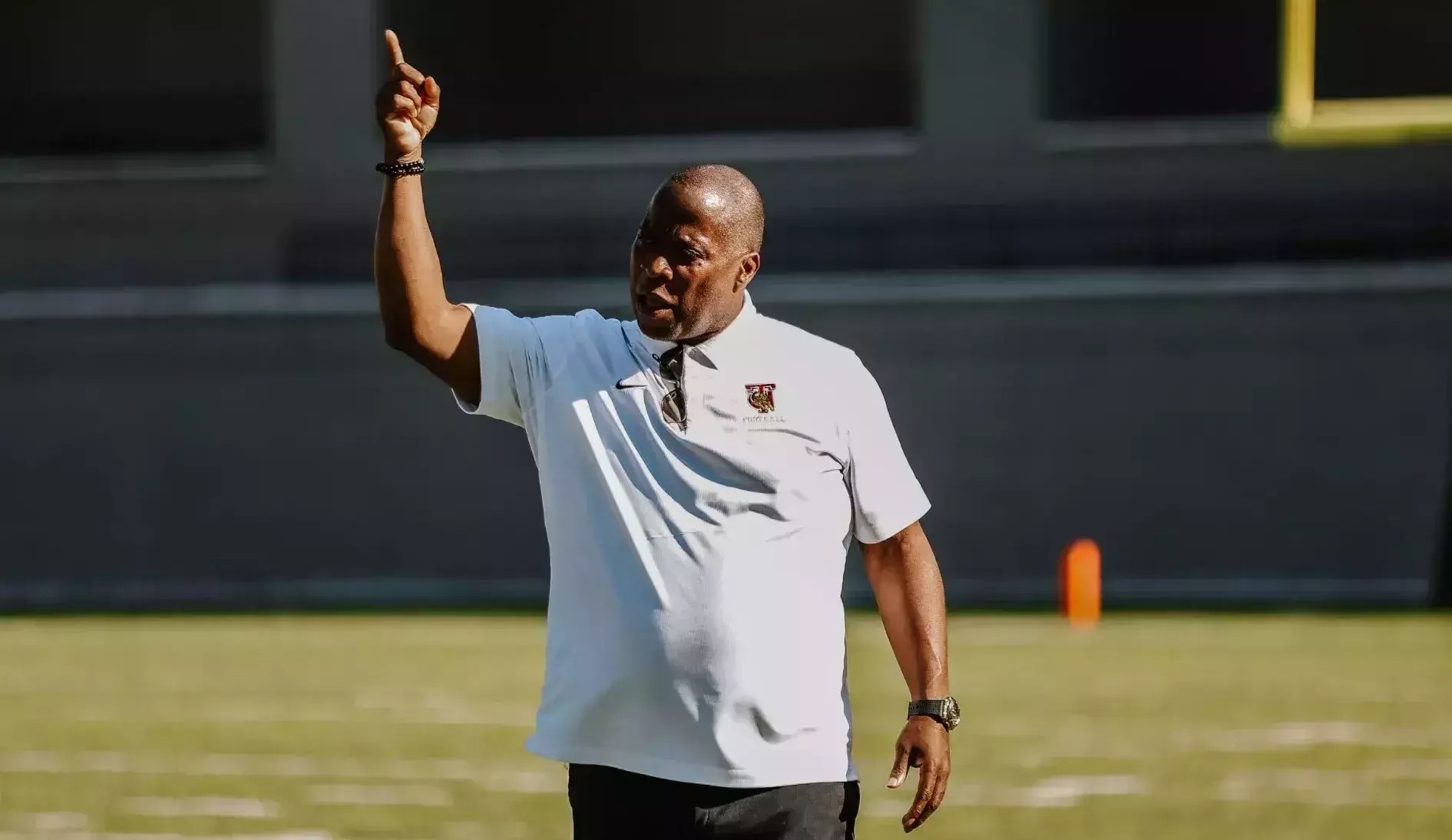
The video showed Taylor being briefly placed in handcuffs following a heated exchange with security earlier this season. The moment had already circulated widely on social media and sports media outlets shortly after it happened.
Inside the arena, the reaction was immediate. Morehouse athletic director Harold Ellis reportedly walked toward the broadcast area after the clip aired, questioning the decision to show the footage during the championship game.
SIAC commissioner Anthony Holloman and Tuskegee president Mark A. Brown were also seen approaching the broadcast area as the situation unfolded.
For Ruffin, the issue was not simply that the clip aired again but that it forced Tuskegee’s players and staff to relive a moment they believed was already behind them.
“That should not have been a live feed on the game for my team to bring back all those memories,” Ruffin said.
The Tuskegee ESPN handcuffing incident occurred following a regular season game between Tuskegee and Morehouse earlier this year at Forbes Arena in Atlanta.
After the game ended, Taylor approached security during the postgame handshake line. The situation escalated when the coach questioned individuals who had entered the line who were not part of the official team personnel.
During the exchange, a security officer placed Taylor in handcuffs and escorted him off the court. Video of the moment quickly spread online and sparked intense discussion across the college basketball and HBCU sports community.
Tuskegee officials later explained that Taylor was attempting to address what they described as a security concern involving individuals who were not supposed to be in the handshake line.
The situation drew national attention and became one of the most talked-about moments involving an HBCU basketball program this season.
Tuskegee Leadership Wanted the Focus on the Championship
By the time the SIAC championship arrived, Tuskegee leadership believed the situation had been addressed and resolved.
Conference championship games are often one of the biggest national showcases for HBCU athletics, bringing increased media attention and visibility to the programs competing.
For Tuskegee officials, replaying the footage during the broadcast risked shifting attention away from the players and the stakes of the championship matchup.
Instead of the focus remaining on the basketball game, the broadcast briefly revived a controversy that administrators believed had already run its course.
Ruffin made it clear that he felt the decision undermined the moment.
“ESPN is dead wrong,” Ruffin said in response to the network airing the footage again during the championship broadcast.
A Broader Conversation About HBCU Sports Coverage
The Tuskegee ESPN handcuffing incident has also sparked a broader conversation about how stories involving HBCU athletics are presented on national platforms.
For many fans and administrators, championship games represent a rare opportunity to showcase the excellence, tradition, and competitive spirit that define HBCU sports.
Moments that redirect attention away from the athletes can feel particularly frustrating when those platforms are limited compared to larger conferences.
Tuskegee and Morehouse are two of the most respected programs in the Southern Intercollegiate Athletic Conference, and their championship matchup was expected to highlight the strength of basketball within the league.
Instead, the replayed footage reignited a conversation that many believed had already been settled.
As HBCU athletics continue gaining greater national visibility, moments like this underscore the importance of how those stories are framed when the spotlight is on.