Howard University has introduced a new Howard national anthem policy that changes how student-athletes participate in pregame ceremonies across all athletic programs.
Under the updated protocol, athletes must either stand for the national anthem or remain in the locker room while it plays. The policy follows internal discussions between athletics leadership, coaches, and student-athletes about pregame procedures and how expression is handled during the anthem.
The decision comes after renewed national attention surrounding Howard’s women’s basketball program and its ongoing anthem protest, a moment that sparked conversation across the HBCU sports landscape. The policy formalizes a structure that allows athletes to opt out of the ceremony without kneeling courtside.
Howard National Anthem Policy Changes Pregame Protocol
The new Howard national anthem policy applies to all student-athletes competing for the university.
Athletics leadership said the updated approach attempts to balance student expression with maintaining a unified pregame environment.
Student-athletes now have two options before games begin: they may stand during the anthem or remain in the locker room until the anthem concludes.
Howard’s women’s basketball team has chosen the latter option for the remainder of the season.
Rather than standing courtside during the anthem, the team now remains in the locker room until the ceremony concludes before taking the court. The policy shift follows a series of discussions that emerged after anthem protests earlier in the season gained national attention in outlets including TheGrio and other national publications.
The approach effectively removes kneeling from the court while still allowing athletes to avoid participation in the anthem ceremony.
Protest Dates Back to 2020 Social Justice Movement
The protest that ultimately led to the Howard national anthem policy did not begin this season.
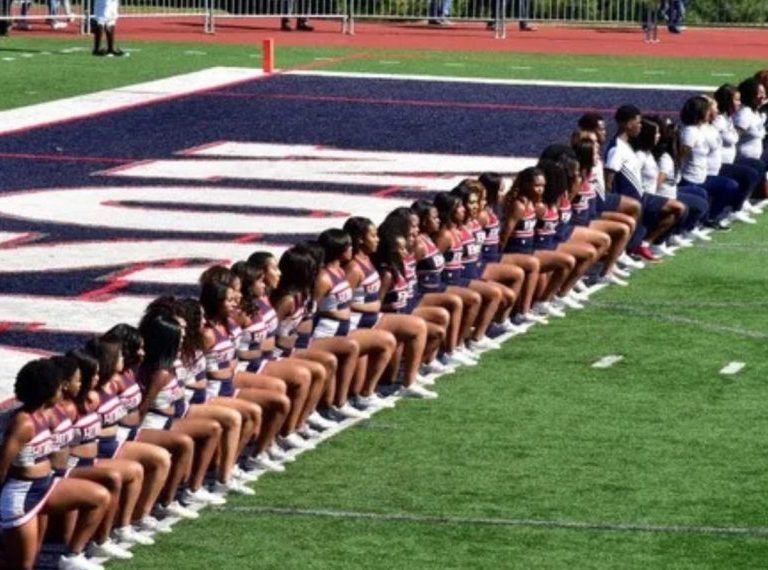
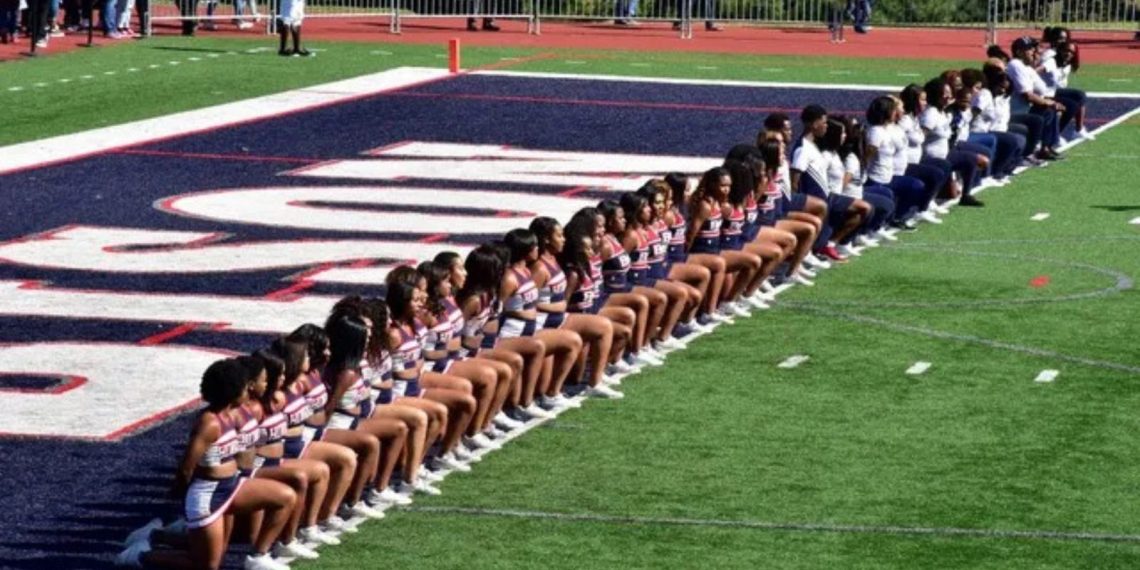
Howard women’s basketball players have taken a knee during the national anthem since 2020, aligning with demonstrations across sports addressing racial injustice and police brutality.
The gesture followed a wave of athlete activism sparked by former NFL quarterback Colin Kaepernick’s protest in 2016, which quickly spread across professional and collegiate athletics.
Howard athletes joined that broader movement and continued the gesture in the years that followed.
Within the program, players and coaches consistently emphasized that kneeling was intended to highlight social justice issues affecting Black communities rather than disrespect the country or military service members.
The protest became one of the more visible examples of activism within HBCU athletics, reflecting the long tradition of social awareness and advocacy that has defined many historically Black institutions.
Army Game Sparked National Attention
The debate surrounding the anthem protest intensified following a December game between Howard and the United States Military Academy.
Before the matchup, Howard players again knelt during the national anthem, a moment that drew criticism from some observers who believed the protest carried additional weight given the opponent.
The moment quickly spread across sports media and social platforms, drawing commentary from across the HBCU basketball community and beyond.
Following the game, university leadership began reviewing how pregame ceremonies were conducted across Howard’s athletic programs.
Those discussions eventually resulted in the implementation of the new Howard national anthem policy, which standardizes expectations across teams while allowing athletes to opt out of the ceremony.
Howard’s Activist Legacy Shapes the Conversation
The debate surrounding the Howard national anthem policy resonates strongly on campus because of the university’s long history of activism.
Often referred to as “The Mecca,”
Howard University has played a central role in movements advocating for civil rights, social justice, and political engagement.
Because of that legacy, discussions surrounding protest and expression often carry deeper significance within the university community.
For many student-athletes, the anthem debate reflects the broader challenge of balancing personal beliefs with institutional policies and the visibility that comes with competing on national stages.
As Howard athletic programs move forward under the new protocol, the Howard national anthem policy will likely remain part of a broader conversation about athlete expression, institutional leadership, and the evolving role of sports within social dialogue.