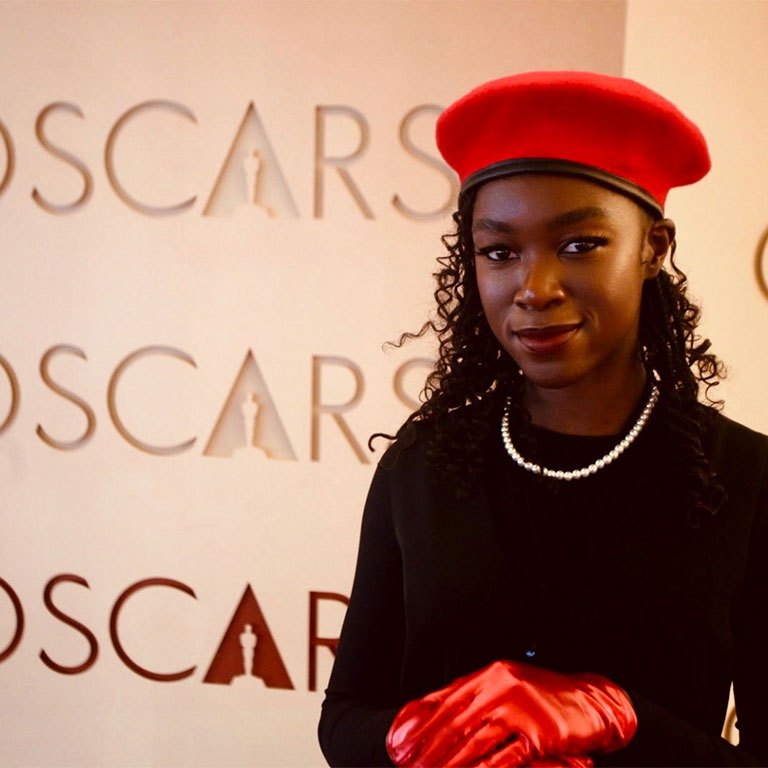

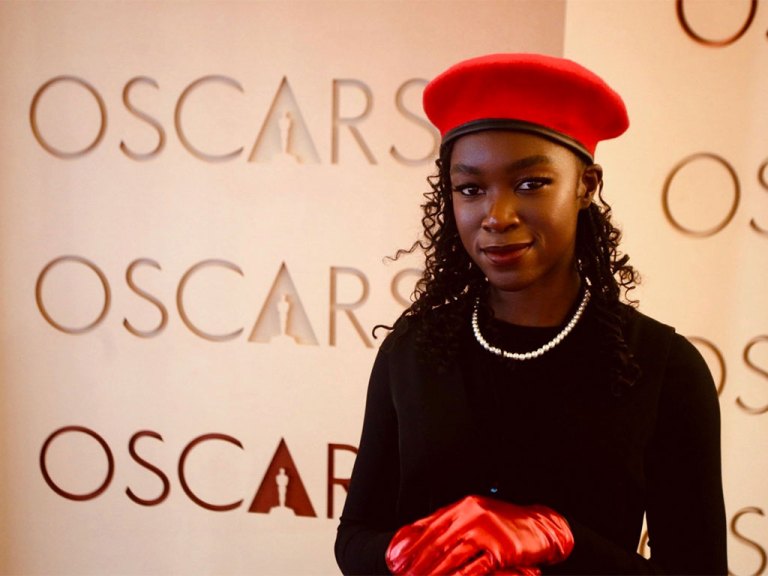
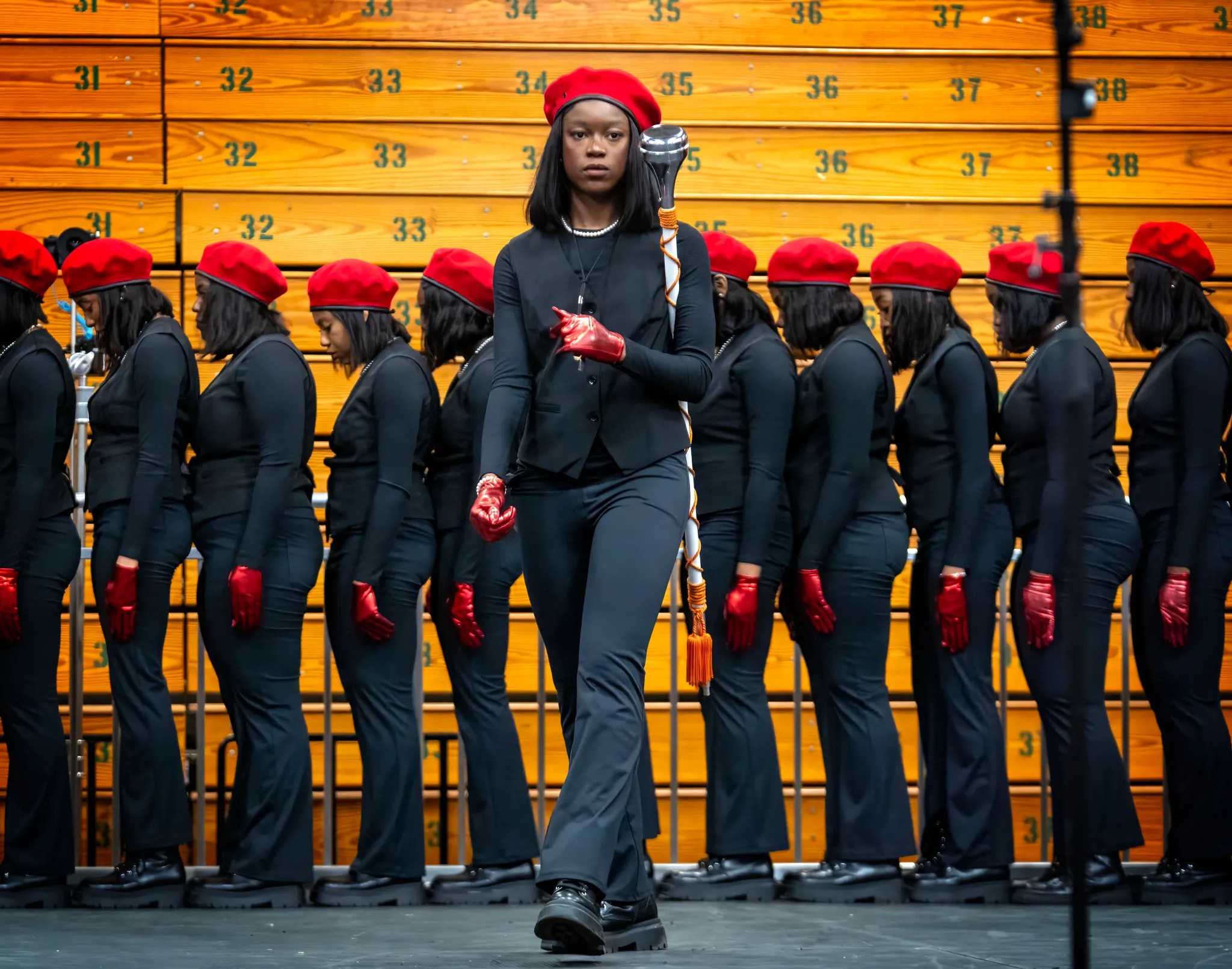
The FAMU drum major Oscars appearance was more than just a performance — it was a cultural breakthrough. Representing Florida A&M University, Oloyede took part in a live Oscars performance tied to the film Sinners, executing precise baton choreography while contributing to a visually powerful production.
As detailed in a feature from HBCU Gameday, Oloyede appeared alongside a lineup that included singer Miles Caton and ballerina Misty Copeland, blending HBCU band tradition with mainstream entertainment on one of the world’s most watched stages.
The moment placed HBCU band culture front and center in a space where it has historically been underrepresented.
Who Is Dupe Oloyede
Oluwamodupe “Dupe” Oloyede has quickly become one of the most recognizable figures in HBCU band culture. As the first female head drum major of the iconic Marching “100,” she represents both tradition and evolution within one of the most respected marching bands in the country.
Her leadership and performance style have helped redefine what it means to lead an HBCU band in today’s era. Known for her precision, energy, and presence, Oloyede has consistently delivered performances that resonate both on and off the field.
Viral Momentum Leading to the Oscars
Her appearance at the Oscars marks a new level of visibility — not just for her, but for HBCU band culture as a whole.
The FAMU drum major Oscars appearance is the latest moment in a growing wave of visibility for Oloyede. Leading up to the Oscars, she had already gained national attention through multiple high-profile performances and viral moments.
Earlier this year, she played a key role in a widely discussed performance tied to a tribute for the upcoming Michael Jackson biopic, which featured collaboration between the Marching “100” and other elite HBCU bands.
She also gained traction online through performances tied to her involvement in Delta Sigma Theta Sorority, Inc., further expanding her reach beyond traditional band audiences and into broader cultural conversations.
These moments helped build momentum, positioning her for a stage as large as the Oscars.
What This Means for HBCU Band Culture
The FAMU drum major Oscars appearance represents a shift in how HBCU culture is being recognized globally. At HBCUs, marching bands are more than entertainment — they are a central part of campus identity, discipline, and cultural expression.
For decades, HBCU bands have influenced music, performance, and culture, yet they have not always received mainstream visibility. Moments like this change that.
Seeing an HBCU drum major perform on the Oscars stage signals that the culture is not just influential — it is essential.
Hollywood Embraces HBCU Talent
The inclusion of Oloyede in such a high-profile performance highlights a broader trend: Hollywood is beginning to recognize and embrace HBCU talent in more visible ways.
Rather than being limited to sidelines or niche platforms, HBCU performers are now stepping into global arenas, contributing directly to major productions and cultural moments.
This shift creates new opportunities for collaboration between entertainment industries and HBCU institutions, opening doors for future performers, musicians, and creatives.
Florida A&M University Continues to Lead
For Florida A&M University, the FAMU drum major Oscars appearance adds to a long-standing legacy of excellence. The Marching “100” has consistently been recognized as one of the top marching bands in the nation, known for its precision, innovation, and cultural impact.
Oloyede’s presence on the Oscars stage reinforces that reputation, showcasing the level of talent and preparation that comes out of FAMU.
It also highlights the university’s continued influence in shaping not just students, but cultural leaders.
A Moment Bigger Than the Stage
The FAMU drum major Oscars appearance is more than a performance — it’s a signal of what’s possible. For young students, band members, and creatives across the country, it serves as proof that HBCU experiences can translate to the highest levels of global recognition.
From the football field to the Oscars stage, the pathway is expanding.
And as HBCU culture continues to gain visibility, moments like this will play a critical role in redefining how that culture is seen, valued, and celebrated worldwide.