
Charlamagne Tha God and Rajah Caruth create a different kind of HBCU sports moment
Charlamagne Tha God sponsoring HBCU driver Rajah Caruth is bigger than a celebrity co-sign. It is the kind of move that shifts perception, expands audience, and reminds people that HBCU talent belongs in every arena where influence, money, and visibility collide. Caruth, a Winston-Salem State University graduate and one of the most promising young names connected to NASCAR, continues to build a career that already stands out inside a sport that has historically struggled with diversity. This latest moment adds another layer to that story, because it connects HBCU excellence with one of the most recognizable voices in Black media.
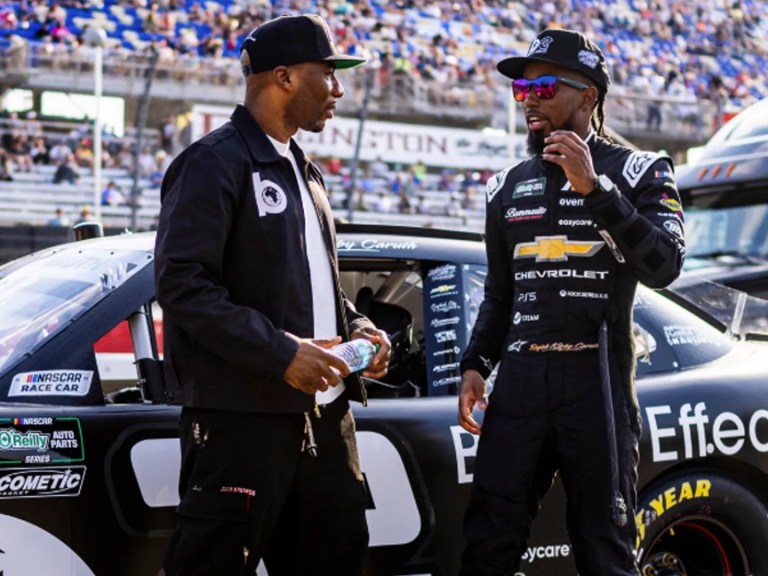
According to HBCU Gameday’s report, Charlamagne Tha God supported Caruth at Darlington Raceway, where the driver competed with branding from The Black Effect Podcast Network on his car. Charlamagne also shared his support publicly and was present trackside, helping turn the race into more than just another day on the NASCAR calendar. It became a cultural signal.
Why this sponsorship matters beyond the race itself
What makes this story worth paying attention to is not simply that Rajah Caruth had a sponsor. Drivers get sponsors all the time. What makes this different is who the sponsor is, what audience he brings, and what that means for HBCU visibility.
Charlamagne Tha God is not just a media personality. He is a cultural amplifier. His involvement introduces Caruth to people who may never have followed NASCAR closely, but who understand the significance of Black ownership, Black influence, and Black support showing up in spaces that were not built with us in mind. That changes the conversation.
For HBCUs, this is the real win. Too often, HBCU stories are boxed into the same categories: football, marching bands, basketball, campus culture. Those stories matter, but moments like this expand the map. They show that HBCU alumni are not limited to traditional pipelines. They are part of motorsports, media, business, branding, and the larger ecosystem of American culture. Caruth’s rise continues to prove that the HBCU story is not narrow. It is expansive.
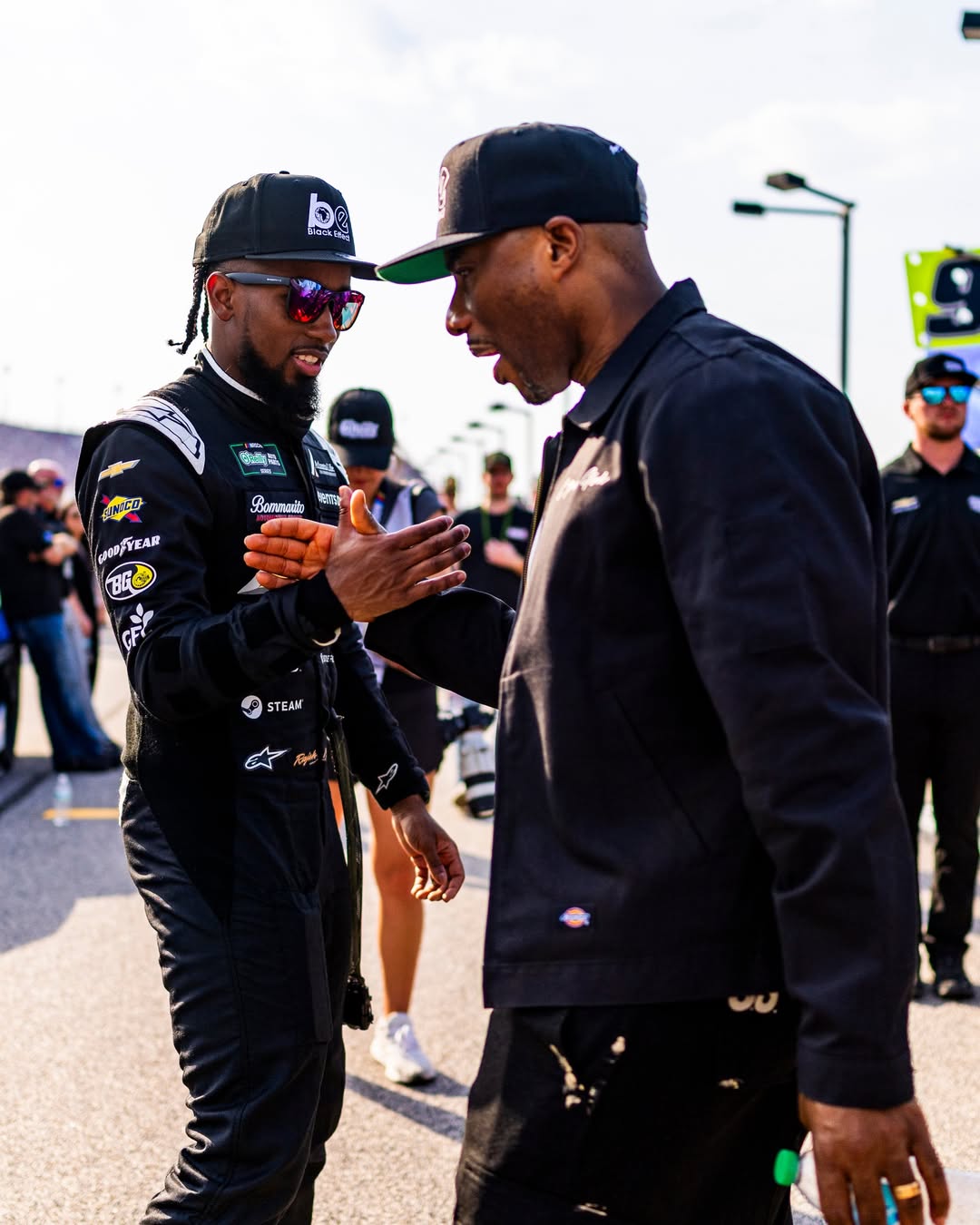
Rajah Caruth continues to push HBCU representation into new territory
Caruth has already become one of the clearest examples of what modern HBCU representation can look like. HBCU Buzz has followed his journey before, from his time as a student to his evolution into one of the most visible young names in racing, including when he graduated from Winston-Salem State’s motorsports management program and when he locked in a NASCAR playoff spot last year. This latest moment fits that trajectory perfectly.
At Darlington, Caruth drove a car featuring Black Effect branding and finished 23rd after starting 19th, completing all 147 laps in a steady performance, according to HBCU Gameday. While that may not sound like a headline finish to casual fans, that is not really the point here. The bigger story is sustained presence. In motorsports, remaining visible, competitive, and marketable matters. That is how careers are built. That is how sponsors stay interested. That is how doors keep opening.
This is what happens when culture and access meet each other
There is also a business lesson in this story that should not be overlooked. NASCAR has spent years trying to broaden its audience, and figures like Caruth offer a real bridge to communities that have often been treated like afterthoughts in the sport. Charlamagne’s support helps strengthen that bridge.
That matters because access in motorsports is deeply tied to sponsorship, and sponsorship is tied to belief. When a high-profile Black media figure publicly backs a Black HBCU graduate in NASCAR, he is doing more than helping with branding. He is participating in a form of validation that can attract more interest, more coverage, and ideally more investment. That is how cultural capital becomes economic opportunity.
For HBCUs, the lesson is just as important. Representation is not only about being seen. It is about being resourced. Caruth’s visibility helps challenge the outdated idea that HBCU talent only thrives in a few expected lanes. It also gives younger students a clearer example of what is possible when preparation meets support.
What this moment says about the future of HBCU athletes
The Charlamagne Tha God and Rajah Caruth connection should also push brands to think differently. If an HBCU graduate can command attention in NASCAR, then the market for HBCU storytelling is far larger than many decision-makers still assume. There are real opportunities here for brands that want to show up early, authentically, and with enough vision to understand where culture is going.
That is why this story matters even beyond sports. It is about narrative ownership. It is about who gets amplified. It is about whether HBCU excellence is still treated like a surprise, or finally understood as a standard.
Rajah Caruth keeps giving people a reason to update their assumptions. Charlamagne Tha God stepping in only makes that message louder. And for HBCU students watching, that may be the most important takeaway of all: you do not have to wait for traditional spaces to invite you in. Sometimes the real shift happens when culture pulls up, puts its name on the door, and makes the industry adjust.