HBCU attendance may shape more than a student’s college years
A new HBCU attendance and cognitive health study is giving people another reason to rethink how Black college success gets measured. For years, the value of HBCUs has been framed around culture, community, and career development. But new research suggests the benefits may extend far beyond graduation and even into later-life brain health.
A recent theGrio report highlighted a new study published in JAMA Network Open that found Black adults who attended HBCUs showed better memory, language, and overall cognitive performance later in life than Black adults who attended predominantly white institutions. The study analyzed data from 1,978 Black adults who attended college between 1940 and 1980, and about 35% of them attended an HBCU. The paper was published online on February 11, 2026.
That matters because it pushes the HBCU conversation into a deeper space. This is no longer just about student pride or alumni loyalty. It is about whether culturally affirming educational environments may have measurable long-term health value for Black people.
This HBCU study adds a new layer to the conversation around Black student success
The easy takeaway is that HBCUs are good for Black students. But for people who have been paying attention, that part is not new. What is new is having research that connects HBCU attendance to outcomes tied to aging, memory, and cognition.
According to the study and theGrio’s reporting, HBCU attendees had stronger cognition across the three historical periods researchers examined, including eras shaped by segregation, desegregation, and major civil rights policy changes. Lead researcher Dr. Marilyn Thomas said the findings point to the importance of educational environment, not just educational access. Researchers also noted that culturally affirming spaces may help protect cognitive health over time.
That is a major shift in framing. It suggests that where Black students learn may matter almost as much as what they learn.
HBCUs have always offered more than academics
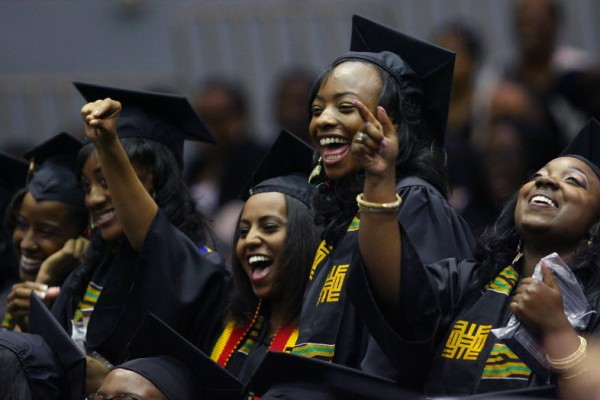
Anyone familiar with HBCU life already understands that these institutions do more than award degrees. HBCUs have historically created environments where Black students can be challenged, affirmed, and developed without constantly navigating the same racial isolation that often exists in other spaces.
This study gives academic language to something many HBCU graduates have described for years. Supportive environments matter. Belonging matters. Being taught in a space that treats Black life as central instead of peripheral matters.
The study also found that HBCU attendees were more likely to report supportive early-life experiences, including encouragement to pursue education and affection from caregivers. Researchers said even brief exposure to an HBCU environment appeared to have measurable impact. That does not mean every HBCU experience is identical, but it does reinforce the idea that affirming institutions can shape long-term outcomes in serious ways.
This is also a Black health story
What makes this article especially important is that it is not only an education story. It is also a health story.
Cognitive decline does not happen in a vacuum. It is influenced by stress, support systems, social conditions, and the environments people move through over time. The researchers linked their findings to broader questions about how structural racism affects health and how culturally affirming institutions may operate as a source of resilience.
That should force a bigger conversation around how HBCUs are discussed by funders, policymakers, and higher education leaders. Too often, HBCUs are asked to justify their relevance in terms of economic mobility alone. But if these institutions are also associated with better long-term cognitive outcomes, then the case for investing in them becomes even harder to ignore.
This is not just about preserving legacy. It is about protecting Black futures.
The timing of this study matters
This research lands at a time when Black-centered institutions and diversity efforts are still being challenged across the country. That makes the findings even more significant.
When people question whether culturally specific institutions still matter, they often talk as if those spaces exist only to make people feel comfortable. But HBCUs have never been about comfort alone. They have been about leadership, resilience, cultural continuity, and access. This study suggests they may also be contributing to long-term health outcomes that traditional college rankings never measure.
That is the bigger story here. HBCUs are not niche alternatives. They are infrastructure.
What students and families should take from this
The study authors described the work as exploratory, and the research focused on Black adults who attended college between 1940 and 1980. That means the findings should be interpreted carefully, not exaggerated. But the message is still powerful: the environment Black students learn in may shape outcomes that stretch decades beyond college.
For students deciding where to enroll and for families thinking about fit, this is worth paying attention to. Prestige and rankings still dominate too many college conversations. But this research suggests support, belonging, and cultural affirmation may have lifelong value that those traditional measures fail to capture.
That is something HBCU graduates have been saying for generations. Now there is more data catching up to the truth.
Why this matters for the future of HBCU storytelling
This is also the kind of story that should change how HBCUs are covered. Too often, HBCUs get reduced to pride pieces, nostalgia, or reactionary debates about funding. But this study opens the door to a richer conversation about how these institutions shape Black life over time.
The real opportunity is not just to say HBCUs matter. It is to explain why they matter in ways that policymakers, educators, brands, and families can no longer dismiss.
If more research continues in this direction, the long-term impact of HBCUs may prove even broader than many people already believe. And if that happens, HBCUs should not just be praised for their spirit. They should be funded and supported like the essential institutions they have always been.