

A new HBCU bill is trying to fix a problem campus leaders know too well
A new bipartisan Senate bill is trying to make it easier for HBCUs to find and pursue federal research money. Sens. Raphael Warnock of Georgia and Katie Britt of Alabama introduced the HBCU Research Capacity Act, which would create a federal clearinghouse focused on grant opportunities for Historically Black Colleges and Universities and research-capacity support. The proposal was introduced in the Senate this week and, as of the bill text now posted, has been read twice and referred to committee rather than passed into law.
Why this matters for HBCUs right now
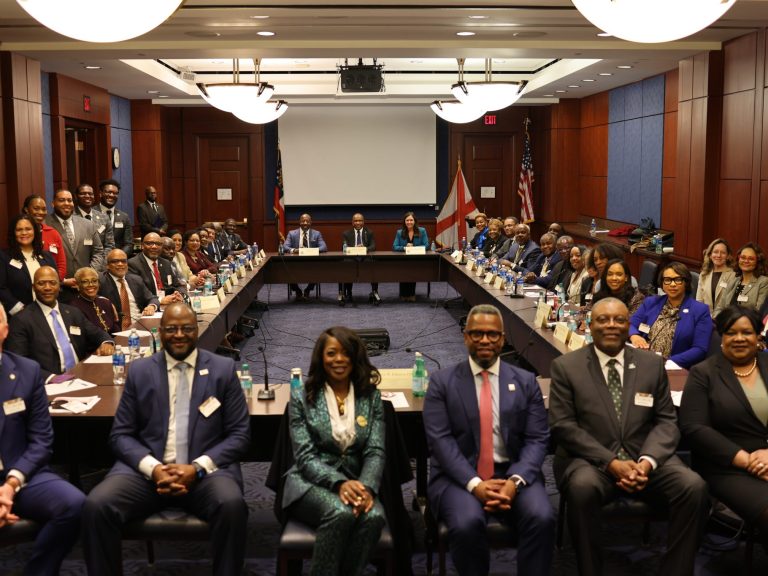
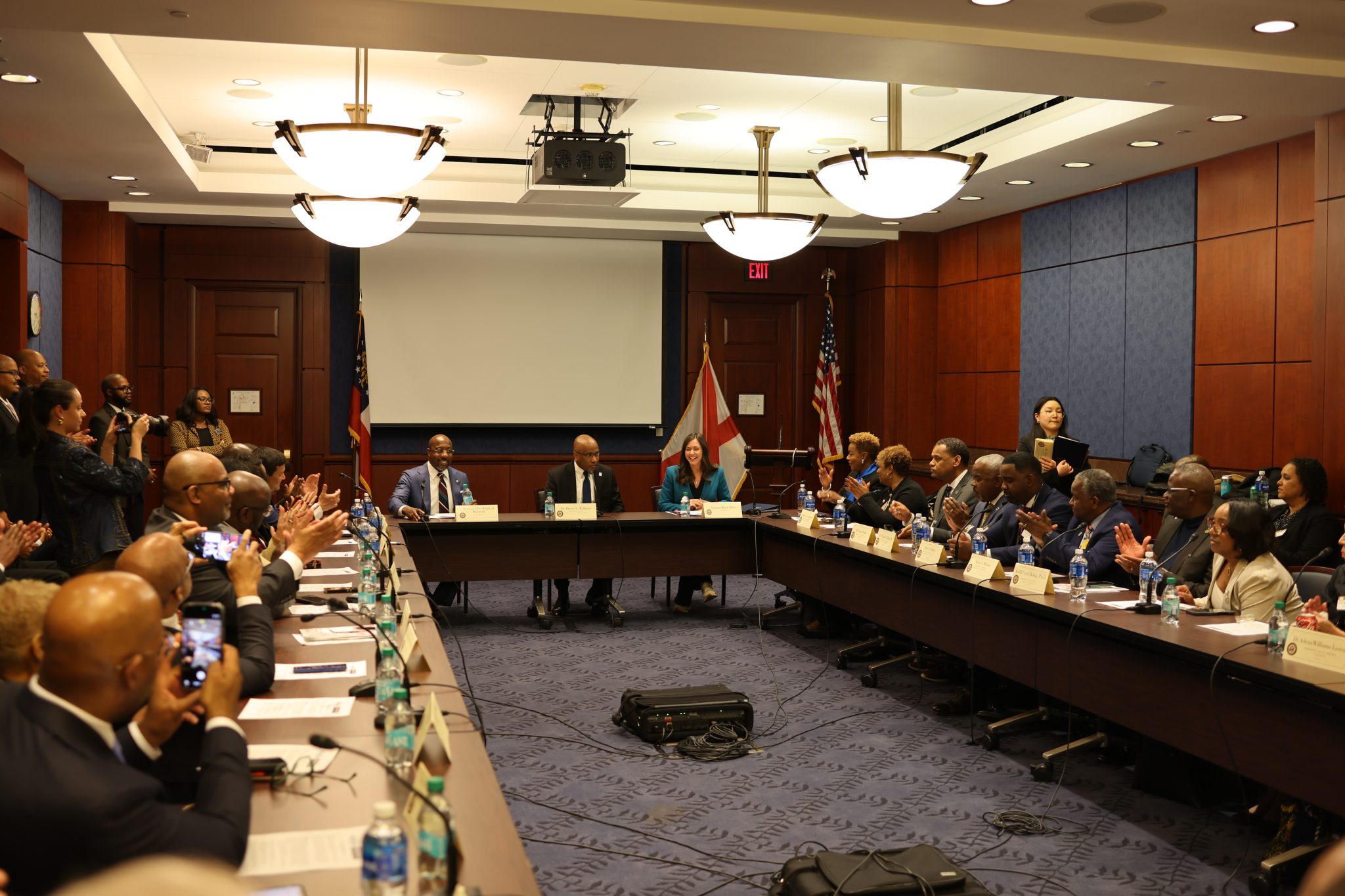
On paper, a centralized website may not sound dramatic. In practice, it could help address one of the most frustrating realities in higher education: HBCUs are often expected to compete for federal dollars while navigating fragmented systems, inconsistent agency processes, and long-standing capacity gaps created by historical underfunding. Warnock’s office said more than 30 HBCU presidents joined a roundtable around the bill’s introduction, underscoring how closely campus leaders are watching this issue.
That is why this story deserves more than a quick policy brief. For the HBCU community, this is really a story about access. Not access in the abstract, but access to the tools, pathways, and information that often determine which institutions are able to scale research, hire competitively, and position students for long-term opportunity. The bill would direct the Secretary of Education, in coordination with agencies including Commerce, Energy, Defense, Agriculture, NSF, EPA, and NASA, to establish the clearinghouse as a primary federal resource for HBCU-eligible grant opportunities tied to research and institutional research capacity.
The numbers behind the push are hard to ignore
The bill text lays out the imbalance clearly. It says HBCUs enroll 8.5% of Black undergraduate students but produce almost 18% of Black STEM bachelor’s degree recipients. At the same time, the legislation says HBCUs received less than 1% of the approximately $60 billion in federal research and development expenditures at colleges and universities in fiscal year 2023. It also notes that only one HBCU, Howard University, has reached very high research activity status.
Those numbers are exactly why a bill like this lands with weight. HBCUs are already producing outsized results relative to the resources they receive. So when lawmakers talk about “streamlining” grants, the real issue is bigger than convenience. It is about whether the federal government is finally willing to reduce the administrative friction that keeps strong institutions from accessing money they are already qualified to compete for. That does not solve the entire problem, but it does go directly at one of the bottlenecks.
What the HBCU Research Capacity Act would actually do
Under the bill text, the clearinghouse would not just list grants. It would distinguish between opportunities HBCUs are eligible for and those they are exclusively eligible for, while also sharing best practices and recommendations for building research capacity. The legislation would require written notice to HBCUs and Congress when the clearinghouse is published, annual reports to Congress, and quarterly updates to participating HBCUs. It also directs participating federal agencies to review their grant programs and identify where existing programs can help implement the clearinghouse’s recommendations.
That matters because one of the hardest parts of federal grant access is not simply writing the application. It is knowing where the opportunities are, how agencies define eligibility, how to build internal systems to compete, and how to sustain momentum once funding windows open. In that sense, this bill is trying to turn scattered information into usable infrastructure. For campuses that do not have large grant-development teams, that kind of coordination could matter.
The bigger story is not just the website
Still, this bill should be read with clear eyes. It does not magically erase generations of underfunding, and it does not automatically send new money to campuses. What it does is try to make the federal process less opaque and more accountable. That is meaningful, but it is also only one part of what HBCUs need.
Even Warnock’s own release frames this as capacity-building legislation, not a total fix. The bill follows his earlier work on HBCU research status and comes alongside his office’s broader argument that HBCUs need stronger support to fully contribute to the national research and development ecosystem. The release also cites endorsements from leaders at the Thurgood Marshall College Fund and UNCF, both of whom argued that improving access to research funding is necessary, while also making clear that more work will still be needed beyond this bill.
Why the bipartisan piece matters too
There is also political significance here. In a divided environment, Warnock and Britt co-leading an HBCU bill gives this effort a stronger signal than a one-party messaging exercise. Warnock, a Morehouse College graduate, said the bill is meant to make it easier for HBCUs to secure federal dollars for research. Britt, who has emphasized Alabama’s large HBCU footprint, framed the legislation as a practical way to grow research capacity and student opportunity.
That bipartisan framing does not guarantee passage, but it does improve the story around the bill. HBCU policy should not be treated like a niche concern or a regional talking point. If lawmakers on both sides are willing to say publicly that HBCUs deserve a clearer path to federal research opportunities, that is at least a meaningful acknowledgment of a structural problem HBCU leaders have been naming for years.
Now the question is what happens after introduction. If the bill moves, HBCU leaders will want to watch whether the final version keeps strong agency coordination, meaningful reporting requirements, and a definition of capacity-building that goes beyond surface-level compliance. If it stalls, the conversation should not stall with it. The core issue the bill highlights is still real: HBCUs are contributing heavily to the nation’s talent pipeline while remaining locked out of too much federal research support.
And that is the real takeaway here. This bill is not important because it creates a website. It is important because it acknowledges that information, coordination, and transparency are part of the equity fight too. For HBCUs, that may not be the whole answer. But it is a serious policy step in the right direction.