
Morgan State wrestling history has a new name in Yannis Charles
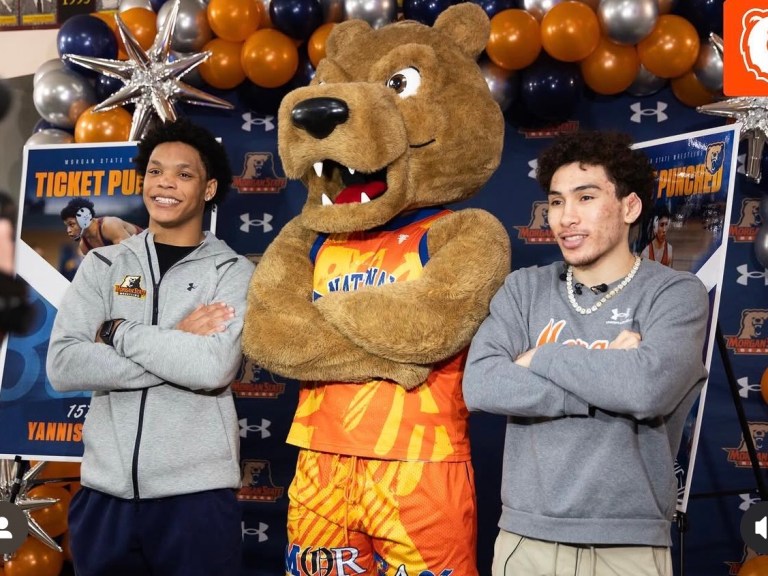
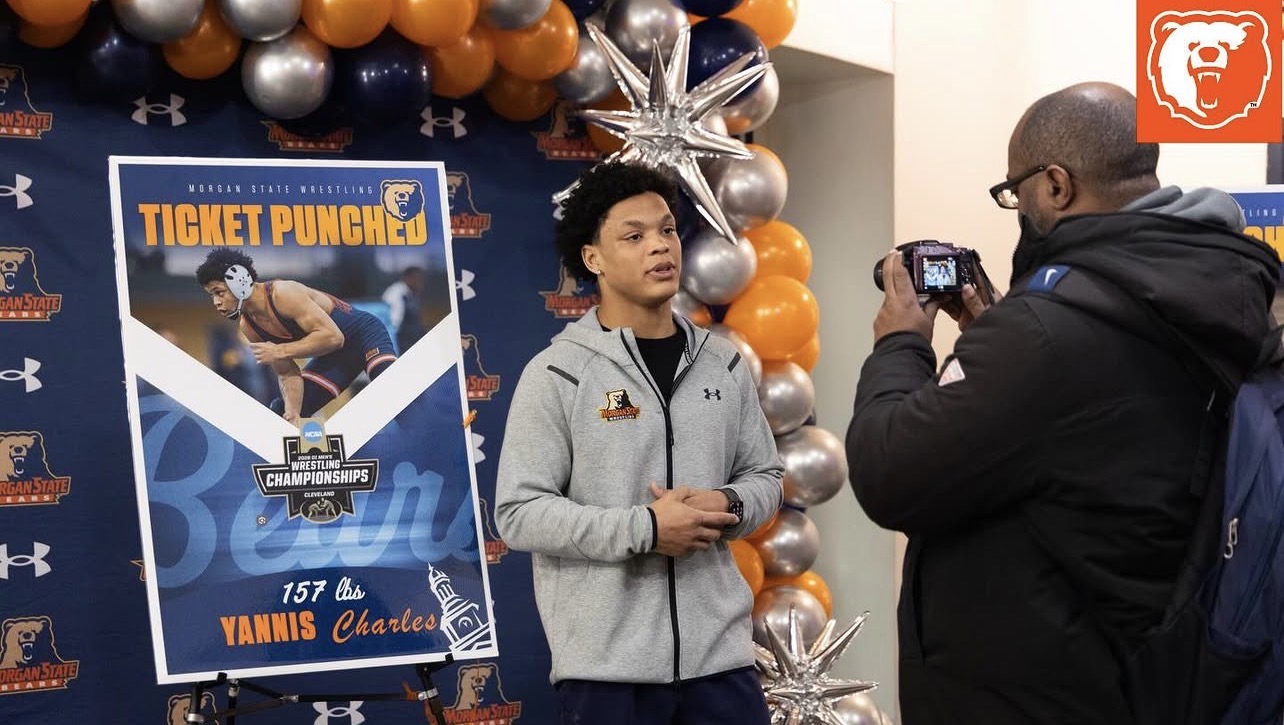
Morgan State wrestling history got a major new chapter this month, and Yannis Charles is right at the center of it. The Morgan State junior put together one of the most surprising postseason runs in college wrestling, first storming from the No. 12 seed to the EIWA finals at 157 pounds, then carrying that momentum to the NCAA Division I Wrestling Championships, where he helped the Bears make noise on the sport’s biggest stage for the first time in 27 years. For a program that has been rebuilding its identity and for an HBCU sports landscape that rarely gets included in wrestling conversations, Charles’ run felt bigger than one bracket. It felt like a statement.
His EIWA run changed the entire tone of Morgan State’s postseason
Before the national tournament ever began, Charles had already flipped expectations. Morgan State announced him as the No. 12 pre-seed at 157 pounds heading into the EIWA Championships, which made him more of a long-shot than a favorite on paper. But once the tournament started, Charles turned that seed into one of the most compelling storylines in the field. He defeated Drexel’s No. 5 seed Luke Nichter, then beat Binghamton’s No. 4 seed Fin Nadeau, and followed that with a dramatic semifinal win over top-seeded Navy wrestler Jonathan Ley to punch his way into the finals. Morgan State called it a historic performance, and it absolutely was.
That run mattered because it was not just one upset. It was sustained poise against higher-seeded opponents in a sport where the margin for error is almost nonexistent. Charles did not sneak through the bracket. He forced people to pay attention. And for Morgan State University, that kind of postseason breakthrough helped reinforce that the Bears’ wrestling revival is becoming something real, not symbolic.
Morgan State’s NCAA return made Charles’ breakthrough even bigger
The broader context makes this story even stronger. Morgan State competed at the NCAA Division I Wrestling Championships for the first time in 27 years this March, and the Bears did it as the nation’s only Division I HBCU wrestling program. Charles and Eugene Harney became the first NCAA qualifiers in the program’s Division I era, giving Morgan State more than just a return to relevance. They gave it proof of concept.
That is what makes Charles’ rise feel important beyond the mat. HBCUs have never lacked talent. What they have often lacked is access, visibility, and the kind of infrastructure that makes national breakthroughs more common. Wrestling has been one of the clearest examples of that gap. So when a Morgan State wrestler breaks through in a meaningful way, it is not just a Morgan story. It becomes an NCAA and HBCU sports story at the same time.
Yannis Charles delivered a real NCAA moment for the Bears
Charles arrived in Cleveland as the No. 33 seed at 157 pounds and opened the NCAA Championships against Bellarmine’s No. 32 seed Jeb Prechtel in the pigtail round. He won 15-10, advancing to face Penn State freshman P.J. Duke in the round of 32. Morgan State later noted that Charles won his pigtail match before his season ended with back-to-back losses in the championship and consolation brackets. Even so, that opening win mattered. It gave Morgan State an NCAA Championships victory in its long-awaited return to the national tournament and showed that Charles’ EIWA run was not a fluke.
That is where the story gets even more interesting. Charles was not supposed to be the headliner of the national field. Morgan State’s own NCAA preview listed him at 5-8 entering the tournament and seeded 33rd. But March is full of athletes who stop matching the paper version of themselves, and Charles became one of them. He wrestled like somebody who understood that his moment represented more than his own record.
Why this moment matters for HBCU wrestling
What Charles accomplished should force people to widen the way they talk about HBCU athletic success. Too often, HBCU sports coverage gets reduced to football, basketball, band culture, and the same traditional lanes. Those areas matter, but they are not the whole story. Charles’ postseason run is a reminder that HBCU athletes can create breakthrough moments in sports where Black institutions are rarely centered and Black participation is often treated as an exception.
That is why this story has staying power. It is not only about one wrestler pulling off a surprise run. It is about what happens when an HBCU athlete breaks through in a space that is still learning how to see HBCU excellence in full. Morgan State brought back wrestling with ambition, and now athletes like Charles are giving that ambition visible results. The program’s return to the NCAA Championships, its pair of national qualifiers, and Charles’ postseason surge all point to a future where Morgan State is no longer treated like a novelty in wrestling, but like a program with real upside.
The bigger takeaway from Yannis Charles’ postseason run
The biggest win here may be what younger athletes see. Charles’ run showed that Morgan State’s wrestling revival is not just about restoring an old tradition. It is about creating a current pathway. It is about giving wrestlers a reason to believe an HBCU can be part of their highest-level ambitions. And in a sport where visibility can shape recruiting, investment, and long-term support, moments like this matter more than one box score ever can.
Yannis Charles did not leave this postseason with an NCAA title. But he did leave it with something that can matter almost as much for a rising program: momentum, credibility, and a historic moment Morgan State can build on. For the Bears, that is a powerful place to start.