
Earl Hilton Retirement Closes One of the Most Important Chapters in NCAT Athletics
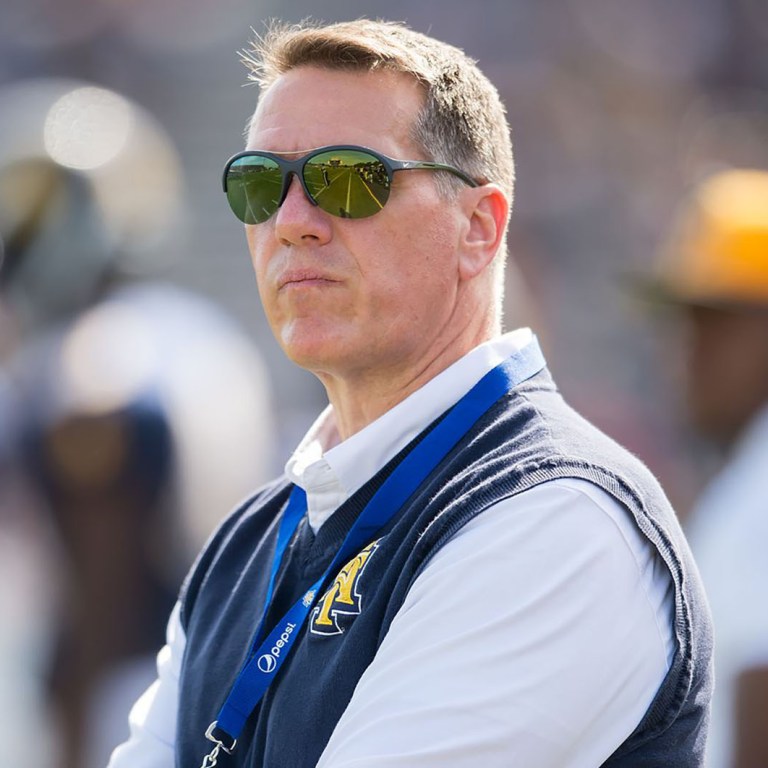
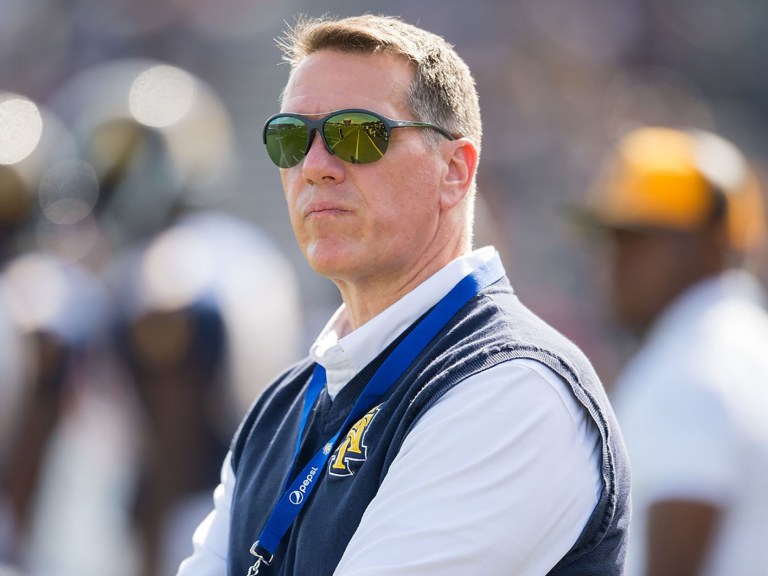
The Earl Hilton retirement news lands as more than a leadership update for North Carolina A&T State University or NCAT. It marks the close of a 15-year run that helped shape one of the most visible and successful athletic departments in HBCU sports. University leadership announced on April 7 that longtime athletics director Earl M. Hilton III will step down this summer at the end of his contract, with a national search for his successor already set to begin. Hilton will remain in the role until the next athletics director is identified and officially seated.
Hilton’s tenure began at a pivotal moment. He first took over on an interim basis in late 2010 before being named the permanent athletics director in February 2011. What followed was not a quiet administrative stretch, but one of the most transformative periods the Aggies have seen in modern athletics. Overseeing 17 intercollegiate programs, Hilton helped guide North Carolina A&T through championship seasons, conference realignment, and the rapidly changing business of college sports, all while maintaining the university’s push for academic growth and institutional visibility.
Earl Hilton Helped Build a Championship Standard at North Carolina A&T
When people look back on the Hilton era, the first thing many will remember is winning. From 2015 through 2019, North Carolina A&T football became a standard-bearer in Black college athletics, winning four Celebration Bowls and cementing its place as one of the premier programs of that stretch. That run gave the Aggies a national profile that went beyond conference results and made the program a regular point of reference in conversations about excellence across HBCU sports. Hilton’s administration was at the center of that rise, not just by supporting coaches and student-athletes on the field, but by helping create the stability and infrastructure needed for sustained success.
The success under Hilton was not limited to football. According to the university, A&T athletics captured more than 70 individual, team, conference, national, and Olympic championships during his leadership. Aggie track and field athletes brought home three Olympic medals at the 2021 Tokyo Games, including two gold medals, and in 2022 the men’s indoor track and field team finished second nationally, the highest indoor finish ever recorded by a Division I HBCU. That kind of range matters because it shows Hilton’s impact was department-wide. He helped oversee an athletic ecosystem that was competing at a high level across multiple sports, not just leaning on one flagship program to carry the brand.
The Earl Hilton Retirement Story Is Also About What Happened Off the Field
One of the strongest parts of the Earl Hilton retirement story is that it is not only about trophies and banners. North Carolina A&T said student-athlete graduation rates increased by more than 51 percent during Hilton’s time leading the department, while annual giving to athletics rose by more than fifteen times. Chancellor James R. Martin II praised Hilton for creating an environment in which more than 300 student-athletes each year remained focused on academics first, even as the college sports landscape grew more chaotic and more commercial. That kind of praise speaks to the broader test of athletic leadership at an HBCU, where success has to mean more than game-day performance. It also has to mean stewardship, development, and long-term institutional progress.
Hilton’s work also came during one of the most disruptive periods in NCAA history. He led the Aggies through major shifts in the college sports model, including transfer portal changes, NIL expansion, and direct payments reshaping athlete compensation. At the same time, North Carolina A&T made two major conference moves, leaving the MEAC for the Big South in 2020 before joining the Coastal Athletic Association in 2022. Those decisions were not just athletic moves. They were strategic positioning decisions tied to exposure, peer alignment, and the university’s ambitions in a changing Division I environment. Whether fans agreed with every outcome or not, Hilton helped steer the department through decisions that will define the Aggies for years to come.
Why This NCAT Leadership Change Matters for the Future
That is why this retirement matters beyond simple transition language. North Carolina A&T is not handing over a quiet department. It is opening one of the most visible jobs in Black college athletics at a moment when identity, conference fit, competitiveness, fundraising, and athlete support all matter more than ever. The next athletics director will inherit a department with strong expectations, a national profile, and a fan base that understands what championship-level Aggie athletics can look like. In many ways, the value of the next hire will be measured by whether that person can preserve Hilton’s gains while also charting a fresh path in this new college sports era.
Hilton himself framed his departure with gratitude, calling it his “singular privilege” to work with student-athletes, coaches, staff, boosters, and fans, while saying he was honored to witness historic academic and athletic achievement. That language feels fitting because the Hilton era at North Carolina A&T was ultimately defined by scale. The Aggies won big, moved boldly, and became part of major national conversations in football, track and field, and broader HBCU athletics.
The Earl Hilton retirement announcement now gives NCAT a chance to reflect on what that era meant while also asking the harder question every successful program eventually faces: what comes next after a defining run ends?