
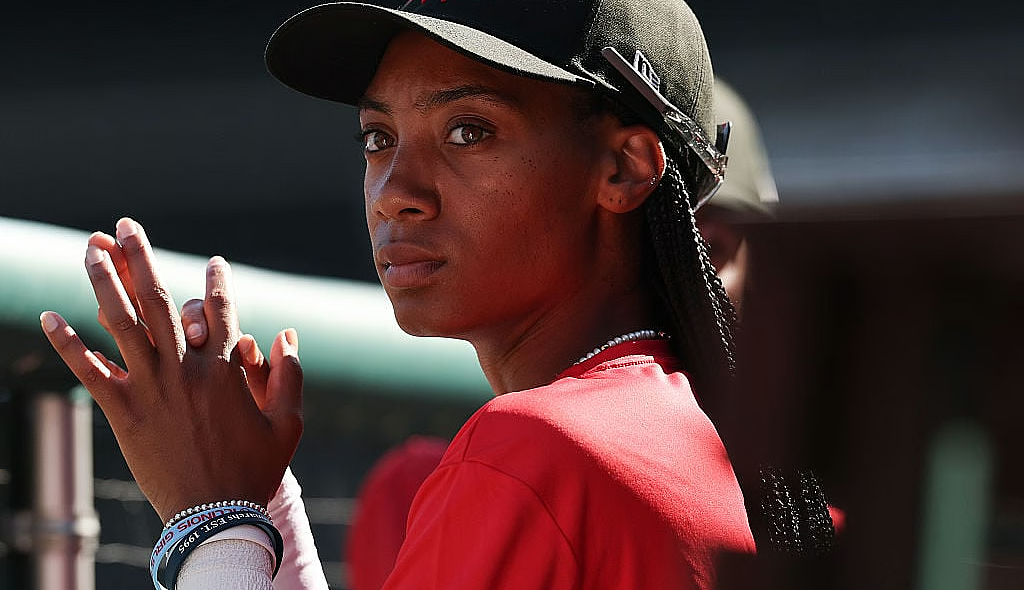
Mo’ne Davis Indianapolis Clowns is the kind of headline that instantly stops you, not just because it brings one of the most recognizable names in youth baseball back into the spotlight, but because it connects her latest move to a much deeper Black baseball legacy. Davis, now 24, has officially signed a professional contract with the Indianapolis Clowns, the newest club in Banana Ball, extending a journey that began when she became the first girl to throw a shutout in Little League World Series history and later continued through her time at Hampton University. For HBCU audiences, this is bigger than a feel-good sports update. It is another example of how Black women athletes keep forcing open doors in spaces that were never designed with them in mind.
Mo’ne Davis Indianapolis Clowns feels bigger than a baseball move
The easy version of this story is to call it a comeback. That would miss the point. Davis has not been trying to relive a childhood moment. She has been steadily building a sports career in public for more than a decade, navigating the pressure that comes with becoming a national symbol at 13 years old. After her historic run in Williamsport, she kept competing, developing, and evolving.
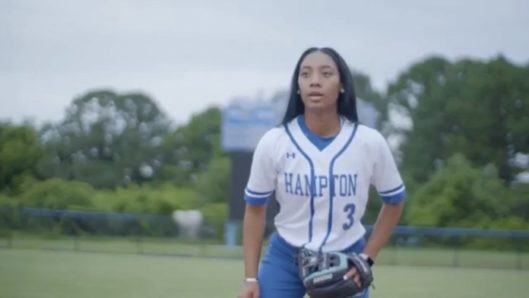
At Hampton, she played middle infield for the Lady Pirates, posted a .333 batting average during her freshman season, and studied communications. That matters because her latest opportunity did not arrive out of nowhere. It grew out of years of work after the cameras moved on.
Hampton helped shape this chapter too
That HBCU connection is a key part of why this story belongs in the HBCU Buzz conversation. Davis was never just a viral phenom who visited Black college culture from a distance. She lived it. In her Hampton years, she embraced the kind of community and belonging that so many student-athletes talk about when they explain why HBCUs feel different. In previous HBCU Buzz coverage of Davis at Hampton, she spoke positively about the atmosphere of attending an HBCU and encouraged other students to consider that experience too. That makes this moment hit differently. When Davis signs a pro deal, it is not only a win for her. It also becomes another proof point that HBCUs keep producing athletes with range, visibility, and staying power far beyond the boundaries people try to put on them.
The Indianapolis Clowns name carries real history
The Indianapolis Clowns are not just a catchy brand name for an entertainment-first baseball league. The name carries real weight in Black sports history. The original Clowns were one of the most memorable franchises in Negro Leagues history, a team that mixed serious baseball with showmanship long before modern sports entertainment made that blend feel normal. MLB notes that the club’s roots stretch back to the 1930s and that the team went on to compete in the Negro American League after relocating to Indianapolis, winning a league title in 1950. Players like Hank Aaron and Satchel Paige spent time with the franchise, which already gives the name enormous cultural gravity.
But the part of that legacy that makes Davis’s signing especially meaningful is the women’s history attached to the Clowns. The franchise was home to trailblazers such as Toni Stone, Connie Morgan, and Mamie Johnson, Black women who played in the Negro Leagues and challenged both racism and sexism in an era that offered them almost no protection and even fewer opportunities. Banana Ball’s revived Clowns team has explicitly said it wants to honor that history in partnership with the Negro Leagues Baseball Museum, which means Davis is not stepping into a random entertainment story. She is stepping into a name that already represents Black innovation, Black showmanship, and Black women refusing to be boxed out of baseball.
This move also says something about where women’s baseball is headed
There is another reason this story matters right now. Davis’s Clowns contract comes only months after she was selected 10th overall in the inaugural Women’s Pro Baseball League Draft by Los Angeles. The WPBL has positioned itself as the first professional women’s baseball league in the United States since the All-American Girls Professional Baseball League ended in the 1950s, and Davis is already one of the most visible faces tied to that launch. Her player profile also notes that she earned degrees from both Hampton University and Columbia University, reinforcing that her path has always been broader than one viral sports memory. In other words, Davis is now attached to two different growth stories in baseball at the same time: the formal rise of a new women’s pro league and the mainstream entertainment reach of Banana Ball. That dual visibility matters. It puts more eyes on women’s baseball, and it puts a Black woman with HBCU roots at the center of that visibility.
That is why this headline should land as more than novelty. Banana Ball is built for attention. It moves fast, travels well online, and knows how to turn moments into shareable culture. That can be a powerful platform when it is attached to someone like Davis, whose name already means something to multiple generations of fans. For younger girls, especially Black girls, this is the kind of story that stretches the imagination again. It says the girl you watched dominate on a Little League mound did not disappear after the applause faded. She kept growing, kept adjusting, kept learning, and found her way into a professional opportunity connected to one of the most important Black baseball brands ever created.
What this means for the HBCU conversation
For the HBCU world, there is also a subtle but important lesson here about how we talk about success. Too often, conversations around HBCU athletes get flattened into a narrow set of outcomes, usually whatever fits the most familiar pipeline. Davis reminds us that the real story is often more layered than that. An HBCU athlete can build a path that includes media attention, cultural relevance, professional opportunity, reinvention, and legacy all at once. Her story also sits naturally beside the broader HBCU baseball conversation, because it reflects the same truth we keep seeing across Black college sports: talent has never been the issue, exposure has. When the platform expands, the possibilities do too.
Mo’ne Davis signing with the Indianapolis Clowns is not just a sports update to scroll past. It is a full-circle moment that still points forward. It ties a former Hampton athlete to one of the most historic names in Black baseball, while also keeping her visible during a period when women’s professional baseball is trying to build real momentum again. That makes this story feel perfectly timed for HBCU Buzz. It is about history, Black legacy, women in sports, and the long game of becoming more than the moment that first made the world learn your name. Davis already changed baseball once. This new chapter suggests she is not done changing it yet.