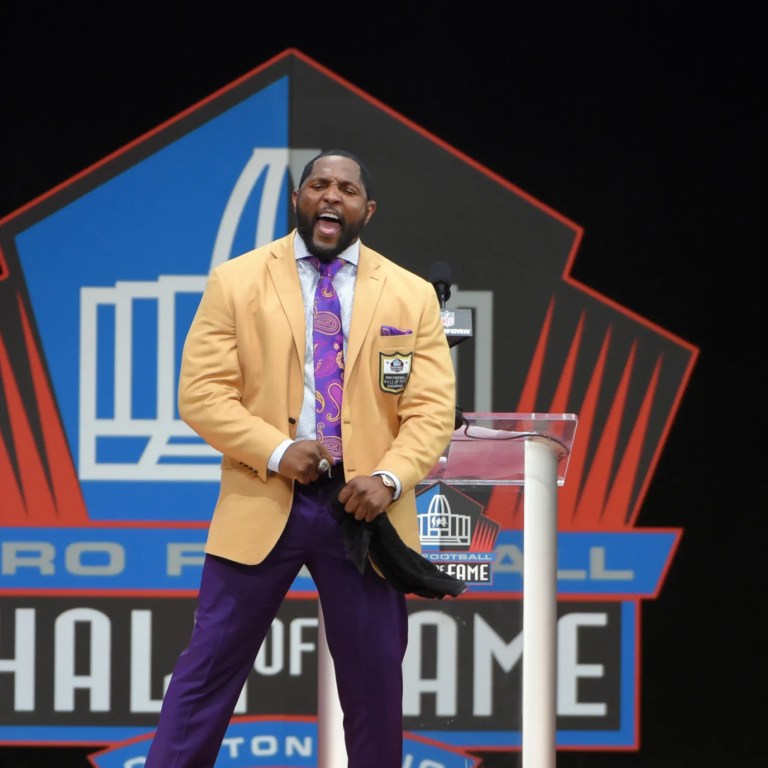

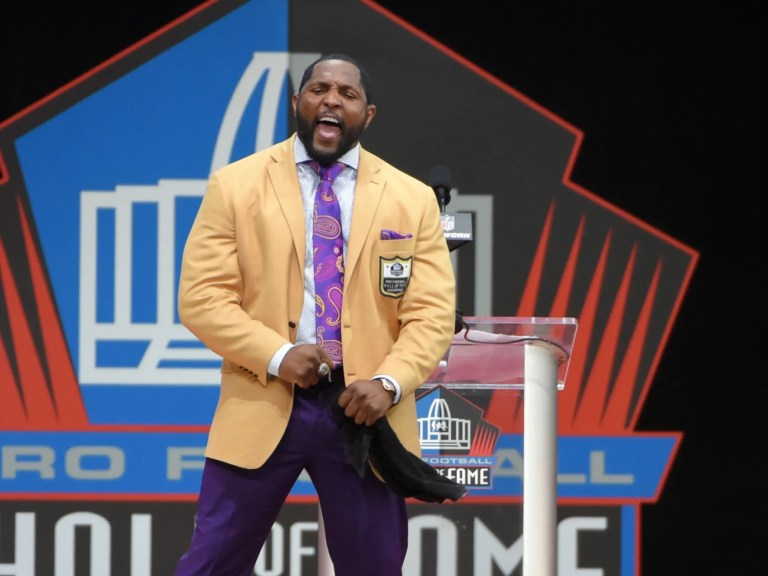
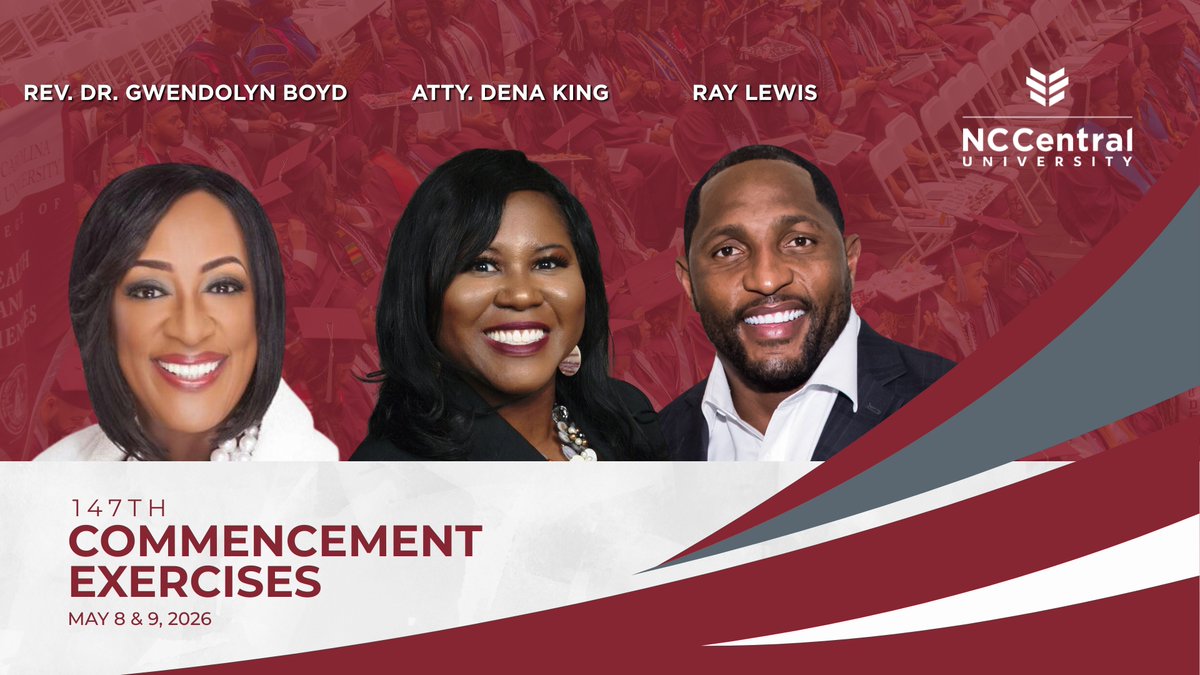
Ray Lewis NCCU commencement news is already giving North Carolina Central University a graduation headline that reaches far beyond Durham. The Pro Football Hall of Famer has been announced as one of the featured speakers for NCCU’s 147th Commencement Exercises, with Lewis set to appear on Saturday, May 9, during the 2 p.m. baccalaureate ceremony for the College of Health and Sciences, the School of Business, and the School of Education inside McDougald-McLendon Arena. For an HBCU like NCCU, bringing in a sports icon with that kind of national name recognition instantly raises the visibility of commencement weekend, but the bigger story is what his presence signals about the kind of moment the university wants to create for its graduates.
Ray Lewis NCCU commencement news adds star power to an already important weekend
NCCU’s 147th Commencement Exercises will take place across two days, beginning Friday, May 8, with the graduate, professional, and doctoral ceremony at 9 a.m., followed by two undergraduate ceremonies on Saturday, May 9. The first undergraduate ceremony will begin at 9 a.m. for the College of Arts, Social Sciences, and Humanities, while Lewis will headline the later 2 p.m. ceremony for students in health sciences, business, and education. He joins a speaker lineup that also includes Rev. Dr. Gwendolyn Elizabeth Boyd and attorney Dena J. King, giving this year’s commencement schedule a mix of leadership, legal, academic, and cultural weight. That balance matters because commencement at an HBCU is never just about celebrity. It is about sending graduates into the next chapter with a message that matches the seriousness of the milestone.
That is what makes this Ray Lewis selection interesting. It is easy to see the football résumé and stop there, but NCCU’s framing points to something bigger. In the university’s own announcement, this year’s speakers were chosen to challenge graduates to lead with purpose, resilience, and impact in their communities and beyond. Those are the kinds of themes Lewis has spent years leaning into in his post-playing career, where he has built a public identity around motivation, discipline, perseverance, and personal growth. So while his name brings mainstream recognition, the fit also makes sense for a ceremony built around transition, challenge, and the pressure that comes with stepping into adulthood and leadership after college.
Why this speaker choice fits NCCU right now
There is also something strategic about this for North Carolina Central University. NCCU is one of the most visible public HBCUs in the country, and commencement is one of the few academic moments that can cut through the noise and reach national audiences beyond traditional higher education coverage. A figure like Lewis helps do that. He is one of the most recognizable defensive players in NFL history, a first-ballot Hall of Famer whose career included two Super Bowl titles, a Super Bowl MVP award, and multiple Defensive Player of the Year honors. Those credentials make him the kind of speaker families recognize immediately, which adds an extra layer of anticipation to commencement weekend. But for students in business, education, and health sciences, the more important part may be what his career represents: longevity, leadership, preparation, and performing under pressure.
At the HBCU level, commencement speakers often tell a deeper story about how an institution wants its graduates to be seen. Sometimes schools go with political figures. Sometimes they lean toward alumni, entrepreneurs, artists, or activists. In this case, NCCU appears to be leaning into inspiration and visibility at the same time. Lewis is the kind of speaker who can deliver a locker-room style charge, but he also arrives with a public story built around adversity, accountability, and reinvention. For a graduating class preparing to enter a competitive job market and an uncertain economy, that kind of message can land in a very practical way, especially for students about to move into fields where confidence, communication, and resilience are just as important as credentials.
Ray Lewis also carries a connection to Black college life
Even though Lewis is not an HBCU graduate himself, there is still a meaningful Black college thread in this story. In 2024, he accepted a posthumous degree from Virginia Union University on behalf of his late son, Ray Lewis III, who was honored with a Bachelor of Arts in Psychology. That moment gave Lewis a deeply personal connection to an HBCU graduation stage, and it adds another layer to his appearance at NCCU. It does not make him an HBCU insider, but it does mean this is not a completely detached celebrity booking either. There is at least some lived emotional proximity to what these moments can mean for Black families, particularly when a degree symbolizes not just achievement, but legacy, memory, and sacrifice.
That context helps this story feel stronger than a simple headline about a famous person showing up on campus. HBCU commencement season has always been about more than who gets the microphone. It is about the symbolism of who is invited to speak life into students as they leave one chapter and enter another. Lewis brings a style that is intense, emotional, and highly motivational, which means graduates will almost certainly get something memorable. Whether people love his delivery or find it larger than life, it is hard to argue that he does not understand how to command a room and push an audience toward urgency. In an era where commencement speeches can blur together, NCCU has chosen someone who almost certainly will not be forgettable.
What this means for HBCU commencement season
This also positions HBCU commencement season as another place where schools can win attention without compromising the heart of the moment. Commencement is one of the purest celebrations on the HBCU calendar because it centers students, families, and the long journey to the finish line. A big-name speaker should never overshadow that, but when used well, it can amplify it. That is the opportunity in front of NCCU. Lewis’s appearance creates a headline, but the real story will be what the Class of 2026 takes from it when the cheers die down and graduation weekend turns into the first day of the next phase of life. If his message meets the scale of the moment, this could become one of the more talked-about HBCU graduation appearances of the spring.
In the end, Ray Lewis NCCU commencement coverage works because it sits at the intersection of visibility and meaning. NCCU gets a nationally recognized name for one of the biggest weekends on its calendar, and graduates get a speaker whose life and career have been shaped by intensity, expectation, and the constant demand to rise. For HBCU audiences, that makes this more than a celebrity note. It is another reminder that Black college graduation season still has the power to create moments that feel cultural, emotional, and bigger than campus all at once.