
A foundational figure in HBCU women’s basketball
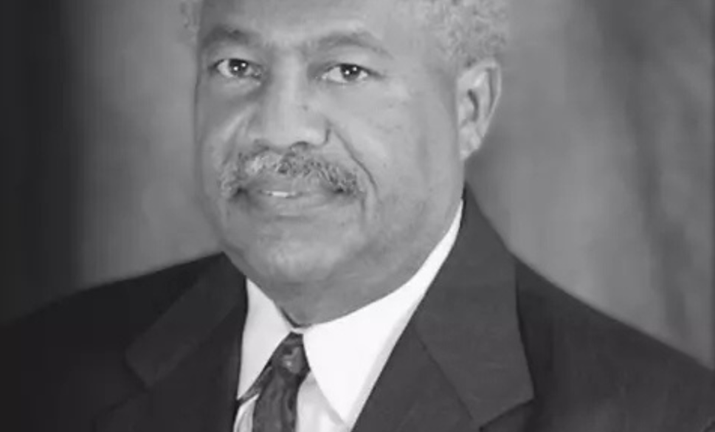
The HBCU community is grieving the passing of HBCU women’s basketball pioneer James Sweat, whose career reshaped the landscape of the sport at historically Black colleges and universities.
At HBCU Buzz, we have chronicled how leaders like him made competitive excellence possible during eras when institutional support was limited and national attention was scarce. Sweat’s influence extended far beyond wins and losses; he set standards that still define programs at multiple HBCUs.
According to the Hampton University athletics newsroom, Sweat died recently at age 88, leaving behind a legacy that includes a national championship and multiple Hall of Fame honors.
Championship culture at Hampton University
Sweat’s first major imprint came as head coach of the women’s basketball program at Hampton University, where he compiled a remarkable 183-44 record over seven seasons. His 1987–88 squad finished 33–1 and captured the NCAA Division II national title, a campaign that still stands as one of the most dominant seasons in HBCU women’s basketball history.
During his tenure with the Lady Pirates, his teams also won multiple CIAA championships and produced consecutive CIAA Players of the Year, underscoring Sweat’s ability to develop high-level talent.
Sustained excellence at Norfolk State University
After Hampton, Sweat took the helm of the women’s basketball program at Norfolk State University, where he would spend nearly two decades shaping the identity of Spartan women’s basketball. Over 19 seasons, he amassed more than 340 wins—still the most in program history—guided multiple postseason teams, and led Norfolk State through its transition from NCAA Division II to Division I competition.
A highlight of his NSU tenure was the 2002 Mid-Eastern Athletic Conference title and the program’s first NCAA Division I Tournament appearance, a milestone that helped elevate the Spartans’ profile in women’s collegiate basketball.
Beyond victories: player development and community impact
More than championships, Sweat is remembered for how he influenced the lives of his players and shaped the sport’s culture across the HBCU landscape. The CIAA’s official statement on his passing highlights not only his competitive achievements but also how his coaching philosophy—anchored in preparation, accountability, and belief—helped shape generations of student-athletes.
For members of the HBCU community, Sweat’s impact isn’t just in stat sheets or banners; it lives in the standards he set for program building and player empowerment, in classrooms and careers long after hips were hung up.
Preserving the legacy of a pioneer
This moment should also underscore a broader responsibility: ensuring that HBCU sports history—especially the contributions of those who built women’s programs—gets remembered fully, not briefly. We will continue to elevate these stories because they are central to understanding not just where the sport is today, but how it got here.
Sweat’s name will remain part of that narrative—etched in the archives of Hampton and Norfolk State, celebrated in conference halls, and honored by those whose lives he touched on and off the court.