
2025 HBCU Changemaker Fellows: Student Voices Leading Innovation and Peace
The 2025 HBCU Changemaker Fellows at the Joan B. Kroc School of Peace Studies are showing what happens when opportunity meets vision. This year’s cohort of HBCU graduates shared one clear message: programs that intentionally invest in Historically Black Colleges and Universities do more than offer degrees—they help HBCU students imagine their impact on the world.
The HBCU Changemaker Fellowship provides full graduate support for HBCU seniors and alumni to study innovation, peacebuilding, conflict resolution, and community transformation, and the most convincing promotion of this opportunity comes directly from the students who benefit from it. In recent HBCU Buzz features on Morgan State and Norfolk State students, we’ve seen leaders describe the power of HBCU culture, mentorship, and access, and this fellowship continues that story.
“It’s about creating systems of care.” — Iyana Gross, Morgan State
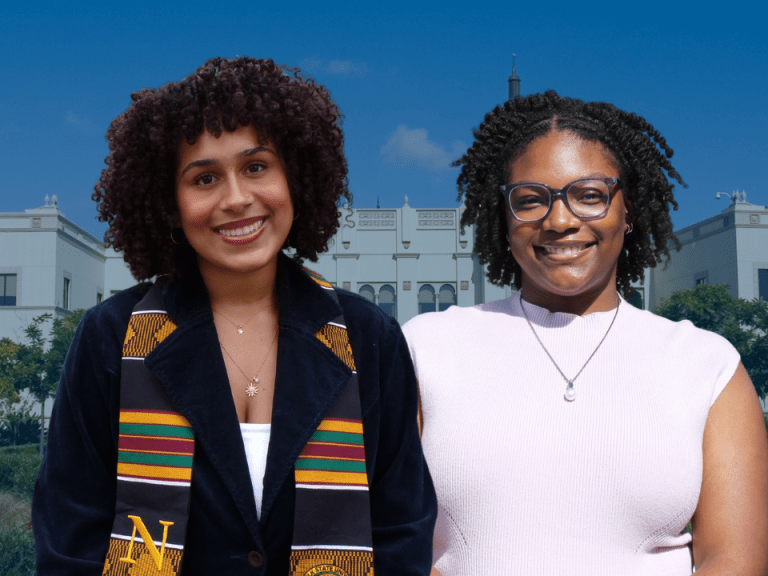
This year, Iyana Gross, a Morgan State University graduate and narrative medicine practitioner from Chicago, entered the Master of Arts in Social Innovation program at the Kroc School. Iyana describes her passion as creating healthcare environments where patients, especially Black women, “feel listened to, protected, and understood.” She says her work as a full-spectrum doula and storyteller helps her “expose the barriers Black families face in healthcare systems and design innovations that center dignity.”
The fellowship supports her project to combine public health, storytelling, and lived experience to reimagine care. Hearing directly from Iyana makes one thing clear: the 2025 HBCU Changemaker Fellows are not just studying ideas—they are building systems of support that reflect HBCU values.
“Conflict resolution is about healing our communities.” — Keeli Mann, Norfolk State
Keeli Mann, a Norfolk State University alumna entering the Master of Science in Conflict Management and Resolution, views this opportunity as a way to strengthen relationships in schools, neighborhoods, and local institutions. “People think conflict is about arguments or people not getting along,” Keeli explains, “but at its core, conflict is about healing, understanding, and changing how we show up for each other.” Her interest in psychology, history, fitness, and community wellness shapes her approach.
For Keeli, being one of the 2025 HBCU Changemaker Fellows is not just a scholarship—it is a responsibility to carry HBCU lessons into peacebuilding spaces where Black perspectives have historically been missing.
Why Student Voice Matters in Promoting Fellowship Opportunities
The client notes that the best way to promote these fellowship opportunities is to let the current HBCU fellows speak for themselves. Their voices offer authenticity that marketing language alone cannot match. In their own words, Iyana and Keeli show future applicants exactly what this program makes possible: mentorship that feels personal, learning environments that make space for Black identity and perspective, and research that directly serves communities.
Hearing from fellows creates a more honest invitation for HBCU students considering postgrad programs. It signals that this fellowship is not just an academic pathway but a lived experience shaped by purpose, support, and shared background. For prospective students at HBCUs nationwide, including Howard University and Morgan State University — see our recent coverage — student storytelling becomes the most effective recruitment strategy.
If you’re an HBCU senior, recent graduate, or alum looking to turn passion into real change, now is the time to explore opportunities like the HBCU Changemaker Fellowship. Learn from students who have already benefitted, hear their stories, and imagine how your voice could shape innovation, conflict resolution, and community impact.
Visit the Kroc School’s HBCU Fellowship resources to review application details, upcoming deadlines, and program benefits, and consider sharing this article with a classmate who’s ready for graduate study rooted in purpose, leadership, and HBCU culture.