

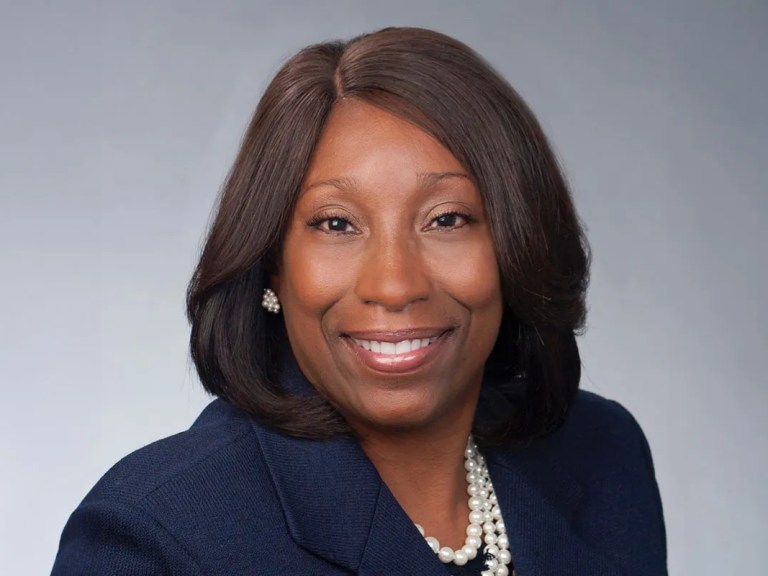
The Debra Mays-Jackson Jackson State settlement closes out one of the messiest chapters in the university’s recent history. On Aug. 25, Mississippi’s college board resolved the federal lawsuit filed by Mays-Jackson, the school’s former vice president and chief of staff, who spent nearly three years arguing she was denied a fair shot at the presidency because she’s a woman.
Terms of the deal aren’t public yet. Mississippi Today has filed a records request to get the actual numbers, but for now, the settlement itself tells you plenty. The Institutions of Higher Learning board fought this case hard, all the way to the Fifth Circuit. Then it folded.
What Mays-Jackson Actually Alleged
Back in November 2023, the IHL board tapped Marcus Thompson to lead Jackson State the same day Mays-Jackson filed suit. She’d applied for the job. Thompson hadn’t — he wasn’t even one of the 79 candidates who submitted applications. Instead, trustees used a policy letting them suspend the search entirely and hand the role to anyone they knew, no application required.
Mays-Jackson said that policy has never once been used to install a woman atop any of Mississippi’s eight public universities. Consequently, she argued the process wasn’t neutral — it was a workaround built to avoid ever hiring a woman for the top job. The IHL never confirmed or denied that pattern when Mississippi Today asked directly.
Her case survived a motion to dismiss, survived an appeal on qualified immunity grounds, and landed back in district court cleared for discovery. That’s usually the point where institutions start calculating what a trial actually costs them. Here, it clearly did.
The Linda Rush Settlement Nobody’s Talking About
This wasn’t an isolated dispute. In June, Jackson State quietly paid $150,000 to settle with Linda Rush, the former interim vice president of enrollment management. Rush had nearly 25 years at the university when Thompson demoted her, then watched a less experienced man, Kylon Alford-Windfield, get the permanent job instead. Sixty days later, Alford-Windfield fired her outright.
Rush was 61 at the time. Her lawsuit named both age and sex discrimination, though a judge trimmed most of her claims before allowing a single sex discrimination count to move forward. Rather than risk that count in front of a jury, the university settled — and as part of the deal, Rush agreed she won’t apply to work at Jackson State or any other IHL-run school again.
Two senior women, two settlements, one common thread: both cases centered on decisions made under Thompson, whose tenure as president lasted barely 18 months before he resigned in May 2025. That timeline alone raises questions HBCU Buzz has been tracking as more details about his administration surface.

Why the Pattern Matters More Than Either Case Alone
Neither settlement includes an admission of wrongdoing, and it’s worth being direct about that: nothing here has been proven in court. Still, when two of the highest-ranking women at the same university, under the same president, both walk away with settlements after alleging sex discrimination, that’s not really deniable as coincidence anymore. It’s a pattern administrators at other HBCUs should be watching closely, especially as boards nationwide face pressure over transparency in presidential searches.
Attorney Lisa Ross represented both Mays-Jackson and Rush. She declined to comment when Mississippi Today reached out, as did lawyers for Thompson, Alford-Windfield, and the university itself. The IHL’s own attorneys didn’t respond to a request for comment either. That kind of unified silence, frankly, tends to speak louder than a statement would have.
For context on the broader institutional turmoil, WJTV’s coverage lays out how both cases unfolded alongside a third lawsuit from former faculty senate chair Dawn Bishop McLin, who alleged a “sham investigation” was used to push her out after she led no-confidence votes against Thompson’s administration.
What Happens Next
Jackson State is currently led by interim president Denise Jones Gregory, who stepped in after Thompson’s resignation. Whoever the IHL eventually hires permanently will inherit a legal history that includes at least three separate discrimination claims filed in under two years — a track record that’s going to follow the school into its next search, whether the board wants it to or not.
The full financial terms of the Mays-Jackson settlement should surface once Mississippi Today’s records request clears. Mississippi Today’s original reporting will likely be the first to confirm the number. Until then, this remains an open question for Jackson State and for HBCU governance more broadly: how many settlements does it take before a pattern gets treated like one?