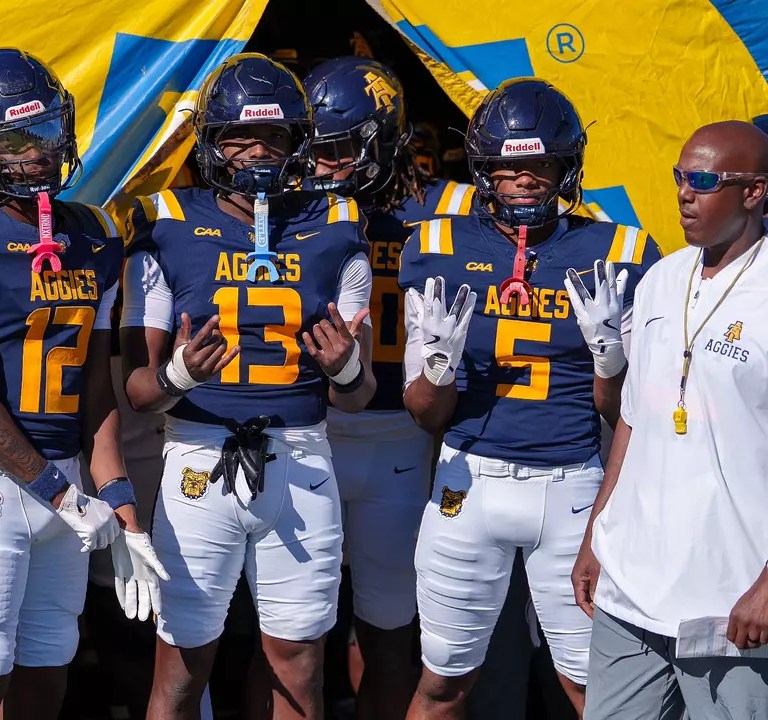

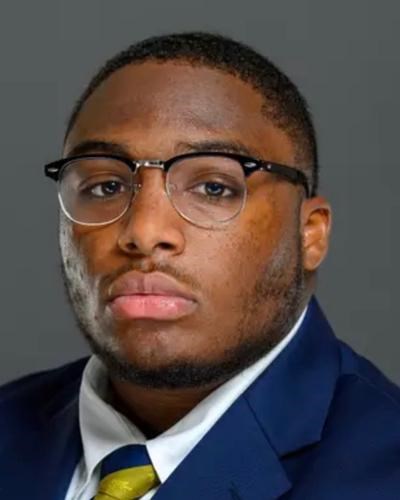
The Kelvin Broadhurst Jr. death has left the North Carolina Agricultural and Technical State University community grieving the loss of a young life that embodied the full spirit of the HBCU experience. What began as a solemn campus announcement has now been followed by additional reporting confirming that Broadhurst, a 20-year-old student-athlete, died in a motorcycle crash in Greensboro, North Carolina on April 11, 2026.
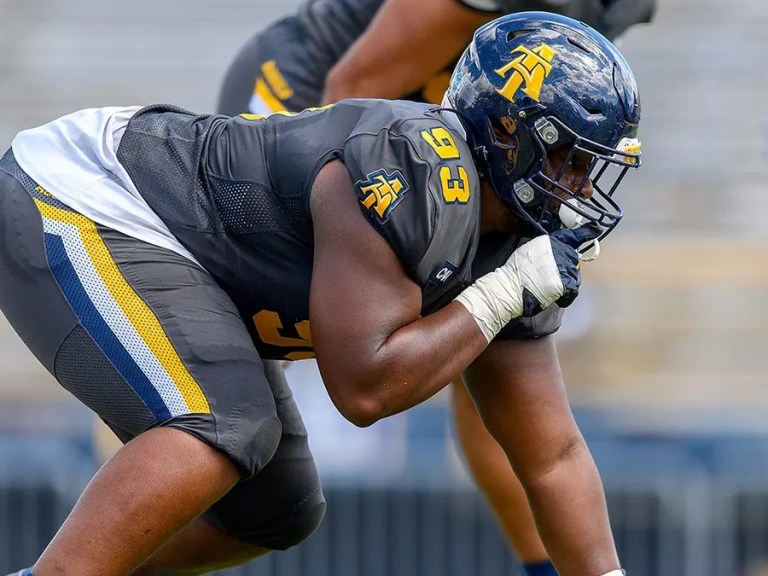
According to the university’s Student Government Association, Broadhurst was an Electrical Engineering major, a defensive lineman on the Aggie football team, and a Spring 2025 initiate of Phi Beta Sigma Fraternity, Inc. His presence stretched across multiple corners of campus life, making his passing one that resonates far beyond a single community.
What happened in the Kelvin Broadhurst Jr. death
Details surrounding the Kelvin Broadhurst Jr. death have since been reported by local outlets, providing more clarity on the tragic incident. Broadhurst was riding a motorcycle on Interstate 40 East, approaching the ramp to U.S. 29 South in Greensboro, when he reportedly lost control of the bike and struck a guardrail. He was ejected from the motorcycle and pronounced dead at the scene.
Authorities confirmed that the crash remains under investigation, and no additional contributing factors have been officially released. The initial statement from North Carolina A&T did not include details about the cause of death, which led to widespread concern and speculation across social media before verified information became available.
Situations like this highlight how quickly news travels within the HBCU community—and how important it is for accurate reporting to follow just as fast.
More than a football player at North Carolina A&T
The Kelvin Broadhurst Jr. death is being felt deeply because of who he was beyond the headlines. At North Carolina A&T, Broadhurst represented the intersection of academics, athletics, and brotherhood that defines so many HBCU experiences.
As a student-athlete, he contributed to the Aggie football program as a defensive lineman, building relationships with teammates through the daily grind of practices, games, and team culture. Reports indicate he appeared in multiple games during his time with the program, steadily developing his role on the field.
In the classroom, he was working toward a degree in Electrical Engineering, a discipline that reflects both rigor and ambition. Balancing that academic path with athletics is no small task, and it speaks to the level of discipline he carried during his time on campus.
His impact extended even further through his membership in Phi Beta Sigma Fraternity, Inc., where he became part of a lifelong brotherhood. At HBCUs, Greek life is not just an extracurricular—it is a cultural pillar. That connection means his loss is being felt just as strongly among fraternity brothers as it is among teammates and classmates.
Aggie community responds to the loss
In its official statement, the Student Government Association expressed “sincere sorrow” and extended condolences to Broadhurst’s family, friends, teammates, and fraternity brothers. The message also encouraged the Aggie community to come together during a moment that has left many searching for answers and support.
The university made counseling and psychological services available to students, reinforcing the importance of mental health resources in times of grief. The statement also included emergency support contacts, signaling a proactive approach to ensuring students have access to help if they need it.
A memorial gathering was held at Harrison Auditorium, offering students, faculty, and staff a space to reflect, honor Broadhurst’s life, and lean on one another. At HBCUs, moments like this often become collective experiences, where grief is shared openly and community support becomes central to healing.
The Kelvin Broadhurst Jr. death underscores something deeper about HBCU culture—these campuses are often described as tight-knit communities where relationships extend far beyond the classroom.
At institutions like North Carolina A&T, it is common for students to wear multiple hats. A single individual can be an athlete, a scholar, a fraternity member, a leader, and a friend to many different groups at once. That layered presence means that when one life is lost, the impact is not isolated—it ripples across the entire campus ecosystem.
For student-athletes, that connection is even stronger. Teams function as families, built on trust, accountability, and shared experiences. Losing a teammate is not just about losing someone on the roster; it is about losing someone who was part of everyday life.
The same can be said for Greek life. Brotherhood and sisterhood within organizations like Phi Beta Sigma create bonds that extend well beyond graduation. Those connections make moments like this especially difficult, as members process the loss together.
Remembering Kelvin Broadhurst Jr.’s legacy
While the circumstances of the Kelvin Broadhurst Jr. death have now become clearer, the focus for the Aggie community is shifting toward remembrance and legacy.
At just 20 years old, Broadhurst was still in the process of building his future—academically, athletically, and personally. His journey reflected the ambition and drive seen in so many HBCU students who are working to carve out paths for themselves while contributing to their communities.
Now, that story becomes one carried forward by those who knew him. Teammates will remember the work ethic. Classmates will remember the shared experiences. Fraternity brothers will remember the bond. And the broader Aggie community will remember a life that made an impact in a short amount of time.
The Kelvin Broadhurst Jr. death is a reminder of how fragile life can be—and how important it is for communities to come together in moments of loss. As North Carolina A&T continues to grieve, the legacy of one of its own will remain woven into the fabric of the university.