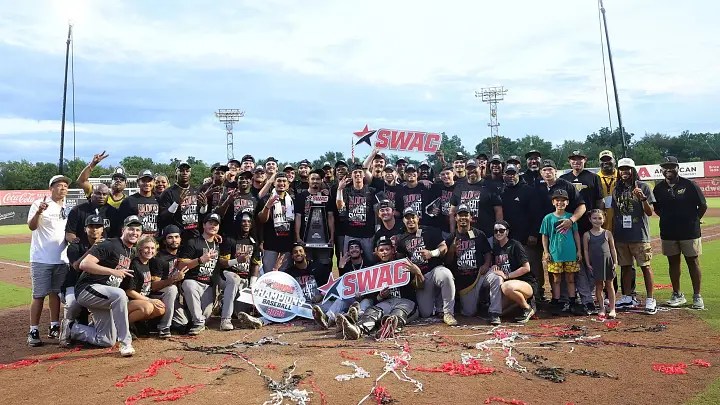

SWAC non-NCAA football games are on the way out, and that is a real shift for HBCU football. SWAC commissioner Charles McClelland said the league’s 12 member schools voted to stop scheduling nonconference football games against teams outside NCAA Division I and Division II starting in 2027. He shared that update during a SWAC TV broadcast of the conference golf championship, and he made the conference’s thinking clear. The league wants games that matter more, look stronger, and give fans a better product each fall.
Why the SWAC made this call
This move is about competition, but it is also about image. McClelland said the membership came together around the idea and that athletic directors backed it as the best path forward. He also said the change should create more competitive games for both teams and fans. That matters because the SWAC already carries huge weight in the larger [HBCU football] conversation, even when the conference itself is not always framed that way in national coverage. When the SWAC adjusts its scheduling model, it sends a message about how seriously the league wants its football brand to be taken.
For years, these games served a purpose. They helped schools fill out schedules. They gave programs home dates. In some cases, they likely gave teams a good shot at a comfortable win. But they also created games that often felt uneven before kickoff. That is the part the conference now seems ready to leave behind. McClelland said the SWAC will no longer play games that do not count, which tells you a lot about how league leadership sees these matchups. The goal now is not just to play a full schedule. The goal is to play a stronger one.
SWAC non-NCAA football games still appear on 2026 schedules
This policy does not hit right away. Reports say the 2026 season will still include a few of these matchups. HBCU Gameday and the Pine Bluff Commercial both reported that Bethune-Cookman is set to host Virginia University of Lynchburg, Southern is set to host Louisiana Christian, and Alcorn State is set to host Arkansas Baptist in 2026. Those reports also said the Bethune-Cookman and Alcorn State games are expected to serve as homecoming matchups. So while the door is closing, it has not closed yet.
That detail matters because homecoming at an HBCU is never just about football. It is about alumni, bands, student energy, campus pride, and a full weekend economy around one game. Schools have often used overmatched opponents to create a safer football setting for that kind of celebration. The coming change may force programs to rethink that formula. They may have to choose between a likely win and a stronger opponent. That shift could make homecoming games more competitive, but it could also add more risk to weekends that schools count on to feel big and successful. That tension will be worth watching. This is an inference based on how those games have functioned, not a stated SWAC policy goal.
The scores show why the conference wants change
The recent results help explain the decision. HBCU Gameday and the Pine Bluff Commercial both pointed to several one-sided results involving SWAC teams and non-NCAA opponents. Arkansas-Pine Bluff beat Lincoln University of California and Westgate Christian in 2025. In 2024, UAPB also beat Arkansas Baptist by a wide margin. Other SWAC schools also rolled through similar matchups. Alcorn State, Mississippi Valley State, and Prairie View A&M each faced Lincoln last season. Texas Southern beat Virginia University of Lynchburg. Grambling State beat Langston. These were not close games.
That matters for more than optics. Blowouts do not always sharpen a team before conference play. They can hide problems. They can also make the overall product feel weaker to fans who expect better football. If the SWAC wants stronger September storylines, better nonconference tests, and more serious game-day value, cutting these matchups makes sense. McClelland said the change should help teams and fans alike, and that simple point may be the heart of this whole move. Better games should produce a better conference product.
What this means for the SWAC brand
The SWAC is not a small conference in the HBCU sports world. It is one of the most visible football brands in Black college sports, and Charles McClelland has led a 12-member conference since 2018. When a league with that kind of profile makes a scheduling change, other people notice. The move suggests the SWAC wants its nonconference slate to look more serious and more aligned with the level of attention the conference already gets.
There is also a wider effect here. Some smaller schools outside the NCAA structure have used games against SWAC teams for exposure, revenue, or access to bigger stages. If those games disappear after 2026, those programs may need to find new paths. That does not make the SWAC wrong. It just means the choice could ripple beyond one conference. Still, the SWAC seems comfortable with that tradeoff. League leaders appear to believe the long-term value of stronger football Saturdays matters more.
A clear message for 2027 and beyond
This is why the story matters. SWAC non-NCAA football games were never just filler on a schedule. They reflected an older way of thinking about how to build a season. Now the conference wants something else. It wants matchups with more structure, more competition, and more value for the people who support the league every fall. McClelland said a formal announcement should come later, but the direction already looks clear. Starting in 2027, the SWAC wants its football calendar to better match the level of pride, pressure, and visibility that already surround the conference.