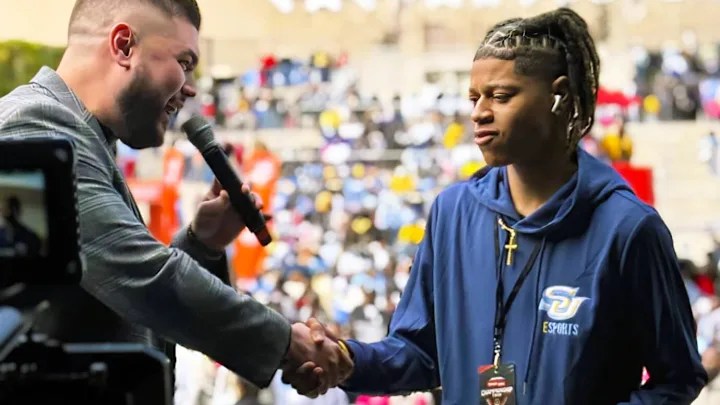
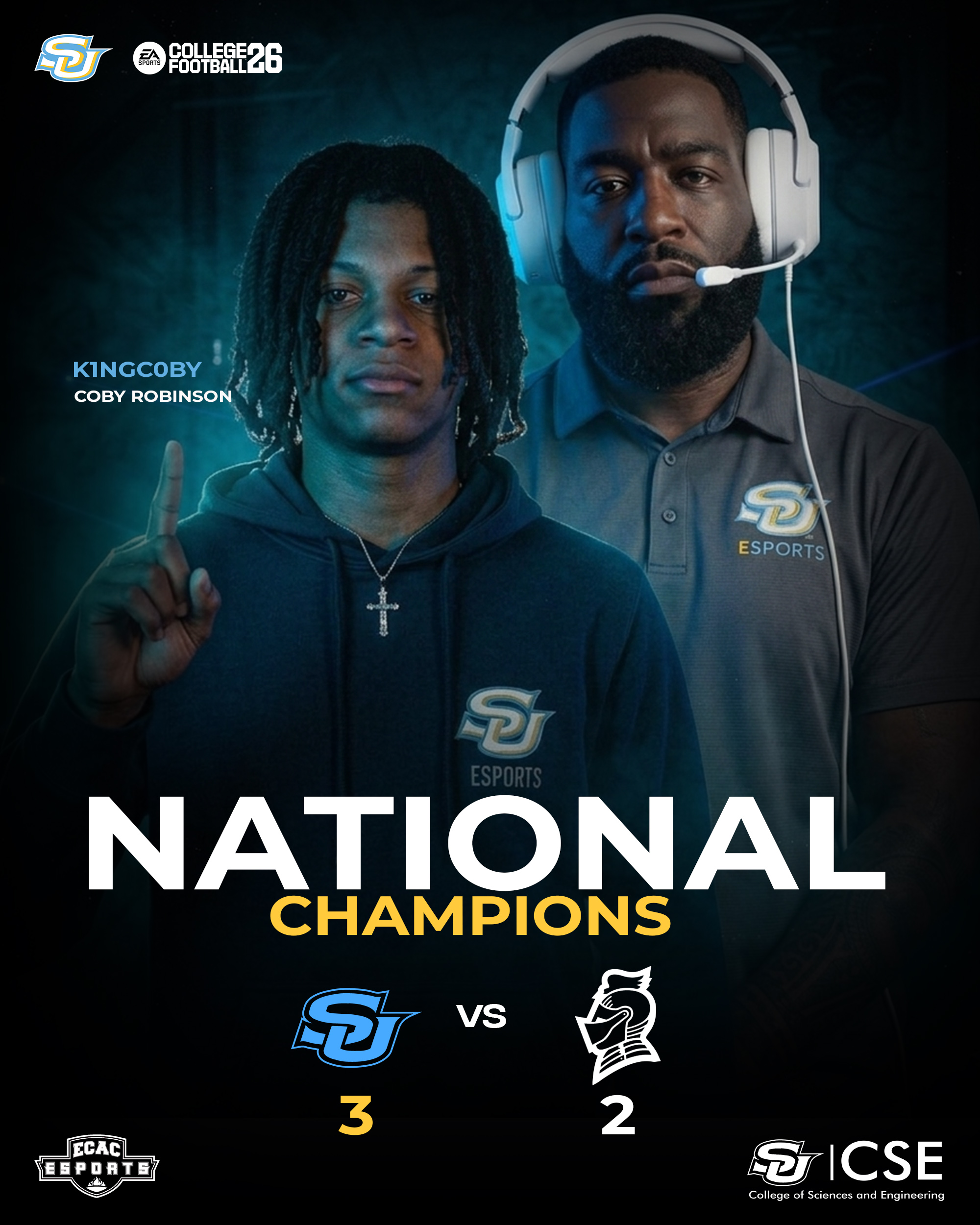
The Southern University esports championship is a historic moment for HBCU athletics, gaming, and STEM culture. Southern University became the first historically Black college or university to win a Division II title in collegiate esports after claiming the Eastern College Athletic Conference EA Sports College Football National Championship. The title was secured by Coby Robinson, a sophomore computer science major known in competition as “K1ngC0by,” who helped bring a national championship back to Baton Rouge and placed Southern’s esports program in the national spotlight.
Southern University Esports Championship Marks A First For HBCUs
Southern’s win is more than another trophy. It is a major first for HBCU esports and a sign of where Black colleges can lead next. The championship came through the Eastern College Athletic Conference, where Southern competed in EA Sports College Football against a national field of Division II programs.
Robinson faced Bellarmine University in a best-of-five championship series. The matchup went the distance and forced a deciding Game 5. Robinson closed the series with a 38-29 victory, giving Southern a 3-2 win and the national title. In the final game, he used Texas to defeat an opponent playing as Oregon.
That pressure-filled finish turned the Southern University esports championship into a defining moment. Southern had already made history by reaching the title stage. Winning it moved the story from a breakthrough to a legacy moment.
Coby Robinson Delivered When It Mattered Most
Robinson entered the championship as one of the key faces of Southern’s growing esports program. A sophomore computer science major, he showed the focus and calm needed to compete at a high level.
After the win, Robinson called the moment a dream come true. He said he felt “happy and accomplished” and added that continuing to dominate and make history showed him that he belonged. That quote says a lot about the deeper meaning of this victory. For Robinson, the win was not only about the game. It was also about belief, confidence, and proof.
Those traits matter in esports. Competitive gaming requires more than fast hands. Players must read opponents, adjust strategy, manage momentum, and stay locked in when one mistake can change everything. Robinson did that with a championship on the line.
His win also gives HBCU students another example of what competitive gaming can become when schools invest in the right spaces, coaching, and support. For many students, esports is not just entertainment. It can connect to game design, broadcasting, cybersecurity, computer science, sports management, media production, and business.
Southern’s EDGE Program Is Building Something Bigger
Southern’s rise did not happen by accident. The school has been building its esports presence through the Southern University Esports Digital Gaming Ecosystem, also known as EDGE. The program gives students a place to compete, train, learn, and connect gaming with academic and career growth.
Christopher Turner, director and head coach of Southern University EDGE, called the win a “monumental moment” for Southern and the larger HBCU landscape. He also credited the victory as a true team effort, built around commitment to the plan.
That part matters. Even though Robinson secured the title, esports programs need structure behind the scenes. Coaches, alumni, graduate students, partners, and student leaders all help create the kind of environment where players can grow. Southern’s official release also recognized contributors to the team’s preparation, including program alumnus Mahcoe Edwards, Alabama A&M graduate student Jaeveon Jordan, and Civ, owner of Civil.gg.
The championship reflects what happens when an HBCU treats esports as a serious part of the student experience. It gives students a place to compete, but it also gives them access to a fast-growing digital industry.
Why This Win Matters Beyond Gaming
The Southern University esports championship matters because it challenges narrow ideas about what HBCU athletics can be. For decades, HBCU sports culture has centered heavily on football, basketball, marching bands, classics, rivalries, and homecoming. Those traditions remain powerful. But esports adds another lane.
Competitive gaming brings together strategy, technology, leadership, production, and community. It also reaches students who may not see themselves in traditional varsity sports but still want to represent their school at a high level.
That is why this title feels bigger than one player or one match. Southern’s win gives HBCU esports more visibility. It also gives students across the country a reason to see gaming as part of the Black college experience.
For HBCUs, esports can open doors to new scholarships, labs, partnerships, academic programs, and career pipelines. Gaming already connects to major industries, including entertainment, software development, live event production, content creation, and streaming. Southern’s championship shows that HBCU students are not just watching those spaces grow. They are competing in them and winning.
Southern Is Expanding Its Digital Future
Southern University has long held a powerful place in HBCU culture. From football Saturdays to the Human Jukebox, the Baton Rouge campus understands the power of school pride, competition, and community. Now, esports has added a new chapter.
The title also connects with Southern’s larger push in STEM and innovation. The university has continued to invest in science, technology, engineering, and related fields, including its work on a new $68 million STEM complex. That kind of growth helps show why esports belongs in the broader conversation about HBCU advancement.
Gaming is not separate from the future of work. It sits inside the same world as technology, media, data, content, design, and entrepreneurship. When HBCUs build strong esports programs, they are not only creating competition teams. They are building new entry points into the digital economy.
Southern’s championship proves that students can lead in that space right now.
A New Standard For HBCU Esports
The Southern University esports championship should not be viewed as an ending. It should be seen as a signal. More HBCUs are building esports labs, launching teams, and finding ways to connect gaming with academics and career development.
Southern just gave the movement a national title moment.
With Robinson’s championship performance, the Jaguars made history and raised the standard for what HBCU esports can become. The win gives Southern fans another reason to celebrate. It also gives future student-gamers a new example to follow.
For Robinson, the victory places him in HBCU history. For Southern, it validates the investment in esports. For the larger HBCU community, it proves that Black colleges can compete in new spaces while still carrying the culture that makes them special.
Southern University did more than win a game. It made HBCU history, expanded the meaning of college athletics, and showed the next wave of gamers that there is room for them on the national stage.