
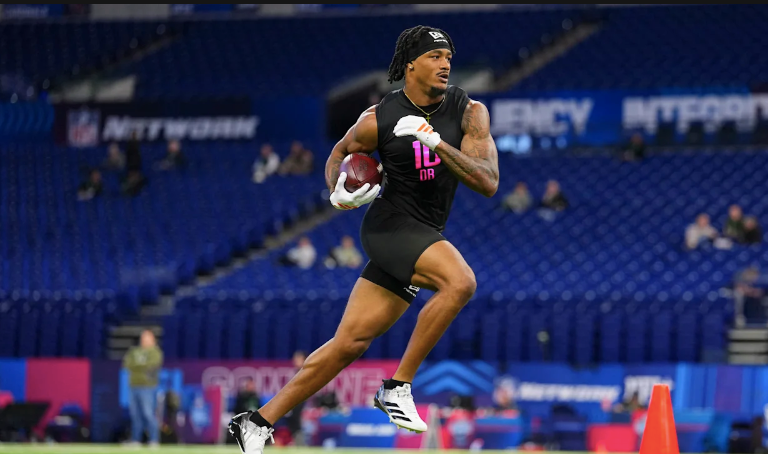
Former HBCU cornerbacks selected in the 2026 NFL Draft gave Black college football another reason to celebrate, even as the larger draft conversation raised questions about the current HBCU-to-NFL pipeline. Karon Prunty, who previously played at North Carolina A&T before finishing his career at Wake Forest, was selected by the New England Patriots in the fifth round. Andre Fuller, who began his college career at Arkansas-Pine Bluff before transferring to Toledo, was selected by the Seattle Seahawks in the seventh round. Their selections showed how HBCU programs continue to identify and develop pro-level talent, even when players later move through the transfer portal.
Former HBCU Cornerbacks Selected After Transfer Journeys
The two cornerbacks took different roads to the NFL, but both paths included important stops at HBCUs. Prunty played at Kansas before transferring to North Carolina A&T. He later finished his college career at Wake Forest, where he became an All-ACC defensive back and improved his draft stock.
The New England Patriots selected Prunty with the No. 171 overall pick. The pick came in the fifth round, giving him a chance to compete for a spot in one of the NFL’s most visible defensive systems.
Fuller’s journey started at Arkansas-Pine Bluff. He later transferred to Toledo, where he became one of the top defensive backs in the Mid-American Conference. The Seattle Seahawks selected Fuller with the No. 236 overall pick in the seventh round.
Both players left HBCU programs before the end of their college careers. Still, their stories remain connected to HBCU football. Their development, early reps, and first major college opportunities came through Black college programs that helped put them on the path.
Karon Prunty Gives North Carolina A&T Another NFL Connection
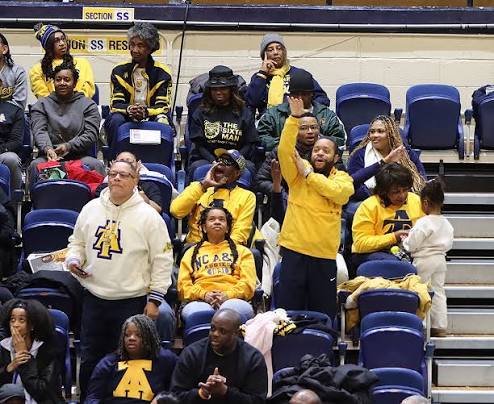
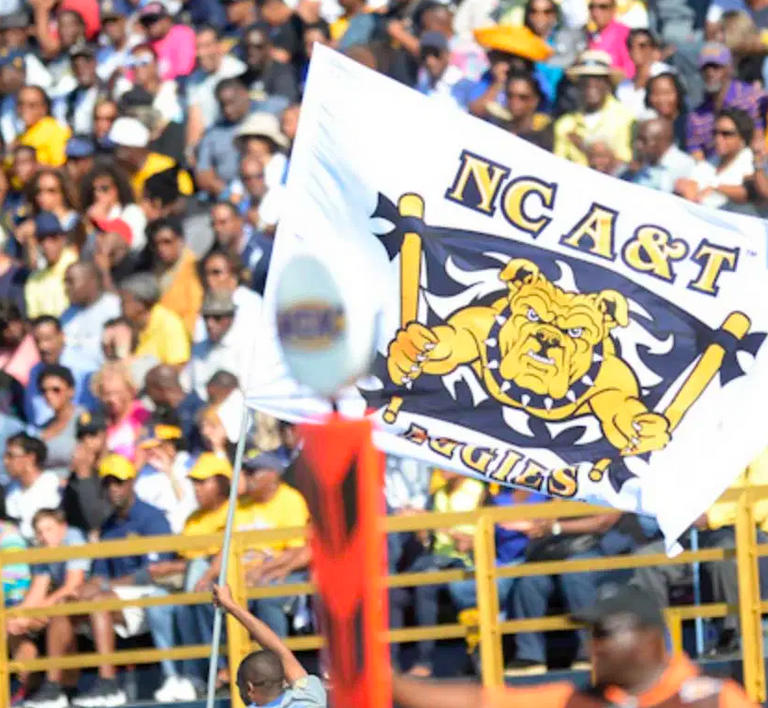
Prunty’s selection adds another pro connection to North Carolina A&T’s football story. The Aggies have built one of the strongest brands in HBCU athletics, especially across football and track and field. Prunty’s time in Greensboro gave him a place to reset and grow after starting his college career at Kansas.
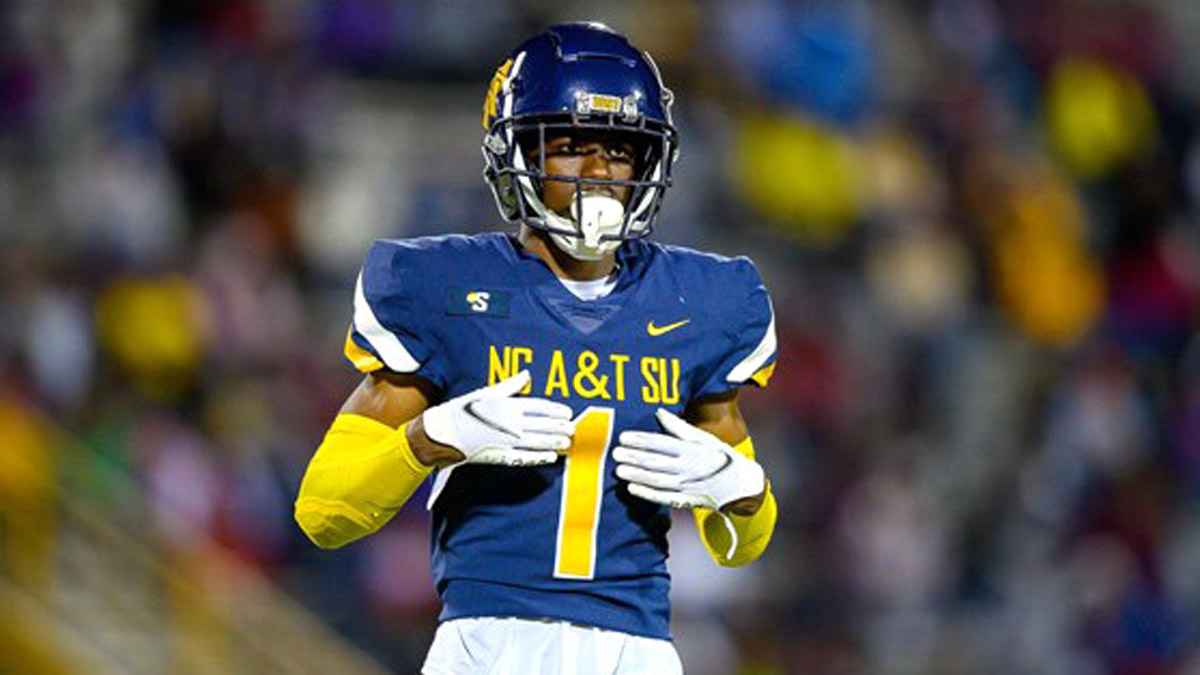
At Wake Forest, Prunty put together the kind of final season that forced NFL teams to take a closer look. He recorded 40 tackles, one interception, and eight pass breakups during the 2025 season. He also earned third-team All-ACC honors.
His full college career showed steady production. According to the Patriots, Prunty played in 55 games, all starts, and totaled 166 tackles, three sacks, seven interceptions, 30 passes defended, two forced fumbles, and one fumble recovery.
That experience matters. NFL teams value cornerbacks who have seen different systems, lined up against strong competition, and played a high number of snaps. Prunty checks those boxes. His path may not have been simple, but it gave him a wide view of college football.
Andre Fuller Turns UAPB Start Into Seahawks Opportunity
Fuller’s selection also gives Arkansas-Pine Bluff a reason to celebrate. He arrived at UAPB during the 2021 spring season and played a role in the Golden Lions’ run to the SWAC championship game. He later became one of the top defensive backs in the conference.
During his breakout season at UAPB, Fuller led the SWAC with 17 passes defended. He also added three interceptions, 29 total tackles, three tackles for loss, and one sack. That production showed his ball skills and coverage ability early.
After transferring to Toledo, Fuller kept building. He missed the 2023 season because of injury, but returned and became a first-team All-MAC selection. Toledo also noted that Fuller became the second Rocket defensive back selected in the 2026 NFL Draft.
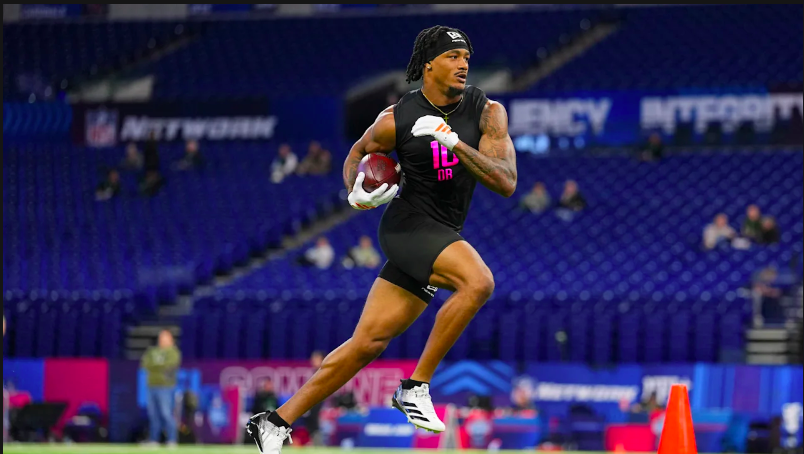
The Seahawks drafted Fuller into a franchise that values length, toughness, and competition in the secondary. That makes his fit interesting. Seattle has a long history of developing defensive backs, and Fuller will now get a chance to prove he belongs at the next level.
The Transfer Portal Complicates The HBCU Draft Conversation
The former HBCU cornerbacks selected in the 2026 NFL Draft also highlight a complicated reality. HBCU programs are producing talent, but some of that talent is finishing elsewhere.
That matters because draft counts often focus only on where a player ended his college career. Under that view, HBCU representation can look smaller than the actual development story. Prunty and Fuller are examples of players who passed through HBCU programs and later became NFL draft picks after moving to FBS schools.
This does not erase the need for more players to be drafted directly from HBCUs. It does show that HBCU football remains part of the talent pipeline. Coaches at these schools are finding players, giving them reps, and helping them grow. The transfer portal has changed how those stories are tracked.
For HBCUs, the challenge is bigger than talent. Schools also need more scouting visibility, stronger pro-day platforms, more NIL support, and better retention tools. When top players leave, it can help their individual careers. It can also make it harder for HBCU programs to receive full credit for their development.
No Players Finished At HBCUs And Got Drafted
The positive news around Prunty and Fuller comes with a harder truth. No player who finished his college career at an HBCU was selected in the 2026 NFL Draft, according to The Sporting News. That continues a concern for HBCU football fans who want to see more direct draft representation.
HBCUs have produced some of the greatest players in NFL history. Jerry Rice, Walter Payton, Michael Strahan, Shannon Sharpe, and many others helped build the league’s legacy. That history still matters, but the modern draft process has become more competitive and more data-driven.
Scouts want film against top competition. They want verified testing. They want medical reports, pro-day numbers, all-star game reps, and clean projection. HBCU players can meet those standards, but they need more consistent access to the same evaluation pipeline.
That is why the success of former HBCU players like Prunty and Fuller matters. Their stories show that NFL talent is still passing through HBCUs. The next step is making sure more of that talent can stay, shine, and still hear its name called.
HBCU Development Still Deserves Credit
There is a simple takeaway from this draft: HBCU programs helped two cornerbacks reach the NFL. That should not get lost because both players transferred.
North Carolina A&T and Arkansas-Pine Bluff were part of their growth. Those programs gave them snaps, coaching, confidence, and opportunity. In college football, early opportunity can shape everything. It can help a player build film, find rhythm, and prove he can compete.
HBCU Buzz has continued to cover the broader HBCU football pipeline because these stories matter. Draft picks are not the only measure of program success, but they do carry weight. They affect recruiting, visibility, alumni pride, and national perception.
Prunty and Fuller now enter the NFL with different expectations. Prunty, as a fifth-round pick, may get a stronger early chance to compete for defensive depth. Fuller, as a seventh-round pick, will likely need to stand out on special teams and in camp. Both have the same goal: make the roster and prove they belong.
A Draft Moment With A Bigger Message
The former HBCU cornerbacks selected in the 2026 NFL Draft represent both progress and urgency. Their selections prove that HBCU-connected talent can still reach the league. They also remind fans that the path is not always direct.
For Prunty, the road went from Kansas to North Carolina A&T to Wake Forest to New England. For Fuller, it went from Arkansas-Pine Bluff to Toledo to Seattle. Both players carried pieces of their HBCU journeys with them.
Now, they have a chance to turn draft weekend into long-term NFL careers.
For HBCU football, their stories should spark a bigger conversation. The talent is there. The development is there. The next goal is making sure more players can complete that journey while finishing at HBCUs and still receive the same NFL attention.