Two new arrests in the SC State University shooting cases are bringing the HBCU community closer to answers — but the pain of these losses has not faded.
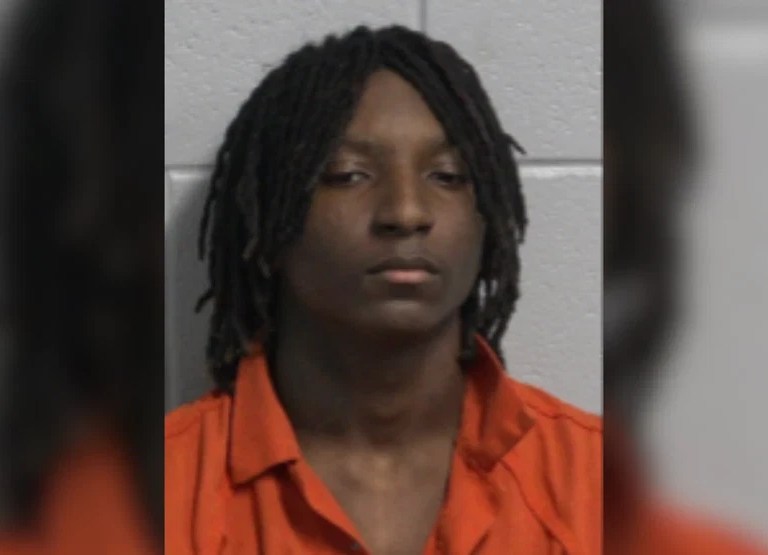
South Carolina’s State Law Enforcement Division announced on July 15, 2026, the arrests of Deon David Savage, 19, and Khamanti Lytrel Kennedy, 18, in connection with two separate fatal shootings at South Carolina State University in Orangeburg. Moreover, SLED had previously arrested Darrell Lee Gross Jr. on May 28 in connection with the October shooting. Together, these three arrests represent the most significant law enforcement action taken since gun violence struck the historically Black campus twice within five months — once in October 2025 and again in February 2026.
What Happened on October 4, 2025
The first incident took place outside the Hugine Suites dormitories on SC State’s campus during the fall semester.
Arrest warrants allege that Gross pointed and fired a gun into a crowd in the parking lot outside Hugine Suites on October 4, 2025. Furthermore, warrants allege that Savage also presented and recklessly discharged a firearm into that same crowd on the same day. One woman was killed in the shooting. Both Gross and Savage now face charges including possession of a firearm on school property, breach of peace (aggravated in nature), and pointing a firearm at a person. The charges against both men are allegations. Neither has been convicted.
What Happened on February 17, 2026
The second incident struck the same campus just over four months later — and the results were even more devastating.
SLED arrest warrants allege that Kennedy arrived on SC State’s campus on February 12, 2026, with three other people in his vehicle. Surveillance footage showed Kennedy and the group entering Hugine Suites together and later leaving before returning to the building. Three people were shot inside shortly afterward. Two of them died.
Investigators allege the incident began with the purchase of a “green leafy substance” that led to an attempted armed robbery and the subsequent shooting. Additionally, surveillance video shows Kennedy allegedly fleeing the scene on foot in the moments after the shooting. Kennedy now faces a charge of murder. That charge is an allegation. He has not been convicted.
A Campus That Has Carried Enormous Weight
The two shootings at SC State University represent something the HBCU community should not have to absorb — but has. Three people killed. One injured. Two separate incidents at the same dormitory complex within five months. A campus community forced to grieve, process, and show up for classes while investigations slowly moved forward.
SC State, founded in 1896, is the only public HBCU in South Carolina. The university serves nearly 3,000 students and sits in Orangeburg — a city that has carried its own weight of racial and historical trauma for generations. Consequently, the impact of these shootings extends beyond any criminal case. They land inside a community that has always been asked to do more with less and that now must also hold space for grief and anger alongside the daily work of education.
Gun violence on HBCU campuses is not new. Moreover, it is not unique to SC State. However, each incident demands the same response — transparency, accountability, and a community that refuses to let victims be reduced to statistics in a criminal docket.
What the SLED Investigations Show
The progression of arrests in both cases reflects a methodical investigative approach from SLED. Gross was arrested first, on May 28, in connection with the October shooting. Now, roughly six weeks later, Savage’s arrest closes another piece of that case. Meanwhile, Kennedy’s arrest ties the February incident to a specific individual and a specific chain of events that investigators say began with a drug transaction gone wrong.
All three arrests involve charges that are allegations under the law. All three defendants are presumed innocent until proven guilty. The cases will now move through the South Carolina court system.
What the SC State Community Deserves
Three arrests do not bring back three lives. They do not undo the fear that settled over the Hugine Suites parking lot, or the grief that followed the February shooting, or the sense of vulnerability that students felt returning to campus after each incident.
What these arrests do provide is a measure of accountability — and a signal that investigators have not moved on from what happened at SC State. The HBCU community deserves both justice and safety. South Carolina State University deserves both. Furthermore, the families of the three people who lost their lives deserve every legal process to run its full course.
Those families are still waiting. So is SC State.