Imani Thomas Livingstone College is a new name to watch in HBCU athletics. Thomas, the daughter of former NBA veteran Etan Thomas, has committed to continue her volleyball career at Livingstone College, giving the Blue Bears another young athlete with talent, name recognition, and a story of resilience. The Bowie, Maryland native is set to join Livingstone College volleyball after finishing her high school career at Bishop McNamara High School, where she stood out on the varsity level.
Imani Thomas Livingstone College Commitment Brings DMV Talent To Salisbury
Livingstone’s volleyball program welcomed Thomas to “Blue Bear Nation” as an incoming freshman opposite. The program highlighted her as a dynamic addition to the roster and noted her ties to Bowie, Maryland, a city that sits in the heart of the DMV’s strong youth sports pipeline.
For Livingstone College, this commitment gives the program a player who brings more than a familiar last name. Thomas arrives with experience, toughness, and a clear path of growth. She also joins an HBCU athletics community where family legacy, personal identity, and opportunity often meet in meaningful ways.
The Imani Thomas Livingstone College commitment also adds another layer to the growing conversation around HBCU sports. In recent years, more athletes with well-known family names have considered HBCUs as serious college destinations. These decisions matter because they help expand visibility for programs that have always developed talent but have not always received the same national attention as larger schools.
A Resilient Road To College Volleyball
Thomas’ journey to Livingstone did not come without a setback. Her father shared that she dealt with shin splints during the 2025 travel volleyball season. That injury later developed into a stress fracture, forcing her family to make a tough choice.
Instead of pushing through pain for short-term exposure, they focused on her long-term health. That meant stepping back from key moments, including camps and events that often help high school athletes get seen by college programs. For a young player chasing the next level, that kind of pause can feel painful. It can also test confidence.
Still, Thomas stayed with the process. She worked her way back, returned to training, and now has a college volleyball opportunity in front of her. That part of her story gives this commitment more weight. Livingstone is not just adding an athlete with a recognizable father. The Blue Bears are adding a player who already knows what it means to recover, reset, and keep going.
Etan Thomas’ NBA Legacy Adds Context
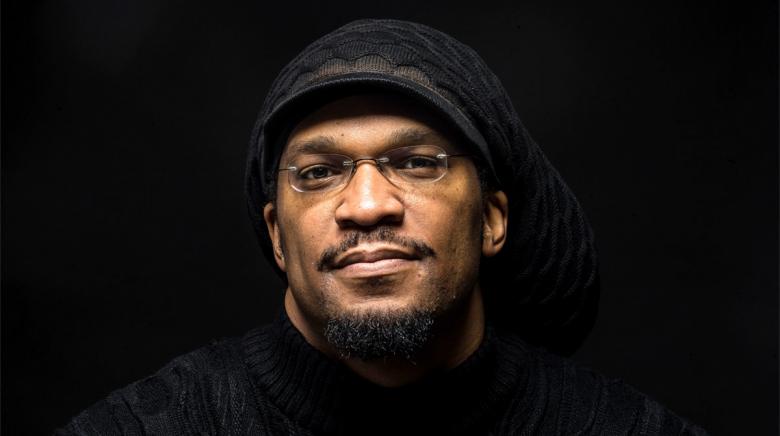
Imani’s father, Etan Thomas, built a long basketball career after starring at Syracuse. He was selected in the first round of the 2000 NBA Draft with the 12th overall pick by the Dallas Mavericks. He later played for the Washington Wizards, Oklahoma City Thunder, and Atlanta Hawks.
Across his NBA career, Thomas averaged 5.7 points and 4.7 rebounds per game. He became known as a physical frontcourt player, but his life after basketball has also shaped his public image. Thomas has remained visible as an author, speaker, commentator, and advocate on social issues.
That background makes Imani’s college choice even more interesting. She is not following her father into basketball, and she does not need to. She is creating her own lane through volleyball. Her decision to attend an HBCU connects her athletic journey to a broader cultural story, but it still centers her own work.
Livingstone Continues To Build Its Athletic Story
Livingstone College has a deep place in Black college history. The Salisbury, North Carolina school is tied to one of the most important moments in HBCU athletics: the first Black college football game, played in 1892 between Livingstone and what is now Johnson C. Smith University.
That history gives Livingstone a strong foundation. Today, the Blue Bears compete in the CIAA and continue to represent a proud HBCU sports tradition. The volleyball program now has a chance to bring Thomas into that environment and help her grow as a student-athlete.
For smaller HBCU programs, signings like this can help create momentum. They give fans a reason to pay closer attention. They also remind recruits that HBCUs can offer real athletic opportunities, strong community support, and a chance to be part of something bigger than a roster spot.
Livingstone has also made moves beyond athletics in recent years. The college has taken steps toward expanding its academic profile, including previous work toward graduate-level offerings, a development HBCU Buzz covered as part of Livingstone’s growth. That larger institutional progress helps frame why commitments like Thomas’ matter. Student-athletes are choosing schools that offer both culture and direction.
Why This Commitment Matters For HBCU Volleyball
HBCU volleyball deserves more attention. Football and basketball often dominate the conversation, but volleyball programs across HBCU conferences continue to develop competitive athletes and strong team cultures.
Thomas’ commitment gives fans another reason to look at the sport. Her story brings together a few strong elements: a DMV athlete, a former NBA family connection, a comeback from injury, and a college choice rooted in HBCU culture. That combination can help introduce more people to Livingstone volleyball and the larger world of HBCU women’s sports.
It also matters because young Black women athletes deserve fuller coverage. Their stories should not only appear when they win championships or go viral. Their signing moments, recovery stories, and college choices are part of the larger HBCU sports ecosystem.
A New Chapter For Imani Thomas
The Imani Thomas Livingstone College commitment marks the start of a new chapter. She will enter college with a story that already includes pressure, patience, and perseverance. Now, she gets to build the next part of that story at an HBCU.
For Livingstone, the signing brings fresh energy to the volleyball program. For Thomas, it offers a platform to grow on her own terms. And for HBCU sports fans, it is another reminder that talent continues to choose Black colleges for reasons that go beyond headlines.
Thomas will have the chance to prove herself on the court. But before her first college match, her journey already says something important: the HBCU path remains a powerful choice for athletes who want opportunity, identity, and community in one place.