
A major push for HBCU research power
A new HBCU research coalition is bringing 15 historically Black colleges and universities together to expand research power, increase federal funding opportunities, and push more HBCUs toward the nation’s top research classification.
The coalition, called the Association of HBCU Research Institutions, officially launched on April 29 with a mission to accelerate world-class research, strengthen institutional capacity, and elevate HBCU leadership in solving major national and global challenges. The organization is also known as AHRI.
This launch marks a major step for HBCUs that have long produced important research while often receiving less national recognition and fewer resources than larger research universities. AHRI aims to change that by creating a shared platform for collaboration, policy influence, faculty recruitment, student research access, and stronger funding opportunities.
The 15 HBCUs in the coalition
Founding members include some of the country’s most active HBCU research institutions. The group includes Howard University, Morgan State University, Clark Atlanta University, Delaware State University, Florida A&M University, Hampton University, Jackson State University, North Carolina A&T State University, Prairie View A&M University, South Carolina State University, Southern University, Tennessee State University, Texas Southern University, University of Maryland Eastern Shore, and Virginia State University.
Howard is currently the only HBCU with Research One status, the highest Carnegie research classification. The other institutions include many R2 schools, which are already recognized for high research activity. Together, AHRI members account for 50% of competitively awarded federal research funding among HBCUs.
That number is important. It shows that HBCU research power is not small. It is concentrated, active, and already shaping work in health, science, education, justice reform, economic development, technology, and public policy.
Why the HBCU research coalition matters
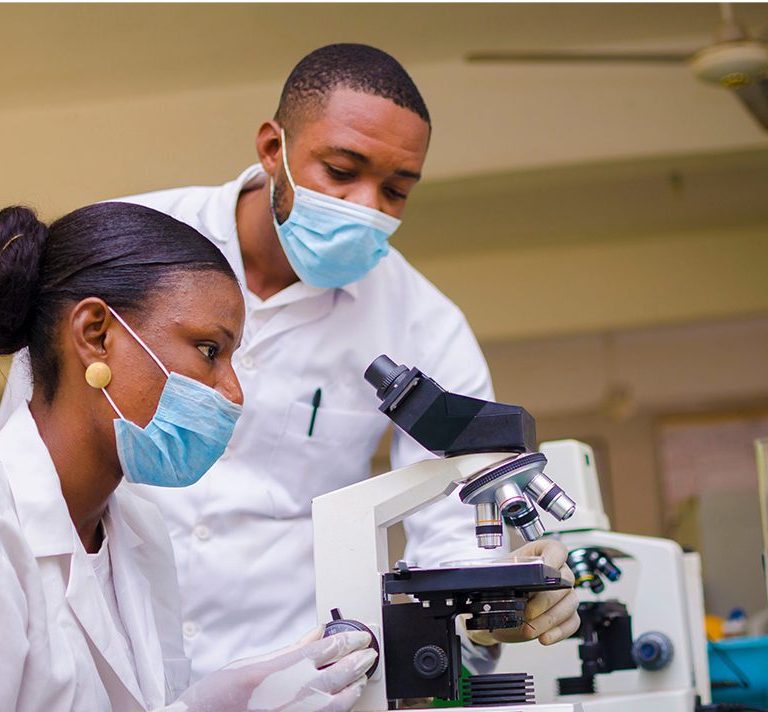
The HBCU research coalition matters because research status can change what a university is able to do. Stronger research infrastructure can help schools compete for major grants, recruit faculty, support graduate students, build labs, create patents, launch startups, and expand academic programs.
Research also impacts students directly. When HBCU students gain more access to funded research, they gain stronger pathways into graduate school, medicine, public health, engineering, technology, data science, law, and policy careers. That access can shape who gets to lead in industries where Black talent is still underrepresented.
For HBCUs, the issue is not a lack of ideas or ability. The issue has often been access to capital, research infrastructure, and national networks. AHRI is designed to help address those gaps by giving member schools a stronger collective voice.
A push toward R1 status
One of AHRI’s key goals is to increase the number of HBCUs that reach Research One classification. R1 is widely viewed as the top research designation in American higher education. It reflects very high research spending and doctorate production.
Howard reached R1 status in 2025, becoming the only HBCU to hold the designation. The university exceeded the base criteria by recording just under $85 million in research expenditures and awarding 96 doctorates in the evaluation year used for classification.
That milestone gave HBCUs a new model to point to. It also showed how much infrastructure, funding, and institutional strategy are needed to reach that level. AHRI now gives other HBCUs a way to pursue that goal together instead of working in isolation.
The coalition will work with member schools to strengthen research systems, expand grant capacity, and build stronger pathways from R2 to R1.
Harvard grant supports the launch
AHRI is also receiving major outside support. Harvard University announced a three-year, $1.05 million grant to the coalition through the Harvard & the Legacy of Slavery Initiative. The grant is designed to support research infrastructure and technical assistance as member schools build capacity and pursue R1 status.
Harvard’s Office of the Vice Provost for Research will provide technical support. AHRI will also work through a strategic partnership with the Association of American Universities, where its offices will be co-located.
The funding does not solve every research gap facing HBCUs, but it gives the coalition early support and national visibility. It also signals that major institutions are being pushed to build deeper, longer-term partnerships with HBCUs.
Morgan State president leads the board
Morgan State University President David K. Wilson will serve as AHRI’s inaugural board chair. Prairie View A&M University President Tomikia P. LeGrande will serve as board vice chair, and Howard University Interim President Wayne A.I. Frederick will serve as AHRI interim president.
That leadership structure brings together several institutions with strong research ambitions. Morgan State has continued to grow its research profile in Maryland. Prairie View A&M has expanded its role in public research and innovation. Howard’s R1 designation gives the coalition a working example of what the next level can look like.
Together, that leadership gives AHRI both institutional credibility and strategic direction.
HBCUs are already research leaders
For years, HBCUs have produced doctors, scientists, engineers, educators, public health leaders, policymakers, and entrepreneurs. They have also led research in areas that directly affect Black communities and underserved populations.
That includes work in sickle cell disease, cancer, artificial intelligence, environmental justice, education equity, agriculture, defense research, social justice, and economic development. Howard’s own research profile includes the Center for Sickle Cell Disease, a Department of Defense University Affiliated Research Center, and major work in artificial intelligence and machine learning.
The new HBCU research coalition gives that work a larger platform. It also helps challenge the idea that elite research only happens at predominantly white institutions with long-standing access to federal and philanthropic funding.
A new chapter for HBCU innovation
AHRI’s launch comes at a time when research funding, workforce development, and innovation are deeply tied to national competitiveness. Universities are not just places where students earn degrees. They are engines for discovery, job creation, public health, technology, and community problem-solving.
For HBCUs, that mission has always carried added weight. These institutions serve students, families, and communities that have often been left out of major funding streams. When HBCUs build research power, the impact reaches far beyond campus.
It creates more pathways for Black scholars. It helps students see themselves as researchers and innovators. It gives communities more direct access to institutions that understand their needs. It also changes who gets to shape the future of science, health, policy, and technology.
The bigger picture for HBCU research
The launch of AHRI is not just a higher education announcement. It is a statement about where HBCUs belong in the future of American research.
The coalition gives 15 institutions a shared structure to pursue bigger grants, influence policy, support faculty, and open more doors for students. It also gives the broader HBCU community a new story to tell about innovation and excellence.
HBCUs have always produced leaders. Now, this coalition is focused on making sure more of those leaders have the research infrastructure, funding, and national support needed to change the world at scale.