
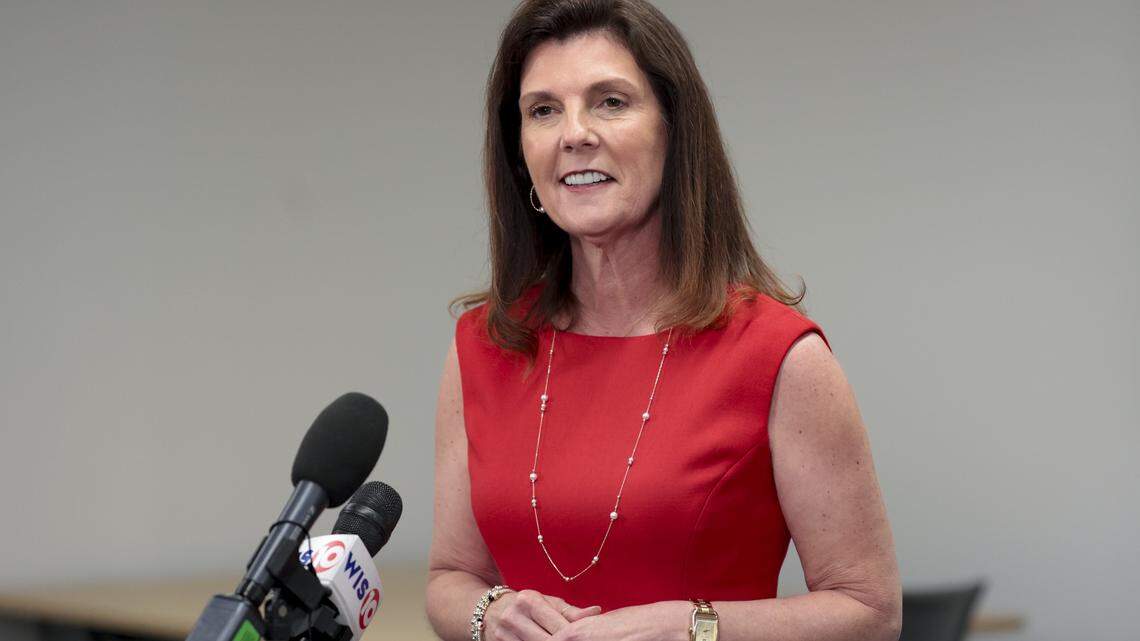
The SCSU commencement speaker controversy is intensifying as students at South Carolina State University continue protesting a reported decision to invite South Carolina Lt. Gov. Pamela Evette as the university’s 2026 commencement speaker.
What started as campus frustration has now grown into a broader movement, with students organizing protests, launching petitions, and now releasing a joint statement in solidarity that is gaining attention across the HBCU community. As first reported when The State covered the backlash, the decision quickly sparked concern among students who say the choice does not reflect the values of the institution.
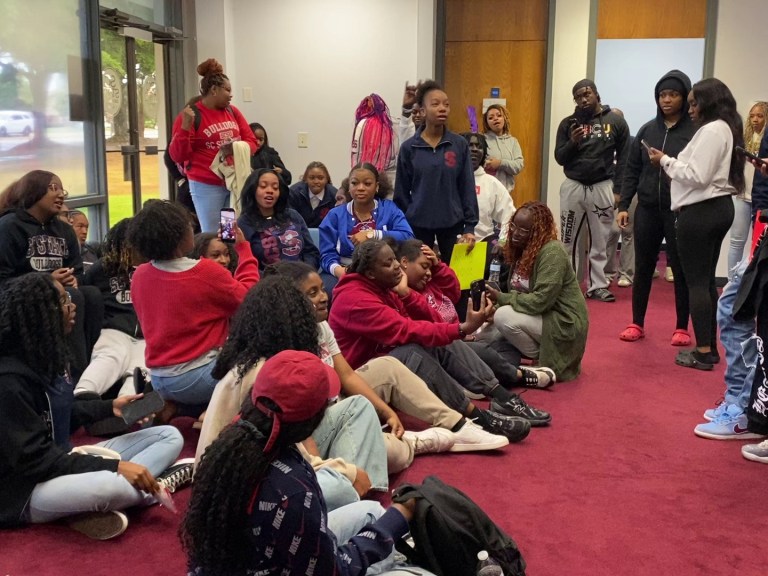
Students organize and speak out on SCSU commencement speaker controversy
The SCSU commencement speaker controversy escalated as students began organizing sit-ins and demonstrations across campus. According to WIS News 10 coverage of the protests, students gathered to demand a change in speaker and accountability from university leadership.
At the same time, a student-led petition calling for a new speaker gained thousands of signatures, showing how quickly the issue resonated beyond campus.
For many students, commencement is not just a ceremony. It is a defining moment that should reflect their journey, their values, and the legacy of an HBCU. That belief continues to drive momentum behind the SCSU commencement speaker controversy.
Joint statement adds national attention to SCSU commencement speaker controversy
A newly released joint statement from student leaders across multiple universities has added a powerful voice to the SCSU commencement speaker controversy.
In the statement, students framed the issue as part of a larger national pattern, writing that young people across the country are asking when their voices will be treated as legitimate rather than dismissed. They questioned how many times students must organize and protest before being taken seriously.
The statement also directly addressed comments attributed to Evette, pointing to reports that she referred to protesting students as “mobs” and “radicals.” Students argue that language like this dismisses their concerns and undermines their right to peaceful protest.
The message emphasized that commencement is a sacred milestone. It should honor sacrifice, perseverance, and possibility. According to the statement, any speaker who responds to student activism with contempt does not reflect the moment or the students being celebrated.
DEI and history at the center of SCSU commencement speaker controversy
Another major theme in the joint statement focuses on diversity, equity, and inclusion. Students described DEI not as a handout, but as a necessary correction to systemic inequities.
They highlighted how DEI initiatives have supported multiple communities, including first-generation students, veterans, and individuals who historically lacked access to opportunity. Within that context, students argue that dismantling DEI efforts undermines progress rather than preserving merit.
The statement also connected the current moment to South Carolina State University’s history. Students referenced the legacy of protest on campus, including the long history of students advocating for justice and equality.
By drawing that connection, the joint statement positions the SCSU commencement speaker controversy as part of a much larger narrative tied to civil rights, student activism, and the role of HBCUs in shaping social change.
The university has not officially confirmed any changes to the speaker lineup. However, the continued protests and growing national attention suggest the SCSU commencement speaker controversy is far from over.
Students say this moment is bigger than one speaker. It is about respect, representation, and ensuring that HBCU traditions reflect the voices of those who live them every day.
As the situation develops, the response from South Carolina State University could shape how similar controversies are handled across other HBCU campuses in the future. For now, students remain firm in their message: their voices deserve to be heard.