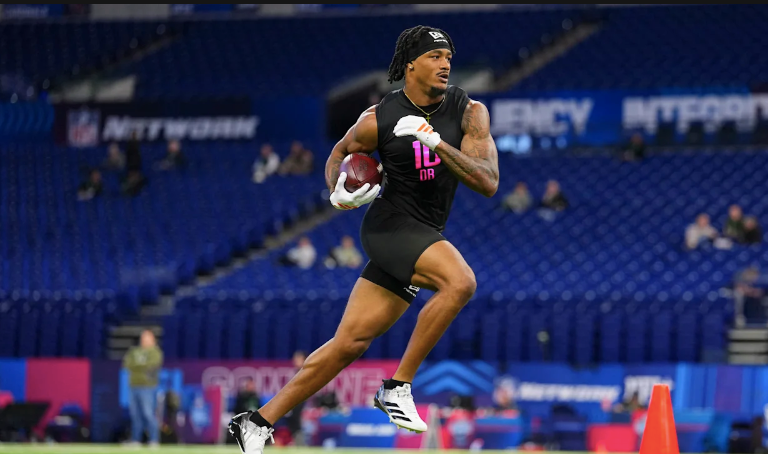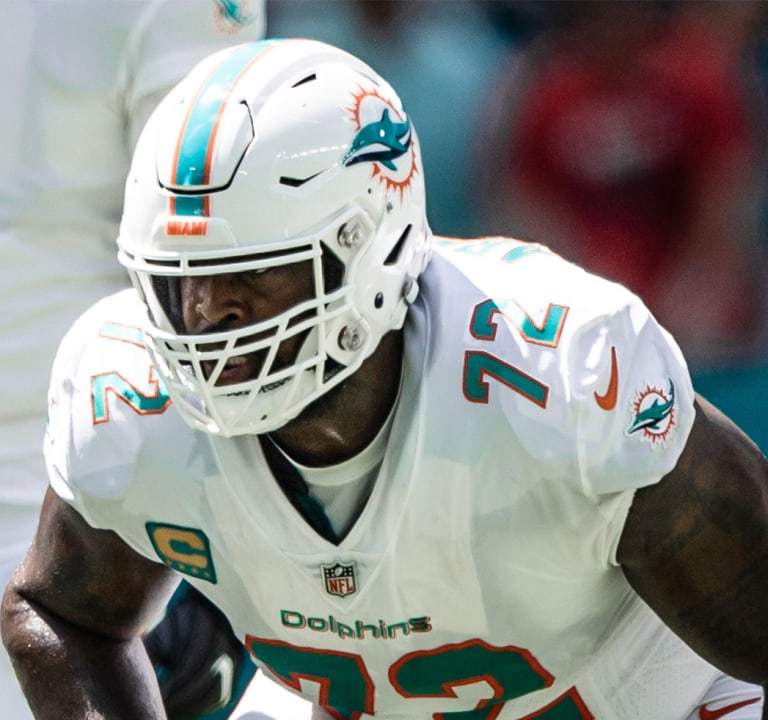

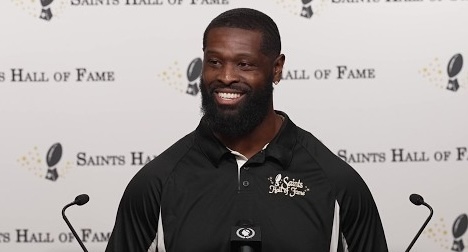
Terron Armstead HBCU pride was on full display this week, and it arrived at one of the biggest moments of his football life.
Armstead was named to the New Orleans Saints Hall of Fame, a well-earned honor for one of the most accomplished offensive linemen of his era. But rather than keep the spotlight on himself, the newly minted Hall of Famer used part of his moment to speak directly to current HBCU athletes chasing the same dream he once pursued.
A Direct Message From the Top
In his speech following the announcement, Armstead paused to address HBCU players specifically. “The dream is not out of reach. It’s obtainable. It’s hard. But I think that’s the beauty of it that makes the story worth telling,” he said.
That message carries weight because of where Armstead’s own story started. He didn’t arrive at his Hall of Fame moment through a conventional path, and his words reflect a genuine understanding of what HBCU athletes are up against when they set their sights on professional football.
From Pine Bluff to the NFL
Armstead built his college career at the University of Arkansas at Pine Bluff, where he stood out both on the football field and in track and field. His combination of consistent All-SWAC recognition and an elite physical profile eventually caught the attention of NFL scouts, and the New Orleans Saints selected him in the third round of the draft.
From there, Armstead developed into one of the premier left tackles in the league, anchoring the Saints’ offensive line for years and building a résumé strong enough to earn this week’s Hall of Fame nod. His path from a small HBCU program to one of the most respected positions in professional football makes him a clear example of what’s possible when a player gets a real opportunity to be evaluated.
Why HBCU Scouting Still Lags Behind
Armstead’s success highlights a persistent challenge in NFL scouting. The cliché often repeated to HBCU prospects is simple: if you can play, they’ll find you. In practice, that’s only true to a point. The number of players selected from FCS programs, including HBCUs, has continued to shrink, exposing a real gap in how thoroughly these prospects get evaluated.
Part of the problem stems from how some scouts approach HBCU talent in the first place. There’s a lingering assumption among evaluators that if a player were truly good enough, he would have transferred to a bigger program at some point in his career. That assumption overlooks why many talented players choose to stay, whether out of loyalty to their program, comfort with their coaching staff, or a genuine desire to represent their school and community.
The players who do make it through tend to be the absolute best of the best, the rare prospects whose talent is impossible to ignore even with limited exposure. But there’s a wider group of players, those who may not be elite but carry legitimate developmental upside, who rarely get the same chance. A late-round flier based on physical tools and projection is common for small-school prospects elsewhere; it’s far less common for HBCU players.
The Bigger Pattern Worth Watching
That scouting gap has real consequences. As Power 4 programs continue to pull top recruits and transfer targets, more talented players are leaving HBCUs earlier in their careers, drawn by greater visibility and stronger pipelines to professional scouts. That trend, while understandable from an individual player’s standpoint, threatens to thin out the talent pool that built programs like Pine Bluff’s into proving grounds in the first place.
Armstead’s story argues against giving up on that pipeline. His example suggests that the right player, given the right opportunity, can rise from an HBCU roster all the way to a professional Hall of Fame, regardless of what program logo sits on his helmet during his college years.
Whether his words land the way he intends remains to be seen. But coming from a now-decorated NFL veteran with a Hall of Fame plaque to his name, the message carries real authority. If his story and his encouragement push more HBCU athletes to stay the course, and more NFL teams to take HBCU evaluation seriously, it could mark a meaningful shift in how the league approaches an entire tier of college football talent that’s too often overlooked.