

Bowie State University just secured one of the largest nursing investments in its history — and the timing could not be more critical.
Bowie State University was awarded more than $2.3 million in competitive grants from the State of Maryland to address the state and national nursing shortage. The Maryland Higher Education Commission, in partnership with the Maryland Health Services Cost Review Commission, administered the funding through the Nurse Support Program II. Bowie State nursing grants will expand the university’s program capacity, strengthen faculty development, and improve outcomes for the next generation of nurses coming through its doors.
Five Initiatives, One Mission
The funding does not come as a single lump sum. Instead, it is split across five targeted initiatives, each designed to attack a different piece of the nursing shortage problem.
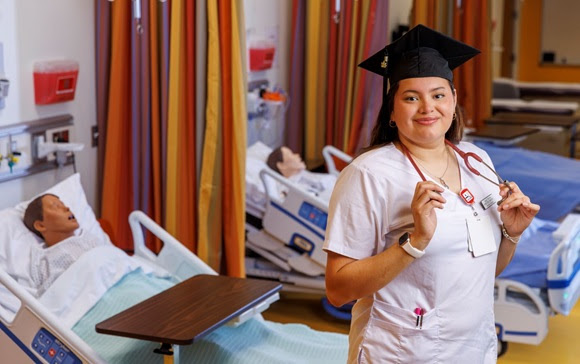
The largest award, $1,052,196 over five years, goes to the Simulation Team Staffing initiative. This funding will expand hands-on clinical training resources, giving nursing students more realistic, high-stakes practice before they ever step into a real hospital setting. The second-largest grant, $995,590 over five years, supports the Cohen Scholars Cohort Model, which provides comprehensive academic and financial support for nursing students throughout their time at Bowie State.
The remaining three grants round out the package. The Nursing Education Research Consortium received $142,701 over two years to advance research and innovation in nursing education. A Student Success Resource Grant of $90,241 will strengthen retention, advising, and academic support services over the next year. A Professional Development Resource Grant worth $49,998 will support faculty growth and instructional excellence during that same period.
A Direct Response to a National Crisis
The nursing shortage is not a Maryland-specific problem. Hospitals across the country are struggling to keep pace with patient demand, and nursing programs everywhere are under pressure to graduate more qualified nurses faster — without sacrificing the quality of clinical training that makes a nurse genuinely prepared for the job.
Dr. Monique Alston, chair and associate professor in Bowie State’s Department of Nursing, framed the funding as a turning point for the program. “These awards represent a transformative investment in Bowie State’s nursing program and our ability to prepare the next generation of highly skilled, compassionate nurses,” Alston said. “Through expanded faculty development, student support, simulation training and collaborative research, we are strengthening pathways into the profession and helping meet the urgent healthcare workforce needs facing our state and nation.”
That framing matters. This is not just about producing more graduates. It is about producing graduates who are genuinely ready for the realities of modern nursing — equipped with advanced clinical training, strong mentorship, and the kind of academic support that helps students actually finish their degrees instead of dropping out under financial or academic pressure.
Why This Investment Matters for HBCU Healthcare Pipelines
HBCUs have always played an outsized role in producing Black healthcare professionals, often with a fraction of the institutional funding available to predominantly white institutions. Investments like this one help close that gap directly.
Expanded simulation training means students get more reps in realistic clinical scenarios before they are responsible for real patients. Comprehensive scholarship support means fewer students have to choose between their education and their financial stability. Research funding means Bowie State’s nursing faculty can continue innovating on how nursing education is taught, not just delivering the same curriculum year after year.
Each of these pieces feeds into the same larger goal: more nurses, better-trained nurses, and a stronger healthcare workforce across Maryland and beyond.
What Comes Next
These investments position Bowie State to expand enrollment capacity, reduce barriers to degree completion, and enhance hands-on learning over the next several years. The grants run on different timelines, from one-year to five-year commitments, which means the university will be building out new resources and support structures well into the next decade.
For a field facing a documented nationwide shortage, every expanded seat in a nursing program matters. Bowie State just created room for a lot more of them.