Forbes Top HBCUs 2026 is here, and it’s the first ranking the publication has ever built just for historically Black colleges and universities. The list highlights 20 schools total. Forbes split the field into two separate top-10 tables, one for private HBCUs and one for public HBCUs. That structure matters. Private and public schools run on very different budgets, so grouping them together would have buried some strong performers. Instead, each sector gets judged against its own peers.
Forbes Top HBCUs 2026: A Quick Snapshot
Before diving into the full breakdown, here’s the headline. Howard University leads the private schools, while North Carolina A&T tops the public list. Together, the 20 schools span nine states and one U.S. territory. Some are massive research universities. Others are small liberal arts colleges with just a few thousand students. Still, all 20 earned their spot the same way: by showing that a degree from an HBCU pays off.
How Forbes Built the Rankings
The methodology borrows from Forbes’ larger America’s Top Colleges project. Graduation rates count. So do alumni earnings, student debt loads, and retention numbers. Additionally, Forbes factored in return on investment, rewarding schools whose graduates see the biggest financial payoff relative to cost. On top of that, Forbes pulled from its own American Leaders List. That database tracks graduates who’ve reached high office, won major awards, or landed on other Forbes honors. As a result, schools with standout alumni in that database got an extra boost.
Meanwhile, only two HBCUs made Forbes’ full Top 500 Colleges list this year. Howard University and Spelman College were the exceptions. That scarcity says something important. The national six-year graduation rate hovers around 60 percent, but HBCUs often fall under 40 percent for first-time, full-time students. Because of that gap, Forbes’ formula leans hard on outcomes like this one.
Private HBCUs: Howard Tops a Stacked Top Five
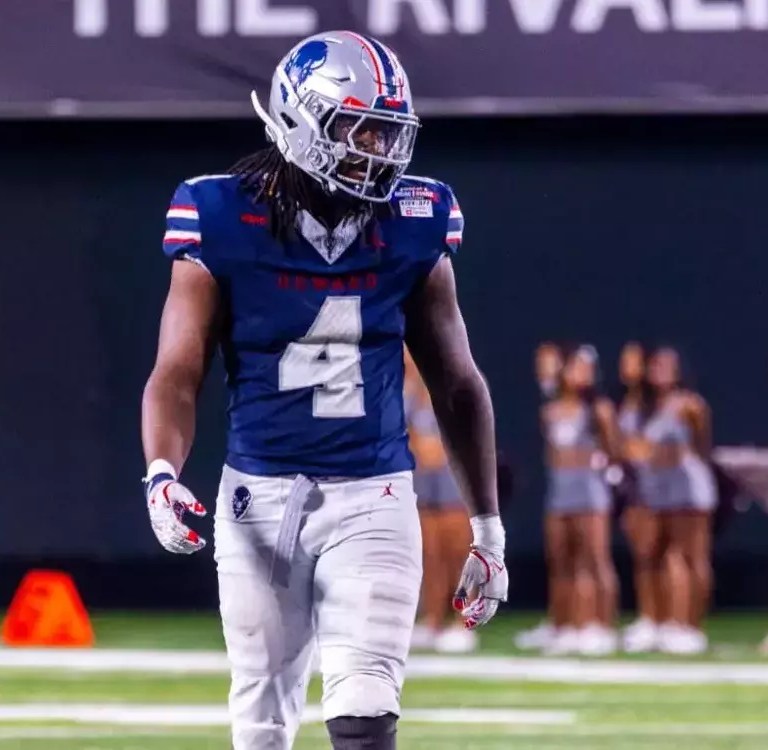
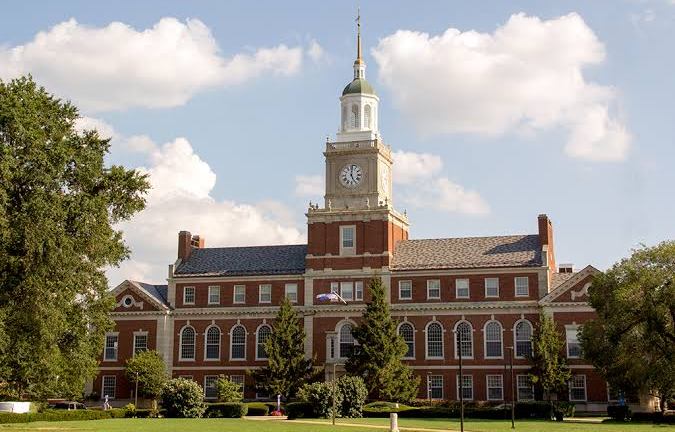
Howard University claimed the No. 1 spot among private HBCUs. It’s a title Howard also holds on Forbes’ broader 2026 rankings, marking a second straight year at the top. Meanwhile, Spelman College, Morehouse College, Xavier University of Louisiana, and Hampton University rounded out the top five. Spelman posted a 76 percent graduation rate, the best mark in the private group. Similarly, Morehouse stood out on earnings, with graduates reporting median mid-career pay of $126,700.
Tuskegee University, Fisk University, Talladega College, Clark Atlanta University, and Tougaloo College filled the rest of the private top 10. Each school built its reputation while operating with smaller endowments than most predominantly white institutions. Still, that gap makes the showing here even more impressive, since Forbes weighs financial return so heavily.
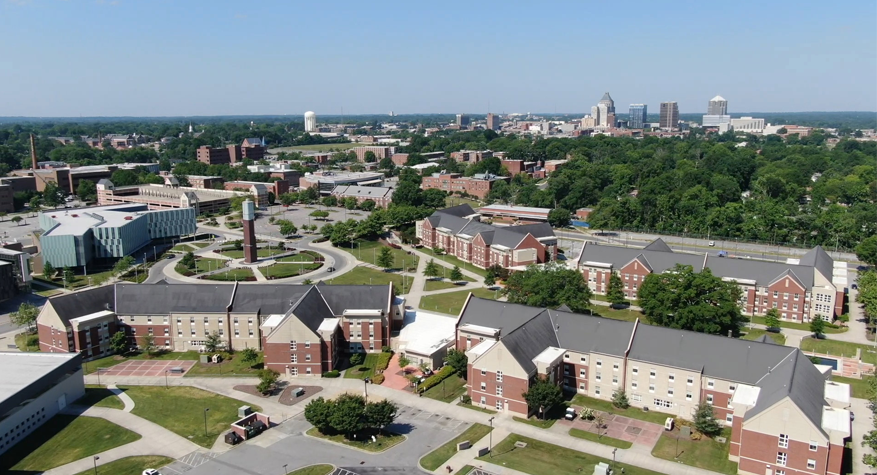
Public HBCUs: North Carolina A&T Leads a Deep Field
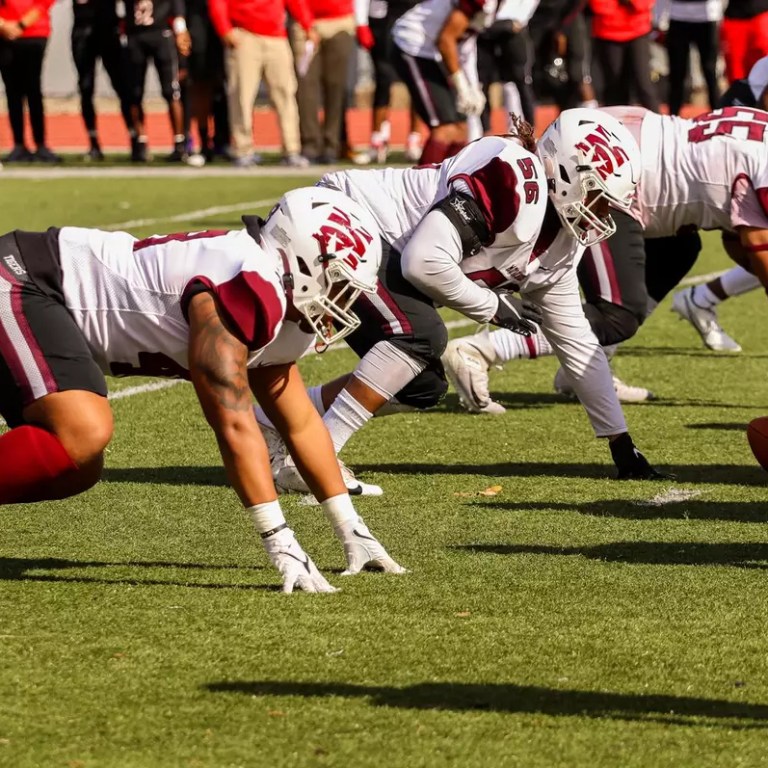
On the public side, North Carolina A&T took the top ranking. The Greensboro school posted a 55 percent six-year graduation rate. Meanwhile, its graduates reported median early-career pay of $68,700, climbing to $116,300 at mid-career. Overall, those numbers track with A&T’s reputation for producing more Black engineers than almost any other university in the country.
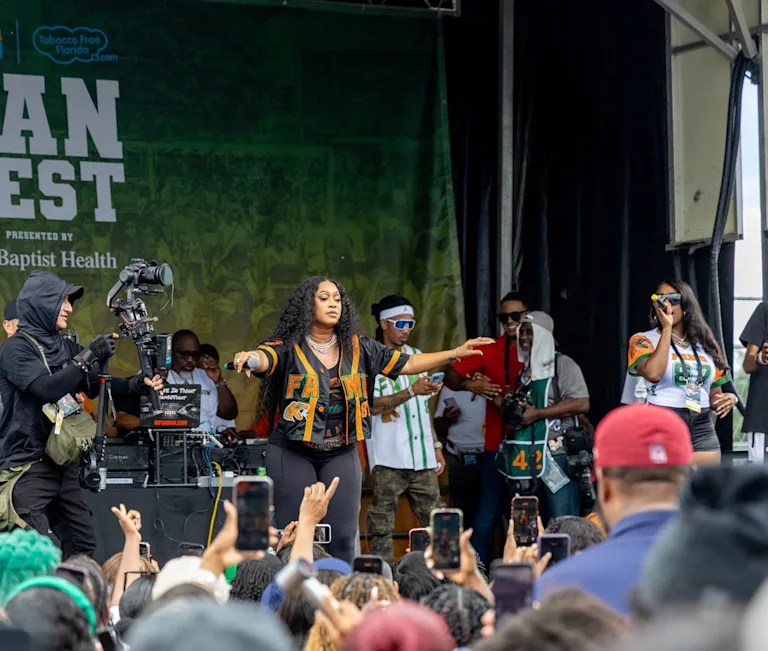
Florida A&M University finished second, followed by Prairie View A&M, Morgan State University, and the University of the Virgin Islands. Similarly, Prairie View turned in strong earnings numbers, with graduates posting median early-career pay of $72,300 and mid-career pay of $117,900. Finally, Tennessee State, Bowie State, Winston-Salem State, Elizabeth City State, and Delaware State rounded out the public top 10.
Why the Timing Matters
This ranking lands at an interesting moment. Since the 2020 murder of George Floyd, more Black students have gravitated toward HBCUs. Then, the Supreme Court’s 2023 decision ending affirmative action pushed that trend further. So did what Forbes describes as growing pressure on college diversity programs nationwide. Consequently, students say they’re looking for community and a sense of belonging. That search follows decades of decline, since the share of Black students choosing HBCUs shrank steadily from 1976 through 2014 before stabilizing in recent years.
Because of that shift, families are also weighing sticker price against long-term payoff more carefully than ever. Naturally, a ranking built around earnings and debt outcomes speaks directly to that concern. Forbes’ own reporting frames the project around one question: not which school has the most name recognition, but which ones actually deliver for the students who enroll.
What It Means for the HBCU Community
Howard University already had momentum heading into this ranking. The school recently topped Forbes’ full America’s Top Colleges list, put together a strong showing at the 2026 NCAA Track and Field Championships, and kept making enrollment headlines all year. Likewise, North Carolina A&T’s win adds to its own good stretch. The Aggies became the first HBCU to top 15,000 students in enrollment, and they’re gearing up for a 100th Homecoming celebration this fall.
Other outlets have also weighed in on what the debut list means for the broader landscape. According to HBCU Gameday’s breakdown of the rankings, splitting private and public categories gives smaller, resource-limited schools a real shot at recognition. That framing matters, because it puts Talladega, Tougaloo, and Elizabeth City State in the same conversation as bigger-name programs, based purely on outcomes rather than size or endowment.
For now, Forbes Top HBCUs 2026 gives prospective students, alumni, and administrators a fresh data point to point to. Expect it to become an annual fixture, much like Forbes’ broader college rankings. Expect the conversation around methodology, resources, and representation to keep evolving right alongside it.