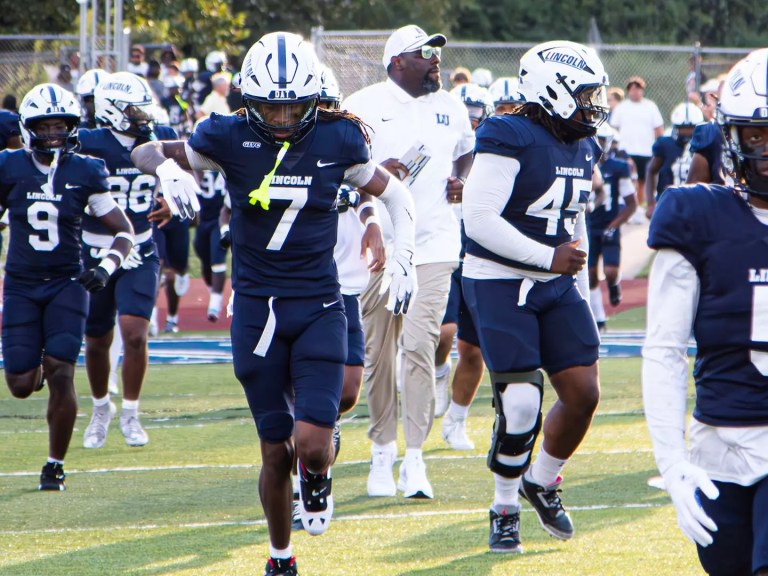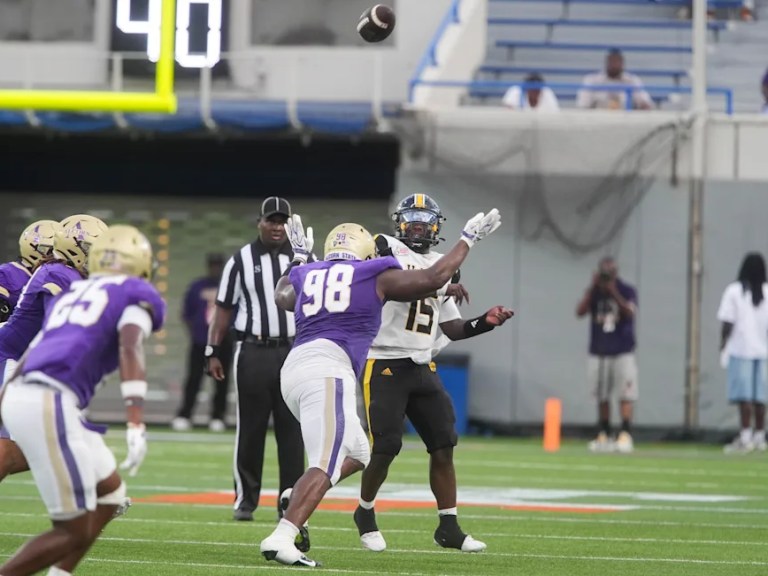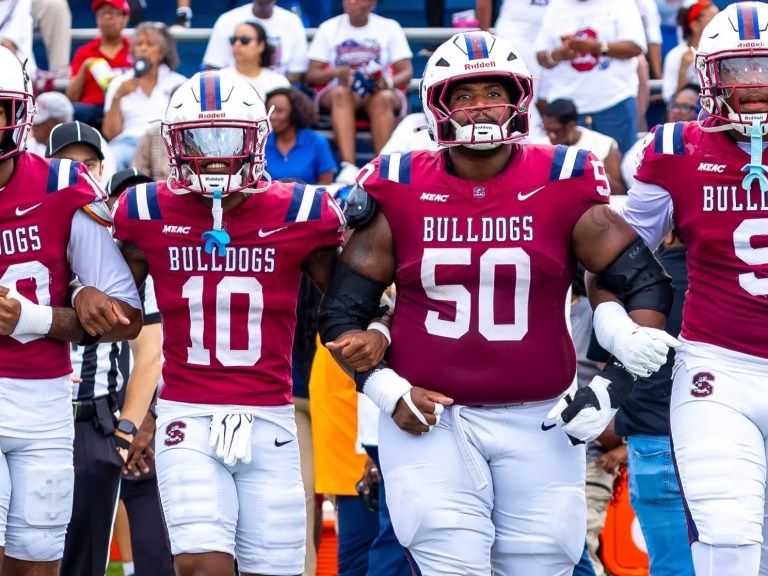

MacKenzie Scott HBCU Donations: Full List of Every School and Amount

Mackenzie Scott HBCU

MacKenzie Scott’s New Wave of HBCU Donations Marks the Largest Philanthropic Impact in Black Higher Education

MacKenzie Scott HBCU donations continue to reshape the financial future of historically Black colleges and universities. With her newest round of gifts—announced throughout 2025—Scott has now impacted more than 60 HBCUs, both through direct institutional checks and through her massive investment in the UNCF pooled endowment fund. These unrestricted donations arrive at a time when institutions like Howard University and Morgan State are experiencing historic growth, and her giving model has become one of the most transformative forces in Black higher education.

Why MacKenzie Scott HBCU Donations Matter

Scott’s approach is simple: unrestricted funding. Unlike restricted gifts that must be spent in specific ways, her donations allow HBCUs to strengthen endowments, expand scholarships, hire faculty, renovate facilities, support student needs, and plan long-term. This aligns with the broader momentum to reduce decades-long funding disparities, something covered regularly on HBCU Buzz. The scale and flexibility of MacKenzie Scott HBCU donations have redefined philanthropic expectations for Black institutions.

Direct Recipients: HBCUs That Have Received Individual, Unrestricted Gifts

Below is the complete list of HBCUs that have publicly confirmed receiving direct donations, along with the amount and year.

Direct Institutional Gifts (Alphabetical)

  • Alabama State University$38M (2025)
  • Alcorn State University$42M (2025); previously part of the 2020 wave
  • Bowie State University$50M (2025); $25M (2020)
  • Claflin University$20M (2020)
  • Clark Atlanta University$38M (2025); $15M (2020)
  • Delaware State University$20M (2020)
  • Dillard University$5M (2020)
  • Elizabeth City State University$15M (2020)
  • Hampton University$30M (2020)
  • Howard University$80M (2025); $40M (2020)
  • Lincoln University (PA)$20M (2020)
  • Morehouse College$20M (2020)
  • Morgan State University$63M (2025); $40M (2020)
  • Norfolk State University$40M (2025); $40M (2020)
  • North Carolina A&T State University$45M (2025); $45M (2020)
  • Prairie View A&M University$63M (2025); $50M (2020)
  • Spelman College$38M (2025); $20M (2020)
  • Tougaloo College$6M (2020)
  • Tuskegee University$20M (2020)
  • University of Maryland Eastern Shore (UMES)$38M (2025)
  • Virginia State University$50M (2025)
  • Voorhees University$19M (2025); previously $4M (2020)
  • Winston-Salem State University$50M (2025)
  • Xavier University of Louisiana$20M (2020)

These direct gifts alone represent well over $1 billion in cumulative support—one of the largest philanthropic reallocations toward Black education in American history.

UNCF Endowment Impact: 37 Additional HBCUs Receiving Major Support

In addition to direct checks, Scott also contributed $70 million to UNCF’s pooled endowment fund in 2025. This fund strengthens all 37 UNCF-member private HBCUs, providing long-term endowment growth even if individual amounts aren’t announced as direct checks.

Below is the list, including the year (2025) for the pooled impact. Schools that also appear in the direct-gift list are marked with .

UNCF-Member HBCUs Benefiting From Scott’s $70M Pooled Endowment Gift (2025)

(Amount per institution varies by endowment structure; exact figures not individually disclosed)

  • Allan University (2025)
  • Benedict College (2025)
  • Bennett College (2025)
  • Bethune–Cookman University (2025)
  • Claflin University★ (2025)
  • Clark Atlanta University★ (2025)
  • Dillard University★ (2025)
  • Edward Waters University (2025)
  • Fisk University (2025)
  • Florida Memorial University (2025)
  • Huston–Tillotson University (2025)
  • Interdenominational Theological Center (2025)
  • Jarvis Christian University (2025)
  • Johnson C. Smith University (2025)
  • Lane College (2025)
  • LeMoyne-Owen College (2025)
  • Livingstone College (2025)
  • Miles College (2025)
  • Morehouse College★ (2025)
  • Morris College (2025)
  • Oakwood University (2025)
  • Paine College (2025)
  • Philander Smith University (2025)
  • Rust College (2025)
  • Saint Augustine’s University (2025)
  • Shaw University (2025)
  • Spelman College★ (2025)
  • Stillman College (2025)
  • Talladega College (2025)
  • Texas College (2025)
  • Tougaloo College★ (2025)
  • Tuskegee University★ (2025)
  • Virginia Union University (2025)
  • Voorhees University★ (2025)
  • Wilberforce University (2025)
  • Wiley University (2025)
  • Xavier University of Louisiana★ (2025)

A Transformational Moment for Black Higher Education

With MacKenzie Scott HBCU donations now touching more than 60 institutions, the collective impact is historic. For campuses that have spent decades underfunded, these gifts accelerate strategic projects, strengthen long-term financial stability, and open doors for thousands of students who rely on HBCUs as engines of opportunity. From Bowie State to Spelman to UMES, these institutions now have new momentum to expand their missions at scale.

HBCU Buzz will continue to track every update as additional MacKenzie Scott HBCU donations are announced and as institutions share how they plan to use these unprecedented resources.

How Early Crypto Debates Still Shape Market Behavior, Looking at Volatility Then vs. Now

Bitcoin

The first debates about digital currencies had an ideological impact, as well as on the modern market reaction. History is not forgotten in terms of volatility spikes and investor sentiment.

The cryptocurrency market has evolved significantly since the first day of Bitcoin, but residual tones from its first controversies continue to ripple in price action and investing sentiment. Spurred on by ideology and speculation no longer, the market now grapples with institutional forces, approval structures and a larger macroeconomic function. Yet, many old patterns remain embedded in how crypto prices respond to news and uncertainty.

1. The Origins of Volatility

The early discourse on crypto was characterized by two opposing visions: digital gold and a decentralized network of payments. This division of ideology fuelled price conjecture and volatility, with dealers reacting angrily to accounts of which vision would prevail.

Bitcoin’s early price swings were dramatic. In 2013 the currency soared over 5,000% before crashing nearly 80%. While shocking at the time, such volatility created a culture of rapid boom-and-bust cycles that persists today.

According to Binance Research, the total crypto market cap has experienced periods when it lost more than $300 billion in a single week during major corrections. It is founded on the exaggerated reactions that so often follow a change in sentiment or regulatory changes that lie at the bottom of this habit.

As Yi He, Co-Founder of Binance, explains, “Crypto isn’t just the future of finance, it’s already reshaping the system, one day at a time.” That constant reshaping continues to influence how investors interpret market signals, often amplifying volatility in ways that echo the earliest days of digital assets.

2. Institutional Forces Redefining the Landscape

Whilst retail sentiment once propelled price action, institutionalisation is now more firmly determining market action. Statistics by the Binance virtual currency exchange reveal that institutional Bitcoin holding now stands at 19.8%, up from a mere 0.9% in 2014, a pervasive change in market configuration.

This institutional presence has tempered volatility but not erased it. Large players often rebalance portfolios based on macroeconomic signals, creating new patterns of rapid movement. For example:

  • Seasonal trends: Bitcoin’s volatility varies yearly and is influenced by trading cycles, halving anniversaries and macroeconomic events.
  • Macro sensitivity: Interest rate decisions and regulatory news now spark significant moves.
  • Liquidity shifts: Institutional flows can amplify rallies or deepen corrections.

“Although volatility traders may see continued calm next month,” Binance analysts note, “October is also known for reversing September’s weakness.” The increased predictability reflects a maturing market but connects to early volatility cycles. That continuing fascination highlights how foundational discourses of scarcity and digital gold influence even the highest levels of behavior.

3. Cycles That Refuse to Die

Crypto, even with maturation, adheres to cycles that early adopters are accustomed to. One key story is the four-year cycle, which is rooted in Bitcoin’s halving cycles.

This cycle typically includes four phases:

  • Accumulation: Low volatility, slow price growth.
  • Bull run: Rapid appreciation as demand surges.
  • Distribution: Prices peak, volatility spikes.
  • Bear market: Corrections test long-term conviction.

“History suggests optimism,” Binance commentary states. “Bitcoin has posted gains in 9 of the last 11 Octobers.” Such consistency shows how deeply these early cycles are woven into the market’s DNA and how traders react according to patterns established over a decade ago.

4. Regulatory Evolution and Market Behavior

Previous debates also helped define how regulation affects market sentiment. Initial skepticism towards official oversight has been replaced by an appreciation that transparency can enhance confidence and entry.

Nowadays, acts like the CFTC testing tokenized collateral foretell a trend towards bringing crypto closer to traditional financial networks. That transition frequently necessitates volatility, yet the reaction becomes more measured and less panicked than strategic reshaping.

Regulatory clarity has also become a bullish indicator for institutional investors and a confirmation for retailers that crypto has long-term legitimacy. However, the optic to policy is a strong presence of the libertarian ideologies of the space launcher.

Catherine Chen, Head of VIP & Institutional at Binance, puts it succinctly: “Regulatory architecture is gradually aligning with the operational realities of digital asset markets, making long-term institutional adoption more viable.” This alignment reflects how far the market has evolved and how much those early ideological struggles still shape reactions today.

5. Old Lessons, New Realities

The debates that once defined cryptocurrency, freedom vs. regulation, store of value vs. payment network, are no longer philosophical footnotes. They’re embedded in how markets behave.

Although crypto has a new period of integration with traditional finance, the arguments that started it all still have a hand in it:

  • Market psychology: Traders still overreact to narratives shaped a decade ago.
  • Volatility: Early speculation patterns echo in today’s price swings.
  • Adoption: Institutional participation reflects compromises between ideology and practicality.

As one Binance analyst said, “The traditional four-year market cycle is nearing the end of the bull run, but this time may differ.” That difference lies in how far the market has come and how much of its past it still carries forward.

Crypto’s Ongoing Legacy

The crypto market may be more mature, liquid and institutionally driven than ever, but its behavior remains profoundly shaped by the arguments that fueled its rise. Understanding those early debates isn’t just historical trivia; it’s key to understanding why crypto prices still move the way they do.

From ideological origins to institutional realities, the past is not behind crypto. It’s really built into its future, influencing everything from investor psychology to long-term cycles and guiding how the next chapter of digital finance will unfold.

Challenging Traditional Career Expectations After Graduation

Graduating from an HBCU is exciting, but it can also feel a bit overwhelming. You might feel pressure to follow usual paths like business, teaching, or STEM jobs, but these days, you have a lot more ways to use your skills after graduation. You can look for jobs that fit what you’re good at and what you enjoy, even if they aren’t the typical options. Some dive into technology, learning by doing with software, IT, or digital projects. Some people take on leadership jobs in areas they haven’t tried before, but that are full of chances to grow. Success doesn’t have to look the same for everyone. By trying new things and following what really interests you, you can create a career that feels important and rewarding.

Careers Outside the Usual

Find ways to learn about industries beyond the standard paths. A good way to learn is by seeing how different businesses work online. Many sites show how companies run their operations, adjust to changes, and provide all kinds of services. Platforms mentioned by Card Player, for example, provide details about online casinos, including the types of games offered, how each game works, and the potential returns for players. Seeing how these companies work can give you ideas for careers in technology, management, or other jobs where trying new approaches helps things succeed. The ways companies adapt can inspire you to find your own path and try roles that might not have seemed obvious at first.

HBCU graduates are increasingly finding opportunities in sectors that were not as visible in the past. Jobs in technology, clean energy, digital media, and project management are opening up fast. You can use your tech skills and also take on leadership or find creative ways to solve problems. Many companies now give academics a chance to make a difference from the start, without having to follow the usual beginner steps. This approach lets you do meaningful work from the start and use your skills in many different ways.

How Employers Back Unusual Jobs

Major companies are investing in HBCU talent through internships, mentorships, and hiring programs. Corporations like Amazon, AT&T, and Allstate are creating pipelines to help you access careers that might not have existed decades ago. Programs like these let you get a look at jobs in areas like technology, operations, and management. It will help you learn skills that can be useful in many different kinds of work. Alumni say these programs helped them. They learned that trying a different path can lead to great jobs.

Finding the Right Path for You

Experimenting with new tasks helps to grow your abilities and discover your strengths. Doing internships in different industries, learning from mentors, and connecting with alumni can really help. Talk to people at work and ask about how you can grow and what jobs you could do. This can help you see which roles fit you best. Be ready to try new things and adjust as needed. Jobs change all the time, so being flexible makes it easier to do well. Stay curious, work hard, and reach out to your HBCU network. Doing these things can help you discover fun and new ways to shape your career.

Delaware State Earns ESPN Spotlight, Elevating HBCU Football Visibility

Delaware State Saint Francis Win Desean Jackson

Delaware State University is stepping into the national spotlight after ESPN announced that one of the Hornets’ upcoming football games will be broadcast on its main platform. The move marks a major milestone for both the program and the Mid-Eastern Athletic Conference (MEAC), signaling growing recognition of HBCU football on a national scale.

Delaware State’s Rise Under National Attention

The Delaware State ESPN spotlight follows a string of impressive performances that have reenergized the Hornets’ program this season. The nationally televised matchup gives Delaware State a chance to showcase its on-field dominance, game-day culture, and growing athletic identity to millions of viewers across the country.

ESPN’s decision continues a larger trend of amplifying HBCU sports through expanded coverage and digital storytelling. In recent years, the network has spotlighted historic matchups such as the Cricket Celebration Bowl and the annual Florida Classic between Florida A&M and Bethune-Cookman. Delaware State’s inclusion signals that the spotlight on Black college football now extends beyond the usual powerhouses, creating new opportunities for MEAC programs to shine.

A Milestone Moment for Delaware State

For Delaware State, this ESPN feature could reshape the program’s trajectory. National coverage means elevated recruiting, increased alumni engagement, and greater visibility for the Hornets’ legacy as one of the nation’s oldest HBCUs. The timing aligns with a broader surge of interest in HBCU athletics, as schools across the country invest in facilities, media partnerships, and athlete development.

M5BGDTOYPNFQHJ7QOI5LZVFKQ4

The Delaware State ESPN spotlight also strengthens the MEAC’s presence at a time when exposure can directly influence sponsorship and financial stability. For smaller conferences, television partnerships like this one ensure long-term growth and national relevance.

The Broader Impact on HBCU Sports

Delaware State’s primetime debut is part of a wave of renewed visibility for HBCUs nationwide. Programs such as Jackson State and Florida A&M have already shown how national coverage can transform recruitment, attendance, and cultural engagement. For Delaware State, this moment reinforces that the stories, traditions, and excellence of HBCUs belong in mainstream sports media.

The Hornets’ inclusion on ESPN also brings wider attention to HBCU marching bands, student sections, and alumni communities—elements that distinguish Black college football from any other experience in the country. For many fans, it’s more than a game; it’s a celebration of heritage, identity, and pride.

Looking Ahead

As the Hornets prepare for their national appearance, the excitement around the Delaware State ESPN spotlight continues to grow. The broadcast could open doors for future coverage of MEAC programs and inspire networks to feature a broader range of HBCU athletic events.

By earning this level of exposure, Delaware State has positioned itself—and HBCU football at large—as a vital part of the national conversation in college sports. This moment isn’t just about visibility; it’s about legacy, representation, and proving once again that Black excellence belongs on every stage.

Dawn Thornton Signs Multi-Year Contract Extension With Alabama A&M

IMG 9389

Alabama A&M University has officially extended Head Coach Dawn Thornton’s contract for multiple years, securing her leadership after a breakout first season that redefined expectations for the Lady Bulldogs basketball program. The announcement strengthens the university’s commitment to sustained excellence and positions Thornton among the leading voices in HBCU women’s basketball.

In her debut season, Dawn Thornton guided Alabama A&M to a 21–11 overall record and a 14–4 finish in SWAC play, delivering one of the team’s strongest performances since joining NCAA Division I in 1999. The 2024–25 campaign marked only the fifth 20-win season in program history, making the Dawn Thornton contract extension both strategic and symbolic for the Lady Bulldogs’ long-term success.

The university’s athletic department credited Thornton’s leadership, discipline, and player development as central reasons for the extension. Her coaching philosophy focuses on cultivating academic accountability, mental toughness, and community involvement—values deeply rooted in the mission of HBCUs.

“This extension is bigger than basketball. It’s about impact, legacy, and purpose,” Thornton said after the deal was announced.

Investing in Black Women Leadership

Alabama A&M’s decision highlights a broader trend across HBCUs—retaining and investing in exceptional leadership. Historically, many successful HBCU coaches have been recruited away by larger institutions, but this move signals a renewed focus on stability and institutional pride. The Dawn Thornton contract extension sends a clear message that Alabama A&M intends to build on its success and elevate its presence in the Southwestern Athletic Conference.

Other programs are following suit. Jackson State and Southern University have also strengthened their coaching infrastructure, showing how HBCUs are doubling down on talent development. By retaining Thornton, Alabama A&M not only secures a proven leader but also reaffirms the importance of supporting Black women in collegiate athletics.

Building Legacy Beyond the Court

Thornton’s leadership style extends well beyond wins and losses. Her approach emphasizes academic excellence, mentorship, and community service—pillars that mirror the core of the HBCU experience. She has frequently noted that her mission is to produce leaders who excel both on the court and in life.

Her extension aligns with the growing momentum of HBCU sports, where programs are stepping into the national spotlight for their competitive play and cultural influence. The move also resonates with the leadership philosophies seen at schools like Morehouse and Spelman, which continue to reinforce the legacy of Black excellence across all fields.

What It Means for HBCU Women’s Basketball

For the Lady Bulldogs, the extension is more than a contract—it’s a blueprint for long-term success. Thornton’s presence boosts recruiting potential, alumni engagement, and the national visibility of Alabama A&M’s women’s basketball program. It also shows that HBCUs are serious about competing at the highest levels of collegiate athletics while maintaining their unique cultural and educational missions.

Her leadership adds to the growing narrative that HBCU programs are not just producing athletes, but cultivating complete individuals prepared to lead in every aspect of life. As the SWAC becomes more competitive, the Lady Bulldogs’ commitment to consistency and culture under Thornton may set the standard for future programs.

The Dawn Thornton contract extension ultimately represents more than just a coaching decision—it symbolizes the power of Black institutions to invest in their own and to build enduring legacies of excellence.

Hampton University Escorts Candace Owens Off Campus for Trying to Host Unauthorized Event

NL4Y2V5EFRN5VDTX2PKIRPOTLU

Hampton University officials removed members of BLEXIT, a conservative organization founded by commentator Candace Owens, after the group attempted to host an unauthorized event during the school’s Homecoming weekend. The university said the decision was based on safety and compliance—not censorship. The situation has since sparked debate over free speech, politics, and the role of outside organizations on HBCU campuses, similar to FAMU.

Hampton University Says Safety Came First

According to an official statement, Hampton University cited that BLEXIT failed to complete the proper vendor application and payment required for participation in Homecoming activities. Of the 36 vendor applications received, only 18 were approved—and BLEXIT was not one of them, the university confirmed. Administrators said that enforcing the rules was about fairness and ensuring the safety of thousands of students, alumni, and guests attending the celebration.

“This was not a matter of suppression; it was a matter of safety, procedure, and fairness,” the university said in its statement.

The removal, which occurred during one of Hampton’s busiest weekends of the year, drew attention because of Owens’ involvement. The Hampton University BLEXIT removal quickly made headlines across social media, with students sharing clips and commentary on the incident.

BLEXIT Calls It Political

BLEXIT, which describes itself as a movement to “educate and empower” Black Americans toward conservative values and economic independence, has been touring several HBCUs under its “Educate to Liberate” campaign. The group accused Hampton of political bias, claiming the university’s actions were motivated by opposition to its message.

“Instead of celebrating open discussion, the university shut it down—claiming we ‘didn’t go through the proper channels,’” one BLEXIT member said on Instagram. “Let’s be honest: this wasn’t about paperwork. It was about politics.”

Divided Reactions Among Students and Alumni

Reactions across the HBCU community were split. Some applauded Hampton for maintaining its standards and prioritizing student safety, while others argued that the university could have used the moment to model civil discourse. Many pointed out that HBCU homecomings are deeply cultural celebrations focused on unity, not political campaigning.

The controversy follows Owens’ recent HBCU tour, which has included stops and cancellations at other campuses. Earlier this fall, Owens was also removed from the lineup for the Black Conservative Tour’s FAMU appearance, after student backlash and questions about university authorization.

The Larger Conversation on Free Speech and Policy

The Hampton University BLEXIT removal highlights a growing tension between institutional policy and free expression at historically Black colleges. As more outside organizations—both political and corporate—seek to engage HBCU audiences, administrators must balance open dialogue with maintaining safety and campus values.

This incident raises important questions:

  • How should private HBCUs manage external events that haven’t gone through proper channels?
  • Where is the line between political engagement and disruption of campus culture?
  • And how can schools ensure transparency and consistency in enforcing access policies?

For many, Hampton’s swift response serves as a reminder that HBCU traditions, especially Homecoming, are sacred spaces meant to preserve community, joy, and safety.

Jayden Williams Makes History as Stockbridge’s Youngest Mayor

Jayden Williams Stockbridge 1A

At just 21 years old, Jayden Williams has become the youngest mayor in Stockbridge history, marking a powerful moment for both his city and the HBCU community. A senior political science major at Clark Atlanta University, Williams’ victory represents a generational shift in leadership — proof that today’s HBCU students are stepping up to lead cities, drive innovation, and amplify the voices of young Black changemakers.

Williams’ campaign theme, “Ready to Lead Together,” resonated with voters who were eager for fresh leadership and new energy in local government. “I’m asking for leadership and a new direction,” Williams told The Atlanta Voice. “I’m happy to be the youngest candidate in this race.”


From Clark Atlanta to City Hall

Before becoming the youngest mayor in Stockbridge history, Jayden Williams had already built a strong record of service. At Clark Atlanta University, he served as Freshman Class President and Student Government Treasurer, showing an early passion for civic engagement. Beyond campus, he led as State Conference President for the Georgia NAACP Youth & College Division and served as Chairman of the Stockbridge Planning Commission — experiences that taught him how to blend student advocacy with local policy work.

Williams also credits his grandmother, former Henry County Commissioner Vivian Thomas, for inspiring his dedication to public service. “She taught me that leadership is about service,” he shared in an interview with The Atlanta Voice.


His Vision for Stockbridge

Mayor Williams’ agenda centers around growth, inclusion, and economic development for all residents. His top priorities include:

  • Affordable housing to ensure working families can remain in Stockbridge
  • Support for small and marginalized businesses as the city’s “economic heartbeat”
  • Youth engagement programs that connect education, technology, and community leadership

“Our small business owners and young people are the foundation of this city,” Williams told Blavity. “If we fail to invest in them, we risk losing the sense of community that makes Stockbridge unique.”


What His Election Means for HBCUs

Jayden Williams’ rise from CAU’s campus to City Hall underscores the deep impact of HBCUs in shaping civic-minded leaders. HBCUs have long produced trailblazers in politics, from Kamala Harris to Keisha Lance Bottoms. Williams now joins that lineage, representing a new generation of mayors inspired by their HBCU roots.

His leadership also signals a call to action for young people nationwide: that change doesn’t wait until you’re older — it starts when you’re ready to lead.


A Win Beyond the City

For Stockbridge, this is a milestone moment. For HBCUs, it’s proof that institutions like Clark Atlanta continue to produce visionaries equipped to shape the future. “It’s not about age,” Williams said after his victory. “It’s about the heart to serve, the courage to lead, and the will to make change happen.”

His story reminds us that when HBCU students rise, communities rise with them.

Nourishing Your Creative Side for a Fulfilling Life

960x0

Countless Canadians participate in creative activities that range from drawing, photography, and music to gardening and writing. People enjoy these activities but find it challenging to fit them into busy schedules filled with work, family, and other commitments. When creativity gets pushed aside, people may feel that an important part of their life is missing.

Creativity is not only about producing art. It’s about enjoying experiences that bring meaning, balance, and a sense of satisfaction to daily life.

This article explores practical ways to nourish creativity and shows how small steps can help create a fulfilling life.

Why Creativity Matters in Everyday Life

Creativity plays a bigger role in daily living than many people realize. Everyday tasks like cooking, decorating a home, or planning a garden are also creative acts. Engaging in these activities can bring a sense of accomplishment and enjoyment.

Similarly, attending local art shows, joining writing groups, or exploring traditional crafts can add depth to our daily routines. These activities remind us that creativity belongs to everyone, regardless of background or skill level. 

Food Choices that Support Creative Flow

What we eat influences how we feel throughout the day, including during creative activities. Foods that provide steady energy can help you stay engaged in projects without losing focus. Whole foods such as fruits, vegetables, whole grains, and nuts provide a balanced source of nourishment.

Preparing colourful and flavourful meals can also be a creative act on its own. Experimenting with ingredients, trying seasonal produce from local markets, or exploring different cuisines can be both enjoyable and energizing. Sharing these meals with others adds another layer of creativity and connection.

Alongside nutritious foods, some people include health-friendly supplements as part of their lifestyle. Companies such as USANA Health Sciences offer a range of options designed to complement everyday routines. These are best used to support an already balanced approach that includes wholesome meals, regular movement, and personal growth. Eating in a way that supports energy and thoughtfully considering supplementation helps ensure that time spent on creative projects feels enjoyable and satisfying.

Movement as a Creative Catalyst

Physical activity has long been linked to fresh thinking. A study found that walking can increase creative output compared to sitting. This can mean taking a stroll through neighbourhood parks, cycling on trails, or joining a local dance class. The rhythm of movement often creates a clear headspace that allows new ideas to surface naturally.

Including even light activities into a routine can encourage creativity. Walking during a lunch break or stretching at home are simple ways to stay active while also nurturing creative energy. The important part is not intensity but regular engagement. Movement provides both enjoyment and opportunities to let the mind wander into new ideas.

Making Time for Creative Expression

One of the biggest challenges most people face is finding the time for creative hobbies. Work hours, commuting, and family commitments often leave little room for personal interests. The key is to start small and be consistent. Even ten minutes a day set aside for journaling, sketching, or trying out a recipe can be enough to spark inspiration.

It helps to schedule creative time just as one would schedule meetings or household chores. For example, setting aside a short block of time in the evening or on weekends can ensure creativity does not get overlooked. Many people also find value in pairing creativity with social time. Sharing activities with friends or family makes it easier to commit to them regularly.

The Role of Environment in Inspiring Ideas

The environment around us often influences how easily ideas flow. A cluttered or busy space can make it difficult to focus on creative work. Setting up a small, dedicated area at home can make a big difference. This does not need to be a full studio. A quiet corner with natural light, a comfortable chair, or a few plants can create an inviting place to sit and explore creative activities.

Canadians also benefit from the country’s outdoor spaces. Parks, waterfronts, and gardens offer natural inspiration. Taking a sketchbook on a walk, bringing a camera along on a hike, or simply enjoying fresh air can encourage new ideas. The goal is to design spaces—indoors or outdoors—that feel welcoming and encourage exploration.

The Social Side of Creativity

Creative activities often feel more rewarding when shared. Canadians have access to a variety of community programs, from art workshops and book clubs to music groups and cultural associations. Joining these spaces allows people to learn new techniques, exchange feedback, and enjoy the process together.

Social creativity does not need to happen only in formal settings. Families might set aside evenings for crafts, cooking, or games that involve imagination. Friends can share photography outings or collaborative writing projects. In these moments, the activity becomes more than self-expression—it becomes a way of building stronger connections.

Digital Tools for Exploring Creative Passions

Technology provides many resources for exploring creative hobbies. You can use digital apps for drawing, journaling, music composition, or graphic design. Online platforms also offer tutorials and virtual communities where people can share their work. This makes it easier to try new skills without needing formal training.

It is important, however, to balance digital tools with offline activities. Spending time with pen and paper, real instruments, or hands-on crafts keeps creativity tangible and refreshing. Digital platforms are best seen as additions to a creative routine rather than replacements. They expand options and allow people to explore passions in new ways while still keeping creativity grounded in real experiences.

Creativity plays an important role in creating a fulfilling lifestyle. It is not limited to professional artists but is part of everyday experiences such as cooking, gardening, movement, and social connection. By making time for expression, creating supportive environments, embracing seasonal opportunities, and using both digital tools and lifelong learning, you can enrich your daily life.

Nourishing creativity is about enjoying the process rather than focusing on outcomes. Even small steps, taken consistently, can make life feel more balanced and engaging. 

Esports Meets Entertainment: The Rise of Skill-Based Gaming Around HBCU Campuses 

Image

Across Historically Black Colleges and Universities, something powerful has been building quietly. Esports did not just appear; it evolved here. It grew in classrooms, in dorm lounges, and in community centers. What used to be casual Friday night matches is now a movement connecting entertainment, education, and ambition in ways few expected.

It feels less like a passing trend and more like a cultural shift. You can walk into a campus event and feel it – the pulse, the energy, the shared excitement that gaming finally belongs here in a genuine way.

 Skill Over Luck: The New Campus Game

Skill-based gaming is infiltrating campus life in a remarkably natural way. Students aren’t chasing random wins; they’re chasing improvement, strategy, and bragging rights. Whether it’s NBA 2K, Madden, Valorant, or even online skill-based casino titles, the appeal is clear.

And it’s not just about fun. For many students, these competitions are a serious matter. New scholarship programs are emerging, esports management degrees are proliferating, and partnerships with major gaming organizations are forming. It’s giving the same energy that college sports gave back in the ’80s; that spark before it blew up nationally.

Even some of the best casino sites are experimenting with skill-based formats. Instead of old-school slot randomness, we’re seeing games where reflexes, precision, or strategy actually matter. That crossover between gaming and gambling is opening doors for students who see both sides, entertainment and opportunity.

 HBCUs taking the lead

HBCUs have always been more than classrooms. They’re cultural ecosystems. And when esports entered the picture, it found a perfect home. Howard University, North Carolina A&T, and Florida A&M are just a few of the schools building entire esports infrastructures.

What makes it different here is purpose. It’s not just about playing games; it’s about building futures. HBCUs are utilizing esports to carve out new career paths, ranging from broadcasting to software engineering, event management, and even marketing.

Walk into a Howard tournament and you’ll see more than players. You’ll see student journalists covering matches, audio engineers mixing the live stream, and local artists designing digital merch. Everyone’s involved.

 North Carolina A&T: The Real Game Changer

If one HBCU is leading the pack, it’s North Carolina A&T State University. Their esports lab is unreal. Rows of high-end PCs, LED lighting, big screens, live-stream setups; it looks more like a pro studio than a college lounge. It’s a place where gamers train, compete, and create.

But here’s the cool part. A&T’s program isn’t just about playing. They built it as a learning hub. Students can study computer science, broadcasting, or digital media while being part of the esports community. They’re literally turning gaming into a career pipeline.

They’ve partnered with Coca-Cola Consolidated, PlayVS, and even big tech names like Microsoft to make it happen. The school’s team competes nationally through the HBCU Esports League and CEEK VR tournaments, taking on rivals like Howard and Morehouse. It’s giving students visibility and confidence, both on-screen and off.

When you step inside that lab, it’s more than a game. It’s a statement. It’s proof that HBCUs can lead in innovation, not just follow.

 Esports as Cultural Expression

There’s something beautiful about how this is unfolding. At HBCUs, gaming is being woven into cultural storytelling. Between matches, DJs play local hip-hop. The student hosts hype the crowd with genuine charisma. The energy is electric, but also uniquely Black, uniquely proud.

And that’s the difference. These aren’t sterile tournaments. They feel like celebrations of identity and progress. Students aren’t just competing for prizes; they’re representing their schools, their culture, and their generation’s take on tech and creativity.

 Corporate eyes are watching 

It didn’t take long for brands to notice. Big names like Twitch, Microsoft, and ESPN already sponsor HBCU esports events. They see the growth and how authentic it feels. It’s not about exploiting the movement; it’s about being part of something real before it explodes.

But here’s the question: can HBCUs control the narrative as money starts flowing in? Once the suits arrive, the atmosphere can shift. Students and organizers are aware of that, though. They’re building systems that protect creative ownership, ensuring students benefit from their own work.

 Skill-Based Gaming Meets Real Life

It’s also pushing conversation. If you can earn a living off skill-based play, does that blur the line between “gaming” and “career”? For many, yes. For others, it’s a chance to break away from traditional job paths altogether.

One thing’s for sure: this generation doesn’t see gaming as a waste of time anymore. It’s a lifestyle, a career, a community, especially around HBCUs, where representation and self-determination are everything.

You can hear it in how they talk about what they do. It is no longer, “I play games.” It is, “I build experiences.” That subtle change means everything.

 The Future Looks Wired

The next few years are going to be an interesting time. We can expect to see more crossover between esports, music, and entertainment. More collaborations, more tech hubs on campuses, and probably even more brand involvement.

But what stands out most is how personal it feels. Every stream, every match, every highlight reel carries a story. Not corporate polish; real human energy. And that’s why HBCUs might lead this next chapter of gaming.

Because they’ve always known how to turn passion into purpose.

Mercedes-AMG F1 Confirms George Russell And Kimi Antonelli For 2026 Driver Lineup

Image

Mercedes-AMG Petronas has confirmed George Russell and Kimi Antonelli as its Formula 1 driver lineup for the 2026 season, finally putting an end to months of speculation about the team’s future. The announcement came on the night before the United States Grand Prix in Austin.

This is an important race towards the end of the F1 calendar, and is expected to draw interest on and off the track, especially among US fans following the growth of motorsport. Many of these fans are invested in more than just who the next driver will be, and engage actively with sports betting each Grand Prix weekend, betting on who will be on pole or who the podium finishers will be. In eSportsInsider.com’s list of the top betting apps for US bettors, F1 fans can enjoy welcome bonuses and insider advice when looking to place their bets. 

The latest news from Mercedes confirms that the team will continue with its current pairing into the new engine era. George Russell, 27, will be heading into his eighth season of Formula 1 and fifth with the Mercedes team. Kimi Antonelli, just 19, will begin his second campaign in 2026. Both drivers are products of Mercedes’ junior academy, with Russel having joined in 2017 and Antonelli in 2019. They have both risen through the ranks under the guidance of team principal Toto Wolff.

“Confirming our driver line-up was always just a matter of when, not if,” said Wolff in the team’s official statement. “We wanted to take our time, handle the negotiations properly, and make sure everyone, on all sides, was happy. George and Kimi have proved a strong pairing, and we’re excited to continue our journey together.”

The contract extensions come at an important time in Mercedes’ trajectory. The team struggled to recapture their title-winning form since the 2021 regulation reset, but the Silver Arrows appeared to have finally steadied the situation. Russell’s recent victory in Singapore, his fifth in Formula 1, and Antonelli’s development have seen the team climb to second place in the Constructors’ Championship, with six races to go.

Russell is proud of what he has described as “a long and successful partnership” with the team. “Next year will mark my 10th since I signed with Mercedes back in 2017,” he said. He continued to say that it has been a “rewarding journey” and that he is excited for what is still to come, especially with the upcoming regulation changes in 2025.

Antonelli has been one of 2025’s top rookies. The Italian is the third-youngest podium finisher in the 75 years of F1, and has been lauded for his composure under pressure. “I’m super excited to be continuing with the team,” Antonelli said. He also stated that he has learned a lot during his first season in Formula 1, including the good and challenging moments. “Our focus now is to finish this year strongly and secure second in the Constructors’, before turning full attention to 2026.”

The decision to stick with Russell and Antonelli gives Mercedes some stability as the team prepares to enter the new hybrid era, which will mark a big change to the cars’ aerodynamics, power units, downforce, and fuel composition.

New Car Era For 2026

2026 will be the start of Formula 1’s largest technical overhaul since the introduction of the hybrid turbo engines in 2014. The new FIA regulations will result in lighter, more agile chassis, sustainable fuels, and a 50/50 power split between internal combustion and electric propulsion.

Mercedes’ engineering teams at Brackley and Brixworth have been working on developing the new power unit, with Wolff claiming the “next chapter”  of Formula 1 will reward innovation and efficiency. The team’s supporters believe the Silver Arrows may emerge as early frontrunners in the new era, thanks to their experience in hybrid systems and consistently developing their cars throughout the season. 

Russell acknowledged the challenge of the new regulations: “2026 isn’t just another season; it’s a complete reset for the grid. Every team is going into it with a clean slate, and that gives us a real opportunity to show what Mercedes can do.”

The changes will shuffle F1’s current competitive order, as even the dominant McLaren team will face engineering hurdles. It will likely make 2026 one of the most unpredictable seasons in F1 history, an exciting prospect for US fans awaiting the Las Vegas, Miami, and Austin races.

Dealing With The Verstappen Rumors

The confirmation of Russell and Antonelli brings closure to a period of speculation and rumor about Red Bull’s Max Verstappen joining Mercedes. Throughout 2025, there have been talks that Wolff explored a possible move for the reigning world champion amid internal unrest at Red Bull. 

Wolff reportedly held “exploratory conversations” with Verstappen’s people during the mid-season break. Talks never progressed to negotiations, but it did raise questions about Russell’s status with the team. 

In the end, Verstappen reaffirmed his commitment to Red Bull until 2026 at least, stopping the rumors in their tracks. This cleared the path for Mercedes to finalize its own lineup, although those in the know suggest Russel’s contract includes some flexibility, showing that the team and the driver are focused on performance and not security.

HBCU First LOOK Film Festival Returns to Howard University with Ryan Coogler, Lynn Whitfield, and Marsai Martin

GettyImages 2201209481 E1762267915803jpg

The HBCU First LOOK Film Festival is returning to Howard University from November 6–8, bringing together a star-studded lineup of Black creatives and film industry leaders for a three-day celebration of storytelling, culture, and opportunity. The 2025 theme, “Elevate Future Storytellers,” reflects the festival’s mission to create pathways for HBCU students pursuing careers in film, television, and digital media. Organized by First LOOK Entertainment and hosted on the campus of one of the nation’s most iconic HBCUs, this year’s festival honors filmmaker Ryan Coogler, actress Lynn Whitfield, and actress-producer Marsai Martin, making it one of the most anticipated creative events in the HBCU community.

Celebrating Excellence in Film and Storytelling

Coogler, best known for directing Black Panther and Creed, will receive the festival’s inaugural “I Aspire Global Impact Award,” recognizing his trailblazing work and commitment to uplifting Black narratives through film. Lynn Whitfield, an Emmy-winning actress celebrated for her iconic roles in Greenleaf and Eve’s Bayou, will be honored for her enduring contributions to the art of storytelling. Marsai Martin, who serves as this year’s Creative Ambassador, embodies the next generation of Black excellence in Hollywood—using her production company, Genius Productions, to develop youth-driven, imaginative projects that amplify authentic Black voices. Together, their participation highlights how HBCUs continue to produce and inspire leaders who shape global culture.

Inspiring and Empowering the Next Generation

Throughout the weekend, the HBCU First LOOK Film Festival will feature masterclasses, screenings, and networking opportunities focused on advancing the presence of HBCU graduates in entertainment and technology. Workshops on topics such as acting, directing, producing, artificial intelligence, and digital storytelling will equip students with tools to navigate the modern media landscape. As noted by The Industry Cosign, the event will also include panels led by casting directors, producers, and executives from major studios, offering firsthand insight into how to transition from the classroom to the film set.

For students from Spelman College, Morehouse College, Clark Atlanta University, and other HBCUs in the Atlanta University Center Consortium, the festival serves as both inspiration and access point—connecting academic talent with professional opportunity.

Elevating HBCUs in the Creative Industry

The return of the HBCU First LOOK Film Festival reinforces Howard’s position as a cultural and creative epicenter among HBCUs. This initiative follows the university’s continued success in producing leaders in entertainment, media, and public service—other major investments fueling HBCU growth. For Howard and other institutions, events like this are more than showcases—they’re catalysts for visibility, partnerships, and future funding that strengthen institutional pipelines.

Building Legacy Through Creativity

As the festival opens its doors, organizers are focused on sustainability—creating a platform that will continue to grow, amplify HBCU voices, and expand opportunities for future filmmakers. The HBCU First LOOK Film Festival aligns with broader efforts to position HBCUs as incubators for innovation in media, arts, and digital technology. By celebrating alumni achievements and introducing new pathways for students, the festival represents the perfect intersection of culture, education, and impact.

MacKenzie Scott Donates $38 Million to Clark Atlanta University, Strengthening Philanthropic Momentum for HBCUs

S6NLFS4B7VFEZGV3KFYUYXDF7I

Clark Atlanta University has received a monumental $38 million donation from philanthropist MacKenzie Scott, marking the largest private contribution in the school’s history and solidifying a growing wave of transformational giving across Historically Black Colleges and Universities. The unrestricted Clark Atlanta University donation was announced this week, following Scott’s previous $15 million gift to the institution in 2020—bringing her total commitment to $53 million. According to Atlanta News First, university leaders described the moment as both historic and symbolic of renewed confidence in HBCUs as catalysts for excellence and equity in higher education.

Clark Atlanta’s Largest Gift in History

President George T. French Jr. expressed deep gratitude to Scott, noting that the unrestricted funds will be used strategically to strengthen student success initiatives, expand scholarship opportunities, and enhance research capacity. “This gift significantly enhances our capacity to expand the student success initiatives and support infrastructure already underway, preparing students to thrive on the global stage for generations to come,” French said in a statement shared via PR Newswire.

The unrestricted nature of the Clark Atlanta University donation gives administrators the flexibility to direct resources where they’re needed most—whether improving campus facilities, supporting faculty research, or expanding access for first-generation college students.

A Broader Pattern of Philanthropy at HBCUs

Scott’s latest act of generosity comes on the heels of several major donations to other HBCUs, including her recent $80 million gift to Howard University and a $70 million contribution to UNCF earlier this year. This surge in philanthropic activity underscores the growing recognition of HBCUs as engines of innovation, leadership, and opportunity within the Black community. In Atlanta alone, the movement is accelerating—Scott also recently donated $38 million to Spelman College, emphasizing her continued support for educational institutions that center equity and social impact.

The Clark Atlanta University donation further demonstrates that HBCUs are not just institutions of legacy—they are institutions of the future. These large-scale investments are shifting the financial landscape of higher education by giving HBCUs the capacity to innovate, scale, and compete globally. As HBCU Buzz has previously highlighted in stories such as Entergy’s $20 million commitment to Arkansas HBCUs and the Moody Foundation’s $150 million donation to Huston-Tillotson University, this era of unprecedented giving is redefining what’s possible for historically Black institutions.

Impact Beyond Clark Atlanta

The $38 million gift is more than a financial milestone—it’s a statement of trust and belief in the university’s vision. For students, it means expanded resources, improved academic programs, and increased access to need-based aid. For faculty, it strengthens research infrastructure and supports innovation across disciplines. For the broader HBCU community, the Clark Atlanta University donation is another indicator that national philanthropic leaders are acknowledging the impact of HBCUs on American progress.

As President French said, “We are profoundly grateful for Ms. Scott’s belief in Clark Atlanta University’s mission and her understanding of how investments in HBCUs transform not just lives but entire communities.” The ripple effects of such contributions extend far beyond campus borders—fueling pipelines of Black leadership, entrepreneurship, and social change.

The Future of HBCU Philanthropy

With Scott’s consistent support of historically Black colleges, a new narrative is emerging: one that places HBCUs at the center of the conversation about educational equity and innovation. The Clark Atlanta University donation reaffirms that when these institutions receive the financial backing they deserve, they produce global citizens ready to lead in every field imaginable.

As momentum builds toward a more equitable educational landscape, HBCUs continue to thrive—powered by alumni pride, student excellence, and visionary philanthropy.

MacKenzie Scott Donates $80 Million to Howard University, Marking a Historic Boost for HBCUs

1d6b5d0f72ae7d16746da91924ea8bd9

Howard University has received an unprecedented $80 million donation from philanthropist MacKenzie Scott, marking one of the largest gifts in the school’s 158-year history and a major moment for the future of Historically Black Colleges and Universities (HBCUs). The Howard University donation underscores a continuing trend of transformative philanthropy flowing into HBCUs, providing critical support for institutions that have long been underfunded compared to their predominantly white counterparts.

According to USA Today, the gift includes approximately $63 million in unrestricted funds to support the university’s overall mission and an additional $17 million designated for the Howard University College of Medicine. Unrestricted contributions like these are especially powerful because they allow the university flexibility to invest where the need is greatest — from scholarships and research to infrastructure and innovation initiatives.

This announcement follows a pattern of large-scale gifts to HBCUs that HBCU Buzz has covered extensively, including MacKenzie Scott’s $70 million donation to UNCF and the Moody Foundation’s $150 million gift to Huston-Tillotson University — both historic examples of how private donors are fueling long-term growth across the HBCU ecosystem.


A Record-Setting Moment for Philanthropy and the HBCU Community

This latest act of generosity from Scott isn’t her first show of support for Howard. Back in 2020, she made headlines with a $40 million contribution, part of her broader effort to address racial and economic inequities through large-scale giving. Now, her latest Howard University donation more than doubles that impact, positioning Howard as one of the top recipients of Scott’s philanthropy nationwide.

University President Ben Vincent III praised the gift, noting that it will help the institution further its mission to educate and empower generations of Black scholars and leaders. “This investment affirms the work we’ve been doing to strengthen the university and expand our capacity to serve our students and community,” Vincent said in a statement shared on The Dig, Howard’s official news site.

For more updates on the university’s achievements, visit the Howard University archive on HBCU Buzz.


Impact Beyond Howard: What It Means for HBCUs Nationwide

Scott’s contribution reinforces a growing movement of major donors recognizing the power and potential of HBCUs. Large-scale investments like these are not just about one school — they shift public perception, attract more corporate and philanthropic partners, and inspire a broader conversation about the systemic underfunding of Black institutions.

For example, Virginia State University and Bowie State University have also been recent beneficiaries of Scott’s philanthropy, signaling a strategic emphasis on investing in HBCUs that have a proven record of excellence and community impact.

For Howard, this gift builds on other recent achievements — including new academic partnerships, major research grants, and its ongoing expansion into cutting-edge fields such as STEM, healthcare, and social innovation. The donation could accelerate the university’s plans for campus development, enhanced student resources, and broader outreach to underserved populations.


A Milestone in HBCU Advancement and Equity

The Howard University donation from MacKenzie Scott is more than a generous act — it’s a milestone in the ongoing journey toward educational equity. It reflects a recognition that HBCUs have always been at the forefront of producing Black excellence, despite decades of inequitable funding.

Howard’s leadership, faculty, and students have all echoed one sentiment: gratitude paired with a deep sense of responsibility to maximize the gift’s impact. As the institution continues to rise in national rankings and expand its global reach, the donation stands as a reminder of what’s possible when visionary philanthropy meets historic purpose.

For the broader HBCU community, this moment reinforces the importance of visibility, sustainability, and investment. With each new gift, HBCUs gain momentum toward closing the wealth and resource gaps that have persisted for generations — creating a legacy of opportunity for the next generation of Black scholars, innovators, and changemakers.

Jackson State’s JaCobian Morgan Injury Rocks the Las Vegas HBCU Classic

Jacobian Morgan On The Sidelines Pumping His Team Up

The energy inside Allegiant Stadium shifted instantly when Jackson State quarterback JaCobian Morgan went down with a lower-leg injury during the Las Vegas HBCU Classic. Morgan had started strong against Grambling State, completing three of six passes for 63 yards and adding a short rush before the injury forced him out of the game. According to a detailed report from ClutchPoints, Morgan was later seen on the sideline in a walking boot and crutches, effectively ending his night early.

The Weight of Losing a Star Quarterback

Morgan’s absence cuts deep for Jackson State University, a program already known for producing dominant HBCU quarterbacks. Last season, he led the Tigers to a SWAC Championship and a Celebration Bowl appearance, throwing for over 2,200 yards and 21 touchdowns with just eight interceptions. This season, before his injury, Morgan had tallied 1,120 passing yards and 10 touchdowns while maintaining a 61.7 percent completion rate — proof of his consistency and leadership on the field.

For a team fighting to maintain national attention within HBCU football, losing a player like Morgan in front of a primetime audience is a major setback. The Las Vegas HBCU Classic, broadcast live through HBCU GO, is one of the most visible platforms showcasing Black college football, and the timing of the injury couldn’t have been worse.

Next Man Up: Adjusting the Game Plan

With Morgan sidelined, the Tigers turned to backup quarterback Parker Stofa to take the reins. The coaching staff now faces tough decisions on how to recalibrate their offense. Will Jackson State rely more on its run game, or design shorter, controlled passes to accommodate the shift in leadership? The team’s resilience will be tested in the coming weeks as they aim to stay competitive within the SWAC Conference.

Head coach T.C. Taylor emphasized in previous post-game comments that the Tigers’ depth would be key in long seasons — and now that philosophy will be put to the test. The Tigers’ defense and special teams are expected to shoulder more of the load while the offense regroups.

Impact Beyond the Field

The Jackson State Jacobian Morgan injury extends beyond football strategy. Morgan’s leadership and visibility symbolize the strength and talent emerging from HBCU programs. When star players like him are sidelined, it affects not only team morale but also the national perception of HBCU athletics. His presence has been crucial in drawing scouts, sponsors, and fans to the Tigers’ program — momentum that now faces a pause.

As HBCU Buzz continues to spotlight stories that shape the landscape of Black college sports, this incident is a reminder of how one moment can ripple across an entire movement. Jackson State’s ability to adapt — and how teammates rally in Morgan’s absence — will likely define their season.

The Road Ahead for Jackson State

Morgan will undergo further evaluation to determine the full extent of his injury. Depending on recovery time, Jackson State could be without its leader for multiple weeks — a challenge that will test both preparation and team chemistry. Still, the Tigers have built a culture of perseverance under Taylor, and the next man-up mentality will need to carry them through SWAC play.

Hampton University Beats ODU 82-79 in Exhibition Showdown

DSC 1499

The Hampton University beats ODU headline marks a strong start to the basketball season for the Pirates, who pulled off an 82–79 win in an exhibition game against Old Dominion University. The Sunday matchup at Chartway Arena in Norfolk, Virginia, brought out an electric crowd eager to see how Hampton would perform under new leadership and fresh expectations. The result — a hard-fought victory over their crosstown rival — sets an early tone for what could be a breakthrough year for Hampton basketball.

Hampton University Controls the First Half

According to Hampton Pirates Athletics, the team came out fast and focused, controlling most of the first half behind sharp shooting and efficient ball movement. The Pirates hit nearly 58 percent of their shots from the field and built a double-digit lead in the opening minutes. By halftime, Hampton led 41–32 and appeared to be the more cohesive and disciplined squad. Players like Jalyke Gaines-Wyatt and Xzavier Long led the way, showing off improved chemistry and poise that carried over from preseason training. The Virginian-Pilot reported that Hampton’s bench depth also played a key role, with reserves contributing nearly half of the team’s early points — a promising sign for a roster aiming to compete deep into the Mid-Eastern Athletic Conference season.

ODU’s Comeback Falls Just Short

Old Dominion, competing out of the Sun Belt Conference, entered the second half determined to erase the deficit. ODU Athletics noted that the Monarchs chipped away at Hampton’s lead in the final minutes, cutting it down to just three points. Still, the Pirates’ composure in crunch time made the difference. Hampton closed the game by hitting five of its final six free throws and locking in defensively to prevent ODU from completing the comeback. Despite the loss, Old Dominion’s head coach Mike Jones credited Hampton for its resilience and execution under pressure, acknowledging that the Pirates “made the right plays at the right time.”

Key Players and Leadership on Display

The Hampton University beats ODU exhibition wasn’t just a team effort — it was also a statement by the program’s leaders. Junior guard Jalyke Gaines-Wyatt finished with 18 points to lead all scorers, while senior forward Xzavier Long recorded a 16-point, 10-rebound double-double. Transfer standout Christian Watson added 12 points and showed his value as a two-way contributor. Head Coach Ivan Thomas, in his first full preseason leading the Pirates, emphasized the importance of depth and defense throughout the game. In postgame remarks, he praised his players’ focus and credited the win to “discipline, teamwork, and preparation.”

A Promising Season Ahead for the Pirates

This win over a well-established Division I program highlights Hampton’s growing strength as it prepares for the 2025–26 campaign. Last season, the Pirates finished 17–16 — their first winning season in five years — and the exhibition result suggests the program’s upward trend is continuing. The Virginian-Pilot noted that Hampton’s new balance between veteran leadership and young energy could be the key to staying competitive throughout conference play. For fans of HBCU basketball, this game was more than just a preseason matchup; it was a showcase of how programs like Hampton continue to elevate the standard of play and visibility within collegiate athletics.

Why This Win Matters for HBCU Basketball

Beyond the score, the Hampton University beats ODU victory represents the pride and potential of HBCU sports. Beating a nearby rival like Old Dominion not only strengthens Hampton’s regional reputation but also reinforces the competitiveness of HBCU programs on the national stage. For the Hampton community, this win is about more than basketball — it’s about legacy, progress, and belief. As the Pirates move into regular season play, the HBCU community will be watching closely to see how this early spark translates into lasting momentum.

Hampton’s win is proof that HBCUs continue to stand tall against major programs, backed by heart, hustle, and heritage.

Lincoln University Homecoming Shooting Leaves One Dead, Six Injured

Lincoln University Shooting 102625 03 88ca0335f83a43e7892f80f8c5be030c

The Lincoln University homecoming shooting left the HBCU community in mourning after a night of celebration turned into tragedy. The incident happened Saturday, October 25, when gunfire erupted during the university’s annual homecoming festivities in Chester County, Pennsylvania. Lincoln University, known as the nation’s first degree-granting HBCU, had gathered hundreds of students, alumni, and supporters for its weekend of events when violence shattered the spirit of unity and pride that defines homecoming season across HBCUs.

Celebration Turns to Chaos at Lincoln University

What began as a joyful evening outside the International Cultural Center on Lincoln’s campus quickly descended into panic. Around 9:30 p.m., multiple gunshots were fired near the crowd gathered for the homecoming tailgate and Yardfest celebration. Witnesses described the scene as “chaotic,” with attendees fleeing in every direction as law enforcement rushed to the area. According to reports from CBS News, Chester County District Attorney Christopher de Barrena-Sarobe confirmed that “people fled in every direction” as officers attempted to restore order.

Victims Identified and Community in Shock

Authorities confirmed that 25-year-old Jujuan Jeffers of Wilmington, Delaware, was fatally shot in the head and pronounced dead shortly after midnight. Six others between the ages of 20 and 25 suffered injuries and were taken to local hospitals for treatment. While one current Lincoln student and one alumnus were among those hurt, officials noted that not all victims had ties to the school. The university released a statement extending condolences to the victim’s family and reaffirmed its commitment to campus safety. According to ABC News, one person, 24-year-old Zecqueous Morgan-Thompson, was arrested and charged with carrying a concealed firearm without a license, though police have not confirmed if his weapon was used in the shooting.

Investigation and Ongoing Search for Answers

The Chester County District Attorney’s Office, the Pennsylvania State Police, and the FBI have joined forces to investigate the Lincoln University homecoming shooting. Law enforcement officials believe more than one person may have fired shots and are urging anyone with videos or photos to share them with investigators. While there’s no evidence the shooting was a premeditated attack on the university, the tragedy has raised serious questions about security during large-scale campus events. “We are operating under the belief that the shooter or shooters in this case did not come here with the specific design to cause mass damage on a college campus,” said de Barrena-Sarobe. As 6ABC reported, the FBI is collecting digital evidence and canvassing the area for clues that could identify all individuals involved.

HBCU Community Responds With Solidarity

The Lincoln University homecoming shooting has sent shockwaves across the HBCU world, prompting conversations about how schools can preserve the safety and joy of events deeply rooted in Black culture. Lincoln University, founded in 1854, holds a special place in HBCU history as the first to grant degrees to Black students. The institution declared Monday a “day of healing and reflection,” offering counseling services and urging students, alumni, and staff to gather in the Historic District for unity and remembrance. Similar to recent acts of violence at other campuses, such as incidents near Florida A&M University and Southern University, this tragedy has reignited national discussions about gun safety and mental health within higher education.

Moving Forward After the Tragedy

As Lincoln University mourns the loss of life, the institution and surrounding community are demanding accountability. University President Brenda A. Allen called for prayers and patience as investigators work to bring justice to those responsible. “We will continue to provide support to our students and take every measure necessary to ensure safety on our campus,” she stated. The Lincoln University homecoming shooting has not only scarred one historic institution but also reminded the broader HBCU family of the urgent need for collective healing and systemic change. While homecoming is traditionally a season of joy and reunion, this event underscores the fragility of those moments — and the strength required to rebuild them.

Lincoln University remains committed to its mission of education, empowerment, and community, even in the face of tragedy. The HBCU community nationwide stands in solidarity, vowing to honor the victims by pushing for safer, more protected spaces where Black excellence can continue to thrive.