
A Growing Conversation Around Athlete Health at HBCUs
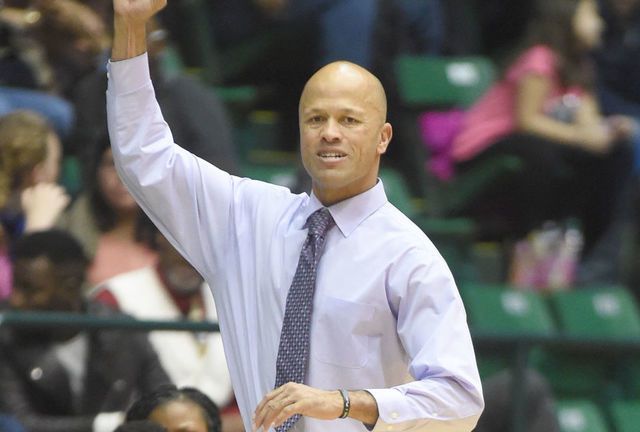
Prairie View A&M men’s basketball head coach Byron Smith is calling for improved medical care and athlete health resources across Historically Black Colleges and Universities, adding his voice to a growing conversation about player safety, recovery, and long-term well-being. Smith’s comments come amid increased scrutiny of how injuries are managed at HBCU athletic programs and whether student-athletes are receiving the medical support they need to compete safely. In an interview featured by Sports Illustrated, Smith emphasized that winning games should never come at the expense of player health and pointed to the pressures athletes can face to return before they are fully healed.
The Injury Context Behind Smith’s Comments
Smith’s call to action was fueled in part by the injury situation involving Prairie View A&M guard Tai’Reon Joseph, which raised broader questions about how medical decisions are made and communicated at the college level. In the Sports Illustrated report, Smith pushed back on the expectation that players should simply “push through” pain, warning that rushed recoveries can lead to long-term consequences that follow athletes well beyond their playing careers. The story gained additional reach after being republished by Yardbarker, further amplifying Smith’s message outside of HBCU-only circles.
The Bigger Issue: Sports Medicine Resource Gaps
Even as HBCU programs continue to grow their visibility and competitive profile, many athletic departments still face structural resource gaps that show up most clearly in sports medicine. Budgets have to stretch across travel, staffing, facilities, equipment, and recruiting—often leaving training rooms, rehab support, and preventative care underfunded compared to larger Division I programs. Smith acknowledged the reality of limited resources while insisting that athlete health has to remain non-negotiable. He argued that medical care shouldn’t be treated as an optional upgrade, but as a baseline expectation for any program responsible for student-athlete welfare.
Why This Matters for the Future of HBCU Sports
Smith’s comments land at a moment when athlete care is becoming more visible in recruiting and in public expectations of college programs. Families are paying closer attention to how schools handle injuries, whether athletes have access to consistent rehab support, and how recovery timelines are managed. In that context, improving sports medicine infrastructure isn’t only a health issue—it can shape trust, retention, and long-term program credibility. For more related coverage and context on how HBCU hoops is evolving, readers can explore HBCU Buzz’s Prairie View A&M.
Moving the Conversation Forward
While there hasn’t been a sweeping conference-wide policy response tied directly to Smith’s remarks, the attention around this story adds pressure for programs and stakeholders to evaluate whether current medical support is sufficient. Smith’s stance reframes “support” as more than scholarships and exposure—it’s also the day-to-day infrastructure that protects athletes when the season gets physical. As HBCU athletics continues to expand its footprint, the expectation will only grow that athlete health is treated as a foundational priority, not an afterthought.