
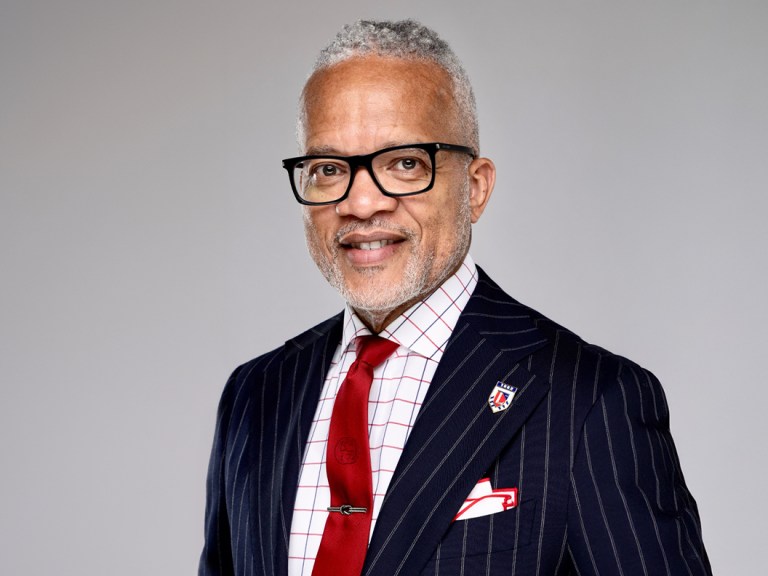
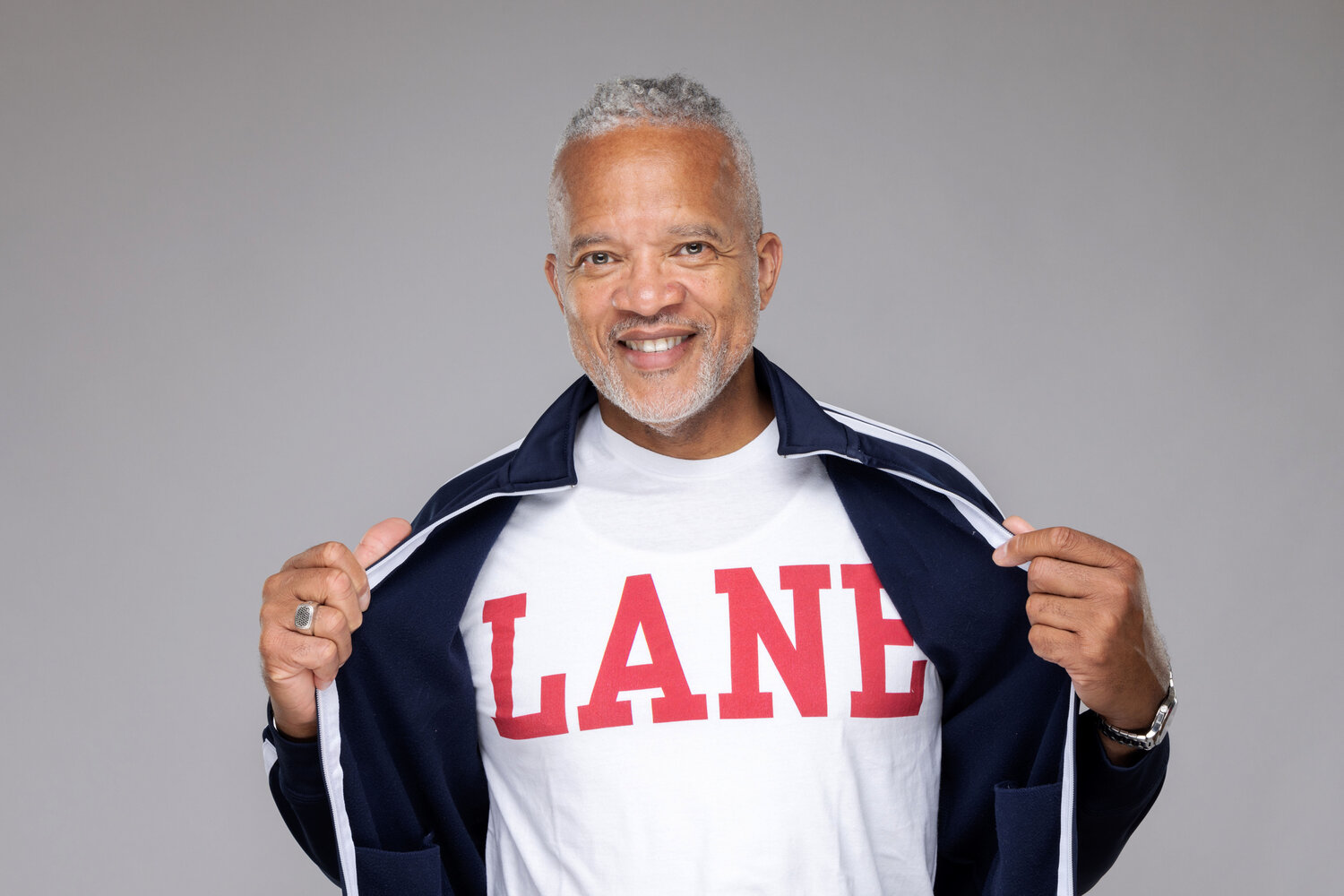
Lane College appoints Donald Comer as president, officially naming him the school’s 11th president after he had served as interim president since July 2024. The move gives the Jackson, Tennessee HBCU a clearer leadership path at a time when continuity matters, especially for institutions balancing enrollment strategy, fundraising, student success, and long-term institutional vision. For Lane, this was not a symbolic appointment. It was a decision rooted in performance, with the Board of Trustees choosing to make permanent what had already been taking shape in real time. Lane College and HBCU presidents remain two of the clearest lanes to watch when leadership changes like this happen across Black college campuses.
According to Lane College’s official announcement, the Board formally appointed Dr. Donald W. Comer after observing his leadership during his interim tenure, a period that began less than a year ago but appears to have been enough to convince institutional leadership that a broader search was unnecessary. That says a lot. In an era when many colleges launch drawn-out national searches, Lane instead leaned into stability. The decision suggests the board believed Comer had already demonstrated the strategic judgment, executive presence, and campus alignment needed to lead the institution into its next chapter.
That matters because presidential transitions at HBCUs are never just administrative news. They shape donor confidence, alumni perception, faculty morale, and student belief in where the institution is headed. For a school like Lane College, which has been part of the HBCU landscape since the nineteenth century and continues to serve students in West Tennessee, leadership is tied directly to momentum. When a board chooses not to restart from zero, it usually means it sees an opportunity to build instead of pause. Lane’s decision reads exactly that way.
Comer also brings a background that stands out. On the college’s presidential page, Lane notes that he spent 35 years at FedEx in senior-level roles connected to operations, analytics, and strategic planning. That kind of résumé is increasingly relevant in higher education, where presidents are expected to be more than ceremonial leaders. They have to manage budgets, shape institutional narratives, strengthen partnerships, and make systems run better. In the HBCU space especially, presidents are often asked to be fundraiser, operator, advocate, and visionary all at once. A leader with deep corporate experience can be especially valuable when a campus is trying to sharpen execution without losing sight of mission.
Lane College’s choice also fits into a larger pattern happening across the HBCU world. More schools are paying close attention to leaders who can stabilize operations while also speaking to the broader cultural and historical weight of Black colleges. The presidency at an HBCU is never just about keeping the lights on. It is about protecting legacy while finding ways to compete in a higher education environment that is getting more expensive, more crowded, and more politically complicated. That is why moves like this resonate beyond one campus. They become part of a broader conversation about what kind of leadership HBCUs need right now. Readers who follow Lane College coverage and broader Tennessee HBCU history already know the school sits in an important place within that conversation.
What makes this appointment interesting is that it does not come with the drama that often surrounds presidential hiring cycles. No public controversy. No extended uncertainty. No sense that the institution was searching for an identity. Instead, this feels like a board looking at the work already being done and deciding it had seen enough to move forward with confidence. WBBJ’s report, which cited Lane College’s release, framed the appointment as a direct continuation of Comer’s interim leadership rather than a sharp change in direction. That framing matters because it tells students, alumni, and supporters that the college is choosing momentum over disruption.
There is also something culturally important about moments like this for HBCUs that do not always dominate national headlines. Not every major development in Black higher education happens at the biggest or most publicly discussed campuses. Schools like Lane College continue doing the daily work of educating students, sustaining legacy institutions, and anchoring Black communities regionally. Leadership decisions at those schools deserve attention too, because they often reveal what is happening at the heart of the HBCU ecosystem: practical leadership, institutional resilience, and a constant push to remain relevant while honoring history.
Lane College appoints Donald Comer as president with a message that feels pretty clear: this is not a trial run anymore. The board has made its call, and now the focus shifts to what Comer’s full presidency will look like in practice. That means expectations around enrollment, student outcomes, campus partnerships, alumni engagement, and overall visibility will only get higher from here. But if Lane’s board believed his interim record was enough to bypass a national search, then the institution is signaling that it sees him as more than a safe choice. It sees him as the right one for this moment.