
One of the most troubling sports betting scandals in HBCU history just reached its conclusion — and the fallout is permanent.
On June 5, 2026, the NCAA Division I Committee on Infractions officially ruled four former Alabama State University men’s basketball players permanently ineligible after finding they agreed to throw a game during the 2024-25 season. The players — Amarr Knox, Shawn Fulcher, Corey Hines, and TJ Madlock — manipulated the outcome of a December 2024 road game against Southern Mississippi in exchange for a total of $2,000 in bribe payments. The Alabama State sports betting scandal is now one of the most high-profile integrity cases in college basketball history — and it carries consequences that will follow these young men for the rest of their careers.
What Happened in December 2024
On December 5, 2024, Alabama State traveled to Hattiesburg to face Southern Mississippi. Southern Miss was favored by six points. Before the game, Fulcher connected his teammates with a bettor through a group chat, arranging for the Hornets to underperform and ensure Southern Mississippi covered the spread.
The game played out exactly as arranged. Alabama State led by three at halftime — causing the bettor to send anxious text messages to the players — but the Hornets were outscored 51-31 in the second half and lost 81-64. Southern Mississippi covered. The bettor collected.
The four players split $2,000. Fulcher and TJ Madlock each received $700. Hines and Knox each received $300.
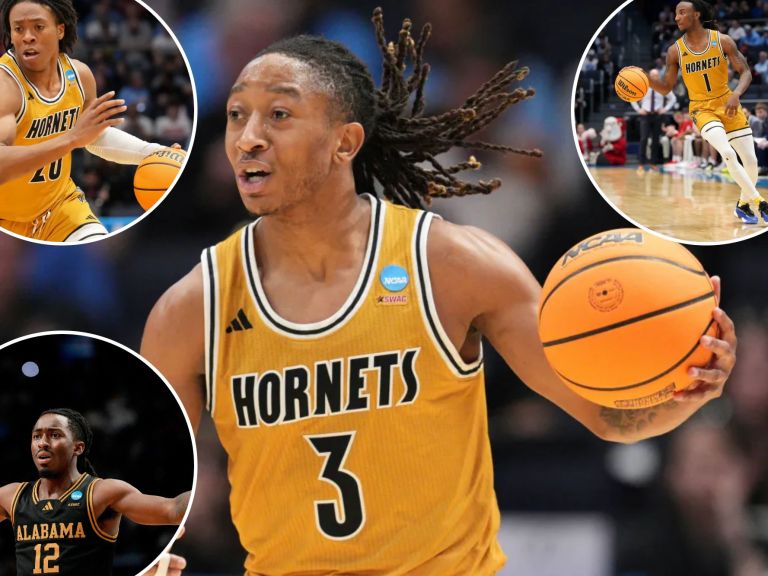
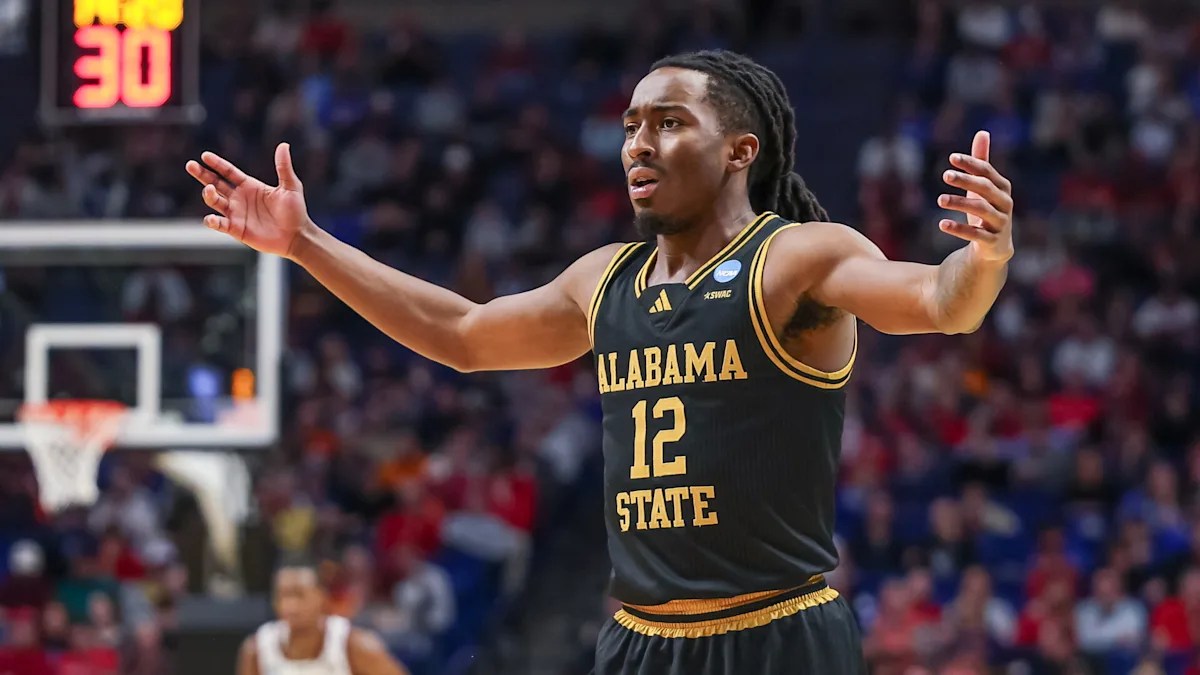
What makes the story even more jarring is the context. TJ Madlock is the son of former Alabama State head coach Tony Madlock — who is not accused of any wrongdoing and has since taken the head coaching job at Memphis. And Amarr Knox, one of the four players named, is the same guard whose buzzer-beating layup gave Alabama State its first-ever NCAA Tournament victory just months later in March 2025. The same player who made history for his program had already agreed to throw a game for pocket change.
Federal Charges and a Multi-Year Investigation
The case did not stay inside the NCAA’s walls. In January 2026, Fulcher and Hines were indicted by the U.S. Attorney’s Office for the Eastern District of Pennsylvania on multiple federal charges — including bribery in sports wagering contests, wire fraud, and conspiracy to commit wire fraud. Two bettors connected to the scheme were also indicted on January 14, 2026.
The investigation began in July 2025, when Temple University — where Hines had transferred — notified NCAA enforcement staff that Hines had been contacted by the FBI and shown text messages related to a sports integrity issue during his time at Alabama State. That notification unraveled the full picture.
Of the four players, only Knox agreed to his violations during the NCAA investigation. Fulcher and Hines denied the charges. Madlock declined to be interviewed entirely.
Alabama State released a statement distancing the institution from the violations and reaffirming its commitment to compliance. The school emphasized that the players are no longer part of the program and that the university itself is not a party to the case.
The Bigger Picture for HBCU Athletics
This case does not exist in isolation. The Alabama State scandal is part of a broader wave of sports betting integrity cases hitting college basketball programs across the country. Mississippi Valley State and multiple Power Five programs have also faced similar allegations tied to the explosion of legalized sports betting following the Supreme Court’s 2018 Murphy v. NCAA decision.
But for HBCU athletics, the stakes of this story carry a specific weight. Programs like Alabama State operate with smaller budgets, less institutional infrastructure, and athletes who often come from communities where financial pressure is real and constant. That context does not excuse what happened — four players agreed to corrupt a game and betray their teammates, their school, and their fans. But it does demand an honest conversation about the predatory nature of sports betting operators who specifically target college athletes.
Four young men threw away their careers for a combined $2,000. The sports betting industry that made that transaction possible continues to operate freely and lucratively. That imbalance deserves more attention than it gets.
What Comes Next
All four players are permanently ineligible and can only be reinstated with the direct assistance of an NCAA institution — an unlikely path given the circumstances. Fulcher and Hines still face federal criminal charges. The legal process will play out separately from the NCAA ruling.
For Alabama State, the program moves forward under new leadership — former head coach Tony Madlock has moved on to Memphis, and the Hornets are rebuilding. The school’s statement made clear that it views this chapter as closed on the institutional level. But the players whose names are attached to this decision will carry it with them long after the headlines fade.