
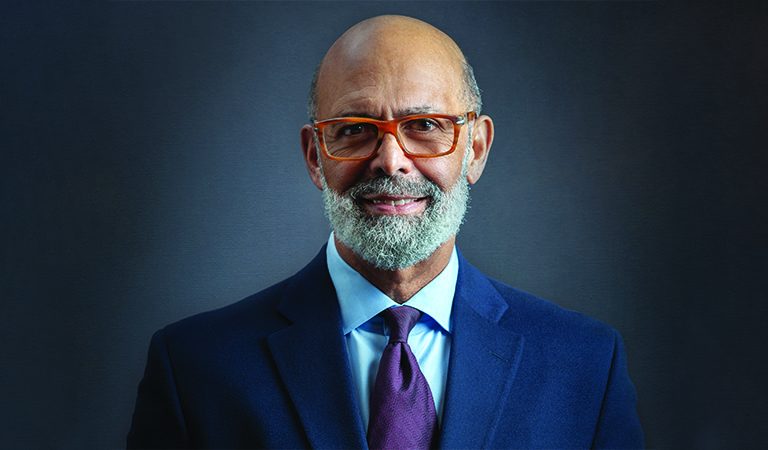
Michael Lomax UNCF tenure will officially end in June 2027. UNCF Board Chair Milton H. Jones, Jr. announced the planned transition this week, capping 22 years of leadership. Under Lomax, the United Negro College Fund became one of the most influential advocates for historically Black colleges and universities. Meanwhile, the announcement signals a carefully staged handoff, not an abrupt exit.
According to Jones, the timeline reflects years of deliberate succession planning between the board and Lomax. “This announcement reflects years of thoughtful succession planning between the UNCF Board of Directors and Dr. Lomax to ensure a seamless leadership transition,” Jones said in the official announcement. Consequently, the board wants Lomax’s exit to feel like continued momentum, not a disruption. Jones also praised Lomax directly, calling him one of the few leaders who has shaped an institution this profoundly.
Lomax arrived at UNCF in 2004 with deep HBCU roots already in place. Before taking the job, he served as president of Dillard University from 1997 to 2004. That background shaped how he approached UNCF’s mission from day one. As a result, he understood campus-level funding gaps firsthand, not just from a national vantage point.
Michael Lomax UNCF Legacy by the Numbers
Under Lomax’s watch, UNCF grew from a traditional scholarship fund into a financial powerhouse. For example, the organization raised more than $4 billion from private and philanthropic sources. In addition, UNCF helped more than 300,000 students pursue and complete college degrees during his tenure.
The numbers extend beyond fundraising totals alone. Scholarship opportunities now reach students at more than 600 U.S.-based colleges and universities. That list includes all 36 UNCF-member HBCUs. Furthermore, UNCF’s endowment climbed almost tenfold, moving from $60 million to $500 million. Projections point toward $600 million before Lomax departs. As a result, UNCF enters its next chapter with far more capacity than it had in 2004.
Beyond the fundraising totals, Lomax reshaped how the country talks about HBCUs. He strengthened partnerships across philanthropy, corporate America, higher education, and government. Therefore, his exit marks the departure of one of the sector’s most recognized spokespeople, not just an administrator moving on.
A Transition Built for Continuity
Lomax will not disappear overnight, and that pacing appears intentional. Rather, he plans to stay fully engaged through June 2027. During that stretch, he will lead the rollout of UNCF’s 2030 Strategic Plan. He will also push the organization’s capital campaign toward its next milestone of $1 billion. Once he steps down as president and CEO, he will remain in a consultative role for one more year to support his successor.
“Serving as president and CEO of UNCF has been the privilege of a lifetime,” Lomax said, according to Black Enterprise. He credited the board, member institutions, donors, and staff for UNCF’s growth. Additionally, he emphasized that the leadership change is not a pause in UNCF’s work. Instead, it continues an agenda that stretches well past his own departure.
Search for the Next UNCF President
UNCF’s board has already launched a national search for Lomax’s successor. The process aims to find a leader who can build on his legacy. That leader will also need to steer the organization through its next era of growth and innovation. In the meantime, UNCF’s executive team will stay closely engaged with member institution presidents, donors, and philanthropic partners. This protects the organization’s fundraising goals during the handoff.
This kind of leadership turnover carries weight across the broader network of HBCU presidents who have relied on Lomax’s advocacy for two decades. Since UNCF’s support touches campuses nationwide, the incoming president inherits both a well-funded institution and high expectations. Still, UNCF insists it enters the search from a position of strength. The board points to record fundraising momentum and strong financial stewardship as evidence.
What Comes Next for UNCF
Throughout the coming year, UNCF plans to celebrate Lomax’s contributions to higher education and HBCUs. Additional recognition events will be announced as the transition year unfolds. For context, UNCF’s fundraising events have long showcased the kind of donor engagement Lomax built. That includes the annual Mayor’s Masked Ball, a longtime staple of UNCF’s calendar.
Since its founding in 1944, UNCF has raised more than $6 billion overall to support HBCU students. Lomax’s 22-year stretch accounts for a substantial share of that total. Now, as the search for new leadership gets underway, UNCF’s board says the organization is positioned from a place of financial strength. Ultimately, the Michael Lomax UNCF chapter will close not with a scramble, but with a plan two years in the making.
For HBCU students and alumni watching from the outside, this transition is worth tracking closely. Whoever succeeds Lomax will inherit a $500 million endowment. They will also inherit a $1 billion capital campaign already in progress, plus a 2030 Strategic Plan in motion. That is a very different starting point than the one Lomax faced back in 2004. It is, in large part, why the board wanted a transition this deliberate in the first place.
Additionally, the timeline gives current UNCF partners and donors nearly a full year of visibility before any change takes effect. Nothing about the search or the handoff needs to move quickly. Instead, UNCF appears intent on treating Lomax’s exit the same way it treats a capital campaign: methodically, with clear milestones, and with plenty of runway built in.