

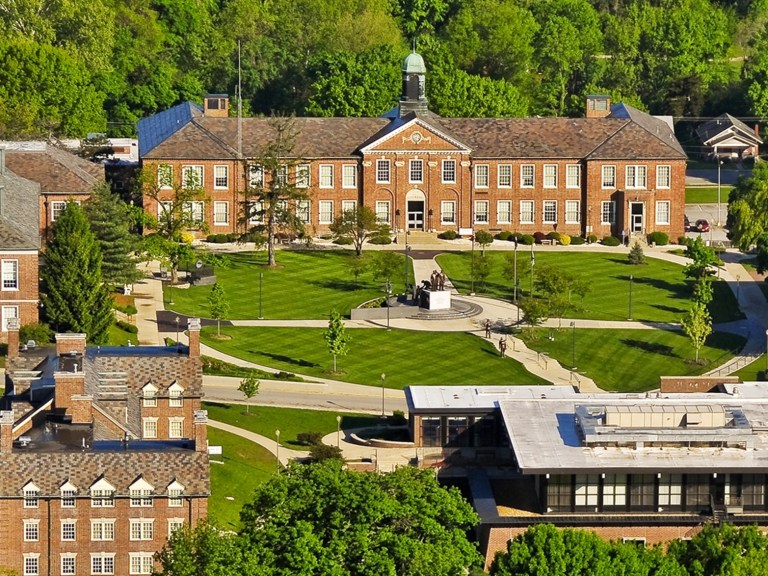
The Lincoln University lawsuit puts a decades-old funding fight in front of a federal judge. On Oct. 7, seven current and former students of Lincoln University of Missouri sued the state in U.S. District Court, alleging it shortchanged the HBCU in violation of federal law and the Constitution. They’re asking for a remedial fund of about $549 million and a court order guaranteeing equal funding going forward. Nothing has been proven, and the state hasn’t answered in court yet. ABC17 labels the filing Kitchen v. Kehoe.
What the Lincoln University Lawsuit Alleges
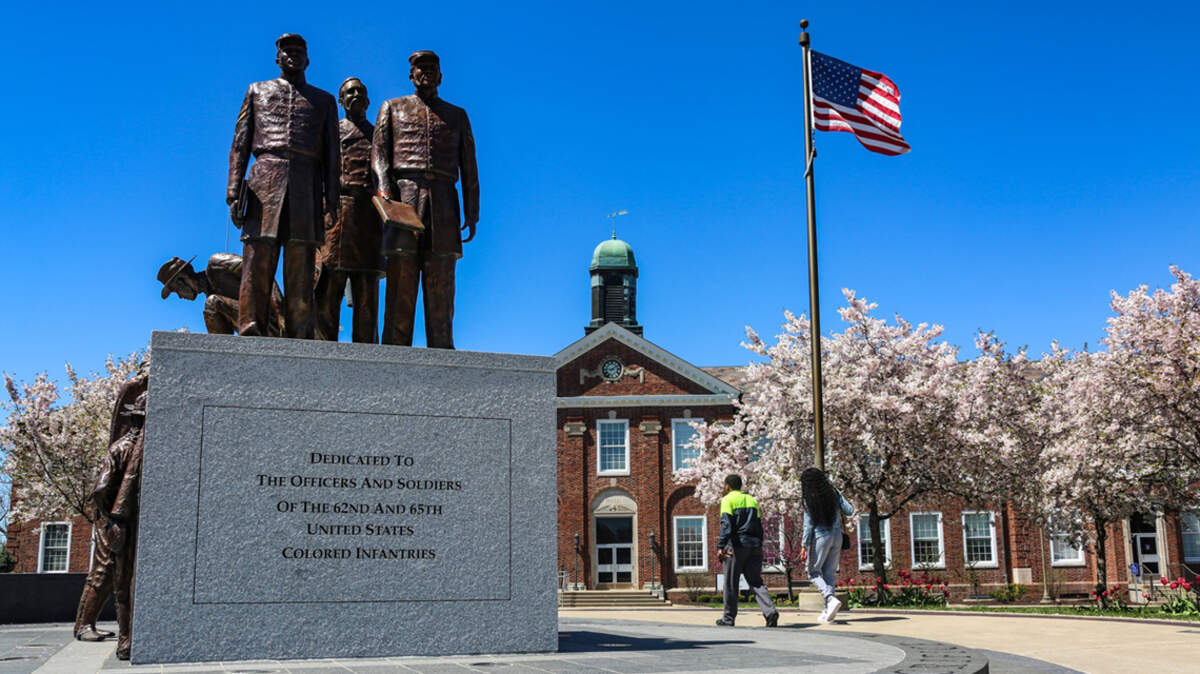
Lincoln traces its roots to 1866, when soldiers of the 62nd U.S. Colored Infantry helped establish it in Jefferson City. The case rests on the Second Morrill Act of 1890. Lincoln is one of 19 HBCUs designated as land-grant institutions under that law. Missouri chose to fund a separate school for Black students rather than admit them to its flagship. Each year, the U.S. Department of Agriculture sends land-grant money to those schools and expects states to match it. Waivers let 1890 universities draw their full federal grant if they put up at least 50%.
According to the Missouri Independent, the complaint says Missouri earmarked no match for Lincoln from fiscal 2000 through 2007. From 2008 to 2021, the state supplied between 11% and 51% of what was required. Lincoln leaders then diverted core money to pull down the full USDA grants, totaling $43.5 million between 2000 and 2016. The suit says that forced Lincoln to “cannibalize its own core institutional operating budget.”
Meanwhile, the University of Missouri got its full match. From 2011 to 2022, it received $191.7 million in federal grants alongside $192.7 million from the state. The plaintiffs also challenge a 2012 performance-funding formula. They argue Lincoln’s land-grant money depends on it, while the University of Missouri’s doesn’t, and they call that unequal treatment under the Equal Protection Clause.
The Numbers Behind the $549 Million
The $549 million figure breaks into two pieces. St. Louis Public Radio reported the complaint seeks a documented shortfall of $223.8 million plus $325 million in prejudgment interest. Attorney Don Calloway said the underfunding figure comes from federal letters sent in 2023. That year, the Agriculture and Education secretaries wrote to 16 governors and put Missouri’s gap at $361.6 million between fiscal 1987 and 2020. Across all those states, they estimated a $12 billion disparity.
Coverage varies on the exact total, so read the headlines carefully. Some outlets report nearly $550 million, while others cite a lower figure or the $361.6 million number. Calloway also said Missouri has only recently started meeting its match obligation. The money is only half the ask. Calloway said the main goal is a federal consent decree that keeps Lincoln funded on par with the University of Missouri every year.
Students Describe What It Looked Like
The complaint doesn’t stay in spreadsheets. Plaintiff Makhi Jaff documented his time at Lincoln in 2023 and 2024. His presentation describes a burst-pipe problem in Perry Hall that lingered for weeks. Jaydan Ware arrived in 2025. The lawsuit says dirty ventilation in her Tull Hall room led to respiratory and allergic symptoms she’d never had. Others say dining hall problems pushed them to spend extra money eating elsewhere. Ware has a cousin at the University of Missouri and said she can see “how much more funding they have than us.”
Back in 2023, Lincoln President John Moseley estimated repairs at $87 million. State lawmakers asked for a study of the funding inequity that year, but legislative leaders never approved a special committee.
Who’s Behind It and Who’s Responding
The suit is part of the 1890 Project, founded by Calloway, a former Missouri House member. Jared Boyd, a former chief of staff to St. Louis Mayor Tishaura Jones, is co-counsel. John Bowman, a former legislator and ex-head of the St. Louis County NAACP, says several NAACP branches are signing on. Calloway also said his team had a role in drafting the April 2025 White House executive order urging states to match land-grant funding. Harris-Stowe State University, Missouri’s other HBCU and a state-based land-grant school, isn’t part of this case. Calloway says it has faced funding disparities of its own, through different mechanisms.
The defendants are Gov. Mike Kehoe, the Coordinating Board for Higher Education, Higher Education Commissioner Bennett Boggs, and University of Missouri System President Mun Choi. Kehoe’s office says it hasn’t been served and won’t comment on pending litigation. Lincoln declined to comment, and the University of Missouri cited the ongoing case. The Missouri Legislative Black Caucus backed fair funding for Lincoln and welcomed a good-faith resolution.
Why Other States Are Watching
Missouri may not be the last stop. The Atlanta Journal-Constitution reported that three Georgia plaintiffs joined the Missouri case. The paper’s headline says Georgia could owe an HBCU $603 million, and the legal team intends to collect. Florida’s version is already moving, and HBCU Buzz covered how an appeals court revived the Florida A&M University case in June.
For readers tracking HBCU funding, the next step in the Lincoln University lawsuit is the state’s response. Missouri can contest the claims, or it can negotiate, which Calloway says he wants. Either way, the case lands after a 2023 federal letter first put numbers on the gap, and the courtroom is now where those numbers get tested.