
Campus life moves fast. Between lectures, assignments, and social commitments, the gaps in between (a free hour before class, lunch breaks, the commute across campus) have become small but meaningful windows that students actively seek to fill.
Smartphones have stepped into those windows. This device is no longer just a communication device; for most, it has become the primary gateway to leisure.
Gaming Portals as the Most Frequent Stop
When students pull out their phones during downtime, gaming is consistently the first destination. It is the most frequent stop across virtually every campus demographic, and the reasons are straightforward.
Mobile games are immediately accessible, require no setup, and can be played in sessions as short as two minutes or as long as two hours. That flexibility makes them a perfect match for the unpredictable, fragmented nature of campus free time. Players don’t need to sit at a desk, connect to a specific network, or carry extra hardware. The phone alone is enough.
The variety available also plays a major role. Students are not locked into a single genre or style. Some prefer action titles that deliver immediate stimulation, while others gravitate toward strategy games that let them think slowly and deliberately. The sheer range of options means that mobile gaming can serve almost any mood or energy level, which is rare for a single category of entertainment.
Battle royale games represent one of the clearest examples of why mobile gaming dominates campus downtime. Titles in this genre drop players into large competitive maps where the goal is straightforward: outlast everyone else. The format works brilliantly on mobile because each match has a defined beginning and end, so a student can complete a full session in a reasonable time and walk away feeling like they actually finished something.
Games like PUBG Mobile and Free Fire have built enormous communities among younger players, and their mobile versions are genuinely well-optimized. The competitive element adds another layer of engagement, since players are always improving, ranking up, or working toward the next unlock.
Another popular aspect of mobile gaming that has grown significantly is sweepstakes casinos. According to BallIsLife’s guide, more than 290 sweepstakes casinos are available right now, and users have appreciated their interesting promotional offers and casino-style games. The dual-currency model these platforms use, offering both free play coins and sweeps coins that can be redeemed for prizes, gives players a sense of real stakes without the financial risk that would make traditional gambling unsuitable for most students managing tight budgets.
Puzzle and trivia games round out the gaming landscape in a meaningful way. Apps like Wordle-style daily challenges, logic puzzle games, and knowledge-based trivia titles have found a dedicated audience among students who want something mentally engaging but less time-intensive than a competitive multiplayer session. These games attract players who also value the cognitive aspect, the feeling that they are sharpening a skill or exercising their brain rather than just passing time.
Social Media and Short-Form Video
A significant portion of how students spend their free time on phones falls into passive consumption: scrolling, watching, and absorbing content without direct interaction. Short-form video platforms have become the dominant force in this space.
The algorithm-driven feed model means that students never have to make a deliberate choice about what to watch next; content arrives automatically, calibrated to their interests, and each video is short enough that stopping feels easy but rarely happens. That design is intentional, and it works. Fifteen-minute breaks frequently extend well beyond their intended length when a student is deep in a short-video scroll.
What makes this category distinct from gaming is the lack of agency involved. Gaming requires decisions, responses, and engagement. Watching short videos demands very little. For students who are mentally exhausted after long lectures or exam preparation sessions, that passivity is the appeal. The brain gets a break while the eyes keep moving.
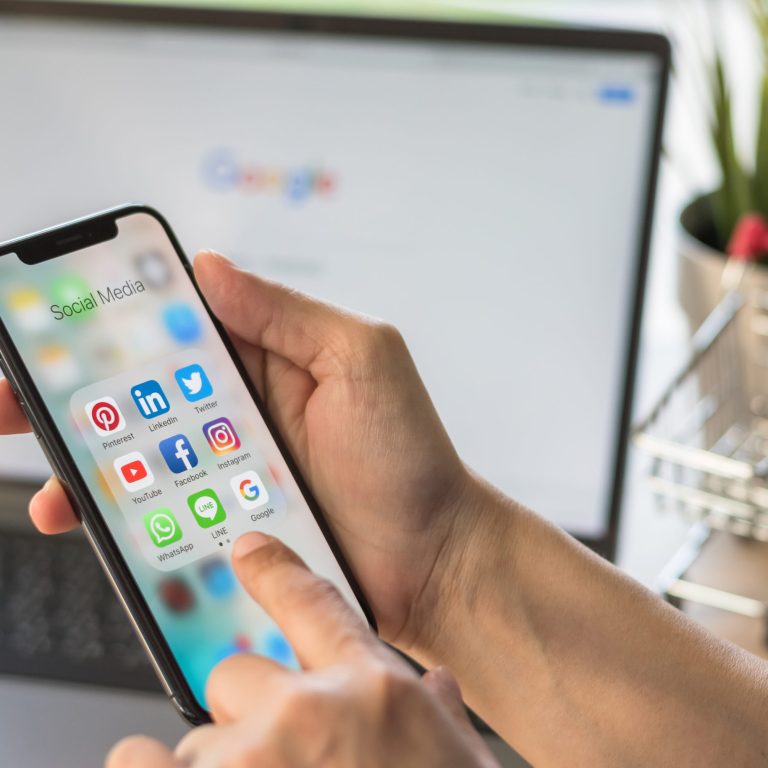
Social media platforms serve a similar function, but they add a social dimension: checking on friends, following ongoing conversations, and staying updated on campus events. The combination of passive entertainment and social connection makes these apps a reliable destination whenever students have even a few minutes to spare.
Music Streaming and Podcasts During Transit Time
Campus life involves a lot of movement. Walking between buildings and riding campus shuttles are stretches of time that students have largely handed over to audio content. Music streaming is the most common choice, with curated playlists and algorithmic recommendations making it effortless to find something suited to the moment.
Students building a study mindset will queue up focus-oriented instrumental tracks; others use the walk between classes to decompress with whatever they are currently listening to. Music’s personal nature makes it one of the most consistently used smartphone features across all student demographics.
Podcasts have grown steadily as a campus downtime choice, particularly among students who prefer content that feels productive even when they are technically resting.
A student walking to the library while listening to a podcast about finance, history, or technology can frame that activity as learning rather than leisure, which appeals to the part of campus culture that tends to feel guilty about pure downtime. Podcast episodes are also longer-form by nature, which suits commutes or gym sessions where a student has twenty to forty minutes to fill.
What Campus Downtime Tells Us About Digital Habits
The pattern that emerges from looking at campus smartphone use is not random. Students consistently gravitate toward content and platforms that offer clear value in a short window of time, whether that value is entertainment, competition, social connection, or mental rest.
Gaming dominates because it delivers immediate engagement and a defined experience within whatever time is available. Social video and music fill the gaps where active engagement feels like too much effort.
The smartphone has become the infrastructure of campus leisure, and every category thriving on it does so because it respects the fundamental reality of student life: time is fragmented, energy levels vary, and the best digital experiences meet students exactly where they are.