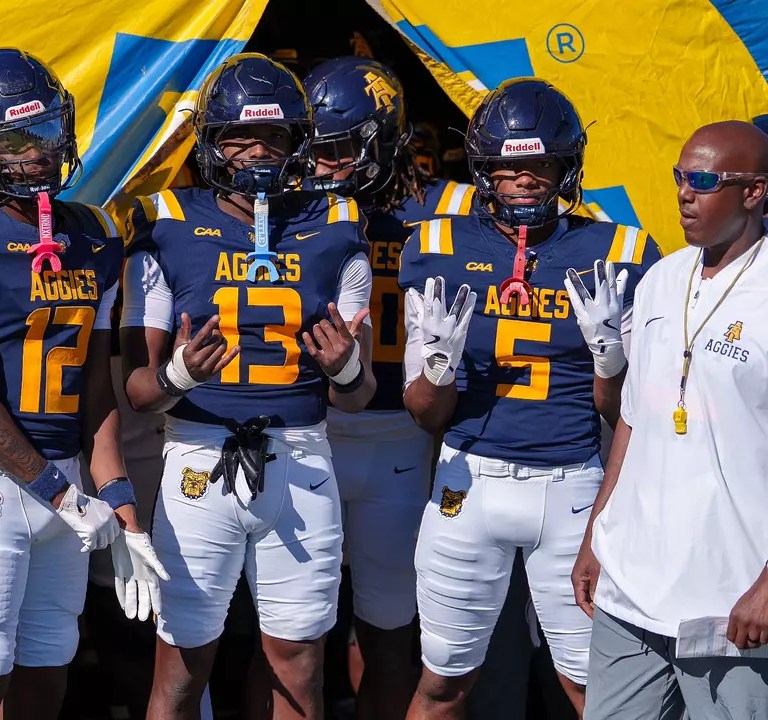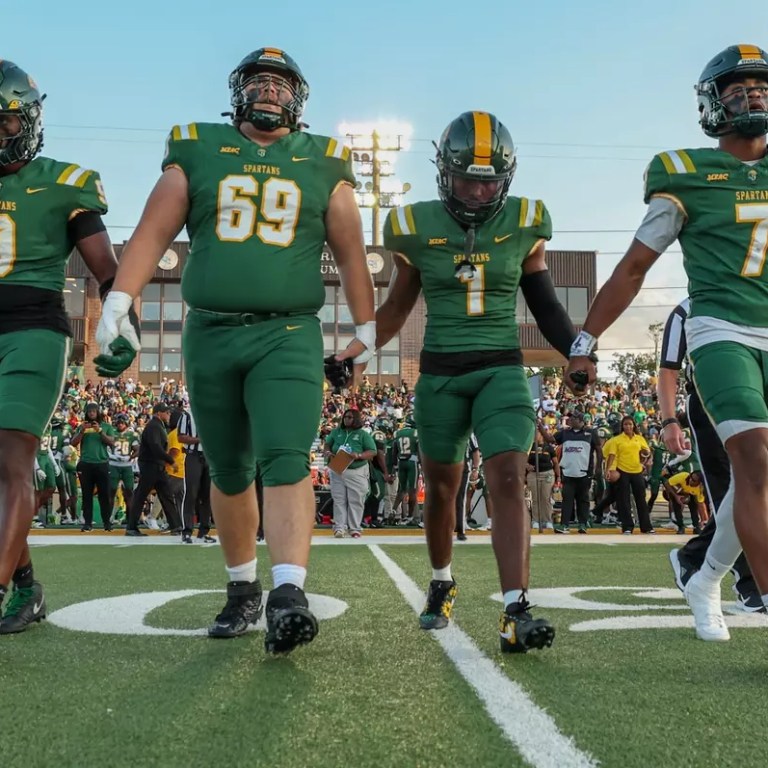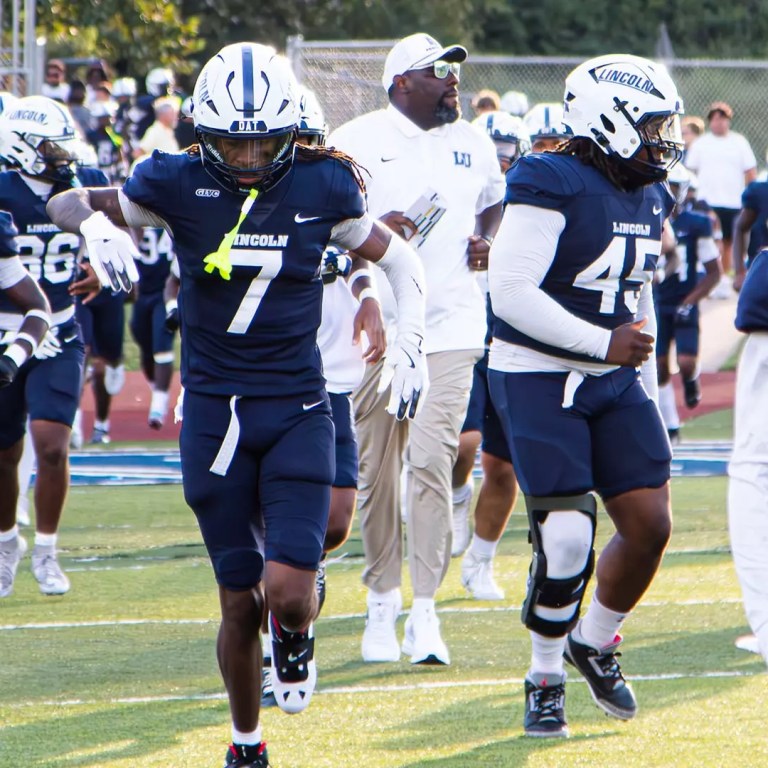

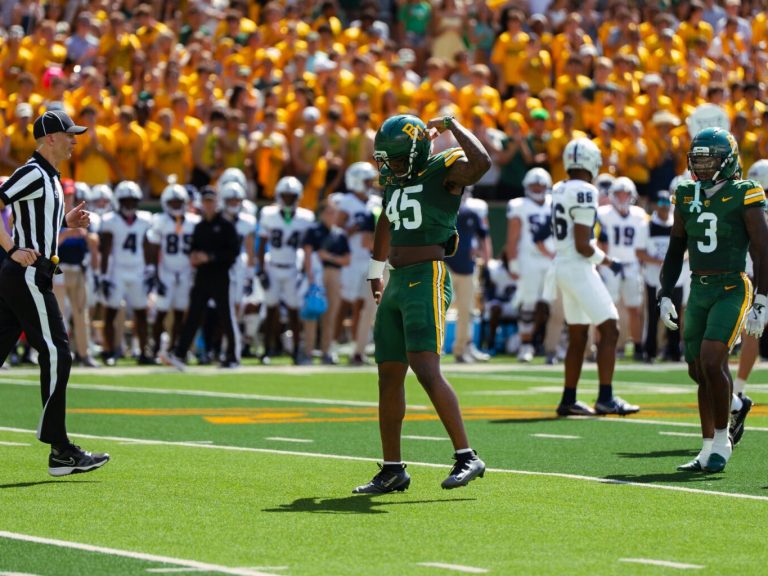
Wilberforce football is officially coming back. The nation’s first private HBCU has been off the gridiron for nearly 80 years. Now it plans to return in 2027.
It won’t be a soft launch, either. Wilberforce has already named a head coach. His staff is out recruiting the players it says will become the program’s foundation. The school laid out the plan in its official announcement on the Bulldogs’ athletics site.
A year ago, this was just a feasibility study. Now it has a timeline, a coach and a fundraising pitch.
Wilberforce Football Picks Its Head Coach
Earnest Wilson will lead the rebuild. He brings roughly 35 years of college coaching experience, much of it at HBCUs.
Most recently, Wilson coached special teams and running backs at Edward Waters in 2025. Before that, he ran Savannah State from 2013 to 2015. He then led Elizabeth City State in 2016 and 2017. His combined record at those stops was 11-43.
That record will draw some side-eye. Still, context matters. Both jobs came with thin budgets and steep rebuilds. Wilson also knows how to run an offense. He called plays as offensive coordinator at Benedict, Jackson State and Hampton.
More importantly, he has spent a career building with limited resources. At a startup program, that might matter more than a gaudy win total.
A Program Last Seen in 1947
The Bulldogs haven’t played since 1947. That season closed a 25-year run. The program’s end then fed into the start of Central State’s football tradition across the road.
That shared history runs deep. Central State actually began as a department inside Wilberforce before Ohio lawmakers split it into its own school in 1951. Today, the two campuses still sit across the street from each other in Greene County.
Wilberforce’s high-water mark came in 1931. That year, the Bulldogs went a perfect 8-0 and claimed the program’s only Black college football national championship. Alumni still bring it up. Now current students might finally get a team of their own to talk about.
How Wilberforce Got Here
The comeback didn’t start with football. Over the last few years, Wilberforce has steadily rebuilt its athletic department one sport at a time.
First came baseball, which returned with backing from the Cincinnati Reds. We covered that comeback when it happened. Then the school added women’s gymnastics, volleyball and co-ed track and field. According to Spectrum News’ reporting last fall, football would make five reinstated sports.
In fall 2025, President Vann R. Newkirk launched a feasibility study to test whether football made sense. We reported on that study last October. Students were already on board. The study found about 70% of the student body supported bringing the sport back.
The Money Question
Of course, a football program is expensive. So Wilberforce is asking for help.
The university has put out a call for corporate sponsors and major donors. The wish list includes a new stadium and facilities, uniforms and equipment, scholarships and sports medicine. Dr. Grant L. Winrow, Wilberforce’s vice president for institutional advancement, is the point person for anyone who wants to give.
Last year, Newkirk floated an initial goal of $500,000 for equipment. He also raised the idea of a 5,000-seat stadium on campus. Neither figure is small for a private school of Wilberforce’s size.
That’s the real challenge. Hiring a coach is the easy part. Keeping a roster fed, insured, equipped and traveling every fall is where startup programs live or die.
Title IX adds another layer. The feasibility study had to account for it, since a big men’s roster has to be balanced by opportunities for women. That’s likely one reason women’s gymnastics and volleyball arrived first. Those programs help keep the math legal before a single football scholarship goes out.
Why Wilberforce Football Matters
For small HBCUs, football is often an enrollment strategy as much as a sport. A full roster alone can bring dozens of new students to campus. Add a band, cheer squad and game-day staff, and the numbers grow further.
Homecoming changes too. Alumni who haven’t visited in years suddenly have a reason to come back. Many will write a check while they’re there.
There’s also the history. Wilberforce was founded in 1856 as the first college owned and operated by African Americans. Putting its name back on a football field connects that legacy to a new generation.
What Comes Next
The next milestones are practical ones. Who fills out Wilson’s staff? Where will the Bulldogs play home games? Which opponents land on that first schedule?
Meanwhile, recruiting has to happen now. Players signing on today are betting on a program that doesn’t have a single snap on film yet.
Geography helps. Wilberforce sits roughly 20 miles from Dayton, in a state that produces plenty of overlooked high school talent. There’s also a pool of players looking for a fresh start. Last fall, one student told Spectrum News he saw the program as a second chance after decommitting from another school. For a Wilberforce football staff, those are exactly the recruits worth chasing: hungry, local and ready to be first.
If it works, the first kickoff in 2027 will carry nearly 80 years of waiting. Follow the build in our Wilberforce University coverage. For everything else on the field, see our HBCU football coverage.