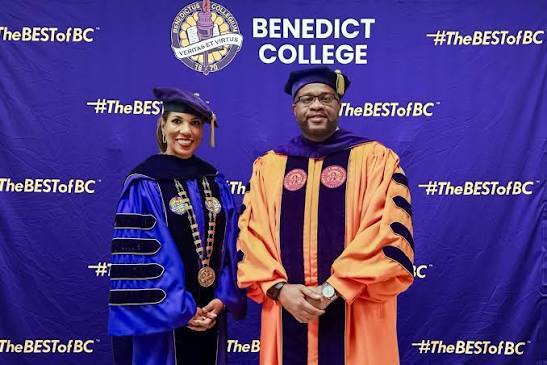

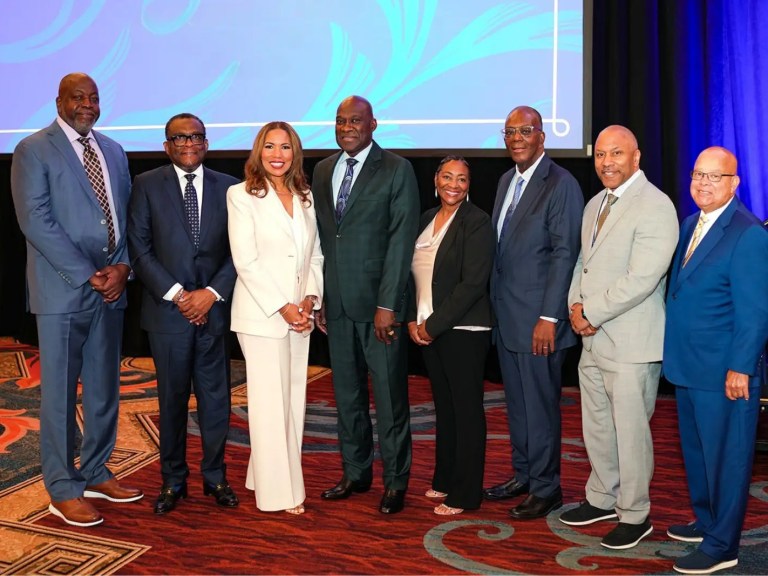
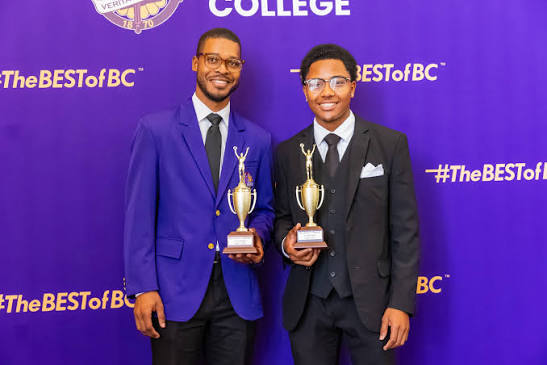
The Benedict College BEST Men Program just landed real money behind it: a $100,000 grant from The Boulé Foundation. Benedict already enrolls something rare in higher education — a student body that’s majority male. This grant is aimed at keeping those young men enrolled, mentored, and moving toward graduation.
The B.E.S.T. Men Program is a newly established, comprehensive mentorship initiative at the Columbia, South Carolina HBCU. It wraps students in mentors, leadership development opportunities, academic support, career preparation, and wellness resources, all built around one core idea. Persistence in college rarely comes from talent alone. Students finish when someone consistently shows up for them, challenges them, and refuses to let a rough semester become a permanent dropout statistic.
Why Benedict built the BEST Men Program
Benedict College President Roslyn Clark Artis has been direct about the thinking behind this initiative. In a piece for UNCF, Artis argued that colleges shouldn’t wait until Black men become a headline or a statistic before investing in them. That’s the entire premise of the Benedict College BEST Men Program. Intervene early, and intervene consistently, rather than reacting after the fact.
Benedict’s own enrollment numbers back up why this matters specifically for this campus. The college enrolls a majority-male student body. That’s an uncommon distinction among private HBCUs and in higher education generally, where women typically outnumber men on campus by a wide margin. That reality means Benedict has a bigger stake than most institutions in getting male retention and graduation right. A larger share of its overall student success depends on it.
The Boulé Foundation’s role
The Boulé Foundation is connected to Sigma Pi Phi Fraternity, and Artis specifically credited “the distinguished men of Sigma Pi Phi Fraternity” for backing the initiative. She framed their investment as more than a check. It’s a statement about leadership, she argued. That kind of leadership isn’t measured just by responding to tragedy after it happens. It’s measured by building opportunities for young Black men to thrive well before tragedy ever has a chance to find them. HBCU Buzz has covered similar mentorship and success initiatives across the HBCU landscape in its ongoing HBCU student success coverage.
A model Benedict wants other funders to copy
Artis didn’t stop at thanking one donor. She used the moment to push a broader challenge to funders. Imagine, she wrote, if corporations funded mentorship programs with the same enthusiasm they show when sponsoring memorial funds after a tragedy. Imagine if professional athletes endowed leadership programs proactively instead of waiting to create scholarships in someone’s memory. Imagine if foundations, faith communities, and philanthropists treated investment in young Black men as one of the nation’s most important forms of economic and social development. Not as an afterthought.
That framing matters because it positions the Boulé Foundation’s $100,000 gift as a template, not a one-off. Benedict is betting that other institutions and funders will look at the BEST Men Program’s structure and see something replicable — mentorship, leadership development, academic support, career prep, and wellness resources, funded together under one initiative rather than scattered across disconnected programs.
Sigma Pi Phi Fraternity, commonly known as the Boulé, is one of the oldest Black Greek-letter organizations in the country. It’s built around professional and civic leadership rather than undergraduate chapters. That history gives this particular gift extra symbolic weight. This isn’t a first-time donor experimenting with education philanthropy. It’s an established Black professional network putting real money behind a specific, structured program aimed at young Black men still working toward their degrees.
What comes next for Benedict’s male students
The grant gives Benedict real capital to build out programming rather than run it on goodwill alone. Mentorship initiatives at HBCUs often start as informal efforts led by a handful of committed faculty or staff. That makes them fragile and hard to scale. A dedicated funding stream changes that math, giving the BEST Men Program room to formalize mentor matching, track outcomes, and expand beyond whatever a small team could manage on volunteer hours.
For a campus where male students already make up the majority, the stakes of getting this right extend well past any single cohort. Benedict’s broader institutional turnaround under Artis backs up that confidence. Graduation rates have jumped 233% since 2018, and the college has reduced its debt by nearly $56 million. That track record suggests Benedict can execute on ambitious goals once it commits to them. The Benedict College BEST Men Program is the next test of that same execution, this time aimed squarely at the population that makes up most of the student body it’s trying to serve.