
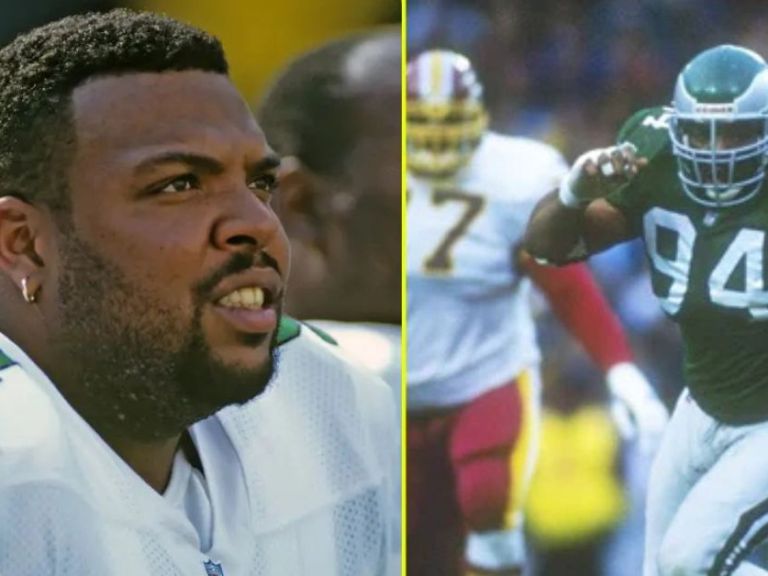
Authorities in Los Angeles are investigating the death of former HBCU and NFL player Kevin Johnson, whose body was discovered earlier this week at a homeless encampment in the Willowbrook area. The Los Angeles County Medical Examiner has ruled Johnson’s death a homicide, citing blunt force trauma and stab wounds, according to reporting from the Associated Press.
Johnson was 55.
The circumstances surrounding his death have sent shockwaves through both the football world and the HBCU community, where Johnson is remembered as a standout defensive lineman who made it to the highest level of the sport after coming through an HBCU pipeline.
From HBCU standout to the NFL
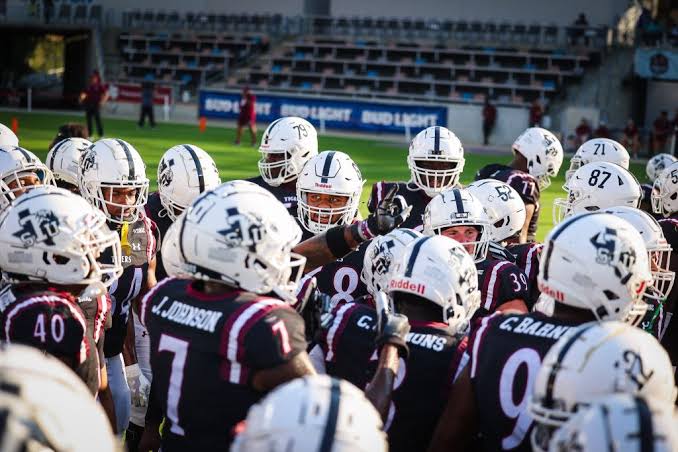
Before reaching the NFL, Johnson played college football at Texas Southern University, where he developed into a dominant presence on the defensive line. His performance at the HBCU level ultimately earned him a shot in the league, where he went on to play multiple seasons in the NFL during the 1990s, including time with the Philadelphia Eagles and the Oakland Raiders.
Johnson’s path reflected a familiar reality for many HBCU athletes of his era—elite talent, limited exposure, and a narrow margin for long-term security once the playing days end.
Details of the investigation
According to law enforcement officials, Johnson was found unresponsive at the encampment in the early morning hours. The case remains under active investigation, and no arrests have been announced. Additional reporting from HBCU Game Day confirmed that authorities are continuing to seek information related to the circumstances surrounding his death.
Friends and former teammates who spoke to reporters described Johnson as charismatic and well-liked, but also noted that he faced ongoing challenges later in life, including health issues that may have contributed to his housing instability.
A painful reminder for the HBCU and football communities
Johnson’s death has reopened difficult conversations about life after football—particularly for players who came through HBCUs during a time when post-career support systems were far less developed. While the NFL has made strides in recent years around player wellness, stories like Johnson’s highlight the gaps that still exist once athletes leave the game.
For the HBCU community, the loss cuts deeper. Johnson represents a generation of players who helped elevate their institutions on the field, often without the safety nets afforded to athletes from larger programs.
As the investigation continues, many are remembering Kevin Johnson not just for his time in the NFL, but for the pride he brought to his HBCU and the legacy he leaves behind.