
The Human Jukebox Gap campaign almost didn’t happen this way. An A-list artist backed out. A trip to Atlanta got scrapped. And somehow, that chain of events is exactly how Southern University’s marching band ended up starring in its own national Gap ad instead of playing backup in someone else’s.
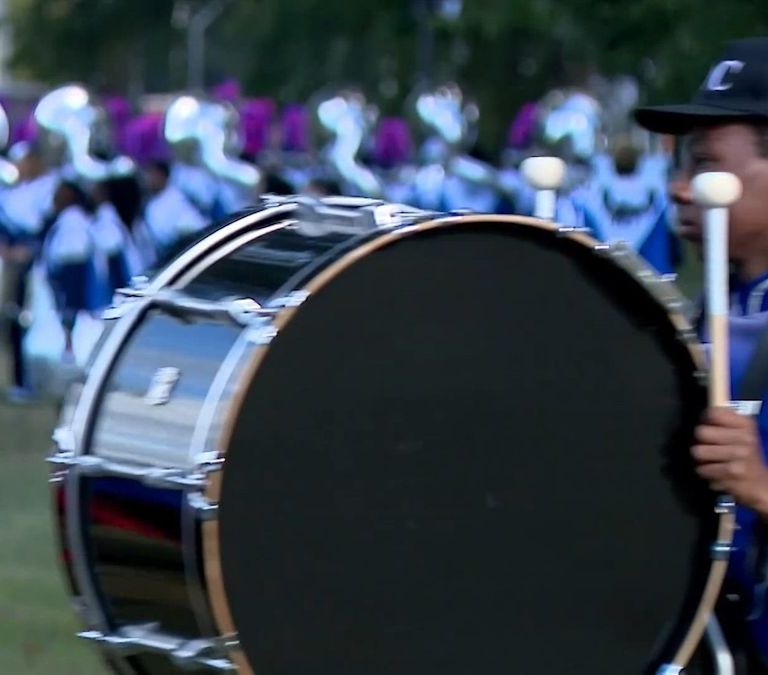
The Baton Rouge band appears in Gap’s new “Denim on My Own” campaign, performing its own arrangement of Robyn’s “Dancing on My Own” while dressed in custom denim built around Southern University and Human Jukebox branding. Gap released the spot across YouTube and Instagram, and the reaction from HBCU fans and Southern alumni was immediate. It’s a big enough moment that band director Kedrick D. Taylor is still a little amazed by how it came together.
How the Human Jukebox Gap campaign came to be
Taylor told WAFB that Gap first reached out by email. The ask was simple: would the band be interested in a commercial? Easy yes. The original plan had the Human Jukebox traveling to Atlanta to perform alongside a major artist whose music the band had recently covered. Taylor called it “a match made in heaven” at the time.
Then the artist’s involvement fell through, for reasons that were never made public. Gap didn’t scrap the shoot, though. Instead, the brand pivoted the whole concept around Southern.
“They realized that we were a brand ourselves,” Taylor said, describing the moment Gap decided the Human Jukebox would carry the ad on its own. Rather than flying the band out, Gap brought the shoot to Southern’s campus and filmed it inside the band’s own stadium. “So, you know, plan A didn’t work. We go to plan B,” Taylor said. “But the Human Jukebox was always going to shine.”
Custom denim, built for the band
Gap didn’t just point cameras at the band in whatever gear was already in the closet. The company designed custom outfits specifically for the students — dark denim jackets and jeans with “SU” lettering on one side and the Human Jukebox shield on the other. “They branded a special Gap jean outfit for all the students,” Taylor said. The finished look still reads unmistakably as Southern, just filtered through Gap’s fabric.
That kind of attention to detail matters for a band whose identity is already this specific. The Human Jukebox has spent decades turning contemporary hits into full-brass spectacles, the kind that regularly upstage whatever’s happening on the field that day. It’s the same reason the band has appeared everywhere from Super Bowl pregame festivities to presidential inaugural parades over the years — Southern’s sound travels well beyond Baton Rouge. Handing that band custom gear instead of stock denim was Gap acknowledging something HBCU fans already knew. This isn’t a generic marching band cameo. It’s a brand collaboration between two entities that both understand their own cultural weight. The wardrobe choice reflects that — nothing about the shoot treats the band as scenery.
Part of a bigger pattern for Gap and HBCUs
This isn’t Gap’s first run at Black college culture, either. The retailer has partnered with Harlem’s Fashion Row since 2019. That relationship has produced mentorship programs, industry events, and more than $500,000 in scholarships spread across ten HBCUs. That funding has gone toward students in fashion programs specifically, not general campus initiatives. Gap has also worked with Harlem fashion legend Dapper Dan on past campaigns and collections, building a track record with Black creative culture that predates this specific ad by years. Readers can find more on how brands are building out those HBCU ties through HBCU Buzz’s ongoing HBCU culture coverage.
The timing lines up well, too. The Human Jukebox Gap campaign is landing right as Southern students return to campus and HBCU football season ramps up. That’s the exact window when marching bands become the biggest draw on campuses nationwide, home games included. HBCU Buzz has covered that seasonal spotlight before in its marching band coverage, and the Human Jukebox tends to land near the top of that list every fall.
Why this moment fits the Human Jukebox
None of this should surprise anyone who follows HBCU culture closely. These bands have spent generations shaping sounds and styles that reach well past college football. Their routines get clipped, shared, and copied long after the final whistle blows. They show up on timelines that have nothing to do with sports at all. A national ad campaign is just the latest place that influence is showing up, and it likely won’t be the last. If anything, the Human Jukebox Gap campaign looks like a preview of how more brands will approach HBCU bands going forward. Not as background texture for someone else’s celebrity moment, but as the main attraction in their own right.
What started as an invitation to back up somebody else’s spotlight turned into something better suited for the Human Jukebox anyway — its own show, its own denim, its own stadium, entirely on its own terms.