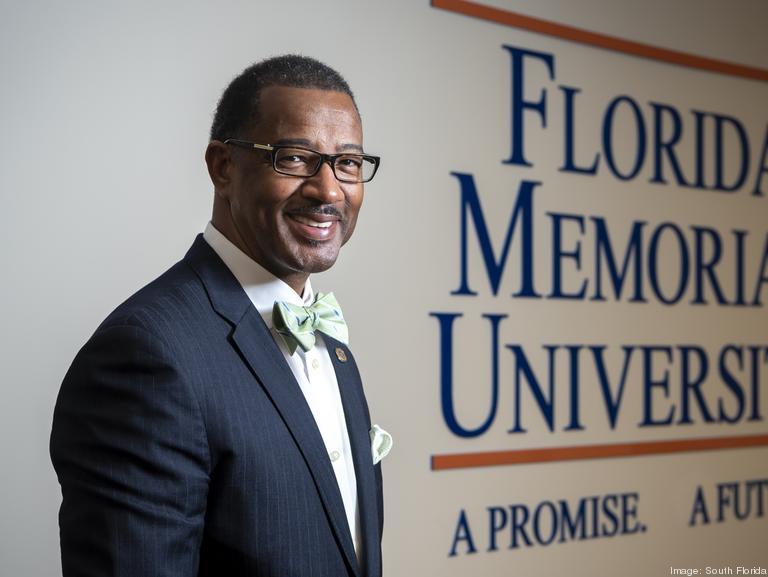

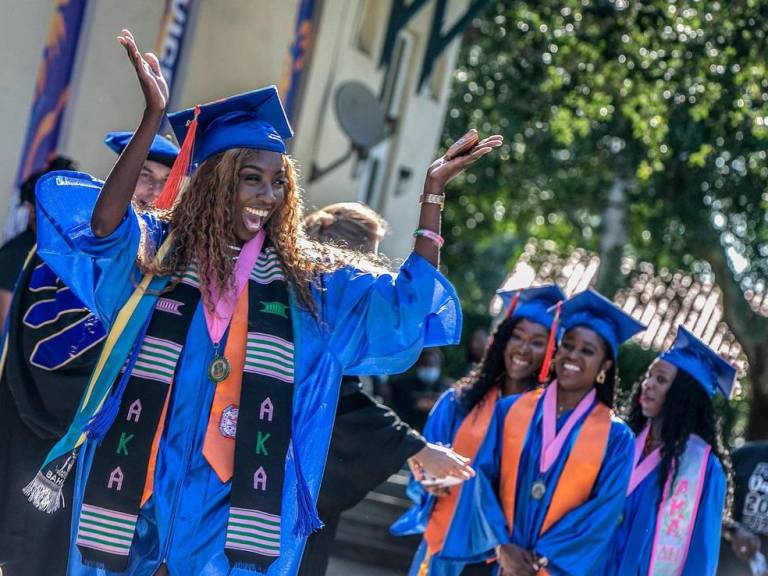
Florida Memorial enrollment for 2026 hit 2,556 students this fall, a full 100 percent jump over last year and the largest headcount the university has ever recorded. President William Cullen McCormick Jr. didn’t undersell the moment. “Let history record this moment,” he told the campus community, calling the number “our new floor,” not a peak.
That framing matters given where FMU started. Enrollment at the Miami Gardens school fell from 1,878 students in 2012 down to just 915 by 2021, a near-decade slide that forced the university to rethink recruitment from the ground up. This fall’s number doesn’t just reverse that trend — it blows past it.
How Florida Memorial Got Here
The turnaround didn’t happen overnight. FMU has spent the last several years rebuilding its academic offerings, expanding programs in aviation, computer science, health care, and renewable energy, and leaning into its identity as South Florida’s only HBCU. Dr. Tymon M. Graham, FMU’s vice president for student affairs, said students and families are choosing the school because they see a genuine pathway to opportunity, excellence, and success.
McCormick, FMU’s 15th president and its first alumnus to hold the office, has tied the growth directly to that broader strategy rather than treating it as a one-semester fluke. He’s said the increase will strengthen, not compromise, the quality and rigor of the academic experience — a claim that positions this fall’s numbers as the start of a longer climb rather than an isolated spike.
What the Number Actually Tells Us
Worth noting upfront: FMU hasn’t released a breakdown of the 2,556 figure by new versus returning students, full-time equivalency, or class level. That’s a normal gap for an institution-reported headline number this early in the semester, and final census data later this fall should fill in those details. Until then, the 100 percent year-over-year jump stands as reported by the university itself.
Context helps here too. Florida Memorial isn’t the only Florida HBCU posting real enrollment gains this year. Edward Waters welcomed 1,281 students this fall, its highest total in more than two decades, built on years of steady, compounding growth. FMU’s jump looks different — sharper, faster, more dramatic — but both schools point to the same larger story: Florida’s HBCUs are pulling in students at a pace few saw coming even three years ago.
Why This Matters Beyond the Headline
A doubled student body changes more than a press release. It changes how many students need housing, how many advisors are needed per student, and how quickly the registrar and financial aid office can move people through the pipeline without long wait times. Numbers like this test an institution’s operational capacity as much as they validate its recruitment strategy.
FMU leadership seems aware of the stakes. Growth at this scale, if it holds through the spring semester and shows up in retention numbers next fall, would represent one of the more significant turnaround stories among private HBCUs in recent memory. If it doesn’t hold, this fall’s number becomes a one-time recruiting win rather than the institutional shift McCormick is describing.
What to Watch Next
The real confirmation comes from two places: the university’s final, audited fall census figures, and whatever retention numbers emerge when spring registration opens. Both will tell a fuller story than a single institution-reported total can on its own.
For now, Florida Memorial gets to claim the largest class in its history, and that’s a genuine milestone for a school that spent most of the last decade fighting enrollment decline. Anyone following HBCU enrollment trends this fall should keep an eye on how FMU’s number holds up once the dust settles — because a record like this only means something if it’s still standing a year from now.