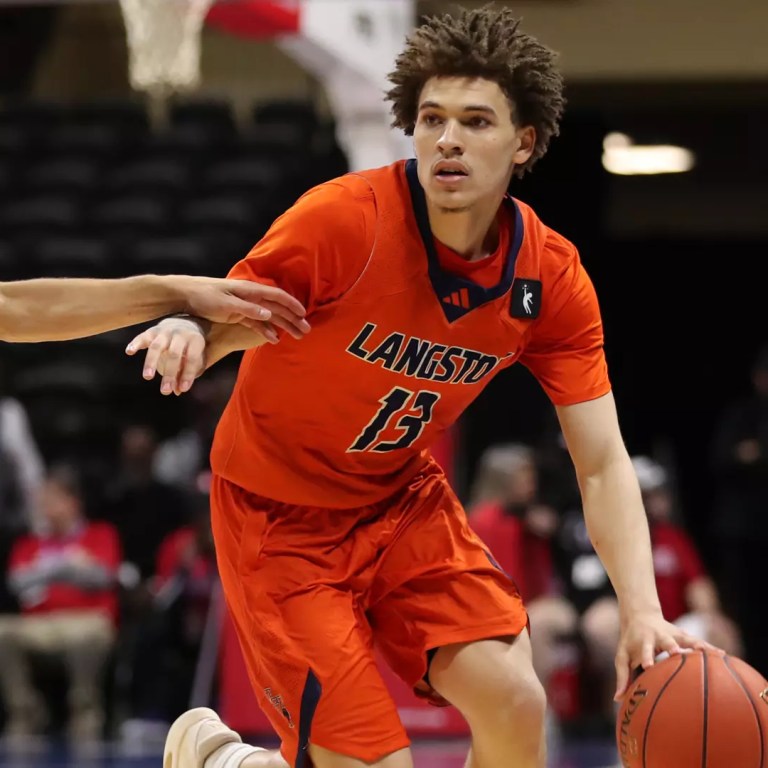

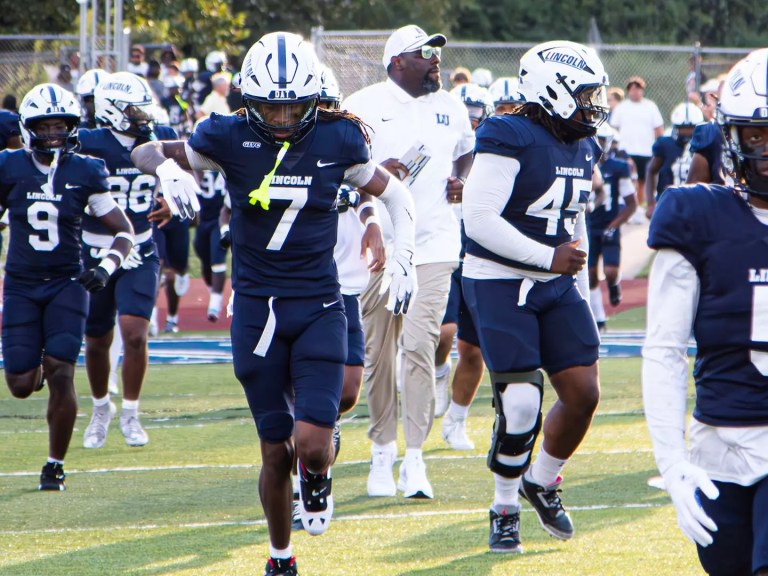
Langston Lincoln Missouri produced the biggest shock of the HBCU football season so far. Almost nobody saw it coming. Langston went into Jefferson City as a massive underdog. It left with a 19-14 win, snapping the only perfect prediction streak left on the board.
Langston Lincoln Missouri: A Number Nobody Trusted
Still, the predictive numbers on this game weren’t close. The BC+ model, which has tracked HBCU football results all season, had Lincoln favored by 36.1 points. That projection came with 96 percent confidence attached. That’s about as lopsided a call as the model produces. Langston winning outright wasn’t just unlikely on paper. It was rated the least likely outcome of any game on the entire Week 2 slate.
Why the Model Got It So Wrong
Part of the explanation traces back to the previous week. Langston had opened its season by getting routed 70-14 at Louisiana Christian. That result tanked its rating heading into Saturday. The model took that beatdown at face value and projected accordingly. In hindsight, that single data point carried far more weight than it should have. Both programs entered the weekend with thin résumés. In other words, that’s exactly the kind of matchup where a rating system carries more assumption than actual evidence. This combination turned out to be a recipe for the season’s biggest miss.
The Setting Made It Sting a Little More
This wasn’t just any road trip for Langston, either. The game doubled as Lincoln’s Greek Night and White Out, with Blue Tiger fans encouraged to pack Dwight T. Reed Stadium in white. Langston, meanwhile, brought its own energy. The university ran a fan bus experience for students to make the trip to Jefferson City. Both schools clearly treated the annual meeting as more than a routine non-conference game. That atmosphere added an extra layer to what turned into a signature road win for the Lions.
A Final Margin the Model Never Saw Coming
By the time it ended, Langston had won 19-14. That result flipped the projected outcome by more than 41 points. It’s the largest gap the BC+ model has produced all season. Notably, it landed in exactly the spot where these systems tend to break down: two teams with limited data, where confidence outpaces certainty. For Langston, the win offers real validation after an ugly opener. For Lincoln, it’s a result that will sting well past the weekend, especially with all the extra buildup around the rivalry.
What Comes Next for Both Programs
Langston will look to build on the momentum against Texas College the following week. That will be its first home game of the season, played at W.E. Anderson Stadium. Lincoln, meanwhile, shifts into conference play, opening GLVC action on the road against Quincy. Neither result erases what happened in Jefferson City, though. If anything, Saturday’s upset is a reminder that in HBCU football, especially outside the marquee programs, a single week of data can make or break a preseason expectation.
A Rivalry With Deep Roots
Notably, Langston and Lincoln have been meeting on the football field since the 1930s, long before either school carried the label of an underdog story. The all-time series has swung back and forth across nearly a century of games, and Saturday’s result adds one more chapter to a rivalry that predates almost every other matchup on either team’s schedule. For the players involved, none of that history mattered as much as the final score. Still, it’s a reminder that this wasn’t just a random non-conference game between two overlooked programs.
Taken together, the Langston Lincoln Missouri result says as much about the limits of prediction as it does about either roster. Models built on thin sample sizes will occasionally get burned, and this was about as complete a burn as the season has produced. For one Saturday night in Jefferson City, Langston made sure nobody could argue with the final score.