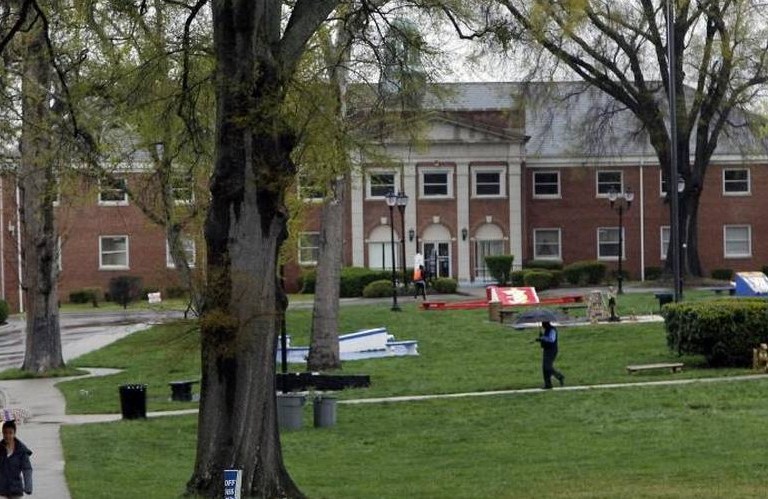

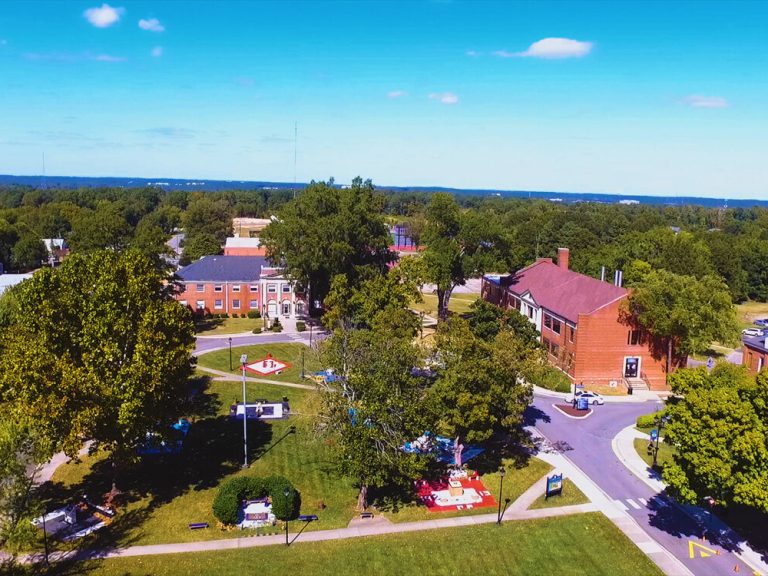
The Saint Augustine’s University bankruptcy filing has placed one of the nation’s oldest HBCUs at the center of a difficult conversation about money, accreditation, student support, and the future of historic Black institutions. The Raleigh, North Carolina university announced that its Board of Trustees approved a Chapter 11 bankruptcy filing as part of a larger effort to reorganize its finances and create a path forward. School leaders also confirmed that Saint Augustine’s will stop its legal fight tied to accreditation, which is expected to conclude effective May 15.
Saint Augustine’s University Bankruptcy Comes During A Critical Moment
Saint Augustine’s University said the Chapter 11 filing is meant to help the school address financial challenges through a court-supervised process. Chapter 11 does not automatically mean a school is closing. It is often used by organizations that need to reorganize debts, pause certain collection actions, and attempt to rebuild under a structured plan.
For Saint Augustine’s, the move comes after years of financial stress, accreditation challenges, leadership changes, and concerns about the long-term health of the institution. The university said it will continue operating, but its immediate academic future will look very different. Instead of continuing degree programs under its current accreditation fight, the school says it will focus on teach-out agreements, non-degree certificates, apprenticeship programs, and a path toward reaccreditation.
That shift is significant. Saint Augustine’s is not just another small private college. It is a historic HBCU founded in 1867, shortly after the Civil War, with a mission rooted in educating Black students during a time when access to higher education was heavily restricted. For generations, schools like Saint Augustine’s carried both academic and cultural weight in Black communities.
Accreditation Fight Will End In May
Saint Augustine’s had been fighting to keep its accreditation with the Southern Association of Colleges and Schools Commission on Colleges, also known as SACSCOC. The university previously used legal action to remain accredited while the process played out. That allowed current students to continue working toward degrees from an accredited institution during the 2025–26 academic year.
Now, the university says continuing that litigation would not be a wise use of its remaining resources. According to Saint Augustine’s, student work and degrees completed through May 15 will be completed under accreditation. Students who are still enrolled after that point will need to finish their degrees at another accredited institution.
That is where teach-out agreements become important. A teach-out agreement is designed to help students transfer credits, continue their studies, and finish their academic programs at another school. For students, this can help reduce confusion and protect the work they have already completed.
Still, the transition is not easy. Students choose an HBCU for more than classes. They choose a campus culture, a support system, a legacy, and a community. Losing that continuity can be painful, especially for students who expected to graduate from Saint Augustine’s.
Leadership Changes Add To The Transition
The university also announced a leadership change. Interim President Dr. Jennie Ward-Robinson has stepped down, and Dr. Verjanis A. Peoples has been appointed interim president. Peoples has previously served in academic leadership and now takes over during one of the most important periods in the school’s modern history.
Leadership stability will matter as Saint Augustine’s works through the bankruptcy process, student transitions, and any future plan for rebuilding. The university will need to communicate clearly with students, families, alumni, faculty, staff, creditors, and community partners.
For alumni and supporters, the news is difficult but not final. Saint Augustine’s leaders have said the school is not giving up on its future. The question now is what that future can realistically look like without accreditation in the near term and with a major financial restructuring underway.
Why This Matters Beyond One Campus
The Saint Augustine’s University bankruptcy story is bigger than one institution. It speaks to the pressure many small private colleges face across the country, especially those that serve students with fewer financial resources. For HBCUs, those pressures are often deeper because of historic underfunding, smaller endowments, deferred maintenance, and the challenge of competing in a higher education market that increasingly rewards scale.
Many HBCUs continue to thrive, grow enrollment, expand research, and attract major partnerships. But the struggles at Saint Augustine’s show that the sector is not immune to the financial realities hitting colleges nationwide.
The moment also raises larger questions about how historic Black colleges are supported before they reach crisis. HBCUs have produced generations of leaders, teachers, doctors, artists, scientists, entrepreneurs, and public servants. They have done that work while often operating with fewer resources than peer institutions. When one of these schools faces a crisis, the impact reaches beyond campus boundaries.
Saint Augustine’s has long been part of Raleigh’s Black educational history. Its legacy connects to the broader story of HBCUs that were built to serve Black students when many doors were closed. That legacy is why many students, alumni, and community members are watching closely.
Students Remain The Priority
The most urgent issue is student protection. Saint Augustine’s has said students who complete their studies by May 15 will have valid degrees earned while the institution was accredited. For students who need more time, the university says it will support them through teach-out agreements with other institutions.
That support must be clear, fast, and practical. Students need to know which schools will accept their credits, whether their majors will continue elsewhere, how financial aid may be affected, and what steps they must take next. Families also need direct guidance so they are not left sorting through uncertainty alone.
This is especially important because students at HBCUs often carry deep emotional ties to their institutions. A transfer caused by institutional crisis is not the same as a student choosing to leave on their own. It comes with stress, questions, and sometimes grief.
What Comes Next For Saint Augustine’s
The university says its long-term plan includes developing non-degree certificates, apprenticeship programs, and a path toward reaccreditation. That suggests Saint Augustine’s may attempt to rebuild in stages instead of immediately returning to a traditional four-year degree model.
That strategy could allow the school to keep serving students while working on financial recovery. Certificate and apprenticeship programs may also connect with workforce needs in areas like technology and nursing. But the path will be challenging. Accreditation, student trust, financial stability, and community confidence will all need to be rebuilt.
For now, Saint Augustine’s is trying to survive a major turning point. The bankruptcy filing gives the university a legal process to address its debts, but it does not solve the deeper work ahead. The school must now prove that it can protect students, stabilize operations, and create a future that honors its 157-year legacy.
The Saint Augustine’s University bankruptcy is a serious moment for the HBCU community. It is also a reminder that legacy alone cannot carry an institution without sustained investment, strong governance, and clear support. Saint Augustine’s has served Black students since Reconstruction. Now, its future depends on whether the school can turn this crisis into a real plan for survival.