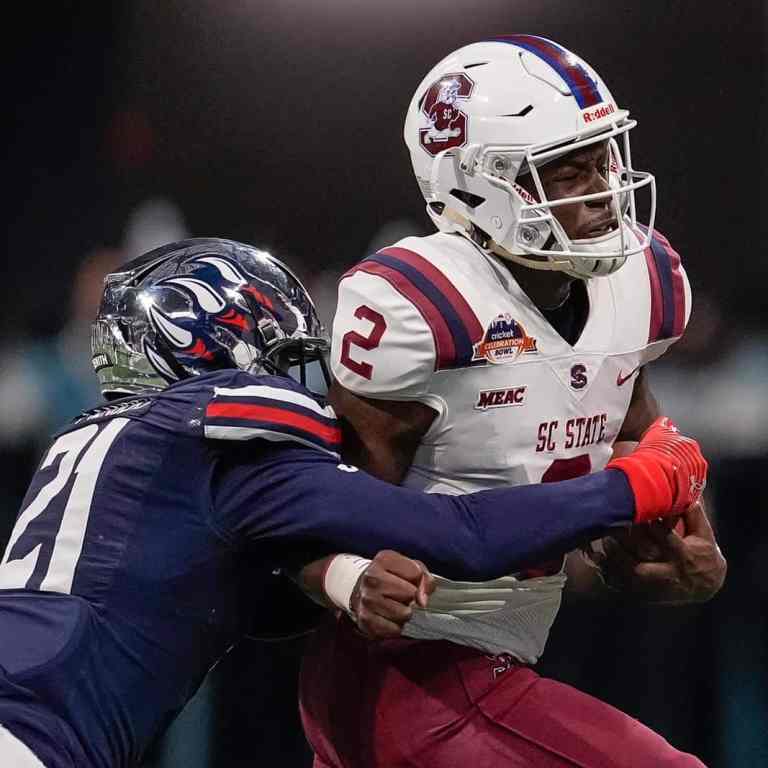

Homecoming at an HBCU is more than a weekend — it’s a cultural institution. The bands, the step shows, the tailgates, and the reunion energy make it one of the most anticipated events on any campus calendar. But something is shifting in how students and alumni actually plan and budget for the occasion, and the change is worth paying attention to.
Rising costs across virtually every spending category are putting real pressure on discretionary budgets. Students are still showing up, still celebrating, still deeply invested in the tradition — but they’re making smarter, more deliberate choices about where their dollars go. That recalibration is reshaping the homecoming weekend experience from the ground up.
Homecoming Budgets Are Getting Creative
Travel, tickets, hotel stays, and outfits add up faster than most people expect. Students coming from out of town face the same transportation squeeze affecting everyone — and that pressure to budget more carefully is very real. With those realities in play, many attendees are prioritizing the events that matter most and skipping the ones that feel like obligation spending.
The result is a more selective homecoming experience. Rather than buying every wristband and attending every afterparty, students are making calculated decisions. Tailgates on campus, free community events, and streaming homecoming-adjacent content have all become viable parts of the weekend itinerary for those watching their spending closely.
Where Students Are Spending Their Time
On-campus events still anchor the weekend. The football game, the yard, the battle of the bands — these remain non-negotiable for most attendees. But the hours between official programming are increasingly filled with informal gatherings, off-campus dinners, and digital entertainment that doesn’t require a cover charge or a reservation.
Morgan State’s homecoming alone demonstrated the scale of HBCU spending power, with the event generating nearly $19 million for Baltimore in regional economic output — a figure that underscores just how seriously homecoming moves culture and commerce.
Digital Entertainment Joins the Weekend Mix
Digital entertainment has moved from a niche supplement to a genuine part of how people spend free time during long event weekends. Streaming, gaming, and mobile-first platforms are all competing for the hours that used to default to a club or a late-night event. What’s more, sports events take a fair share of students’ time. Analytics, stats and insights are integral part of this folklore, including offshore sportsbooks for players who wish to place a bet with flexible rules or just analyze data relevant for those events. That shift reflects broader changes in how this generation organizes leisure time — especially when budgets are tight.
Digital entertainment habits among US college students tell a striking story. A fall 2025 survey by Echelon Insights found that 54 percent of US students spend five hours or more on recreational screen time daily — streaming, gaming, or scrolling social media — with 18 percent spending over six hours on non-coursework activities, according to Inside Higher Ed. That scale of digital consumption shapes expectations: students carry the same frictionless standards into every platform they use, including financial services and payment tools
What This Shift Means for HBCU Culture
None of this signals that homecoming is losing its meaning. If anything, the fact that students are making more intentional spending decisions suggests a growing maturity in how HBCU culture is lived and managed. The traditions aren’t being abandoned — they’re being curated. Attending fewer events with more focus is a different mode, not a lesser one.
What matters is that institutions and organizers pay attention to these shifts. When Texas Southern restructured its homecoming programming in response to safety concerns, it sparked real conversation among alumni about how the weekend’s shape affects where people spend time and money — and coverage in outlets like the Defender Network showed just how passionately the community engages with those decisions. HBCU homecoming will keep evolving, and that’s not a threat to the tradition — it’s proof that the tradition is alive enough to adapt. The core of it, community and cultural pride, isn’t going anywhere.