

A new HBCU research coalition is bringing 15 historically Black colleges and universities together to expand research power, increase federal funding opportunities, and push more HBCUs toward the nation’s top research classification. The Association of HBCU Research Institutions, known as AHRI, officially launched with a mission to strengthen HBCU-led research in areas that affect communities across the country, including health, science, education, justice reform, agriculture, technology, and economic development.
HBCU Research Coalition Aims To Expand Black-Led Research
The launch of the Association of HBCU Research Institutions marks a major step for HBCUs that have long produced important research while receiving a smaller share of national research investment. The coalition is designed to help member institutions build stronger research infrastructure, attract more faculty talent, grow student research pathways, and compete for larger grants.
That matters because research status can shape how universities are seen, funded, and supported. Schools with stronger research classifications often have more access to major federal grants, corporate partnerships, graduate education pipelines, and national academic influence. For HBCUs, the work is also tied to representation. More HBCU-led research means more Black scholars, students, and communities helping shape the questions, solutions, and policies that affect the country.
AHRI’s launch also comes at a time when national conversations around higher education, equity, and research funding remain intense. A 2025 report from the Center for American Progress and the Thurgood Marshall College Fund found that HBCUs received only 0.91 percent of federal research and development expenditures in fiscal year 2023, even though they made up 3.2 percent of all four-year degree-granting colleges and universities.
Fifteen HBCUs Are Part Of The Coalition
The founding members include Morgan State University, Clark Atlanta University, Delaware State University, Florida A&M University, Hampton University, Jackson State University, North Carolina A&T State University, Prairie View A&M University, South Carolina State University, Southern University, Tennessee State University, Texas Southern University, Virginia State University, the University of Maryland Eastern Shore, and Howard University.
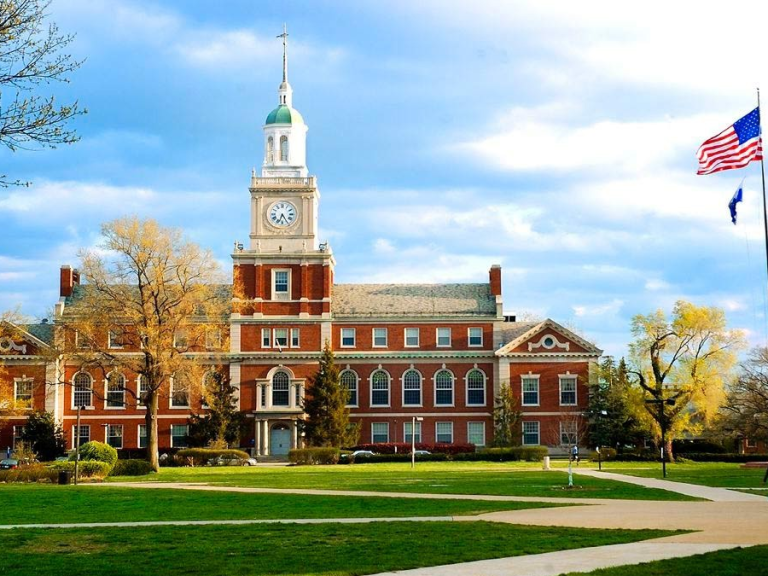
Howard University currently holds R1 status and remains the only HBCU with that top research designation. Many of the other schools in the coalition already hold R2 classification, which recognizes high research activity. Through AHRI, the goal is to create a stronger pathway for more HBCUs to move from R2 to R1 while also increasing the national visibility of research already happening on HBCU campuses.
The coalition’s member institutions collectively account for 50 percent of competitively awarded federal research funding among HBCUs. That gives AHRI a strong foundation to build from, especially as schools work together instead of competing in isolation.
Morgan State President To Chair AHRI Board
Morgan State University President David K. Wilson will serve as AHRI’s inaugural board chair. Prairie View A&M University President Tomikia P. LeGrande will serve as board vice chair, while Howard University Interim President Wayne A. I. Frederick will serve as AHRI interim president.
That leadership structure places several major HBCU research voices at the center of the new organization. Morgan State has continued to grow its research profile in recent years, while Prairie View A&M and Howard bring major institutional experience to the effort.
AHRI will also work in partnership with the Association of American Universities. The coalition’s offices will be co-located with AAU, giving HBCU research leaders closer proximity to one of the most influential groups in American higher education.
Harvard Grant Will Support Research Infrastructure
The launch is being supported by a three-year, $1.05 million grant from the Harvard & the Legacy of Slavery Initiative. Harvard’s Office of the Vice Provost for Research will also provide technical support to help AHRI member schools strengthen research administration, compliance systems, grant processes, and infrastructure.
That support is important because reaching R1 status is not only about having strong faculty or major ideas. Universities also need the systems to manage grants, track compliance, support labs, recruit researchers, and help students move into research careers. For many HBCUs, those systems have often been built with fewer resources than peer institutions.
This partnership is meant to help address some of those long-standing gaps while giving HBCU research leaders more tools to compete at scale.
Why R1 Status Matters For HBCUs
R1 is the highest research classification in the Carnegie system. It signals that a university has very high research activity and a strong doctoral research enterprise. For HBCUs, reaching that level can bring more than prestige. It can open doors to larger grants, stronger partnerships, expanded graduate programs, and new opportunities for students.
Research also creates economic power. It can lead to patents, startups, public policy changes, medical advances, technology development, and workforce growth. When HBCUs gain more research capacity, surrounding communities can benefit as well.
That is especially true for schools that serve as anchor institutions in Black communities. HBCUs often study issues that are overlooked elsewhere, including health disparities, environmental justice, food insecurity, education gaps, criminal justice reform, and economic mobility. More funding for HBCU research means more support for solutions rooted in the lived experiences of the communities most affected.
A Bigger Moment For HBCU Innovation
The new HBCU research coalition also challenges outdated views about what HBCUs are and what they can lead. HBCUs are often celebrated for culture, student life, athletics, and alumni pride. Those parts of the story matter, but they are not the full story.
HBCUs are also producing scientists, engineers, doctors, policy experts, entrepreneurs, and researchers whose work can shape the future. AHRI gives those institutions a more unified platform to tell that story, secure resources, and build long-term research strength.
The coalition also creates a clearer message for government agencies, corporations, and philanthropic partners: investing in HBCU research is not charity. It is an investment in national innovation, workforce development, and problem-solving.
For students, the impact could be even more direct. Stronger research infrastructure can mean more lab opportunities, paid research roles, graduate school preparation, mentorship, conference travel, and career pathways in high-demand fields. That can help HBCU students enter industries where Black talent remains underrepresented.
What Comes Next For AHRI
AHRI’s launch included its inaugural research symposium, “Expanding the Research Mission of HBCUs,” which brought together higher education leaders, policymakers, and industry partners to discuss how to grow HBCU research capacity.
The next phase will likely focus on turning the coalition’s mission into measurable outcomes. That includes more grant applications, deeper partnerships, stronger research administration, expanded student opportunities, and long-term movement toward more R1 designations.
For the broader HBCU community, this is one of the most important higher education developments of the year. It shows that HBCUs are not waiting to be invited into the national research conversation. They are building their own table, bringing their own institutions together, and making a clear case for why Black-led research must be central to the future of American innovation.