This week, Benedict College announced the launch of three innovative degree programs in partnership with Rize Education. These programs aim to equip students with essential skills for burgeoning career fields. The new offerings in neuroscience, digital marketing, and supply chain management reflect the college’s commitment to adapting to the evolving job market and enhancing its academic portfolio.
“Our new degree programs align perfectly with our mission of producing graduates who are academically prepared for in-demand careers,” stated Dr. Roslyn Clark Artis, president and CEO of Benedict College. “By expanding our academic offerings, we are providing our students with greater opportunities to graduate in highly marketable fields.”
Neuroscience Program
The neuroscience program will give students a thorough understanding of the brain and nervous system. It aims to open pathways to healthcare, research, and pharmaceutical careers. With an emphasis on cutting-edge research and practical applications, students will engage deeply with the intricacies of the human brain.
Diving Into Digital
Recognizing the ever-increasing demand for digital expertise, Benedict College‘s digital marketing degree will prepare students for success in a fast-paced, technology-driven environment. The program combines theoretical knowledge with hands-on experience, covering vital topics such as social media marketing, search engine optimization, and data analytics.
Educating Supply Chain Management Leaders
Finally, the newly introduced supply chain management program focuses on the critical processes driving businesses today. Students will learn to navigate the complexities of logistics, operations, and strategic planning, gaining skills necessary to effectively manage the flow of goods and services in a global marketplace.
The Rize Education partnership guarantees these programs are grounded in academic rigor and practical experience. Industry leaders from Fortune 500 companies developed the curricula. This collaboration aims to give students the tools they need to excel in their chosen fields.
Prospective students eager to explore these new programs can visit the Benedict College website.
Albany State University has announced a substantial achievement, as the Office of Research and Sponsored Programs reported, with the acquisition of more than $6.6 million across 20 grants.
In a statement reflecting on this accomplishment, ASU President Lawrence Drake emphasized the importance of these grants. “The successful acquisition of nearly $7 million in grants is a significant milestone that underscores our unwavering commitment to fostering academic excellence and enhancing community engagement. ASU will direct these vital funds will towards innovative research initiatives and student success programs, reinforcing our mission to empower our students and enrich our community.”
Grants That Support Research and Students
Among the notable grants received is $250,000 from the Department of Justice-COPS for the “ASU De-escalation Grant.” This initiative aims to develop a comprehensive program to enhance law enforcement de-escalation techniques, ultimately promoting safer interactions between police officers and the communities they serve.
Additionally, the U.S. Department of Education has awarded ASU $600,677 through the Childcare Access Means Parents in School Program. The project, titled “Albany State University: Caring for the Next Generation of Golden Rams,” will provide high-quality childcare at no cost for the two, three, and four-year-old children of Pell-eligible student-parents attending classes or utilizing ASU’s study resources during weekday evenings or Saturdays.
Research at ASU is also set to benefit significantly from the new funding. Dr. Olabisi Ojo has received a grant of $20,592 from the Aim-Ahead Initiative, which is funded by the National Institutes of Health. His project, “Generation of AI-enabled Diagnostic and Therapeutic Music from Biometric Data to Promote Equity of Medical Services,” focuses on leveraging AI to create diagnostic music tailored to users’ physical and mental health conditions to address health disparities.
Another critical research project funded is led by Dr. Yixuan Wang, who secured $136,616 ($558,328 total over five years) from the National Institutes of Health. Her research aims to develop more effective treatments for breast cancer.
Further emphasizing ASU’s dedication to student success, the university received a $99,998 grant from the Volcker Alliance for the Next Generation Service Corps. This national initiative aims to expand undergraduate public service-learning experiences, assisting Schools of Public Service in designing and implementing new or enhanced credential programs focused on public sector problem-solving and cross-sector collaboration.
For a complete list of the 20 grants that ASU click here.
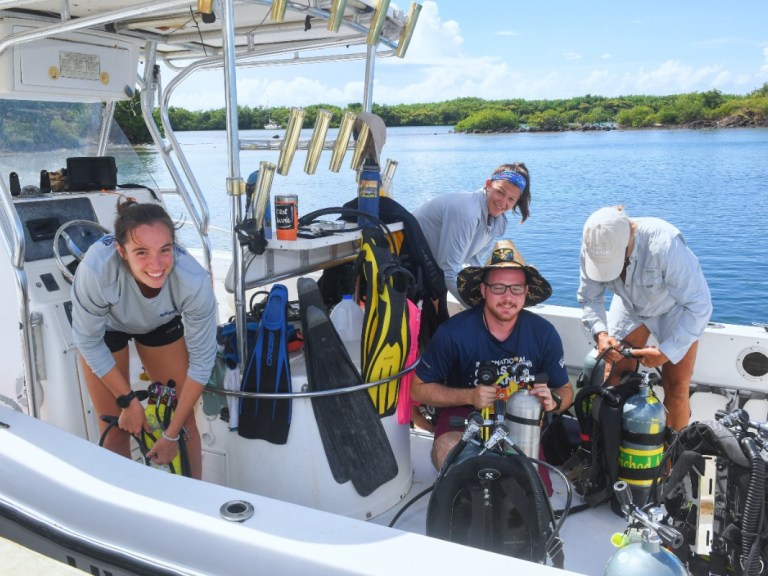
The University of the Virgin Islands is inviting applications for its newly approved Professional Science Master in the Marine and Environmental Science program. This innovative two-year program, approved by UVI’s Board of Trustees in Spring 2024, aims to equip students with the skills and experiences needed to excel in STEM careers related to marine and environmental science.
UVI encourages individuals to apply and partner with the university as internship providers. The PSM program targets aspiring scientists and those already employed in relevant fields—such as educators, natural resource managers, environmental health technicians, and eco-tourism specialists—who wish to enhance their professional capabilities while gaining practical hands-on experience.
“My PSM degree was an important stepping stone. It exposed me to different conservation fields and helped me decide on a career in academic research,” said Dr. Kayla Blincow, a UVI assistant professor and researcher at the Center for Marine and Environmental Science. She earned her PSM in conservation biology from the University of Queensland. “I am excited for UVI and the Center for Marine and Environmental Studies to bring the PSM experience to USVI students and make careers in marine science even more accessible to folks that want to explore the field beyond just academic research.”
Prioritizing Real World Experience
The PSM program offers enriching core courses focused on developing research skills applicable to marine and environmental science. In their second year, PSM students will engage in elective courses and complete a professional internship.
In contrast to the traditional Master of Science degree offered at UVI, which requires an original thesis, the PSM allows students to concentrate on career readiness without the thesis requirement. However, both programs will share core classes during the first year, ensuring all students receive a robust marine and environmental science foundation.
UVI is actively seeking organizations engaged in marine and environmental sciences that would benefit from hosting an intern for four to eight months. These partnerships present a unique opportunity for businesses and non-profits to guide PSM students as they apply their academic knowledge in real-world settings.
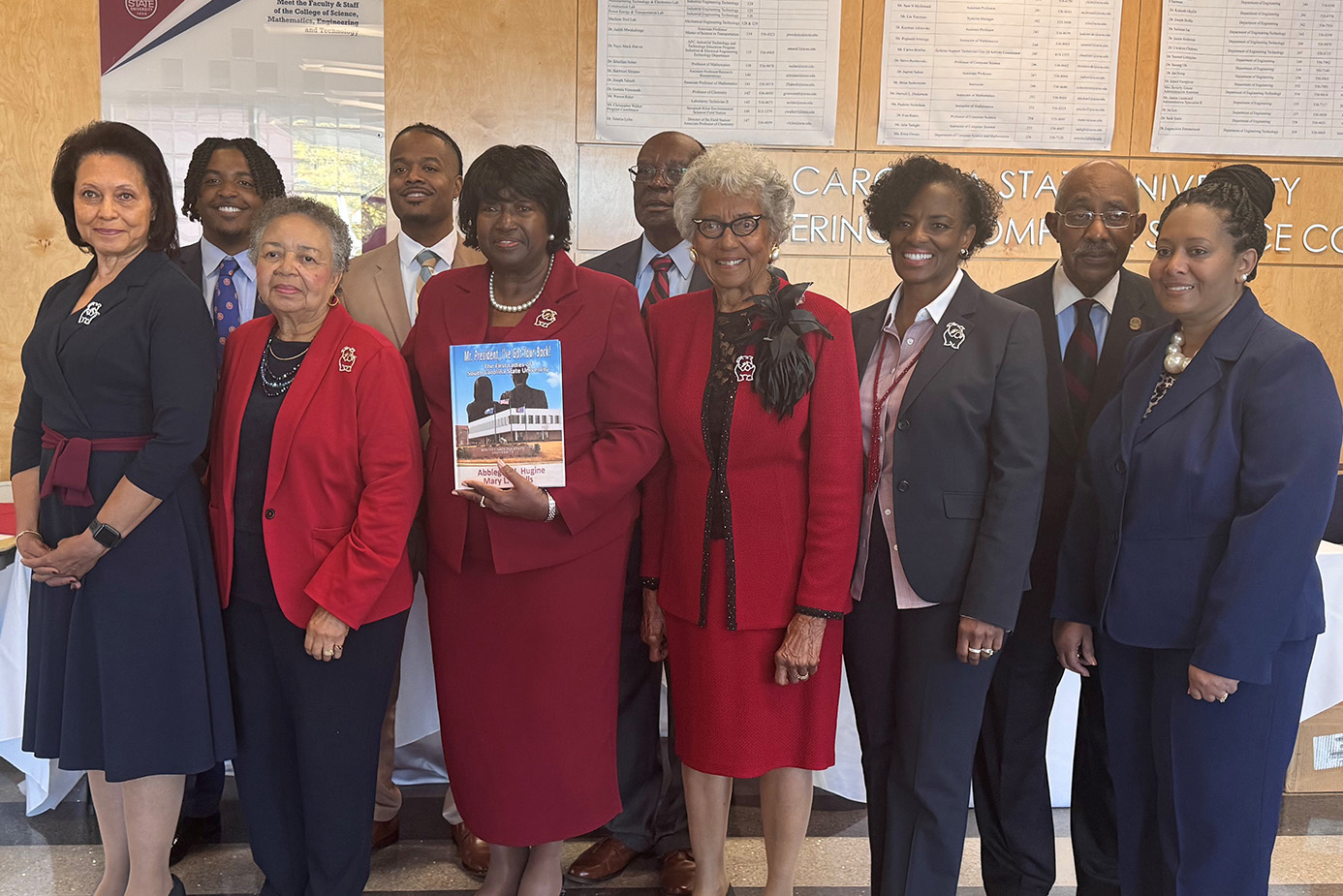
In a heartfelt gathering during Homecoming weekend, several first ladies of South Carolina State University reunited on campus for a special book signing event featuring the newly published “Mr. President, I’ve Got Your Back! First Ladies of South Carolina State University.” This book, co-authored by Abbiegail Hamilton Hugine and former dean Mary Smalls, highlights the pivotal roles these women have played in supporting their husbands and the university over the years.
Front row from left: Dr. Monedia K. Elzey, Mary L. Smalls, Abbigail Hamilton Hugine, Frances Finney, Agatha Conyers, Carla Carpenter. Back row from left: Nick Nance, Jackston Nance, Dr. Andrew Hugine and Dr. Carl A. Carpenter.
“Being that I was a part of the legacy of the first ladies, to see the interest of the book signing, the number of alums, and the people in the community really brings back a lot of memories and also give me hope for a better SCSU,” said Mrs. Hugine.
Hugine served as first lady from 2003 to 2007 alongside her husband, former president Dr. Andrew Hugine. Throughout her tenure, she focused on student success, emphasizing the importance of graduatio, organized social events and supported recruitment efforts.
Former dean Mary Smalls expressed her excitement about the project, describing the experience of delving into the histories of each first lady as “refreshing.”
Current SC State President Alexander Conyers remarked, “To say the least, this book is long overdue. I speak from a place of love and admiration because of my dear partner, Agatha Youmans Conyers, has been my anchor throughout my adult life.”
From First to Current
The book honors a lineage of remarkable women who have served as first ladies, dating back to Anna Marie Hume Miller, the wife of founding president Thomas E. Miller, through to the current First Lady, Agatha Youmans Conyers. Their contributions have shaped the fabric of SC State, with initiatives ranging from scholarship luncheons to campus beautification projects.
Among those attending the signing were four first ladies: Mrs. Frances Davenport Finney, Mrs. Abbiegail Hamilton Hugine, Dr. Monedia K. Elzey, and Mrs. Agatha Youmans Conyers.
Dr. Monedia Elzey, the only first lady to earn a Ph.D., reflected on her contributions, particularly in raising funds through the First Lady’s Scholarship Luncheon. “I am very proud to have been here and served and made a contribution over some point of time,” she noted. “First Ladies do often times get overlooked and we do make a huge contribution when we’re here supporting our spouses.”
Proceeds from “Mr. President, I’ve Got Your Back he First Ladies of South Carolina State University!” will benefit the First Lady Scholarship at SC State. The book is available for purchase on Amazon.
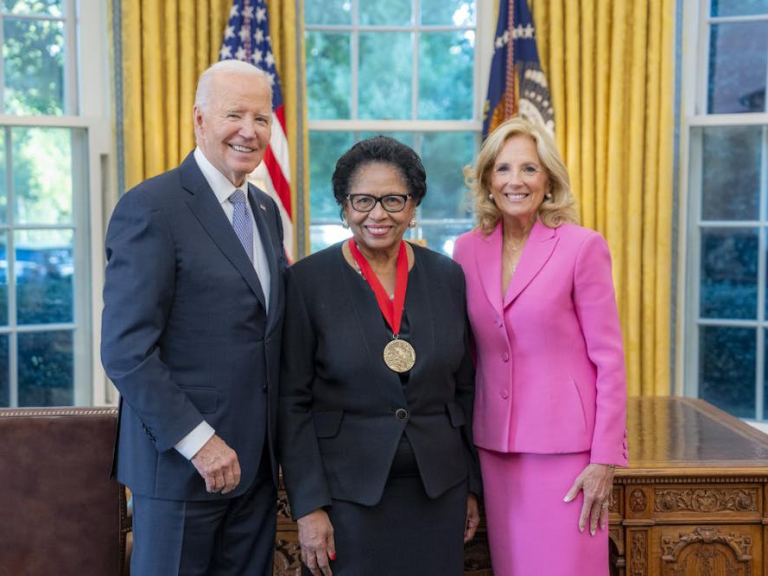
Ruth J. Simmons, the eighth president of Prairie View A&M University and the first woman to hold the position in the institution’s history, was awarded the National Humanities Medal by President Joe during a ceremony at the White House. The medal honors individuals who have profoundly enriched the understanding of the human condition through contributions to history and cultural access.
Simmons’ Impact
Dr. Simmons’ receipt of the National Humanities Medal is a testament to her groundbreaking leadership and dedication to education. Under her guidance, Prairie View A&M saw significant advancements, including a remarkable 40% growth in its endowment and an increase in fundraising efforts that boosted financial aid for students. Notably, in 2020, billionaire philanthropist MacKenzie Scott made a landmark $50 million donation to the university, which Dr. Simmons effectively allocated to transformative initiatives. These included the establishment of The Ruth J. Simmons Center for Race and Justice and the renowned Toni Morrison Writing Program, created in honor of the celebrated author and Dr. Simmons’ former student, MacKenzie Scott.
As a distinguished professor of literature within the Romance languages, Dr. Simmons has been recognized for her academic prowess, her service to the community, and her contributions to cultural discourse. Her accolades include fellowship invitations from the American Academy of Arts and Sciences and the American Philosophical Society, the Centennial Medal from Harvard University, and the Fulbright Lifetime Achievement Medal. Furthermore, she received the Susan Colver Rosenberger Medal from Brown University and was honored as Chevalier of the French Legion of Honor.
During the ceremony, President Biden highlighted the essential role honorees like Dr. Simmons play in society, stating, “You all help us find meaning and purpose in the ordinary as well as the extraordinary, providing hope, wisdom, and laughter when we needed it, and we needed a way forward. With absolute courage, you combat racial stereotypes, confront ghosts of history, and speak truth to power.”
Other Prairie View A&M Recipients
Among the distinguished recipients of this year’s National Humanities Medals were other notable figures with ties to Prairie View A&M, including Darren Walker, president of the Ford Foundation, and Elizabeth Alexander, president of the Mellon Foundation. Dr. Simmons previously welcomed Alexander to Prairie View A&M in November 2022 for a discussion with the university community.
Since its inception in 1996, the National Humanities Medal has been awarded to 225 recipients, acknowledging exceptional contributions to the humanities, including 207 individuals and 18 organizations.
Currently serving as the President’s Distinguished Fellow at Rice University, Ruth J. Simmons continues to influence the field of education, culminating a remarkable 50-year journey.
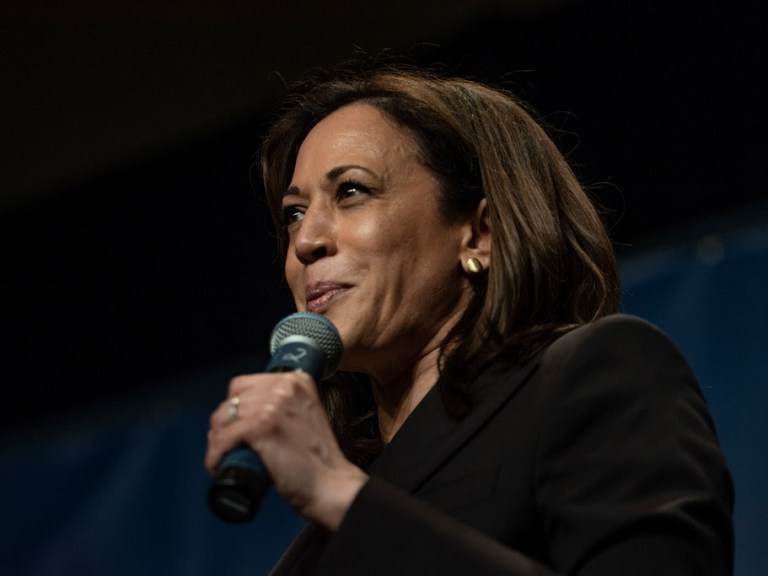
A recent poll conducted by Climate Power in collaboration with HIT Research highlights a significant shift in support for Vice President Kamala Harris among Black swing voters in key battleground states. The survey reveals that one in three Black voters feel more motivated to vote for Harris after hearing contrasting messages about her climate action plans compared to former President Donald Trump.
The poll, which surveyed Black voters in Arizona, Georgia, Michigan, Nevada, North Carolina, Pennsylvania, and Wisconsin, indicates that targeted messaging around Harris’ vision for an Opportunity Economy—powered by clean energy jobs—has effectively increased support among young Black voters ages 18-34 by +5 points and Black swing voters by +9 points.
Key Findings
Harris’ Climate Vision Resonates
After being informed about Harris’ clean energy initiatives and the potential threats posed by Trump’s policies, Black voters in battleground states showed a clear shift in their voting intentions. Approximately 80% of Black voters trust Harris over Trump on climate issues, marking clean energy as a significant strength for her campaign and instilling hope for a greener future.
Increased Voter Motivation
The poll found that overall motivation to vote for Harris increased by 6 points following the messaging. Notably, one-third of Black battleground voters aged 18-34 reported feeling more engaged and motivated to support her campaign by the end of the survey, creating a sense of momentum in the upcoming election.
Concerns Over Trump’s Agenda
The messaging detailing how Trump’s Project 2025 agenda threatens climate progress resonated strongly with voters, as 66% expressed concern over his plans. This polarization is an apparent crucial factor influencing voter sentiment in the upcoming election, underlining the urgency of the climate issue.
Demographic Insights
The data reveal that motivation among younger Black voters (18-49) is particularly pronounced, with a significant push observed among Black men within this demographic.
What The Numbers Tell Us
“The polling data is clear—Black voters care deeply about climate and clean energy solutions. What’s even more exciting is the response from young Black voters and swing voters, who shift their support toward Kamala Harris when they hear her vision for clean energy jobs and environmental justice,” said Markeya Thomas, senior advisor for the Black Engagement Program. “By connecting the dots between climate policy and economic empowerment, we can energize voters and build momentum that carries us through November.”
Climate Power’s $10 million Black Engagement Program aims to mobilize Black voters ahead of the 2024 election by prioritizing climate change and clean energy. By framing these issues within the context of their disproportionate impact on Black communities, the campaign seeks to amplify marginalized voices in national politics.
Climate Power is a strategic communications organization dedicated to advocating for climate action. Its mission includes educating the public on climate progress, highlighting the benefits of clean energy, and ensuring accountability for polluting corporations. We also strive to elect leaders who champion a healthier and more equitable future.
The Jackson State University community is poised to experience a culinary treat this week as Slim + Husky’s Pizza opens its doors at the university. The grand opening is scheduled for 11 a.m. on Thursday, coinciding with homecoming festivities.
Slim + Husky’s Pizza, which has gained popularity for its artisan pizza and TikTok-famous cinnamon rolls, has roots deeply embedded in HBCU culture. Tennessee State University alumni Clint Gray, Emanual Reed, and Derrick Moore founded the restaurant in Nashville in 2017. It has expanded to 11 locations across Tennessee, Georgia, and now Mississippi.
Adding To Legacy Dining Hall
The new JSU location will be situated in the Legacy dining hall within the Student Center. It will provide a vibrant space that merges urban vibes and hip-hop music with a casual dining experience. The restaurant offers signature artisan pizzas, salads, stuffed cheesy bread, and of course, those famous cinnamon rolls. Notably, the JSU location plans to introduce chicken wings—featuring unique flavors such as Lemon Pepper Steppers, Salt N’ Peppas, and Triple Sauce Mafia—starting in the spring of 2025.
In a press release, founder Clint Gray expressed his enthusiasm about bringing Slim + Husky’s to Jackson. “JSU holds a special place in the community, and we look forward to serving its students and creating a space that blends great food with culture, innovation and a strong sense of belonging,” he stated. “We have a deep appreciation for HBCU’s and are proud to be a part of this historic campus. After our success at Morehouse College, this expansion will further strengthen our connection to Historically Black Colleges and Universities.”
This marks the second time this year that JSU has brought a new dining option to the university. The Legacy also welcomed AC Barbeque, backed by noted comedians and actors Cedric the Entertainer and Anthony Anderson. The two visited the campus in September to promote their brand.
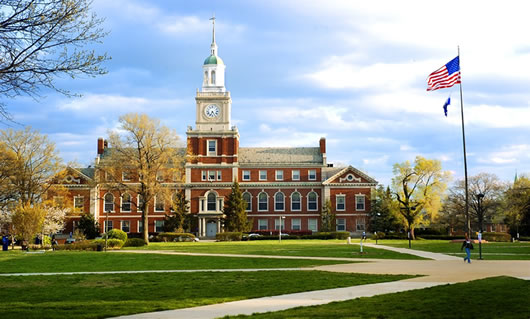
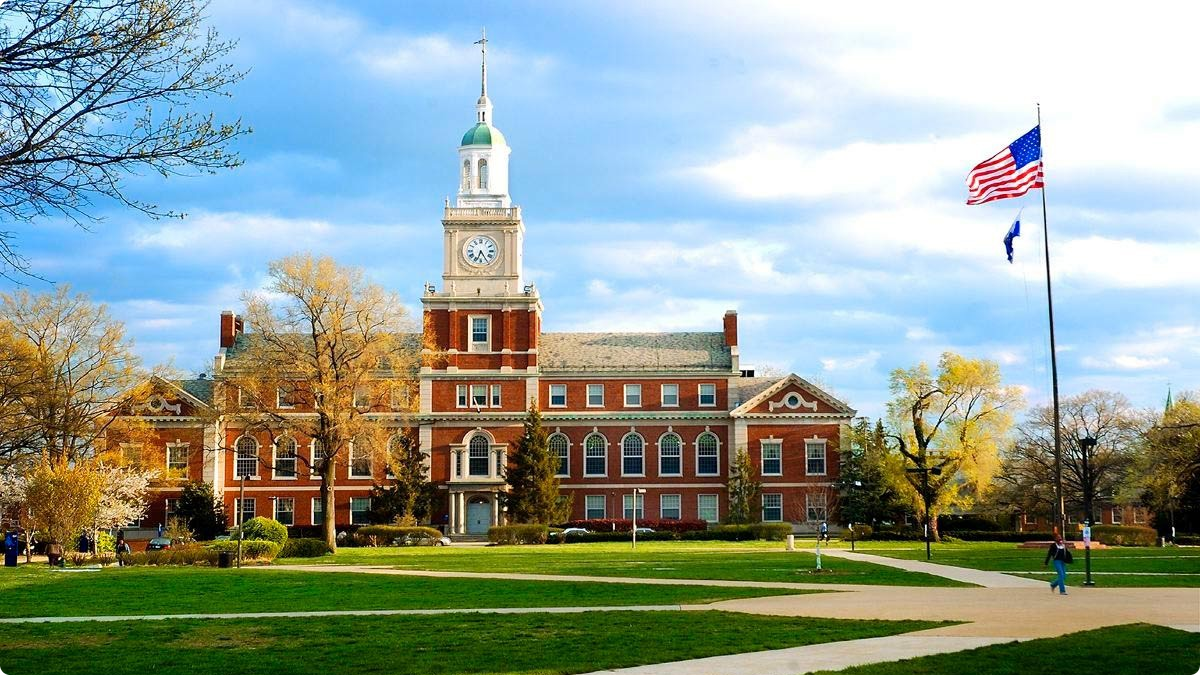
In a landmark development for higher education, Howard University is on track to become the only Historically Black College and University to achieve Research-1 status. This prestigious classification will be officially granted this spring.
The R-1 status designation that will provide Howard University with increased access to research funding and help attract top-tier faculty.
Due to updated Carnegie Classification requirements, the journey to R-1 status has been made more attainable. Under the new guidelines, universities must award at least 70 doctoral degrees annually and invest a minimum of $50 million in research to qualify for R-1 classification. Howard University has already exceeded these benchmarks, positioning itself favorably for the recognition.
Howard has achieved R-1 status in the past but lost it in 2005 due to stricter criteria. The American Council on Education’s recent simplification of these requirements has allowed Howard to reclaim the designation.
This achievement signifies not only a major milestone for Howard but also progress for HBCUs nationwide. It is essential to recognize the systemic barriers that have historically impeded HBCUs from attaining such status. Barriers rooted in policies from the Jim Crow era favored predominantly white institutions, which led to unequal distribution of funding and resources.
“It’s just one of the ways that HBCUs, even though they’re fighting and they’re doing all of the work that they can in order to build out these research programs, are still being discriminated against by states,” Adam Harris, author of The State Must Provide, told the Chronicle of Higher Education.
In addition to its pursuit of R-1 status, Howard University is leading efforts to establish an HBCU consortium through its University Affiliated Research Center. This initiative includes a $90 million research contract to develop tactical autonomy research for the Air Force.
In a significant initiative aimed at amplifying the voices of Black voters, Climate Power is launching the Black Engagement Program to advance conversations about the disproportionate impacts of climate change on Black communities nationwide. This program seeks to educate and mobilize voters on the importance of clean energy initiatives, showcasing how such policies can lead to healthier communities and economic growth.
“The Black Engagement Program is about much more than voter outreach—it’s about building power within our communities. We know that climate change is not just an environmental issue; it’s an economic and social justice issue,” said Markeya Thomas, senior advisor for the Black Engagement Program. “Our goal is to connect these dots for Black voters and show them that their vote can shape a future where clean energy jobs, environmental safety, and climate justice are within reach for all.”
Building on the success of their 2020 campaign, Climate Power has made substantial strides in establishing public support and the political will necessary for meaningful climate action. In 2024, the organization aims to further this progress by ensuring that climate champions are elected. The ongoing climate crisis affects every aspect of daily life—from the air we breathe to the water we drink—making it crucial to galvanize support for leaders who prioritize environmental justice and sustainability.
With nearly 60% of Black voters in battleground states motivated to vote based on climate action and environmental protection, Climate Power recognizes the power of this demographic in shaping the future political landscape.
Vice President Kamala Harris’ commitment to environmental justice aligns strongly with this initiative. Throughout her career, she has fought against the interests of Big Oil, advocating for policies that protect Black families from toxic pollutants and investing heavily in renewable energy solutions. The Biden-Harris administration has introduced over 300 climate actions focused on curbing pollution and ensuring clean air and water for all citizens.
In stark contrast, former President Donald Trump’s administration rolled back numerous environmental protections, placing vulnerable communities at greater risk. Proposals under Project 2025 threaten to dismantle the Environmental Protection Agency further and increase pollution, jeopardizing hard-won progress in environmental protection and disaster relief efforts.
The Stakes Are High
Climate disasters disproportionately impact Black families, who often face systemic barriers that hinder recovery. Recent hurricanes serve as a potent reminder of the urgent need for climate-responsive leadership. Unlike Trump, whose approach prioritized political gain, Harris has consistently shown up for those affected by natural disasters, offering assistance and solidarity where it matters most.
Through educational campaigns and mobilization efforts, Climate Power is working to ensure that the voices of Black voters are heard in this pivotal election cycle.
Click here for more information on how to join the movement for climate justice and contribute to the momentum towards a cleaner, more equitable world.
The modern NBA gets talent from everywhere. Doncic and Jokic are products of Europe’s best youth programs. Jalen Green and Scoot Henderson are successful grads of the NBA’s G League Ignite. And Lebron James was drafted straight out of high school.
Years ago, HCBU’s (Historically Black Colleges and Universities) were also a significant provider of talent for NBA teams. Now? Not so much.
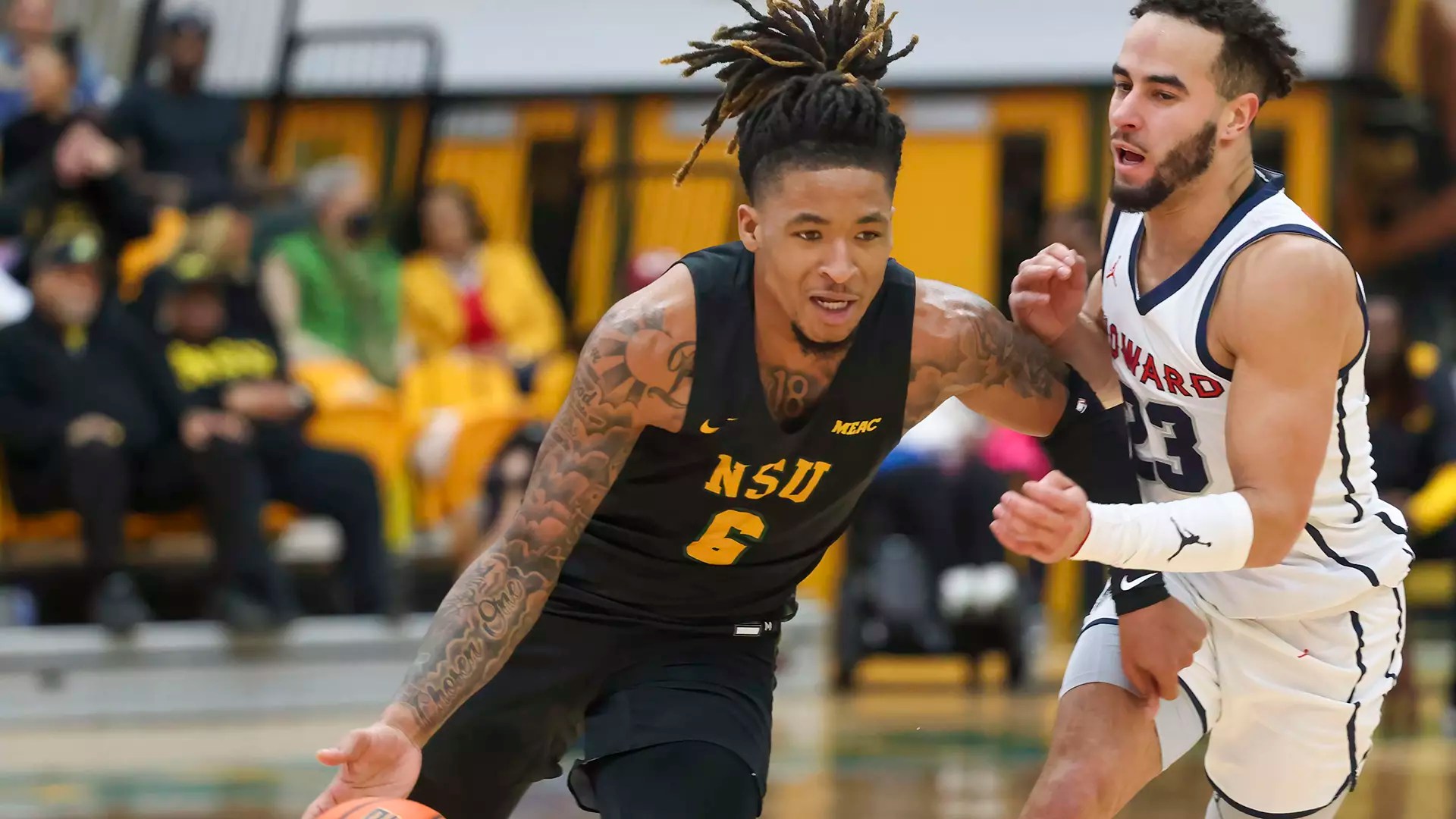
Last season, only one NBA player suited up for an HBCU squad: Robert Covington. It goes further than that. He’s the only HBCU player since 2013 to play for an NBA team.
Photo Credit: Norfolk State University Athletics
Having zero NBA players as HBCU alums is a striking fall compared to just a few decades ago. From the 70s to the 90s, HBCU players became All-Stars and NBA champions on the regular. But the landscape is starting to slowly change once more, with plenty of talent making its way through the various HBCU programs.
Hope for HBCU Players
The latest NBA season is just getting started, but the contours of what we can expect are already starting to show. First, Lebron still has it. The Thunder look downright scary and are a contender. And Wemby is legit (but we already knew that).
But for those who follow HBCU ball, the question remains: will we see another alum on an NBA hardwood anytime soon? Many analysts predict that the tide is starting to change.
HBCU Support from NBA Legends
Ex-NBA players are increasingly looking to exert influence on existing HBCU basketball programs. The Jordan Brand, for example, recently announced a multi-year partnership with Howard. Kenny Anderson had a stint as head coach for Fisk. And, Reggie Theus is both head coach and athletic director at Bethune–Cookman.
These are some legitimate names getting involved with HBCU, something that has been sorely lacking in previous years. It shows the intent to once again put focus on giving both educational and sporting opportunities to historically under-funded programs.
Return of a Physical Style of Play
Every talent pool has a style. European players tend to be good shooters. NBA G League Ignite has provided physical standouts in Jalen Green and Scoot Henderson. And HBCU tended to fill the physical and defensive spots on an NBA roster.
The problem is that in today’s NBA, the focus has tended to be on letting offensive players flourish. However, fans started to complain about the sheer number of foul calls, the ‘soft’ play, and the watering down of the entertainment product.
Towards the end of last season, NBA referees started to allow more physical play. Role players with specific defensive roles are now in high demand, and that’s always been a facet that HBCU players command. Will we see a Charles Oakley 2.0?
There is Talent
Ultimately, you need a pathway and talent to make it in the NBA. Without one or the other, Adam Silver is not going to announce your name on draft night.
There are several HBCU players who have legitimate hope to make it to the league one day, based on what they’re showing on the court.
Jamarii Thomas, playing for Norfolk State, won the Mid-Eastern Athletic Conference Player of the Year. Tahj Harding had 47 points against Augusta University, showing his scoring prowess. And Tai’Reon Joseph is a talented shooter who led the SWAC in scoring.
However, there is much still to be done. None of these players will get drafted in the first round, and many will have to find alternative routes to an NBA roster.
Lessons From the Past
Put together, 351 HBCU players have been drafted by an NBA team. The last one, however, Kyle O’Quinn, was over a decade ago in 2012. He last played for the Sixers in 2020.
Yet what once was, may be yet again. Some of the most memorable players in NBA history are HBCU alums:
Charles Oakley
He’s one of the symbols of an NBA team that fuels today’s 90’s nostalgia: Pat Riley’s New York Knicks. Oak was a monster rebounder, a no-nonsense physical presence, and was even an All-Star in 1994. When you think of the 90’s Knicks, you think Charles Oakley.
Earl Monroe
Earl “The Pearl” Monroe is the best player from Winston-Salem State University to ever play in the NBA. He also happens to be one of the best to ever do it, a Hall of Famer, a Kicks legend, and the 58th greatest player in NBA history according to The Athletic.
Rick Mahorn
You don’t forget playing against Rick Mahorn, just ask Michael Jordan. He was one of the key pieces of the notorious “Bad Boys” Pistons of the 1980s, the team that won back-to-back NBA titles. He was a defensive powerhouse, grabbing All-Defensive Second Team honors in 1990.
To replicate what HBCUs have done in the past will not be easy. There’s a lot of extra competition from abroad, many top prospects don’t pick HBCUs, and the league is not doing enough to help elevate programs.
But, for the first time in a long time, there is hope.
Students at Hampton University’s Scripps Howard School of Journalism and Communications introduced a pioneering digital Absentee Voting Guide to enhance civic engagement and streamline the process. This comprehensive tool is designed to assist citizens across all 50 states and the District of Columbia in securely submitting their absentee ballots before the upcoming elections.
A Collaborative Project
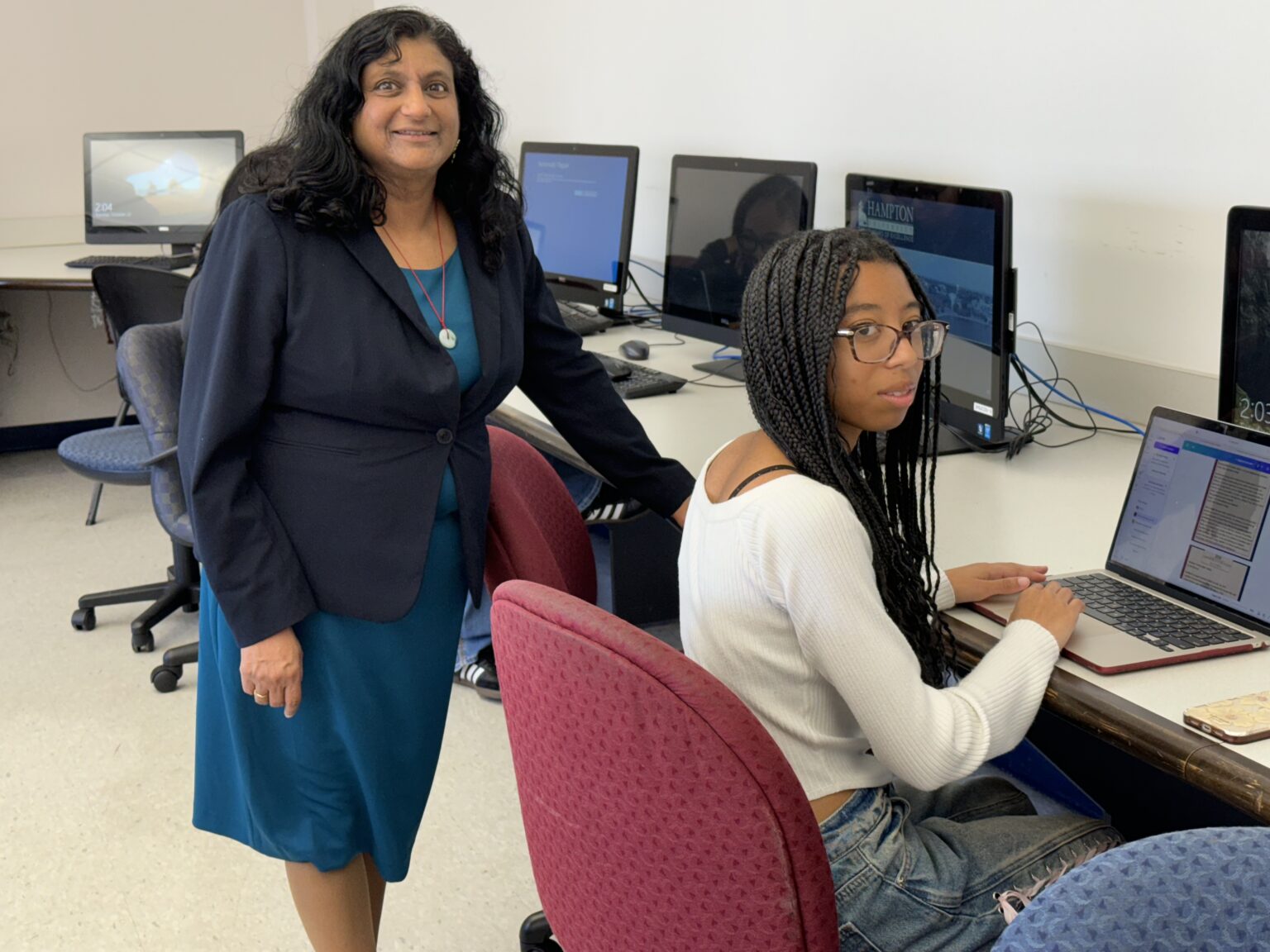
Professor Koppikar with design team member Camille Johnson.
The interactive guide features a state-by-state breakdown that simplifies the absentee voting process. With an easy-to-navigate interactive map and tailored guidelines, users can find vital information on everything from ballot request deadlines to submission protocols, making the voting process more accessible and encouraging greater voter participation.
Developed by a team of 52 journalism students, each assigned to research specific states, the guide reflects meticulous research. The sophomore-level course “Reporting and Writing Across Platforms” focused on consulting state election websites and clarifying discrepancies to ensure the accuracy of the information provided. A senior editing team subsequently refined the project, while students from the Honors College took charge of the final design and interactive elements.
Professor Koppikar, who has experience as a press secretary for two U.S. Congress members, led the initiative. She emphasized the importance of empowering students to understand the election system. “Journalism and democracy are tightly intertwined. For that reason, it’s important to get students involved in learning to research, report, and write about the basics of our election system,” she stated.
Generation Z’s Impact on Elections
As Election Day approaches, the significance of college student participation cannot be overstated. Generation Z—individuals under 30—are poised to play a critical role in shaping the outcome of the elections. With over 40 million young people in this demographic, including eight million newly eligible voters, understanding their unique priorities is essential. A recent survey by Tufts’ Tisch College Center revealed that inflation, abortion rights, job security, and climate change rank high among Gen Z voters’ concerns.
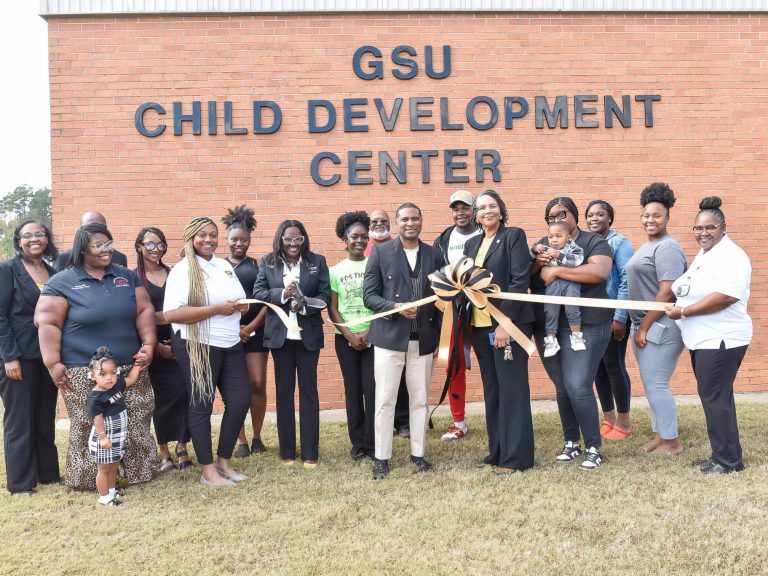
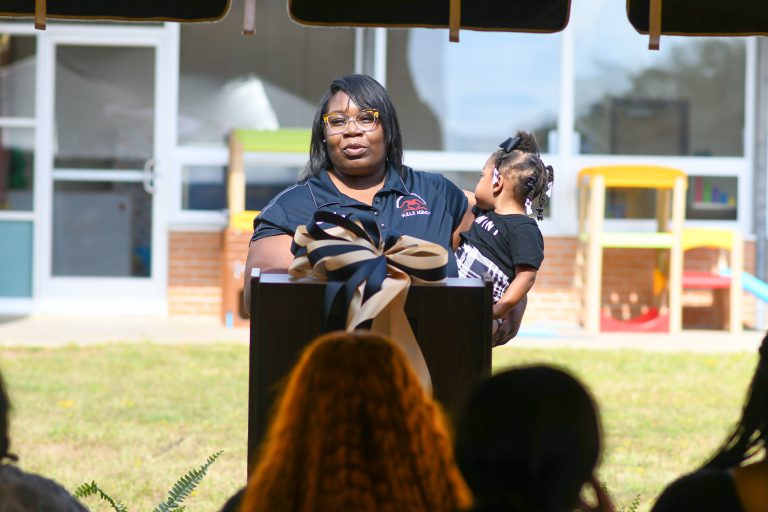
In a heartwarming ceremony that underscores its commitment to education and community support, Grambling State University celebrated Tuesday’s grand reopening of its Child Development Center.
The Child Development Center, which closed in 2009 due to funding issues, has now found new life thanks to generous grants from the U.S. Department of Education and the Ascend at the Aspen Institute’s Black and Native Family Futures Fund. The $2 million grant from the Department of Education, specifically through the Child Care Access Means Parents in School initiative, aims to support student parents by providing essential childcare services while they pursue their educational goals.
Dr. Martin Lemelle, Jr., president of GSU and a proud product of the Child Development Center, expressed his enthusiasm for the facility’s reopening. “We celebrate little tigers and encourage them to become future Tigers and come to Grambling State University and explore the career and life of their dreams,” Lemelle said.
The Child Development Center will operate under GSU’s Department of Family and Consumer Sciences, led by interim director Terry Matthews and headed by Carol Lewis. During the ceremony, Lewis articulated her vision for the center: “Our goal is to produce readers by the age of four.” She highlighted the collaborative effort from various departments within GSU, such as the Call Me MiSTER program, to ensure comprehensive educational support.
Matthews noted that the center represents more than just a physical space; it embodies hope and opportunity for families in the community. “We gather to celebrate the ribbon-cutting ceremony of the GSU Child Development Center, a place where little tigers’ dreams take flight and their little minds blossom,” he said. He added that the center provides a cost-free education for parents, thanks to the total funding from the CCAMPIS grant.
Seeing The Impact
Samantha Dimmer
Current GSU students shared their personal experiences, illustrating the profound impact of the Child Development Center on their academic journeys. A graduate student and mother, Samantha Dimmer, recalled her challenges before the center’s reopening, saying, “When you don’t have childcare, and you want to complete your education, you either stop or you keep going.” The re-established center has allowed her to pursue her studies while ensuring her children are well cared for.
In a significant nod to her roots, Vice President Kamala Harris will spend election night at Howard University, her alma mater and a pivotal place in her journey to the White House. The news was confirmed to NPR by a source familiar with her plans, who requested anonymity prior to the official announcement.
Howard University holds a special significance for Harris, where she first engaged in student politics as a freshman class representative and later pledged her sorority, Alpha Kappa Alpha Sorority, Incorporated, in 1986. Notably, she launched her presidential campaign in 2019 from the campus, highlighting the university’s role in shaping her identity and aspirations.
In a recent letter to the student newspaper, the Hilltop, Harris reflected on her time at “The Mecca,” stating, “I recognize my time at Howard shaped me into the person I am today. At Howard, we learn that we have the capacity to be great and also that we have the responsibility to work hard to live up to that potential each day.”
On the other hand, Donald Trump’s campaign has announced that it will hold an election night watch party at a convention center in West Palm Beach, Florida, where he also owns a resort. However, the campaign has yet to reveal Trump’s specific plans for election night.
Bowie State University Counseling Department Professor Nikki Ham is on a mission to empower Black and Brown women to take proactive measures in their health, particularly regarding the risks of breast cancer. During Breast Cancer Awareness Month, Ham advocated for more open discussions about mastectomies as a viable option to reduce cancer risk and eliminate the stigma surrounding the procedure.
Breast cancer remains a critical health concern, especially among women of color. According to the Centers for Disease Control and Prevention, breast cancer is the leading cause of cancer deaths for these women. In light of this alarming statistic, Dr. Ham shares her journey to raise awareness and encourage others to consider their options.
Her decision to undergo a double mastectomy—a surgical procedure to remove both breasts—followed years of careful consideration and participation in a comprehensive risk assessment program at Luminous Health’s Anne Arundel Medical Center. This program included genetic testing, MRIs, sonograms, medications, and counseling with medical professionals. Drawing from her family’s history with breast cancer, which included the loss of a relative to the disease and another who survived, Ham felt compelled to take action.
“The mastectomy has reduced my risk of contracting breast cancer by 90%,” she shared. “I needed to be proactive, weighed preventive options, and elected to have the mastectomy. I made the final decision but not without ongoing consultation from my physician team, husband, and prayers.”
Statistics That Matter
The American Cancer Society projects that nearly 360,000 women will be diagnosed with breast cancer in 2024 alone, with an estimated 42,500 fatalities. Alarmingly, Black and Brown women are 40% more likely to die from breast cancer than their White counterparts and often receive diagnoses at later stages of the disease. Additionally, they face higher rates of diabetes, heart disease, and obesity—factors that contribute to increased breast cancer risk.
“A double mastectomy to reduce the odds of contracting breast cancer isn’t the answer for everyone,” said Ham. “But it is an option that some women may want to consider. The first line of defense is mammograms. All women must be tested regularly for breast cancer.”
Ham underwent her first surgery in August 2023 and her second surgery on May 30, 2024.
By engaging family members, friends, colleagues, and the media, Professor Nikki Ham hopes to dismantle mastectomies’ stigma and inspire other women to seek the necessary information and resources for their health and well-being.
Florida A&M University Athletics has proudly announced a transformative $115,000 donation from Tola Thompson, the university’s chief of staff, to establish The George & Alice Thompson Endowed Scholarship. This significant contribution is designed to make a lasting, positive impact on FAMU Athletics and enhance student-athlete experiences.
In Honor Of His Parents
The endowed scholarship honors Thompson’s parents, George “Godfather” Thompson and Alice Thompson, who devoted their lives to supporting FAMU Athletics. Affectionately known as the “Godfather,” George Thompson dedicated 49 years to the university as its athletic trainer and equipment manager. His remarkable legacy is commemorated in the football locker room, which proudly bears his name.
Alice Thompson, who passed away in 2018, made notable contributions to the university during the late 1980s by tutoring student-athletes. She also broke ground as the president of FAMU Athletics’ first all-female booster club, “The Tight Ends Club.”
“FAMU and FAMU Athletics means a great deal to our family,” said Thompson. “FAMU has given so much to my family. My parents, my brother, my sister, and I all got a great education here. I count it a big honor for me to be able to give back in such a small way. This endowed scholarship is just one way I can say thank you.”
Thompson expressed his enthusiasm for the future of FAMU Athletics, stating, “Can’t wait to see how future Rattlers will make their mark on our legacy.”
Angela Suggs, vice president and director of athletics at FAMU, extended her heartfelt appreciation for Thompson’s generous gift. “On behalf of FAMU Athletics, I extend our heartfelt thanks to Tola for his generosity and support of our athletics program. This level of commitment exemplifies the immense pride our alumni have in our program,” said Suggs. “We are proud to have this fully endowed athletics scholarship, and we hope it will be one of many to come. This gift will undoubtedly inspire future generations of Rattlers to achieve greatness and uphold the proud tradition of excellence at FAMU.”
The interest generated from this endowment will fully cover the tuition of one FAMU student-athlete each year.
Jackson State University commemorated a significant milestone on Oct. 28, as it celebrated the 30th anniversary of its School of Social Work with a special event titled “30 Years of Resilience: Recovering Thee History of the School of Social Work.” The celebration was a tribute to the program’s enduring commitment to social justice, community empowerment, and academic excellence.
Celebrating Trailblazing Figures
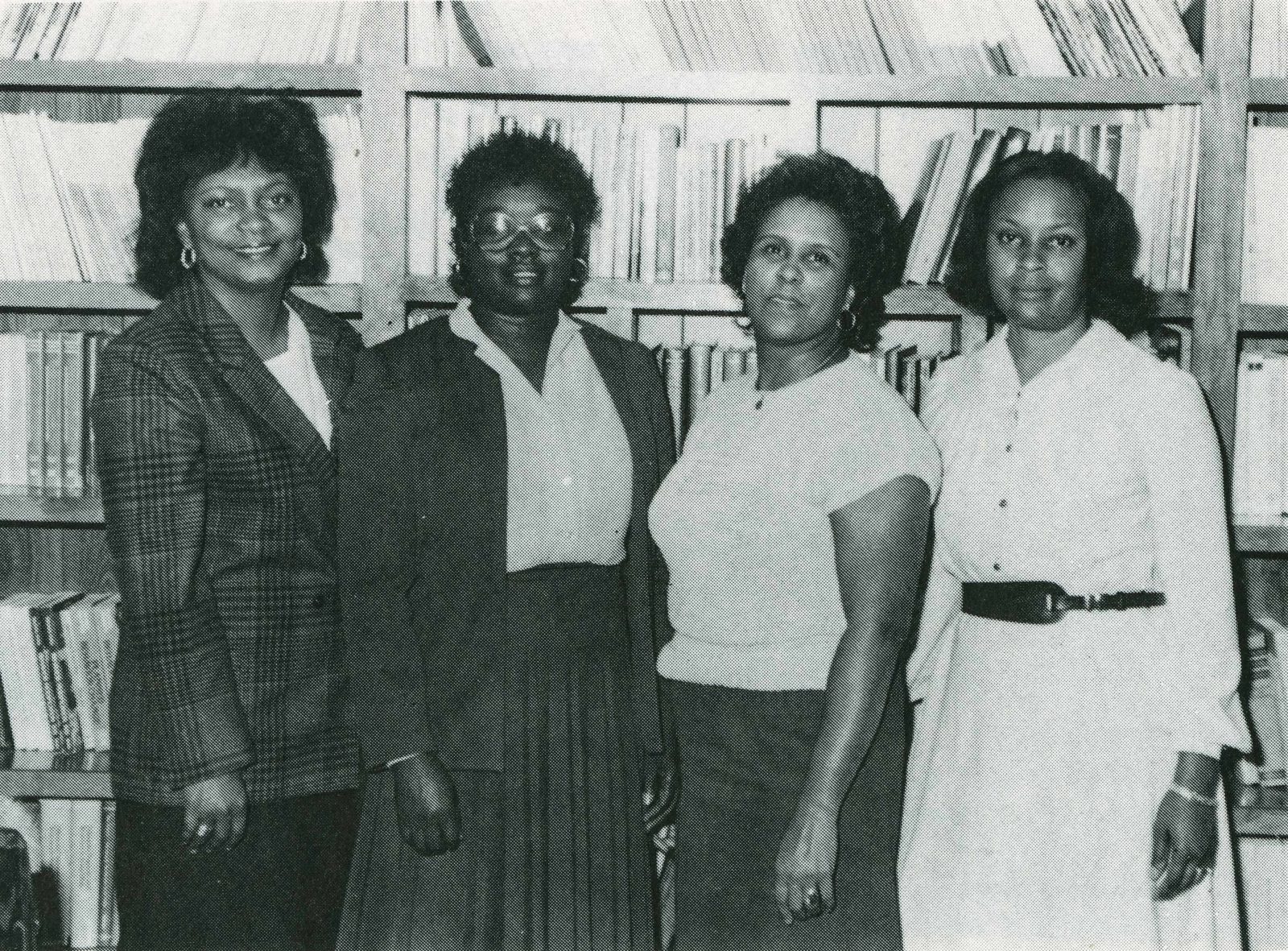
Jackson State University celebrates its 30th anniversary, honoring pioneering figures like Dr. Gwendolyn Prater and highlighting the program’s lasting impact on Mississippi communities. (Photo by H.T. Sampson Library Archives)
The event honored pivotal leaders in the field, including Dr. Gwendolyn Prater, dean emerita of the School of Social Work, Dr. Jean Brooks, retired chair of the Bachelor of Social Work program;. Ruth Williams, retired associate dean; and retired faculty members Dr. James Brooks, Ms. Eva Bowie Ellis, and Dr. Phyllis Hammond. These individuals played a crucial role in building the foundation of what has become a cornerstone of social work education in Mississippi.
Reflecting on the program’s legacy, Dr. Gwendolyn Prater shared, “We faced many challenges in the early days, but our commitment to social justice and community service never faltered,” Prater said in her remarks. “Our mission has always been to empower students to become compassionate leaders who advocate for social justice and human dignity.”
Thirty Years Of Impact
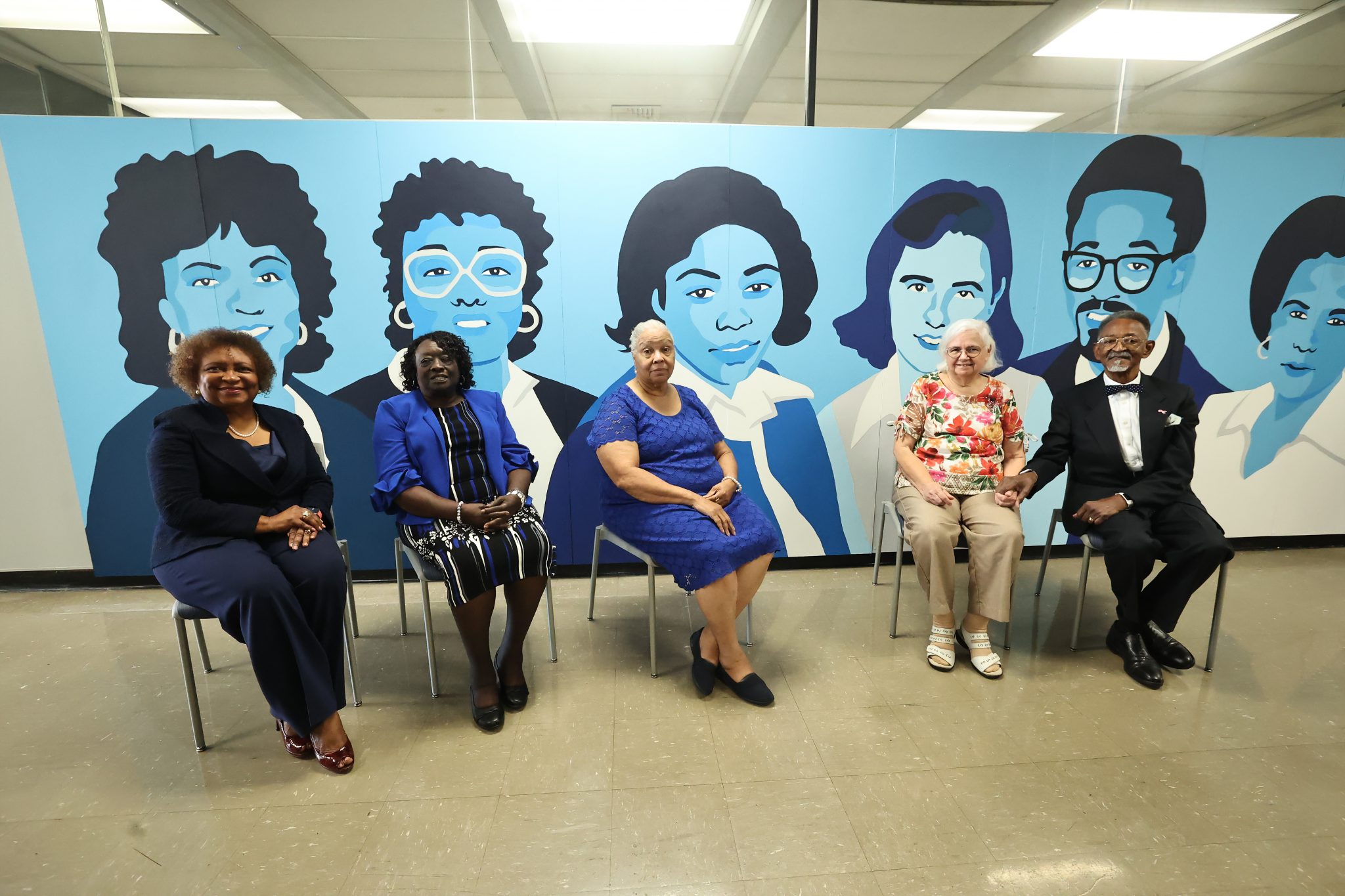
Pictured from left: Dr. Gwendolyn Prater, Ms. Eva Bowie Ellis, Dr. Phyllis Hammond, Dr. Jean Brooks, and Dr. James Brooks sit in front of a mural dedicated to their legacy. The mural was painted by JSU alumna Reshonda Perryman. (Aron Smith/University Communications)
Since its founding in 1994, JSU‘s School of Social Work has dedicated itself to addressing pressing issues such as poverty, racial inequality, and healthcare disparities. The school offers bachelor’s, master’s, and doctoral programs that have equipped generations of social workers to serve communities throughout urban and rural Mississippi. Graduates of the program are making a significant impact in various fields, including child welfare and mental health advocacy.
Meaningful Conversation
A highlight of the anniversary celebration was a panel discussion entitled “The Legacy of Social Work.” It featured insights from notable figures such as Senator Hillman Frazier, former field instructor Paula Van Every, Dr. Linda West, and Dr. Sharron Williams, a member of the inaugural MSW graduating class of 1997. The panel explored the milestones and achievements of the School of Social Work over the past three decades and examined its vital role in promoting equity and accessibility in higher education.
“Being part of the first class was both a privilege and a responsibility,” said Dr. Williams. “We knew we were setting the stage for future generations to continue the fight for social justice.”
The event culminated in the unveiling of a mural dedicated to the legacy of the program’s founders, located in the School of Social Work-Master of Social Work Program building. This mural honors the contributions of Dr. Prater, Dr. Williams, Ms. Ellis, Dr. Brooks, Dr. Brooks, and Dr. Hammond. Created by JSU alumna Reshonda Perryman, the mural serves as a lasting tribute to the vision and determination of those who laid the groundwork for the school, now home to Mississippi’s only Ph.D. program in social work.