Florida A&M University has secured a $500,000 NSF grant to revolutionize biology education by integrating artificial intelligence and machine learning.
Florida A&M University has announced a significant advancement in educational innovation with a $500,000 grant from the National Science Foundation. This funding will support a collaborative project to integrate artificial intelligence and machine learning into the biology curriculum at FAMU and three partner Historically Black Colleges and Universities: Jackson State University, Alcorn State University, and Grambling State University.
The initiative, which is expected to reshape traditional biology education, will empower students with essential skills necessary for success in an increasingly technology-driven job market. “Through this grant, FAMU remains at the forefront of educational innovation in a technology-driven world,” said Provost Allyson L. Watson, Ph.D. “By integrating AI and Machine Learning into our biology curriculum, we are preparing our students with essential skills that are increasingly in demand across industries.”
Dr. Clement G. Yedjou, an associate professor of biology and data science at FAMU, will spearhead the three-year project. The project’s dual focus includes faculty training and enhancing student performance and engagement. Faculty members across partner institutions will receive specialized training in AI and ML technologies. They will be equipped to integrate these advanced tools effectively into their general biology courses.
Changing The Study of Biology
The ambitious project aims to reach over 700 students, enabling them to benefit from a modernized curriculum that promises to enhance learning outcomes. “This initiative will provide our students with cutting-edge skills in AI and Machine Learning, preparing them for careers in data-intensive fields,” said Yedjou.
Significantly, the project involves assessing student performance and engagement through course comparisons between AI/ML-enhanced curricula and traditional biology classes. These evaluations will inform future curriculum innovations.
Dr. Yedjou will collaborate with four co-principal investigators from the partner institutions: Dr. Jinwei Liu (FAMU), Dr. Felicite Noubissi-Kamdem (JSU), Dr. Jameka Grigsby (ASU), and Dr. Waneene Dorsey (GSU). Together, they aim to create a replicable model of AI/ML-integrated pedagogy, providing a scalable framework for other institutions striving to enhance biology education.
Winston-Salem State University will proudly become the second historically Black university in the North Carolina system to earn the StormReady designation.
Winston-Salem State University is set to achieve a significant milestone by officially becoming a StormReady campus during a recognition ceremony scheduled for Tuesday, September 17, at 2 p.m. The event will take place in the Donald J. Reaves Center, Room 100A, and feature Nicholas “Nick” Petro, the warning coordination meteorologist from the National Weather in Raleigh.
Winston-Salem State University, a historically black public university in Winston-Salem, North Carolina.
WSSU is the second historically black university in the University of North Carolina system to earn the StormReady recognition and the second higher education institution in Forsyth County to earn the designation. The StormReady program, sponsored by the NWS, is a voluntary initiative that promotes community preparedness for severe weather. It recognizes entities that are committed to enhancing their readiness for hazardous conditions.
Earning the StormReady Designation
To attain StormReady status, WSSU completed a thorough application process, which included a site visit and an extensive meeting with local NWS officials. The university met several stringent criteria, including establishing a 24-hour warning point and emergency operations center, implementing multiple methods for receiving weather forecasts and warnings and creating a system to monitor local weather conditions. Furthermore, the university has actively promoted the importance of preparedness through community seminars and developed a formal hazardous weather plan that involves training severe weather spotters and conducting emergency exercises.
According to the NWS, the United States experiences around 10,000 thunderstorms, 2,500 floods, 1,000 tornadoes, and six deadly hurricanes yearly. Approximately 90 percent of all federally declared disaster areas are weather-related.
“This designation highlights our ongoing commitment to keeping the campus community informed of severe weather threats and implementing best practices for weather preparation and public awareness,” said Jason Stogner, director of WSSU’s Office of Emergency Management.
The recognition ceremony will feature remarks from WSSU Chancellor Bonita Brown, Stogner, and Petro, who will formally present the StormReady certificate.
Mississippi Public Broadcasting is set to premiere a documentary titled “I Want to Be at the Meeting: Sacred and Secular in the Mississippi Delta” this September. The film showcases the talents of Grammy-nominated artist Jontavious Willis, recent Coahoma Community College alum Tae’Angelo Carter, and members of the 2021-2022 Coahoma Community College Choir. It offers viewers an intimate look at a night filled with gospel performances deeply rooted in the rich musical traditions of the Mississippi Delta.
The documentary will be broadcast across public television stations in the region, with statewide airings scheduled for Friday, September 13, at 7:30 p.m., and Sunday, September 15, 2024, at 5:00 p.m. Viewers can catch the premiere on WMAO TV, Channel 23 in the local area.
Dr. Kelvin Towers is the fine arts chair and director of choral activities at CCC. He expressed the significance of this project.“Gospel music is at the heart of our community, and this film beautifully captures the spirit of the Mississippi Delta,” said Dr. Towers. “It has been a privilege to work with such talented students and artists, and I am honored that our choir is being recognized on this platform. This is a celebration of our rich musical heritage, and I hope it resonates with viewers across the state.”Dr. Towers also noted that the songs performed by the choir were uniquely arranged for the project.
From Idea to Documentary
Don Allan Mitchell, an English professor and director of the Honors Program at Delta State University, produced the film. The documentary originated as a live-streamed Black gospel concert during the pandemic. Students from Delta State’s digital media, film, and animation programs contributed to the original stream, creating valuable footage for their coursework. Boston filmmaker Ted Fisher, who co-produced the film, saw potential in the raw footage, envisioning it as a compelling short documentary.
“As a director, Ted recognized that we could capture the passion and intensity of Jontavious Willis and the CCC Choir as they performed selections from the Black gospel tradition,” said Mitchell. Despite being primarily known as a blues musician, Willis embraced the project’s focus on gospel music, sharing stories about his early experiences singing in church. “ His roots were evident during the spontaneous duet between him and the CCC Choir on ‘I Want to Be at the Meeting,’ which still gives me chills,” said Mitchell.
In addition to its television debut, “I Want to Be at the Meeting” will soon be available on the PBS Passport streaming platform.
In a significant boost for local education, Chioma Ezeh, an assistant professor of elementary education at Elizabeth City State University, has secured a $49,936 grant from the North Carolina Collaboratory. This funding aims to advance her mission of enhancing literacy among culturally and linguistically diverse students in the region.
Ezeh has dedicated her time at ECSU to outreach and literacy initiatives designed to improve academic outcomes in nearby schools. Recognizing the unique challenges local communities face, she sees their diverse blend of cultures and languages as a strength rather than a barrier to education.
“I have been inspired by the relationship between our department and the local school districts. The districts consistently welcomed us, whether through our volunteering efforts in their schools or by participating in our events and interacting with our students,” said Ezeh.
A Leader in Literacy
The need for intervention is pressing. According to Ezeh, culturally and linguistically diverse learners encounter more significant obstacles due to digital inequality, language barriers, and limited access to literacy resources. This disparity places additional strain on teachers, particularly in elementary education, as they strive to meet their students’ complex needs.
“We know that diversity across ability, racial, ethnic, linguistic, and socioeconomic student groups has reportedly explained literacy achievement gaps,” Ezeh noted. “The global disruption caused by the pandemic has worsened these existing disparities.”
With a clear goal in mind—to enhance literacy capabilities within diverse communities—Ezeh plans to collaborate closely with local school districts. The grant will support existing programs and introduce new strategies tailored to these communities’ specific needs.
Ezeh highlighted the importance of collaboration, stating that various principals and stakeholders frequently engage with ECSU’s education department. “This kind of collaboration fosters research opportunities, and I am grateful for the chance to build on this relationship,” she remarked.
Determining how all students can learn to read regardless of their backgrounds is the question that is driving her initiative. “Early literacy is crucial for a child’s future academic success,” Ezeh stressed.
Ezeh is committed to engaging the community through the project. Early in her tenure, she prioritized meeting with district superintendents and stakeholders to better understand their needs.
Forbes magazine’s 2024-2025 America’s Top Colleges ranking has named Howard University the top historically Black college or university in the United States. This annual list features 500 colleges and evaluates institutions based on their return on investment, average student debt, and post-graduate outcomes.
Forbes emphasizes the importance of producing successful, high-earning graduates from various economic backgrounds. Howard ranked highly not only as the leading HBCU but also secured a spot among the top 100 colleges in the Northeast, coming in at #95.
In addition to Howard, other notable HBCUs recognized in Forbes’ rankings include Spelman College, Morehouse College, Florida Agricultural and Mechanical University, North Carolina A&T State University, and Hampton University.
“Howard University’s top ranking among HBCUs adds momentum to our march into the upper tier of the nation’s research institutions,” said Howard University President Ben Vinson III, Ph.D. “Howard’s singular influence at the nexus of intellectual discovery and global culture cannot be overstated, and we will continue to push the boundaries of knowledge to help the world solve its most pressing challenges.”
The accolade arrives at a pivotal moment for Howard University, which has experienced a surge in enrollment and expansion of programs. Recently, the University received a record-breaking gift of $175 million from Bloomberg Philanthropies, aimed at enhancing its College of Medicine, public health initiatives, and the training of health professionals of color.
Moreover, Howard University has made strides in research innovation, becoming home to the first U.S. Department of Defense University Affiliated Research Center established at an HBCU. A $90 million grant from the U.S. Air Force made the initiative focusing on research related to technological systems and artificial intelligence possible. Additionally, Howard has launched research centers dedicated to various fields including microchip design, data science, civil rights, and gender studies.
Kentucky State University has announced a transformative partnership with Adelante Hispanic Achievers to enhance educational opportunities for Hispanic youth. This collaboration is designed to provide tailored support, resources, and programs that address the unique challenges faced by these students as they pursue academic success.
Kentucky State University is a public historically black land-grant university in Frankfort, Kentucky.
Dr. Paloma Pinillos, KSU’s Latinx Services Coordinator, expressed enthusiasm about the partnership. “We are thrilled to announce our partnership with Adelante. This collaboration is an incredible opportunity to support and empower Hispanic students, providing them with access to the resources and educational pathways they deserve,” Pinillos said.
Founded in Louisville, KY, Adelante Hispanic Achievers is a nonprofit organization that supports and uplifts Latinx youth and their families. Through various programs, the organization fosters personal, social, cultural, and educational development among students.
KSU President Dr. Koffi C. Akakpo highlighted the importance of this partnership. “With our partnership, we intend to help bridge the gap for Hispanic youth interested in college by providing resources and informational programming to prepare and educate students and their families as they begin researching colleges and possible careers,” said Dr. Akakpo.
Bridging The Gap With Adelante
The collaboration between KSU and Adelante will serve as a vital bridge, connecting Hispanic youth to KSU’s extensive resources, programs, and scholarship opportunities. The two organizations will work together to coordinate campus visits and tours for Adelante Achievers and their families, provide access to summer opportunities, and share valuable informational resources. This comprehensive approach is designed to ensure that students not only transition smoothly into college life but also feel supported throughout their educational journeys.
A significant highlight of this partnership is KSU’s commitment to awarding one full-tuition scholarship annually to a graduating Adelante Achiever who meets specific eligibility criteria. This scholarship will be renewable for up to four years.
Juliana Rodriguez, executive director of AHA, expressed gratitude for the partnership. “Adelante Hispanic Achievers is very grateful for this new partnership with Kentucky State University, as it strengthens our mission to empower Latinx youth through education. This collaboration removes barriers by making higher education affordable and ensures that our Achievers successfully apply to and enter college with a supportive community, setting them up for success from day one,” said Rodriguez.
President Joe Biden will speak at the 2024 Annual National HBCU Week Conference, organized by the White House Initiative on Advancing Educational Equity, Excellence, and Economic Opportunity through Historically Black Colleges and Universities. His address will highlight the Biden-Harris Administration’s historic commitment to HBCUs, reflecting a record investment of over $16 billion since January 2021, surpassing any prior administration’s contributions to these institutions.
President Joe Biden & VP Kamala Harris via courtesy of U.S. Embassy.
This funding announcement is part of ongoing efforts to promote educational equity and economic opportunity for Black students nationwide. The total investment has increased significantly from the previously reported $7 billion, encompassing funding from Fiscal Years 2021 through data available for FY 2024. Specifically, it includes over $11.4 billion aimed at HBCUs through federal grants, contracting awards, and debt relief. In comparison, more than $4 billion has been allocated to HBCU-enrolled students in federal financial aid and veterans’ benefits. The Department of Education has secured over $900 million to strengthen HBCUs in FY 2024.
The Biden-Harris Administration emphasizes its commitment to maintaining and increasing these funding levels as part of a comprehensive strategy to support HBCUs throughout FY 2024.
The Impact of HBCUs
HBCUs have played an essential role in fostering economic mobility for Black families and communities for over 180 years, despite representing only 3% of colleges and universities in the U.S. They produce 40% of all Black engineers, 50% of Black teachers, 70% of Black doctors and dentists, and 80% of Black judges. Notably, Howard University, one of these institutions, educated Kamala Harris, the first woman and Black Vice President of the United States.
Furthermore, HBCUs enhance access to higher education for low-income students. HBCUs enroll nearly twice as many Pell Grant-eligible students compared to non-HBCU institutions. According to the United Negro College Fund, in terms of social mobility, HBCUs enable movement from the bottom 40% of U.S. household income to the top 60% at nearly five times the rate of Ivy League and other elite institutions.
A recent report from the Council of Economic Advisers underscores the pivotal role of HBCUs in driving upward mobility. It highlights the positive impacts of HBCU enrollment on bachelor’s degree attainment and future income while acknowledging the historical underfunding these institutions have faced. The report also notes a surge in applications and enrollment at HBCUs, reflecting their growing recognition and value.
Breaking Down the Numbers
A substantial portion of the $11.4 billion in funding—nearly $4 billion—came through the American Rescue Plan and other COVID relief legislation. This financial support allowed HBCUs to address essential student needs, sustain campus operations, maintain staffing levels, and enhance educational programs. These efforts were crucial for the institutions and surrounding communities, aiding equitable recovery.
The Department of Education allocated $2.6 billion to build institutional capacity at HBCUs, focusing on enhancing sustainability, improving research infrastructure, and creating direct partnership opportunities. Additionally, over $1.6 billion has been designated to advance academic and training programs in areas such as medicine, climate science, and emerging technologies. Nearly $950 million was directed toward increasing research capacity, allowing HBCUs to better compete for federal research and development funds, with almost $719 million invested in high-demand fields like computer science and nursing.
Recognizing the historical financial burdens faced by HBCUs, the administration facilitated $1.6 billion in capital finance debt relief for 45 institutions, enabling them to redirect resources toward supporting students and faculty after the pandemic’s impact. Over $2.4 million in Project SERV funds has been allocated to address students’ psychological well-being following bomb threats targeting HBCUs.
Beyond Institutional Support
Beyond institutional support, the administration secured over $4 billion in assistance for HBCU-enrolled students through various need-based grants, including Pell Grants and the GI Bill for veterans, making higher education increasingly accessible to underserved students. Collaborative initiatives have emerged, such as establishing the first-ever HBCU-led University Affiliated Research Center by Howard University and other HBCUs.
Furthermore, the Department of Commerce’s Connecting Minority Communities program works to close the digital divide by funding broadband access at 43 HBCUs. Through the USDA NextGen program, a historic $262.5 million investment aims to support diverse agricultural professionals, while initiatives like the HBCU Clean Energy Education Prize underline the administration’s focus on environmental sustainability.
Today, the United Negro College Fund released its 2024 HBCU Economic Impact Report titled “Transforming Futures: The Economic Engines of HBCUs.” The report, commissioned by UNCF’s Frederick D. Patterson Research Institute, offers a comprehensive analysis of the significant contributions made by the nation’s 101 historically Black colleges and universities to students, local communities, and the broader economy.
HBCU students on campus
HBCUs have long served as vital educational and economic pillars within their communities, generating substantial prosperity. However, the report highlights a troubling trend: chronic underfunding jeopardizes these institutions’ ongoing effectiveness and reach. The study emphasizes the urgent need for equitable and sustainable funding to ensure that HBCUs can continue their critical role in fostering social mobility and stimulating economic growth.
“This report reaffirms what we have always known about the resilience of HBCUs: despite a deadly pandemic, social unrest caused by the murders of George Floyd and Breonna Taylor, and the economic uncertainties of the past seven years, HBCUs continue to do more with less—not only in preparing the next generation of leaders but also in contributing to our nation’s economic impact,” said Dr. Michael L. Lomax, president and CEO, UNCF. “At this critical moment, with a crucial election on the horizon, we all must immediately actualize our commitment to these cornerstone institutions.”
Breaking Down the Report
Key findings from the report reveal that HBCUs generate a staggering $16.5 billion in direct economic impact nationwide. If considered a corporation, HBCUs would rank among the top 50 companies nationwide for job creation, supporting approximately 136,048 jobs. Moreover, the report illustrates that for every job created on campus, an average of 1.5 off-campus jobs also emerge due to related spending.
The report further notes that HBCUs provide increased accessibility to higher education for underrepresented students, successfully moving many from the bottom 40% of the income distribution to the top 60%. Graduates from HBCUs in the class of 2021 are projected to achieve work-life earnings of $146 billion—57% more than they would have earned without their degrees or certificates.
This year’s report continues the landmark 2017 study, HBCUs Make America Strong: The Positive Economic Impact of Historically Black Colleges and Universities. The study established the extensive economic benefits of HBCUs beyond their immediate student populations. A website launched alongside the report allows users to explore state-specific data and insights into individual HBCUs, highlighting their localized impact.
Lodriguez Murray, senior vice president of public policy and government affairs at UNCF, emphasized the importance of the report as both a wake-up call and a demand for action. “Now more than ever, we must recognize the indispensable role HBCUs play in shaping not just the future of their students but the future of our nation,” Murray stated. “We urge every supporter to make their voices heard, to advocate for the equitable funding our HBCUs deserve, and to ensure that these institutions can continue to thrive and contribute to America’s future.”
Taking Action
In response to the findings, UNCF plans to ramp up voter mobilization efforts ahead of the upcoming elections. The organization will leverage the report to raise awareness about the essential role of HBCUs and inspire voters to support policies that reinforce HBCU infrastructure, safety, and student life.
Howard University President Ben Vinson III, Ph. D., joined with business leaders and economic partners to emphasize Historically Black Colleges and Universities’ vital role in regional development. The “HBCUs as Catalysts for Regional Inclusive Economic Growth” forum presented a study revealing Howard’s substantial economic impact. It estimated the university contributed $1.575 billion within the Washington, D.C. area and showcased the impact of HBCUs nationwide.
“Howard University has long been an engine of economic equity in the District of Columbia and the surrounding Washington metropolitan area,” stated President Vinson. He underscored the findings as a reflection of Howard’s commitment to uplift its community and highlight HBCUs’ integral role in society. Vinson expressed confidence that as Howard attracts more research investments, it will continue to be “a matchless force of intellectual and economic energy.”
The study stemmed from comprehensive data, including expenditures from Howard’s nearly 18,500 employees and students. For fiscal year 2024, Howard contributed $395 million to its workforce through payroll. The university engaged over 2,300 vendors in transactions exceeding half a billion dollars. Moreover, student spending on essential goods and services surpassed $25 million in 2019.
A Collective Effort
Vinson emphasized the collaboration among the nine HBCUs located within a 150-mile corridor from Baltimore to Richmond. He highlighted collaboration with the University of the District of Columbia, represented by UDC President Maurice D. Edington, Ph.D.
“We are anchor institutions, but at the same time, we are institutions that set sail to a city and a region, and we need to be thinking about the impact not just in grounding a region, but in animating a region,” Vinson noted.
Additionally, the university provides programs to educate business owners and connect them with essential resources. “This is smart economics,” asserted Kathy Hollinger, CEO of the Greater Washington Partnership. “Taking on an inclusive approach to growth propels not only our region’s businesses but also our communities.”
Nina Albert, deputy mayor for planning and economic development, acknowledged Howard’s significant contributions beyond academia and praised the university’s legacy in educational and medical fields crucial for local development.
Continuing To Make An Economic Impact
Looking ahead, Howard University anticipates enrollment to surpass 15,000 students by 2030, with faculty and staff numbers growing to over 7,500. Initiatives are projected to support approximately 28,280 full-time jobs throughout the D.C. metropolitan area.
Howard’s real estate strategy aims to develop 250 affordable housing units through a $1.3 billion investment in nine off-campus commercial mixed-use projects. Four projects have either been completed or are nearing completion, generating over 13,254 jobs and $710 million in earnings.
Vinson expressed the university’s commitment to improving the quality of life in surrounding neighborhoods through intentional engagement with local residents and minority businesses.
Huston-Tillotson University has officially announced the appointment of John A. Smith Jr. as the new head coach of the men’s basketball team, effective September 2, 2024. Smith is a veteran coach with extensive NCAA Division I and Texas high school basketball experience. He is set to lead one of the university’s most prominent athletic programs.
“I am incredibly honored to be back in Austin and excited to join Huston-Tillotson University as the next men’s basketball coach ,” Smith said. “I eagerly anticipate strengthening alumni and community relationships, building a robust and competitive basketball program, promoting both academic and athletic excellence, and contributing to the institution’s rich legacy.
THE first institution of higher learning in Austin, TX- HUSTON TILLOTSON UNIVERSITY – I have accepted the position as HEAD MEN’S BASKETBALL COACH. Thank you President, Dr. Melva K. Wallace & AD Thomas Henderson.#LoveMyHBCU 🎓 #AlphaPhiAlpha 🤙🏾 🐏 Est. 1875. @NAIAHoopsReportpic.twitter.com/OK8PTPypF2
Smith arrives at HT following a stint as an assistant coach at New Mexico State University during the 2023-24 season. His coaching resume also includes notable positions at the University of the Incarnate Word (2014-2018), Texas A&M (2013-2014), and his alma mater, Northwestern State University in Louisiana (2002-2006). Throughout his career, Smith has played a pivotal role in guiding teams to postseason success, including NCAA and College Basketball Invitational tournaments. He has also coached high school and club basketball.
“We are proud to appoint Coach Smith as the new head coach for the men’s basketball team,” Director of Athletics Thomas Henderson said. “His appointment heralds the start of an exciting new era for the program under his leadership and visionary guidance.”
Smith boasts a recruitment network that spans nationwide, covering key regions such as Texas, Louisiana, Chicago, Florida, New York, Atlanta, Philadelphia, Indiana, Memphis, Mississippi, and California. He is also skilled in scouting talent from junior colleges and the transfer portal, maintaining strong connections with prep schools across various states.
Smith is affiliated with the National Association of Basketball Coaches and the Texas Association of Basketball Coaches. He is also active in the National Association for Coaching Equity and Development and is a member of Alpha Phi Alpha Fraternity, Incorporated.
Smith takes the baton from Thomas Henderson, who stepped down as head coach earlier this year to serve as the university’s Director of Athletics.
Edward Waters University is set to unveil its newly renovated dining hall on September 25, 2024. This marks a significant milestone for the campus community. The ambitious renovation project modernizes a 53-year-old facility. It doubles as a tribute to the legacy of the late Bishop McKinley Young, a revered leader within the EWU community.
Since its construction in 1971, the dining hall had remained largely unchanged until renovations began in 2022. The revitalized space has been transformed into a modern culinary hub, featuring an expanded main dining area, a late-night campus grill, and a dedicated faculty and presidential dining room. Additionally, the renovation addressed crucial accessibility concerns by incorporating elevator access and handicap restrooms.
“The completion of this much anticipated campus capital project is a transformative moment for our university and a fitting tribute to the late Bishop Young’s legacy,” said Dr. A. Zachary Faison Jr., president and CEO of EWU. “We are excited to provide our campus community with a dining experience that is befitting of our emerging eminence and that reflects our commitment to incubating a best-in-class living and learning environment for our deserving students, faculty, and staff.”
A $3.45 Million Dining Experience
This renovation project marks a significant partnership with SodexoMAGIC, an initiative chaired by NBA legend Earvin “Magic” Johnson. Notably, this collaboration represents SodexoMAGIC’s first engagement with a historically Black college or university in Florida. Initially announced as a $2.2 million investment in April 2022, the total funding grew to $3.45 million as SodexoMAGIC worked alongside university administration to address evolving student needs.
Bishop McKinley Young, who passed away in 2019, was a prominent figure at EWU, having served as chair of the EWU Board of Trustees and as the senior bishop of the African Methodist Episcopal Church. His dedication to service and education left a lasting impact on the university. By naming the dining hall in his honor, EWU ensures that his legacy will continue to inspire and uplift future generations of students.
The school will celebrate the unveiling from 11 a.m. to 12 p.m. on Wednesday, September 25, at the George N. Collins Student Union Building. The event will feature remarks from university leadership, along with guided tours of the new facility, allowing attendees to experience firsthand the enhancements made to this essential campus resource.
In a significant advancement for urban health research, Morgan State University has announced the award of a $20.9 million grant from the National Institutes of Health’s National Institute on Minority Health and Health Disparities. This five-year funding will expand the ongoing efforts of the university’s Research Centers in Minority Institutions Center for Urban Health Disparities Research and Innovation, which focuses on addressing health inequities in underserved urban populations.
The new funding underscores the center’s commitment to improving health outcomes in Baltimore—a city where approximately 70% of residents identify as Black, Indigenous, and People of Color. The RCMI@Morgan has already made substantial contributions to understanding and mitigating chronic diseases that disproportionately affect these communities, including cancer, diabetes, HIV, and COVID-19.
David K. Wilson, president of Morgan, expressed gratitude for the continued support from the NIH and NIMHD. “This extension and recommitment of funding are a testament to the life-changing impact our researchers and their partners are making,” he said. Wilson emphasized that the research not only delivers tangible solutions but also fosters innovative discoveries shaping the future of urban health.
Since its launch in 2019, RCMI@Morgan has been a pioneering force in urban health research. The center has published 66 peer-reviewed articles and presented 160 papers at scientific conferences, garnering nearly $20 million in additional funding. The latest NIH grant is poised to further accelerate this momentum by expanding the biomedical research ecosystem at Morgan State.
How the Grant is Pushing Morgan Forward
Willie E. May, Ph.D., vice president for the Division of Research and Economic Development, noted, “This new funding will significantly accelerate the pace of scientific discoveries at Morgan.” The grant will enhance critical research infrastructure, including core laboratories in analytical, bioinformatics, biostatistics, and molecular biology, thereby equipping researchers with cutting-edge technology and expertise.
The NIH/NIMHD grant will also focus on developing the next generation of scientists through career development programs and fund junior investigators. Paul B. Tchounwou, D.Sc., executive director of RCMI@Morgan, highlighted the profound impact this funding will have. stating, “The impact will be profound and far-reaching,” said Tchounwou. “This investment ensures that Morgan continues to cultivate top-tier researchers who will lead in solving some of the most pressing challenges in urban health.”
Community engagement remains a cornerstone of RCMI@Morgan’s mission. The center aims to strengthen partnerships that translate scientific findings into actionable strategies.
The historic grant follows a formative $14.2 million investment from the NIH/NIMHD in 2019, designed to combat health inequities and improve health outcomes in Baltimore’s marginalized populations.
In a groundbreaking initiative to increase access to higher education in Kentucky, Kentucky State University and the Kentucky Community and Technical College System announced the Kentuckians Pathway Scholarship. This new scholarship program guarantees a tuition-free bachelor’s degree for Pell-eligible students graduating from KCTCS and transfer students still working toward their two-year degrees.
The Kentuckians Pathway Scholarship is a renewable, last-dollar, non-refundable financial aid option for students transferring from KCTCS. It covers the cost of fall and spring tuition after federal and state aid has been disbursed.
To qualify, students must meet several criteria: be Pell-eligible, enroll full-time in a bachelor’s program at KSU, submit a Free Application for Federal Student Aid form, and complete a scholarship application. Applications for the spring semester opened on September 1 and will remain open until November 15.
KSU President Dr. Koffi C. Akakpo expressed his enthusiasm for the scholarship. “We are very excited to offer the Kentuckians Pathway Scholarship to support incoming KCTCS transfer students. KSU is committed to removing barriers and expanding opportunities in higher education and we see that this scholarship has the potential to positively change students’ lives,” said Dr. Akakpo. “We see our partnership with KCTCS and this scholarship as a necessary investment in our future leaders and world changers by ensuring Kentuckians have access to affordable postsecondary education.”
Making Transferring Affordable
The development of this scholarship follows a partnership established last October between KSU and KCTCS. This partnership sought to create educational pathways that reduce financial barriers for students transitioning from community college to university. As part of this collaboration, both institutions have committed to investing in grants and scholarships for KCTCS graduates.
KCTCS President Ryan Quarles emphasized the transformative power of education. “We know education opens doors to opportunities that change lives forever. We also know that we have to do all that we can to make higher education affordable for Kentuckians,” said Quarles. “While not every student needs to attend a four-year institution to be successful, many of our students will continue their education after earning their associate degrees.”
Data from KCTCS indicates that most associate degree earners receive assistance through Pell Grants, a federal program designed to help lower-income students afford their education. During the 2022-23 academic year, 63%—or 5,630—of KCTCS associate degree earners benefited from these grants.
In addition to the scholarship, KSU faculty and staff are collaborating with KCTCS students and faculty to provide comprehensive institutional and financial aid support services. These resources include financial aid counseling, academic advising, and mentorship programs.
Drake State Community and Technical College is set to launch a pilot Skills for Success – Flooring Installation Technicians course. This program, the first of its kind in the region, is offered at no cost to participants and aims to equip graduates for successful careers in the flooring industry.
The course features a blend of online instruction and hands-on labs conducted at Drake State under the guidance of experienced flooring professionals. Graduates will receive a recognized credential and have the opportunity to connect with local and regional employers in need of skilled technicians.
“We are thrilled to offer this program as part of our commitment to workforce development,” said Dr. Patricia Sims, president of Drake State. “This initiative not only equips participants with the technical skills they need for a successful career but also connects them directly with employers who are eager to hire skilled technicians.”
Online coursework will soon kick off, followed by the hands-on portion of the program, which will begin on September 19 and conclude on October 11. Graduates should be prepared with the necessary tools to enter the workforce immediately.
Kaye Whitener, director of operations for the Floor Covering Education Foundation, emphasized the importance of this initiative. “This initiative is a significant step toward bringing awareness to the vast opportunities within the flooring industry, said Whitener. “By recruiting new talent and aiding in the funding of students’ education, we are investing in their futures and the future of our industry. This program will facilitate job placement opportunities for these individuals, ensuring they have the skills and connections necessary to embark on successful careers in flooring installation.”
Expanding the Flooring Program
Once the pilot Flooring Installation Technician course concludes, it will be made available statewide through any of the 24 colleges within the Alabama Community College System.
Funding from the Alabama State Legislature has enabled the ACCS Innovation Center to offer scholarships and equip Alabamians with essential skills for success. “The flooring installation course exemplifies how we bridge the skills gap by uniting community colleges, businesses, and partners. Skills for Success courses like this, built by Alabamians for Alabamians, prepare our workforce for in-demand careers and secure a brighter future for our state,” said ACCS Innovation Center Executive Director Julie Frizzell.
A partnership between Drake State, the ACCS Innovation Center, the Floor Covering Education Foundation, and the U.S. Department of Labor Employment and Training Administration made the program possible.
Cumberland County Schools celebrated the achievements of two Fayetteville State University alumnae during its annual “Of the Year” Gala held on September 3. Dr. Shanessa Fenner, principal of William T. Brown Elementary, was awarded the title of 2025 Principal of the Year. Jernise Flood Rucker, assistant principal at Westarea Elementary School, received the Assistant Principal of the Year accolade.
Dr. Fenner, who earned her doctoral degree from FSU in 2010, began as an assistant principal at Max Abbott Middle School in 2002.“I was shocked, emotional, and exhilarated all at once,” Dr. Fenner expressed, reflecting on her feelings upon receiving the award.
Shanessa Fenner, Ed.D,
Rucker earned her bachelor’s degree from FSU in 2008 and is currently enrolled in FSU’s Doctor of Education program. She began her journey with CCS in 2014 as a third-grade teacher and grade-level chair at Westarea Elementary School. Rucker. Similarly, she expressed her joy at being recognized for her hard work. “I could not believe it,” she said. “I felt like a child in that moment – happy, excited, surprised,” Rucker said.
Jernise Flood Rucker accepts her award.
FSU Educated Principals
Both educators emphasize the pivotal role FSU played in shaping their careers. Dr. Fenner noted, “FSU played an integral role in my development, and supportive professors equipped me with the tools of educational knowledge, leadership skills and abilities, dedication to excellence, and a passion for educating our future babies.” Rucker echoed this sentiment, highlighting the school’s intentional and strategic learning environment. She shared, “I am currently enrolled in the doctoral program at FSU, and the program has intensified my passion as an educational leader.”
Chandrika Johnson, Ph.D., dean of FSU’s College of Education, expressed pride in the accomplishments of both women.“We are extremely proud of Dr. Fenner and Assistant Principal Rucker for winning Cumberland County Schools’ coveted awards and continuing a history of Bronco educators succeeding right here in the Fayetteville-area community,” said Johnson. Not only are we a leading producer of educators, but we also have a legacy of great leaders in education. These two amazing professionals are evidence of that. Congratulations.”
CCS Superintendent Dr. Marvin Connelly, Jr. also commended the honorees. “Our Premier Professionals exemplify the commitment, innovation, and passion that drive student success in Cumberland County Schools,” said Connelly in a press release. “These honorees are not just educators; they are leaders who inspire and uplift our students every day.”
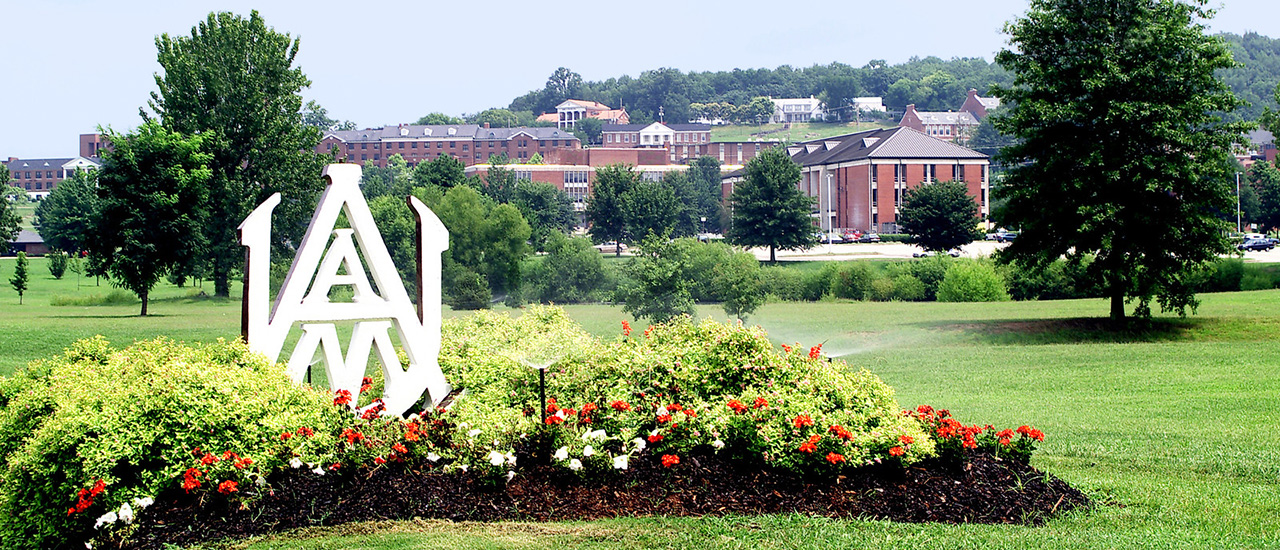
In a significant development, Alabama A&M University has officially partnered with Université Peleforo Gon Coulibaly in Côte d’Ivoire. This historical Memorandum of Understanding was recently approved by the Alabama A&M Board of Trustees. It paves the way for an innovative collaboration that promises to enhance opportunities for students and faculty at both institutions.
The MOU lays a comprehensive framework for cooperation, focusing on a diverse range of collaborative activities across multiple disciplines. According to Dr. Majed El-Dweik, Alabama A&M‘s vice president of research & economic development, this partnership is a landmark achievement in the university’s strategy for global engagement. “We are thrilled to work with UPGC to create new opportunities for our students and faculty to engage in meaningful research and educational exchanges,” he stated.
Two Universities, One Mission
Central to the agreement is the promotion of scientific and educational collaboration that aims to yield joint research projects, exchange technical information, and develop cooperative training programs. The partnership focuses on disciplines critical to both institutions, including agriculture, food science, animal science, and agricultural economics. By sharing our expertise and resources, we can address some of the most pressing challenges in these disciplines while providing our students with invaluable international experiences,” added Dr. Lamin Kassama, a food engineering/processing professor at AAMU.
As part of the MOU, AAMU and UPGC will facilitate student and faculty exchanges. Nominated undergraduate and graduate students will be able to participate in exchange programs as either degree-seeking or non-degree participants. The specific number of exchanged students will be determined mutually by the two universities. Furthermore, the agreement encourages tailored faculty exchanges that align with the academic and research interests of both institutions.
Additionally, AAMU and UPGC plan to initiate joint scholarly ventures, including research publications, lectures, conferences, and symposia. Both universities will collaborate on curriculum development and share scientific knowledge in agricultural disciplines. Topics will include soil and crop sciences, agronomy, plant pathology, food sciences, and animal and poultry sciences.
Dr. Dweik emphasized that the MOU will remain effective for five years, with potential for renewal. “This partnership will continue to elevate Alabama A&M’s presence on the global stage, showcasing the talents and achievements of our students and faculty,” said Dweik.