
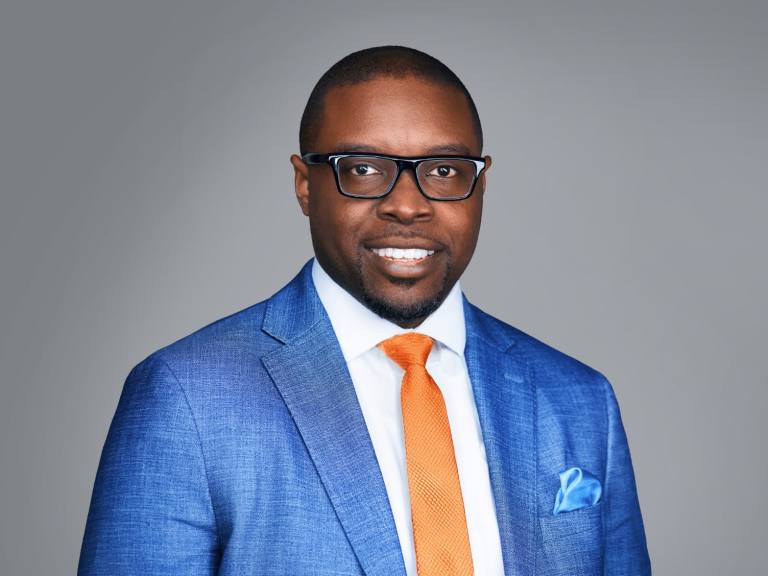
Savannah State welcomes new president Dr. Jermaine Whirl at a time when leadership matters more than ever for HBCUs trying to grow, stabilize, and stay competitive. On Friday, April 17, Savannah State University formally invested Whirl as its 15th president, turning the ceremony into a public marker of where the university believes it is headed next. The moment came just over a year after he officially began the job on April 1, 2025, and it gave the school a chance to present him not just as a new face in the office, but as the leader of its next chapter.
Savannah State welcomes new president with a clear message
At many colleges, an investiture can feel ceremonial. At Savannah State, this one carried more weight. The university described the event as a historic academic tradition that celebrates leadership, legacy, and vision for the future. That framing matters because Savannah State is not just introducing a president to campus life. It is trying to show students, alumni, faculty, and supporters that this administration has a plan, a tone, and a larger direction.
Whirl’s arrival already carried significance before the formal ceremony. The University System of Georgia named him president in February 2025 after a six-month national search, and Savannah State welcomed him as the 15th president of Georgia’s oldest public HBCU. Before taking over at Savannah State, he served as president of Augusta Technical College and built a résumé that included work at Savannah Technical College, Georgia Southern University, East Georgia State University, and Greenville Technical College. That background gave him a strong mix of workforce, academic, and administrative experience before stepping into one of the most visible HBCU leadership roles in the state.
The strongest part of this moment was not the pageantry. It was the message Whirl attached to it. During the ceremony, he made it clear that his administration is not focused on simply maintaining the university. He said Savannah State is there to elevate the institution. That kind of line works because it tells the campus community exactly how he wants to be judged. He is not selling a caretaker presidency. He is selling momentum.
That message lines up with the five-year strategy he has pushed since taking office. Savannah State says Whirl’s plan, called The Uproar 2030 Plan, is centered on five pillars: student success, employee achievement, brand strength, infrastructure innovation, and community impact. Those goals sound broad, but they point to the real challenges and opportunities many HBCUs face right now. Schools want stronger enrollment, better campus systems, a sharper public image, and deeper relationships with the communities around them. Savannah State is trying to address all of that at once under Whirl’s leadership.
His first year gave Savannah State something to point to
What makes this story stronger is that Whirl did not arrive at his investiture empty-handed. Savannah State and local reporting both point to visible moves during his first year. The university says he developed the Uproar 2030 plan, established five new academic colleges, secured the school’s largest corporate gift at $5 million, and helped launch the first named college in Savannah State history through the Hyundai College of Education. That matters because HBCU leadership stories land better when there is proof behind the messaging.
The Hyundai partnership especially stands out. Savannah State said the donation was the largest corporate investment in the university’s 135-year history and tied directly to education, workforce development, and community impact in coastal Georgia. In practical terms, that gives Whirl a real first-year win that people can understand. It is not just language about the future. It is money, visibility, and a named academic unit that can help shape the school’s long-term identity.
WTOC also reported that Whirl wants Savannah State to reach 6,000 students and become one of the top 25 HBCUs in the country. Those are ambitious goals. They are also useful ones because they give alumni and students something concrete to track. HBCU communities pay attention when presidents talk about growth, but they pay even closer attention when leaders put numbers on the table. That is when a vision starts to feel measurable instead of symbolic.
Why this matters beyond Savannah
This story matters because HBCU presidencies are never just internal leadership changes. They shape fundraising, enrollment, campus culture, public trust, and how a school is talked about across the broader Black college community. When a president starts strong, the effects can be felt in recruitment, partnerships, donor confidence, and student morale. When a president feels disconnected from the campus or unclear in vision, that gets felt too. Savannah State is clearly trying to send the opposite message here.
There is also something important about timing. Savannah State has spent the last few years trying to strengthen its footing, and formal moments like this help shape how a new era is understood. The investiture was not just about recognizing Whirl’s title. It was about telling the public that the university believes it has found a leader who can move the school into a more confident phase. That belief was echoed by local leaders during the event, including Savannah Mayor Van Johnson, who declared April 17 “Dr. Jermaine Whirl Day” in Savannah, and Chatham County Commission Chairman Chester Ellis, who presented Whirl with the keys to the county.