Howard Ballroom Dance Team Could Make History Thanks to Student Brock Montgomery

Brock Montgomery Ballroom Copy

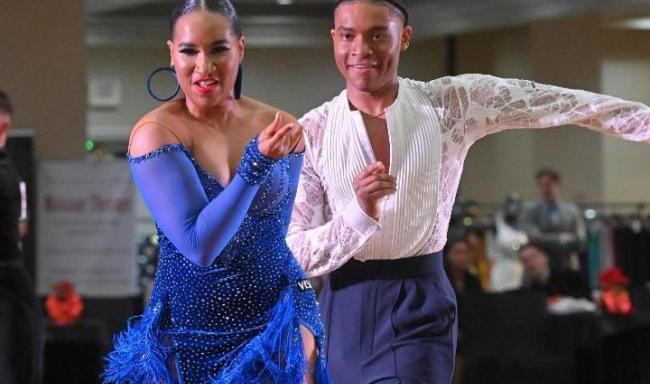
A Howard ballroom dance team could soon become a reality as freshman Brock Montgomery works to introduce competitive ballroom dance to historically Black colleges and universities. Montgomery, a two-time national champion Latin ballroom dancer, is leading an effort to establish what would be the first competitive collegiate ballroom program at an HBCU, beginning at Howard University.

Montgomery’s push was recently highlighted in a feature detailing his vision to bring ballroom dance into Black collegiate spaces where the sport has historically lacked representation. As a student navigating both elite competitive dance and campus life at Howard, Montgomery sees the university as the perfect foundation to build a program that could eventually expand across the HBCU ecosystem.

A Championship Résumé Behind the Movement

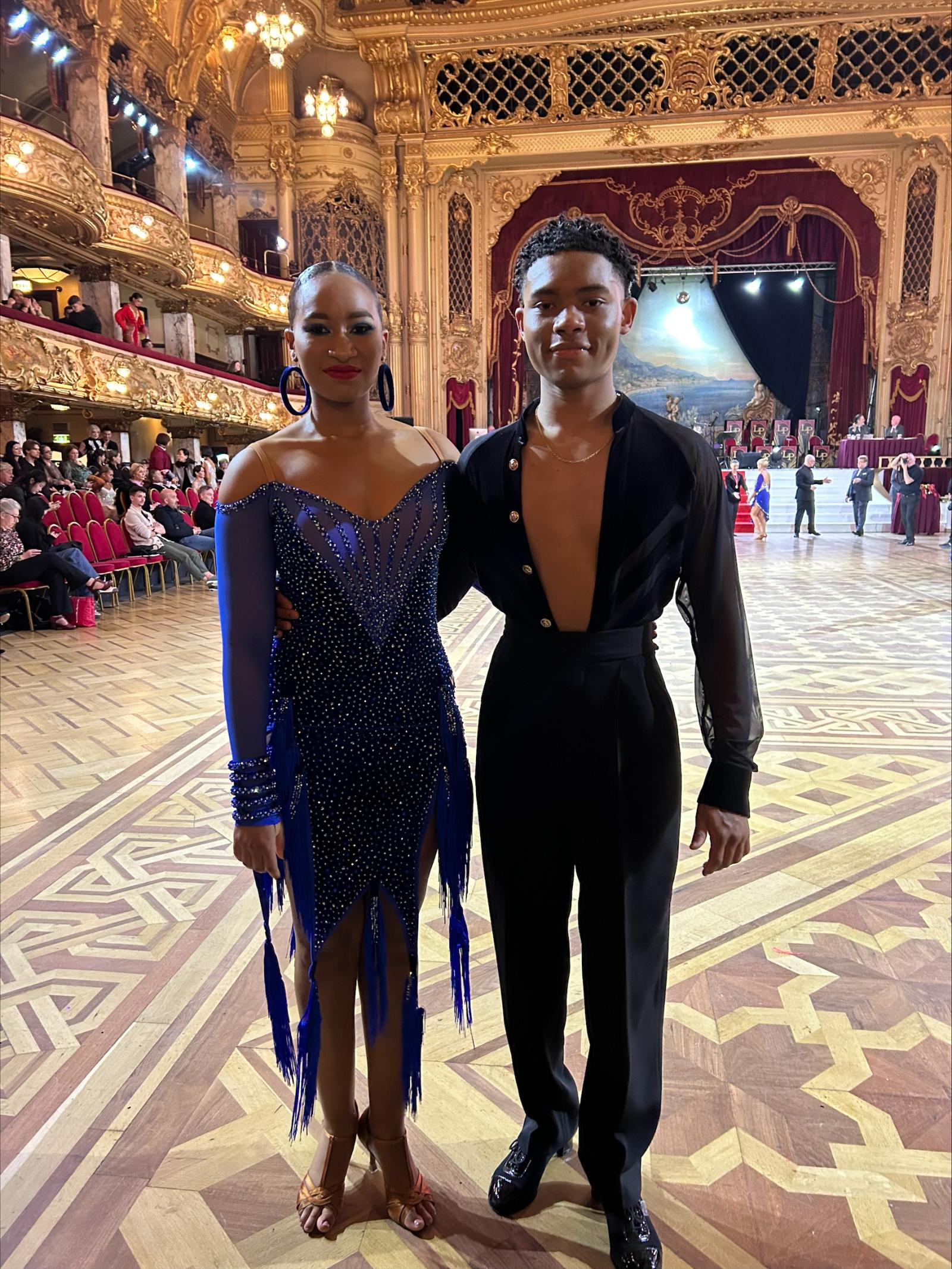
Montgomery is entering this effort with an elite competitive background. Alongside his younger sister, Charli Ana Montgomery, he has earned multiple national titles in Latin ballroom dance, including championships at the USA Dance National Championships, placing the duo among the top-ranked African American ballroom competitors in the country.

Their experience extends beyond domestic competition. The siblings represented the United States at the World DanceSport Federation World Championships, competing internationally in the Youth Latin category. That level of exposure has given Montgomery firsthand insight into the global structure of ballroom dance — and what it takes to build a legitimate collegiate pipeline rather than a casual student club.
Brock And Charli Montgomery

Why a Howard Ballroom Dance Team Matters

While ballroom dance teams are well established at several predominantly white institutions, HBCUs have largely been excluded from that competitive circuit. Montgomery views that gap as an opportunity to expand access and reshape perceptions around who belongs in ballroom spaces.

A Howard ballroom dance team would introduce students to a discipline that blends athleticism, artistry, and international competition. Montgomery has emphasized that no prior dance experience would be required, allowing beginners and advanced dancers to grow together. Long-term, the vision includes competitive travel, professional exposure, and eventually scholarship opportunities similar to those offered at non-HBCU institutions.

Institutional Support and Campus Momentum

Montgomery has already begun working through Howard’s internal approval process to formalize the program. Support from faculty within the Chadwick A. Boseman College of Fine Arts has helped legitimize the effort, while conversations continue around structure, funding, and long-term sustainability.

Howard-affiliated platforms have also amplified Montgomery’s work, signaling growing campus interest. The initiative aligns with broader efforts to expand student-led innovation and creative programming at Howard, particularly in areas where Black representation has historically been limited.

Expanding HBCU Dance and Performance Culture

HBCUs have long shaped national performance culture through marching bands, step teams, majorettes, and contemporary dance programs. Adding ballroom dance represents an evolution — not a departure — from that legacy.

For Montgomery, the initiative is deeply personal. He has spoken about navigating competitive ballroom spaces where Black dancers are often underrepresented, and how attending Howard has offered a sense of cultural grounding he previously lacked. His goal is to ensure future Black dancers can pursue elite competition without sacrificing community or belonging.

A Blueprint for Other HBCUs

If successful, the Howard ballroom dance team could serve as a national blueprint. Montgomery envisions a future where multiple HBCUs field ballroom programs, creating an intercollegiate network that introduces Black students to a global competitive art form while keeping HBCU culture at the center.

As momentum builds, the initiative highlights how student leadership continues to expand what’s possible on HBCU campuses — redefining excellence while staying rooted in tradition.

How Students Across the World Engage With Digital Experiences in Different Ways 

people studying

Today’s university students are more connected than any previous generation. Laptops, smartphones, and digital platforms are woven into how they study, socialise, and navigate everyday life. However, being constantly online does not mean students everywhere use technology in the same way.

A student in London, Seoul, Nairobi, or São Paulo may scroll the same apps, yet their digital habits can look completely different. Culture shapes what feels normal online, infrastructure determines what is accessible, and education systems influence how digital tools are used on a day-to-day basis.

Global connectivity links students across borders. It does not flatten their experiences. Understanding those differences is where the real story begins.

Digital Life on Campus: Why University Students Are a Unique Group

University students occupy a digital space that is distinctly their own. They juggle hybrid learning, part-time work, social lives, and growing independence, often from the same screen.

Unlike school students, they manage their time independently. Unlike working professionals, whose schedules revolve around a primary job, university students move between multiple responsibilities throughout the day. Add tight budgets and shared living spaces, and digital choices become intentional rather than incidental.

It is easy to group university students under the broader Gen Z label, but their online habits differ in meaningful ways. Working professionals often use digital tools mainly for productivity and networking.

University students shift constantly between study platforms, group chats, streaming services, and social apps. Sometimes this happens within the same hour. Academic pressure does not pause social life. It runs alongside it. Group projects often unfold through messaging apps, and stress relief can also occur online.

That is why entertainment choices matter. Some students get into streaming or gaming, while others explore online casino games in some states of USA, Canada, or regions with clear regulations and safer platforms, like New Zealand’s casino games. This choice is less about gambling itself and more about quick, controlled entertainment.

Digital life on campus is not simply about being online. It is about balancing responsibility, connection, and downtime within a shared digital environment.

North America & Western Europe: Productivity, Platforms, and Personal Branding

University students in North America and Western Europe often approach digital life with a strong focus on productivity and future planning.

Laptops are central to daily routines, whether students are taking notes in lectures, accessing learning management systems, or collaborating through cloud-based tools. Platforms such as Google Workspace, Microsoft Teams, and Canvas are standard parts of campus life, making collaboration feel routine and efficient.

Beyond academics, digital platforms play a crucial role in career preparation. Students build LinkedIn profiles, apply for internships online, and begin networking well before graduation. Coursework, side projects, and career planning frequently coexist on the same devices.

Social media remains part of daily life, but balance is a recurring theme. Many students actively manage their screen time to prevent social scrolling from distracting them from their academic focus. Digital tools function not only as social connectors but also as stepping stones toward independence and employment.

East Asia: Mobile-First, High-Speed, Hyper-Integrated

University students in East Asia often treat smartphones as their primary digital lifeline. These devices support far more than messaging and are used for coordination, payments, and study planning.

Across the region, mobile internet access is widespread and deeply integrated into everyday routines. Smartphones are often the default devices for both communication and learning. Messaging apps such as WeChat and LINE go beyond conversation by offering mobile payments and embedded services that streamline daily tasks.

For students, this enables rapid coordination with classmates, real-time group updates, and the simple handling of expenses, such as splitting bills or purchasing transport tickets, all within a single platform.

Digital culture in much of East Asia values efficiency and convenience. Integrating academic planning with social and financial tools on mobile platforms feels practical and intuitive. University students experience a mobile-first digital environment where most aspects of life are accessible through a tap or swipe.

South & Southeast Asia: Digital Access as Opportunity

For university students across South and Southeast Asia, digital access often represents opportunity rather than convenience. As mobile connectivity expands, smartphones have become essential tools for learning, socialising, and personal development.

Many students rely on mobile data to attend online classes, watch tutorials, and stay connected with peers. This is especially important in areas where access to physical campus resources is limited.

Digital platforms frequently supplement formal education. Students use online courses, video platforms, and skill-based resources to learn subjects not always covered in degree programs, ranging from coding to creative work.

Social media and online communities also create access to global conversations. These spaces enable students to collaborate, exchange ideas, and establish networks that extend beyond their immediate surroundings.

Adaptability stands out in this context. With uneven internet speeds and varying access, students become resourceful problem-solvers. Digital tools are not simply part of student life here. They represent a pathway forward.

Latin America & Africa: Community, Creativity, and Shared Digital Spaces

University students in Latin America and Africa often use digital spaces as shared social hubs, creative outlets, and tools for community engagement. In many urban areas, affordable mobile data plans and shared devices are more common than personal laptops. As a result, group chats, collaborative work, and online gatherings play a central role in daily life.

Community-based digital initiatives and local support networks help students stay connected and develop skills collectively. This shared approach encourages collaboration, from community projects to digital entrepreneurship, rather than focusing solely on individual online activity.

Digital platforms also support activism across both regions. Students utilise online platforms to engage in social and political discussions, collaborate on causes, and establish networks that extend beyond national borders.

Whether through cost-conscious connectivity strategies or grassroots digital experimentation, the emphasis remains on community, creativity, and mutual support.

Same Screens, Different Stories

University students around the world may share devices, apps, and platforms, but how they use them is shaped by location, culture, and access. Digital life is not uniform. It reflects local realities, priorities, and opportunities. That diversity is what makes the global student experience layered, dynamic, and worth understanding.

T.I. Donates $50,000 to Morris Brown College as Part of Major Funding Boost

Wp Content Uploads Sites 2 2024 10 Rapper T I Arrives Onstage 88311114 Copy

A Significant Gift Amid a Wave of Support for Morris Brown

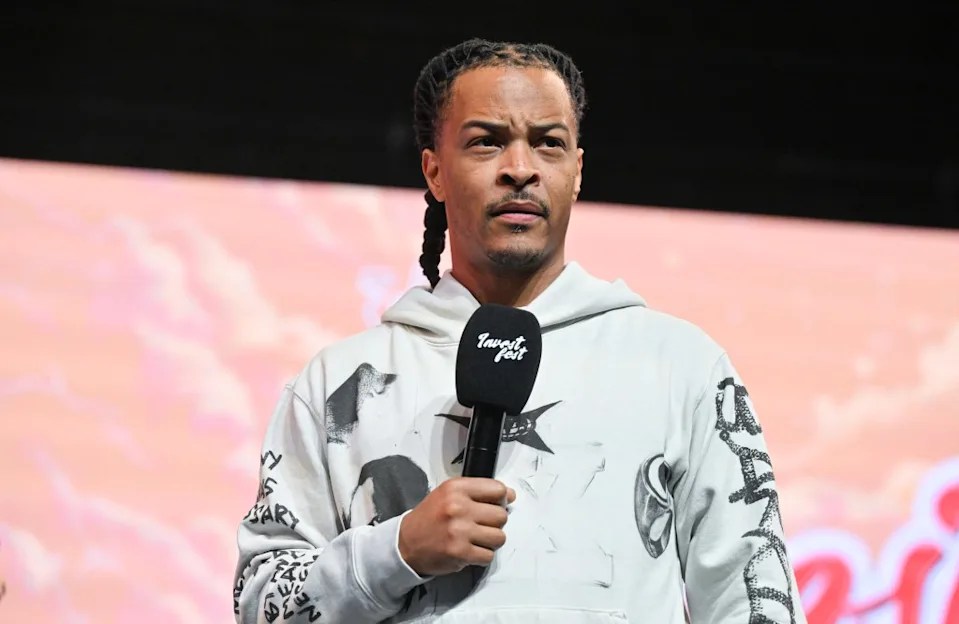
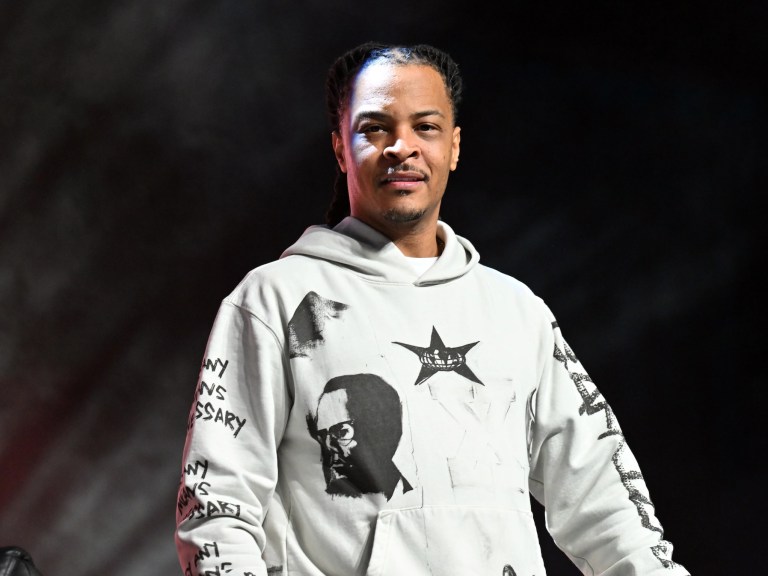
Atlanta rapper, entrepreneur, and community advocate T.I. has donated $50,000 to Morris Brown College, adding to a growing wave of financial support for the historic HBCU as it continues its long-term rebuilding and revitalization efforts. The donation was first reported by AfroTech and is part of a broader funding announcement that includes federal support, faith-based contributions, and community investment.

T.I.’s gift comes at a pivotal moment for Morris Brown, which has spent recent years working to restore financial stability, expand enrollment, and rebuild institutional trust following decades of hardship. The college, founded in 1881, has become a symbol of resilience within the HBCU community, drawing national attention for its comeback story and renewed momentum.

Breaking Down the $800,000+ in New Funding

According to reporting from 11Alive, Morris Brown College recently secured more than $800,000 in combined funding. That total includes $700,000 in federal support, $60,000 from the African Methodist Episcopal Church, and T.I.’s $50,000 personal donation. Additional coverage from Face2Face Africa confirmed the breakdown and highlighted how the funds will be used to support scholarships, campus security, and operational needs.

College officials have emphasized that these investments are critical to sustaining student success and strengthening campus infrastructure. For an institution that once faced near-closure, the influx of resources represents not just financial relief, but renewed confidence from stakeholders at the local and national level.

E6dbe80cb2dda2e8711f17051c914d10

Ties Between T.I. and Morris Brown’s Atlanta Roots

T.I.’s donation carries added significance given his deep roots in Atlanta and long-standing involvement in community-focused initiatives across the city. While the rapper is not an alumnus of Morris Brown, his support aligns with a broader pattern of investing in Black-owned institutions and historically Black colleges within the Atlanta area.

Local outlet FOX 5 Atlanta reported that the funding package will also help enhance campus safety and expand scholarship opportunities, addressing key concerns for students and families considering enrollment. T.I.’s contribution was highlighted as one of the most visible private gifts within the broader funding announcement.

Morris Brown’s Ongoing Comeback Story

Morris Brown College has been steadily rebuilding its academic and operational foundation after years of financial instability and loss of accreditation. In recent years, the institution has regained eligibility for federal financial aid and announced plans for campus improvements, enrollment growth, and academic expansion. Coverage from HBCU Gameday framed T.I.’s donation as part of a larger resurgence narrative that continues to attract attention across the HBCU landscape.

Supporters say that visibility from high-profile donors helps shift public perception of Morris Brown from a school defined by past struggles to one focused on future opportunity. Each new investment adds credibility to the institution’s recovery and signals belief in its long-term sustainability.

Readers interested in learning more about the school’s journey can explore additional coverage through HBCU Buzz’s Morris Brown College tag, which tracks major milestones and developments tied to the institution’s revival.

Celebrity Giving and the Broader Impact on HBCUs

T.I.’s donation also fits within a larger trend of celebrity philanthropy supporting HBCUs, particularly as conversations around equity, access, and institutional funding remain front-of-mind. High-profile gifts often serve as catalysts, encouraging additional donors and partners to invest in schools that have historically been underfunded.

At Morris Brown, administrators have been clear that financial support alone is not the end goal, but rather a tool to create stable pathways for student success. Investments in scholarships, security, and operations help ensure that students can focus on academics without being burdened by uncertainty about resources or campus safety.

Broader discussions around HBCU investment and philanthropy continue to appear across HBCU Buzz’s reporting, including stories highlighting how community support and private donations shape the future of historically Black institutions.

Looking Ahead

As Morris Brown College continues its rebuilding efforts, the latest round of funding represents both progress and possibility. T.I.’s $50,000 donation stands as a tangible show of support from a prominent Atlanta figure, reinforcing the idea that Morris Brown’s future is a shared responsibility across the city and beyond.

For students, alumni, and supporters, the momentum surrounding the college signals hope that Morris Brown’s comeback is not temporary, but sustainable. With continued investment, institutional accountability, and community backing, the school’s resurgence could serve as a model for how HBCUs overcome adversity and reclaim their place within higher education.

Prairie View A&M Coach Byron Smith Calls for Better Medical Care for HBCU Athletes

W640xh480 GettyImages 637062006

A Growing Conversation Around Athlete Health at HBCUs

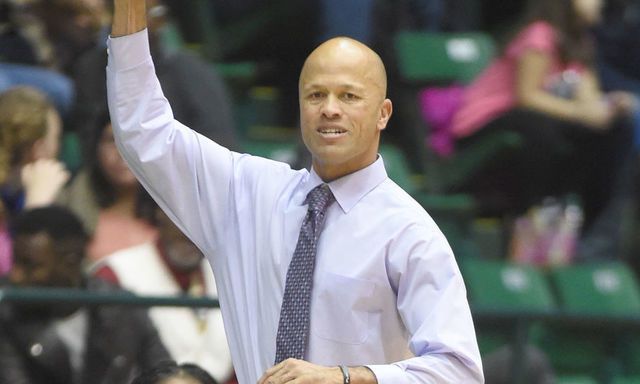
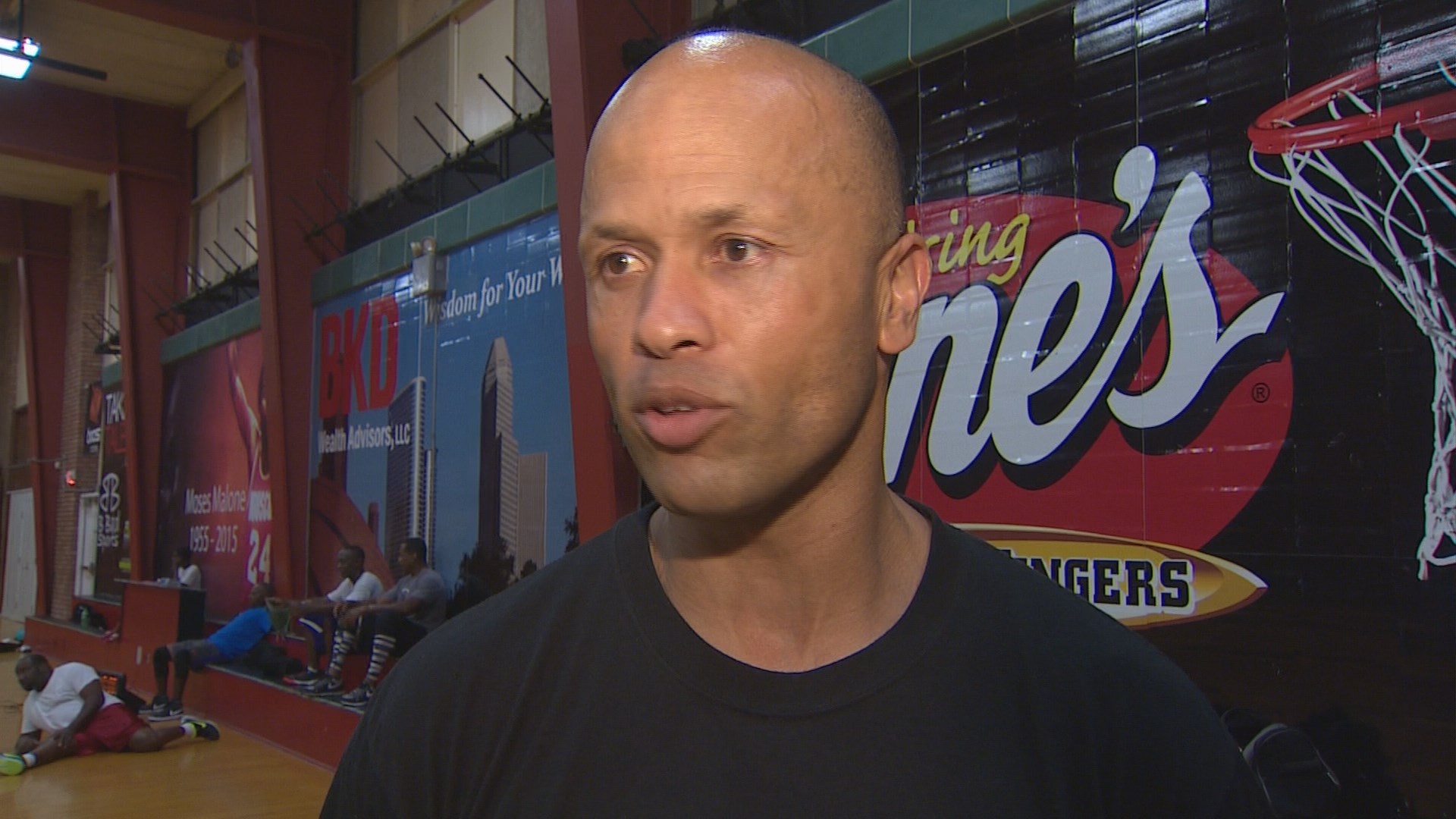
Prairie View A&M men’s basketball head coach Byron Smith is calling for improved medical care and athlete health resources across Historically Black Colleges and Universities, adding his voice to a growing conversation about player safety, recovery, and long-term well-being. Smith’s comments come amid increased scrutiny of how injuries are managed at HBCU athletic programs and whether student-athletes are receiving the medical support they need to compete safely. In an interview featured by Sports Illustrated, Smith emphasized that winning games should never come at the expense of player health and pointed to the pressures athletes can face to return before they are fully healed.

The Injury Context Behind Smith’s Comments

Smith’s call to action was fueled in part by the injury situation involving Prairie View A&M guard Tai’Reon Joseph, which raised broader questions about how medical decisions are made and communicated at the college level. In the Sports Illustrated report, Smith pushed back on the expectation that players should simply “push through” pain, warning that rushed recoveries can lead to long-term consequences that follow athletes well beyond their playing careers. The story gained additional reach after being republished by Yardbarker, further amplifying Smith’s message outside of HBCU-only circles.

635935784432511651 Byron Smith 995428 Ver10

The Bigger Issue: Sports Medicine Resource Gaps

Even as HBCU programs continue to grow their visibility and competitive profile, many athletic departments still face structural resource gaps that show up most clearly in sports medicine. Budgets have to stretch across travel, staffing, facilities, equipment, and recruiting—often leaving training rooms, rehab support, and preventative care underfunded compared to larger Division I programs. Smith acknowledged the reality of limited resources while insisting that athlete health has to remain non-negotiable. He argued that medical care shouldn’t be treated as an optional upgrade, but as a baseline expectation for any program responsible for student-athlete welfare.

Why This Matters for the Future of HBCU Sports

Smith’s comments land at a moment when athlete care is becoming more visible in recruiting and in public expectations of college programs. Families are paying closer attention to how schools handle injuries, whether athletes have access to consistent rehab support, and how recovery timelines are managed. In that context, improving sports medicine infrastructure isn’t only a health issue—it can shape trust, retention, and long-term program credibility. For more related coverage and context on how HBCU hoops is evolving, readers can explore HBCU Buzz’s Prairie View A&M.

Moving the Conversation Forward

While there hasn’t been a sweeping conference-wide policy response tied directly to Smith’s remarks, the attention around this story adds pressure for programs and stakeholders to evaluate whether current medical support is sufficient. Smith’s stance reframes “support” as more than scholarships and exposure—it’s also the day-to-day infrastructure that protects athletes when the season gets physical. As HBCU athletics continues to expand its footprint, the expectation will only grow that athlete health is treated as a foundational priority, not an afterthought.

Morehouse Fined After Tuskegee Coach Handcuffed Following Postgame Incident

Screenshot 2026 02 02 At 12 48 03 Pm

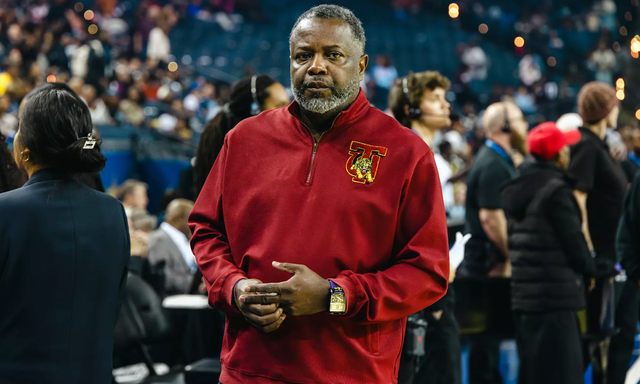
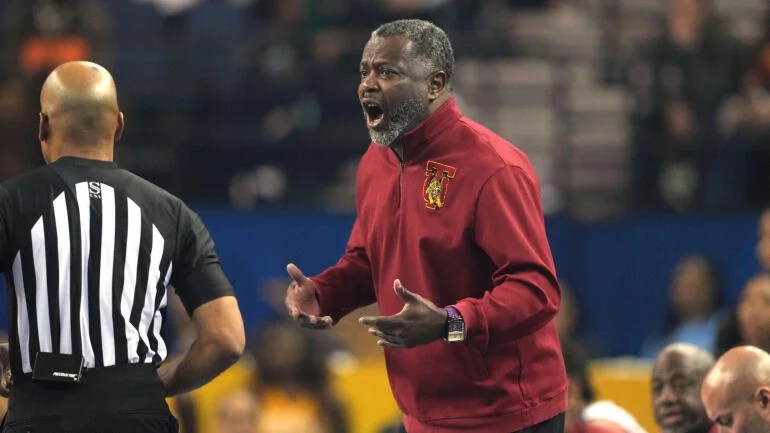
Morehouse College has been fined by the Southern Intercollegiate Athletic Conference (SIAC) following a postgame incident that resulted in Tuskegee University men’s basketball head coach Benjy Taylor being placed in handcuffs and escorted off the court. The incident occurred after Tuskegee’s loss to Morehouse at Forbes Arena in Atlanta and quickly spread across social media, drawing widespread attention throughout the HBCU sports community. According to reporting from the Atlanta Journal-Constitution, the moment unfolded during the postgame handshake line.

What Happened During the Handshake Line

Video footage shows Taylor engaging with arena security after raising concerns about a group of non-participating individuals entering the handshake area. Tuskegee officials later stated that the situation created a safety concern for their players, prompting Taylor to request enforcement of standard postgame procedures. Instead, a uniformed officer placed Taylor in handcuffs and escorted him off the court. Taylor was released shortly after and was not charged with a crime. Additional details were confirmed by WSFA.

SIAC Cites Security Failures at Morehouse

Following an internal review, the SIAC announced that Morehouse failed to meet required conference standards related to security and crowd control. While the conference did not disclose the amount of the fine, it confirmed that corrective measures would be required moving forward. The SIAC emphasized that host institutions are responsible for maintaining safe environments and managing postgame procedures appropriately, especially during emotionally charged moments.

Tuskegee Supports Coach, Legal Questions Emerge

Tuskegee University publicly supported Taylor, stating that he acted within his role as head coach to protect his student-athletes. The situation escalated further when it was revealed that Taylor retained civil rights attorney Harry Daniels to explore potential legal action. Coverage from AP News and The Grio highlighted concerns surrounding the use of law enforcement in resolving postgame disputes.

Tuskegee Coach

Broader Impact on HBCU Athletics

The incident has reignited broader conversations about security protocols, respect for coaching authority, and the role of law enforcement at HBCU athletic events. Many within the HBCU sports community have questioned how a routine postgame disagreement escalated to a public arrest. Similar discussions have appeared in past SIAC-related controversies, which readers can explore through HBCU Buzz’s ongoing coverage of Morehouse College sports and Tuskegee University athletics.

What Comes Next

As both institutions move forward, conference officials have reiterated the importance of clear communication between coaching staffs, security teams, and game officials. While the SIAC fine addresses the immediate issue, the incident remains a focal point in ongoing discussions about accountability, safety, and professionalism within HBCU athletics. For many observers, the hope is that meaningful changes will emerge to prevent similar situations in the future.

Heaven Epps Continues Family’s HBCU Legacy With Howard University Decision

622903299 1468374284653837 7944512838787900340 N C31780

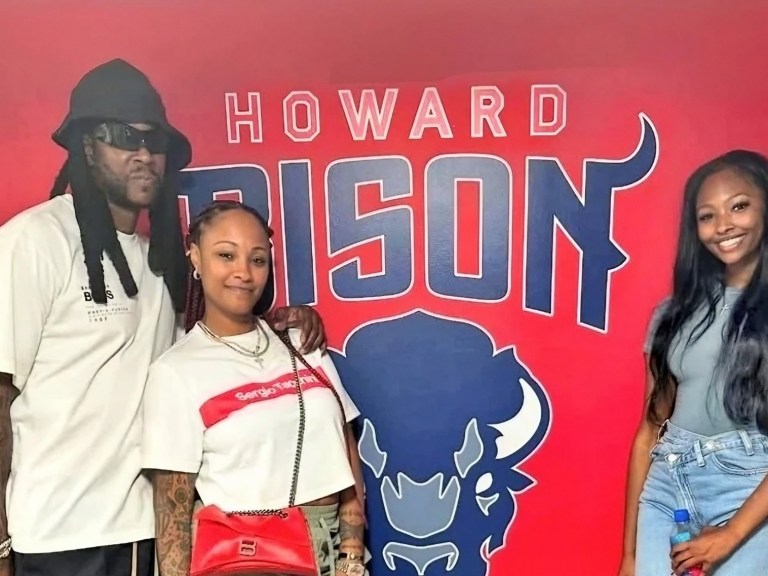
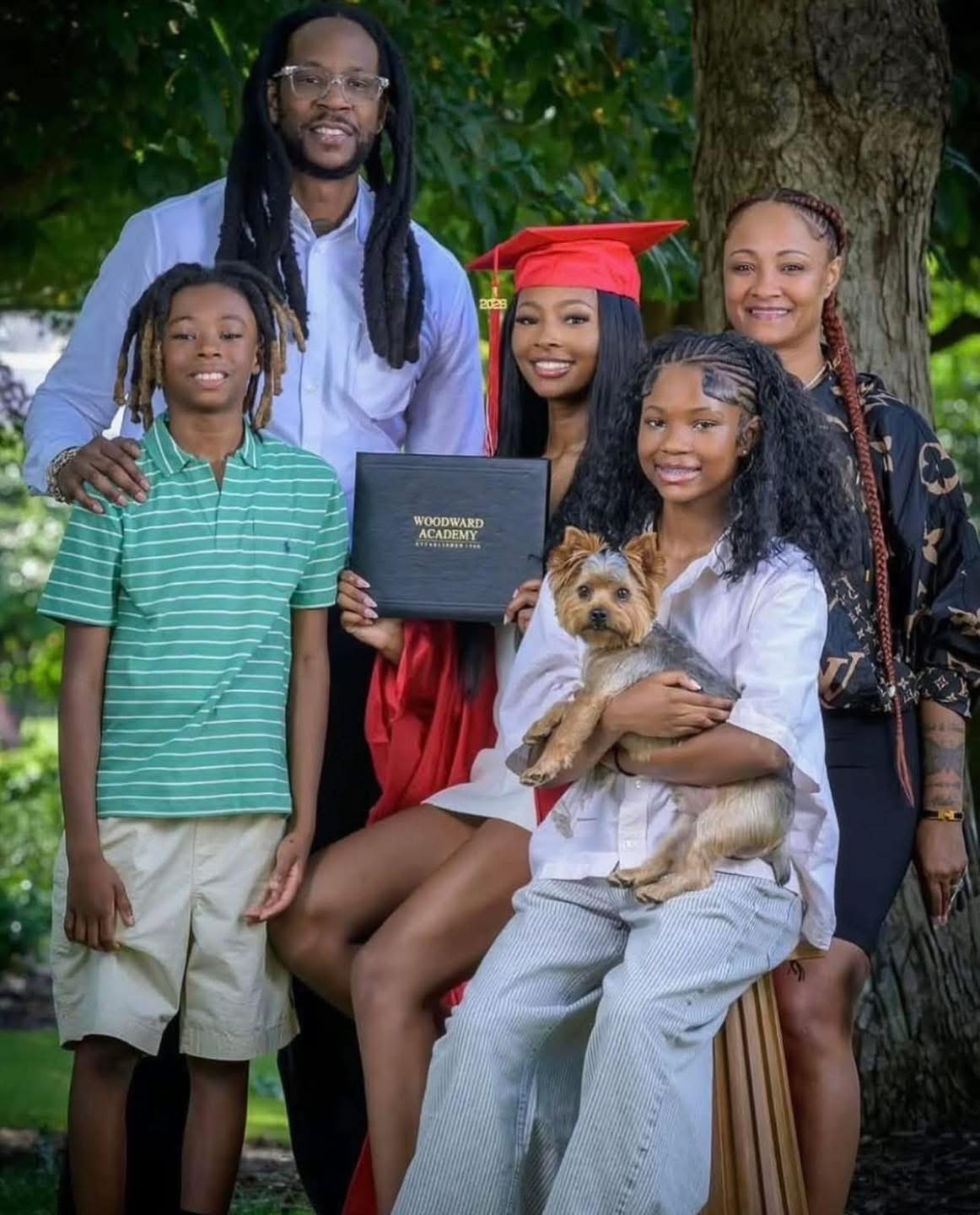
Heaven Epps, the daughter of Grammy-nominated hip-hop artist and entrepreneur 2 Chainz, is continuing her family’s long-standing connection to Historically Black Colleges and Universities after announcing her decision to attend Howard University this fall.

The news, first reported by HBCU Gameday, quickly resonated across the HBCU community as an example of generational commitment to Black institutions rooted in culture, education, and opportunity.

For many, Heaven’s decision represents more than a celebrity college acceptance. It reflects a deeply personal continuation of an HBCU legacy shaped by lived experience and family history. Before becoming a global music star, 2 Chainz—born Tauheed Epps—was a Division I basketball player who began his collegiate journey at Alabama State University before later completing his degree at Virginia State University. His experiences as a student-athlete at an HBCU have remained central to his personal story and public advocacy, often shaping how he speaks about opportunity, discipline, and access for Black students.

That legacy extends beyond athletics. Heaven’s mother, Kesha Ward Epps, is also an HBCU graduate, having earned her degree from Alabama State University. Together, the family’s educational background underscores a consistent belief in the value of HBCUs as spaces that cultivate leadership, confidence, and cultural affirmation. Heaven’s enrollment at Howard University adds a new chapter to that lineage, bridging multiple generations through shared values and intentional choice.

Howard University has long served as a cultural and academic home for Black excellence, producing leaders across politics, business, media, science, and the arts. The institution’s influence reaches far beyond Washington, D.C., drawing students from across the country and around the world who are seeking both rigorous academics and a strong cultural foundation. In recent years, Howard has continued to strengthen its national profile through competitive admissions, expanded research initiatives, and high-visibility alumni success, making it a top choice for students with a wide range of options. Heaven’s decision places her among a long list of high-achieving students who have intentionally chosen Howard as a place to grow intellectually while remaining connected to community. Readers can explore more related coverage through the Howard University archive on HBCU Buzz, which highlights how legacy, excellence, and opportunity continue to intersect on campus.

622368559 861949786666230 1135123570498030385 N

The attention surrounding Heaven’s decision also aligns with 2 Chainz’s broader engagement with HBCU culture. In recent years, he has consistently used his platform to spotlight HBCUs, most notably through his “Money Maker” project, which featured HBCU marching bands, Divine Nine organizations, and campus life. That visibility later evolved into the Money Maker Fund, an initiative supporting HBCU entrepreneurs and creators, further reinforcing his commitment to Black education and institutional support beyond music.

While celebrity college announcements often generate short-lived buzz, this moment has resonated because of its authenticity. Heaven Epps’ decision reflects a family tradition rooted in firsthand experience rather than optics or branding. It also mirrors a broader trend of Black families intentionally choosing HBCUs as environments where students can thrive academically while remaining grounded in culture, history, and community. As Heaven prepares to begin her journey at Howard University, her story stands as a modern example of how HBCU legacy continues to evolve—carried forward by a new generation ready to shape what comes next.

CDU Celebrates Future Doctors and Scientists at 26th Annual Junior White Coat Ceremony 

IMG 5207

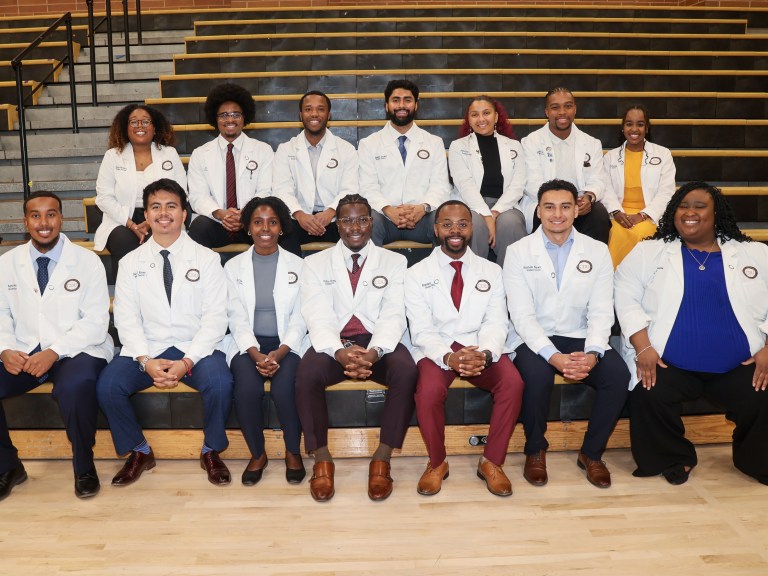
Charles R. Drew University of Medicine and Science recently marked a major milestone in its long-standing commitment to community-based STEMM education, hosting the 26th Annual Junior White Coat Ceremony as part of its Saturday Science Academy II (SSA II) program in Los Angeles. The event honored Pre-K through high school students who have completed the program, recognizing their dedication to exploring careers in science, technology, engineering, mathematics, and medicine.

For more than two decades, the Junior White Coat Ceremony has served as both a celebration and a rite of passage for young scholars from South Los Angeles and surrounding communities. During the ceremony, students were presented with symbolic white coats, reinforcing the idea that they already belong in spaces where medicine, science, and innovation intersect. For many participants, the moment represents their first formal recognition as future healthcare professionals and STEMM leaders.

Saturday Science Academy II is one of CDU’s flagship pipeline programs, designed to introduce students from historically underrepresented communities to real-world STEMM concepts through hands-on learning, mentorship, and interactive experiences. The program emphasizes early exposure, confidence-building, and sustained engagement, helping students envision pathways into healthcare and scientific careers long before college.

This year’s ceremony was supported by the Coalition of Black Men Physicians (CBMP) through its CDU Chapter Young Minds in Medicine initiative, sponsored by Cedars-Sinai Medical Center. Members of CBMP were actively engaged during the event, connecting directly with students and families while reinforcing the importance of mentorship, representation, and access in medicine. Their presence underscored the role that Black physicians and healthcare leaders play in shaping the next generation.

Founded in 2022, the Coalition of Black Men Physicians is a Los Angeles-based nonprofit focused on increasing diversity in medicine through scholarships, mentorship, and early pipeline programs. Since its inception, CBMP has raised more than $70,000 to support educational initiatives and mentorship opportunities across the community, aligning closely with broader efforts to advance health equity and workforce diversity.

As the Coalition of Black Men Physicians looks ahead, the newly launched Young Minds in Medicine Program represents the next phase of the organization’s commitment to building a sustainable pipeline of future physicians and healthcare leaders. Designed to introduce students to medicine early, the program is grounded in the belief that talent already exists within our communities—and that early exposure, mentorship, and representation are essential to nurturing that potential.

“Programs like this ignite curiosity and confidence in young learners, and we are proud to mentor the next generation of physicians and scientists from our beloved communities,” said Dr. Richard Morgan, Treasurer of the Coalition of Black Men Physicians.

Young Minds in Medicine will expand through the development of school-based chapters, which will serve as consistent points of engagement for students interested in medicine and the health sciences. These chapters are intended to provide structured opportunities for learning, mentorship, and exploration of healthcare careers while fostering a strong sense of belonging and academic confidence.

Medical students will play a central role in leading the program, serving as mentors and facilitators who guide participants through early exposure to medical education and professional pathways. Through near-peer mentorship, students will gain insight into the journey to medicine from individuals who have recently navigated the same path—helping make healthcare careers feel accessible, visible, and attainable.

To support the next generation of medical leaders, community members are encouraged to get involved with CBMP’s Young Minds in Medicine Program and contribute to its ongoing work. Those interested in supporting the initiative can learn more and donate by visiting blackmenphysicians.org or contributing directly through CBMP’s official fundraising page at givebutter.com/LC1vhn

Daronte Jones, Morgan State Alumnus, Named Washington Commanders Defensive Coordinator

AP26027080146491

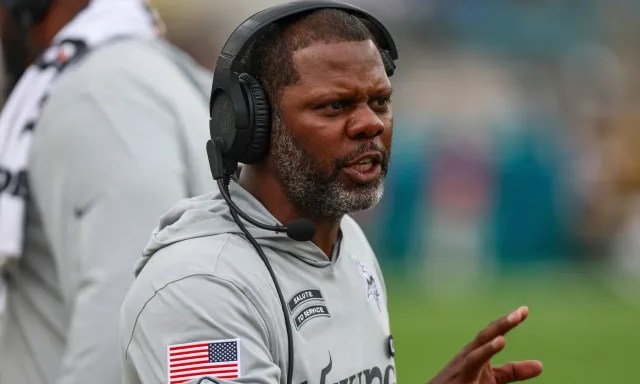
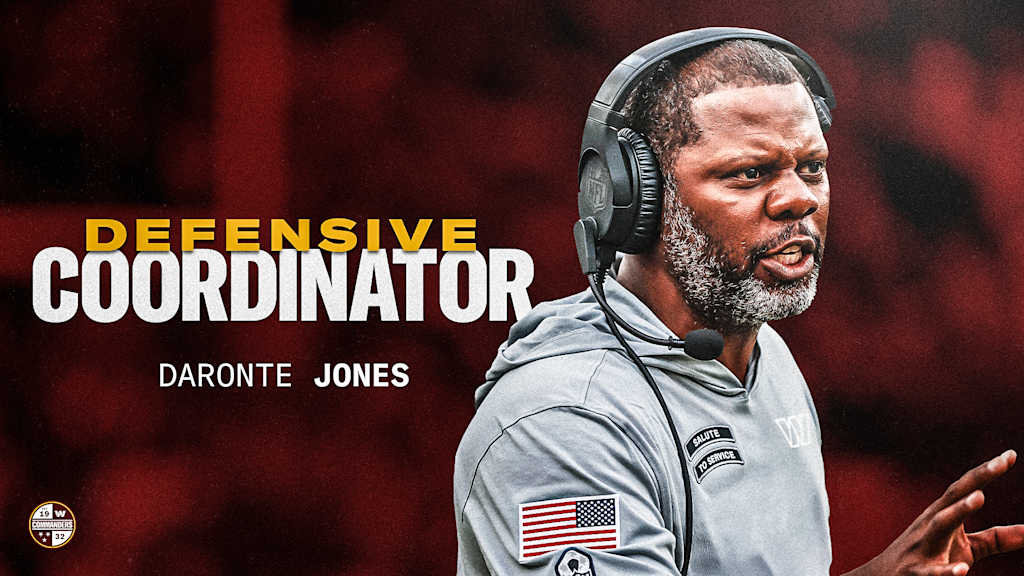
Daronte Jones, a Morgan State University alumnus, has been named the new defensive coordinator of the Washington Commanders, marking a meaningful milestone for both the franchise and the broader HBCU football community. The move places Jones among a select group of HBCU products holding coordinator-level roles in the NFL, reinforcing how historically Black colleges and universities continue to shape leadership at the highest levels of professional football.

Jones’s hiring comes as Washington looks to reset its defensive identity after a season defined by inconsistency and missed expectations. The organization’s decision signals a shift toward clearer communication, stronger teaching, and a more cohesive defensive approach—areas that often separate good units from great ones, regardless of star power.

A Morgan State Foundation That Shaped His Path

Before reaching the NFL’s coordinator ranks, Jones’s football journey ran through Morgan State, where he played defensive back after transferring from Temple. While injuries shortened his playing career, Morgan State proved pivotal in shaping his long-term trajectory in the game. The Bears program has historically leaned on preparation, accountability, and resilience—traits that tend to translate well to coaching, where durability and adaptability matter just as much as schematic knowledge.

His rise also adds to the broader narrative highlighted in HBCU Buzz’s Morgan State coverage, where alumni impact isn’t limited to who makes a roster—it’s who evolves into leadership and stays in the sport long enough to shape it. That’s the part that gets overlooked in mainstream football storytelling: HBCUs don’t just produce talent; they produce builders who learn how to earn trust, develop people, and lead through change.

Eefd99epdubfsbmrvcpw

Years of Coaching That Built a Coordinator

Jones’s path to this opportunity was not a straight line, and that’s precisely what makes his hiring instructive. He built his résumé across multiple levels of football, gaining exposure to different athlete profiles, program cultures, and scheme families. That breadth is often where the best teachers come from. When you’ve coached in environments with fewer resources, less margin for error, and more responsibility on communication, you tend to develop a practical coaching language players can actually use on Sundays.

He later gained high-profile experience as a college defensive coordinator, a role that typically demands fast decisions, player development, and the ability to adjust week to week. That experience matters because NFL coordinator work isn’t just drawing up a call sheet—it’s managing a system, diagnosing problems quickly, and building clarity for players who have to execute under pressure with minimal hesitation.

Jones then carried that development back into the professional ranks, working with NFL position groups and contributing to defensive game planning. That combination—coordinator responsibility, plus NFL teaching experience—helps explain why Washington viewed him as ready for the next step.

https://www.instagram.com/p/DT_vV6sEQhp

Why Washington Turned to Daronte Jones

Washington’s defense needed more than tweaks. It needed a real identity—one players can repeat, believe in, and execute consistently. A coordinator’s job, especially in year one, is as much about eliminating confusion as it is about adding complexity. For a defense that has struggled with cohesion, the most valuable trait is often clarity: players knowing where to be, why they’re there, and what the defense is trying to take away.

That’s where Jones’s background becomes an asset. Coaches with deep experience in the secondary tend to obsess over communication and leverage, because small mistakes become explosive plays. If Jones brings a detail-oriented approach that prioritizes assignment integrity while still creating opportunities for pressure and takeaways, Washington’s defense can improve even before the roster changes.

The hiring was reported by NFL.com, outlining Jones’s rise from Vikings assistant to the Commanders’ new defensive leader.

The HBCU Impact: Beyond Representation

For the HBCU community, Jones’s appointment resonates beyond the headline. It’s another reminder that excellence doesn’t always emerge from the most advertised pipelines. His career arc reflects how HBCUs continue to produce leaders whose influence shows up not only on the field, but in the rooms where strategy is built and standards are set.

HBCU programs often develop players in environments where grit and adaptability are non-negotiable. That reality can produce coaches who are unusually comfortable teaching through adversity, building buy-in, and managing transition. Those traits matter in the NFL, where the margin between “competitive” and “confused” is razor thin.

Jones’s promotion also creates a visibility moment for Morgan State: not just as a place that develops athletes, but as a place that helped shape someone now trusted to run an NFL defense. That kind of representation is powerful because it expands what “HBCU success” looks like—and it widens the imagination for what current players can pursue beyond playing careers.

A Milestone That Carries Forward

As Jones steps into this role, the spotlight isn’t only on how Washington performs—it’s also on what his leadership signals. His story is a blueprint for longevity: keep building, keep learning, and let your work travel with you. For Morgan State students, alumni, and HBCU athletes across the country, this hire is a tangible reminder that HBCU roots can lead to decision-making roles at the highest level of football.

If Washington’s defense finds its footing under Jones, the impact will be measurable on Sundays. But the bigger message is already clear: HBCU pathways don’t cap ambition—they sharpen it.

Washington’s Next Step

Washington’s defensive rebuild won’t be solved overnight, but coordinator hires matter because they define language, standards, and identity. Jones has the chance to install a system that players can own, and to bring structure to a unit that needs consistency. As the Commanders move into the next phase—personnel decisions, offseason development, and scheme installation—Jones will be one of the central figures in determining whether this defense becomes reliable or remains volatile.

For the HBCU community, the win is already visible: another Morgan State product, another HBCU story, another leadership seat at the highest table.

North Carolina A&T Star Aaron Harris Declares for 2026 NFL Draft

Fit 1

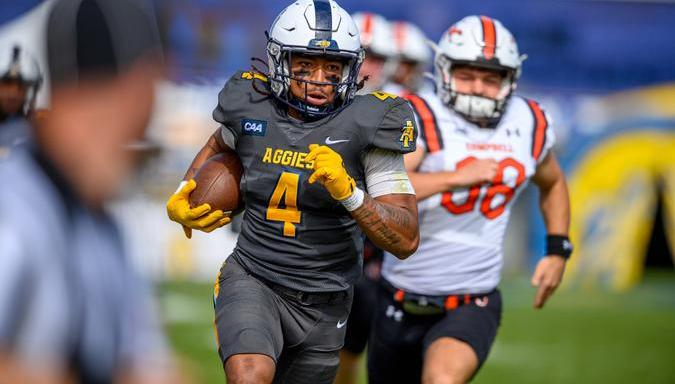
North Carolina A&T defensive standout Aaron Harris has officially declared for the 2026 NFL Draft, becoming the latest HBCU athlete to position himself for the next level after a standout run with the Aggies. Harris announced his decision following a strong season anchoring the secondary at North Carolina A&T, continuing the program’s tradition of developing pro-level talent.

His declaration places him squarely on the radar of NFL scouts as conversations around HBCU football prospects continue to expand heading into the 2026 draft cycle.

A Breakout Season for the 2026 NFL Draft Prospect

During his final season with the Aggies, Harris emerged as one of the most consistent defensive backs in the conference, recording impact tackles and pass breakups that disrupted opposing offenses. His performance earned him an invitation to the HBCU Legacy Bowl, a premier postseason showcase designed to elevate draft-eligible talent from Historically Black Colleges and Universities.

Harris’ ability to stay disciplined in coverage while remaining aggressive at the point of attack helped solidify his reputation as a dependable, NFL-ready defender.

Aaron Harris’ Impact at North Carolina A&T

Throughout his career at North Carolina A&T State University, Harris developed into a leader in the defensive backfield, contributing in coverage, run support, and special teams situations. His growth mirrored the continued national relevance of the Aggies’ football program.

The decision to declare follows increased attention surrounding Harris’ play, including coverage tied to his draft announcement and postseason evaluation process outlined in reports detailing his 2026 NFL Draft declaration.

What Aaron Harris’ Draft Declaration Means for HBCU Football

Harris entering the 2026 NFL Draft adds to the growing list of HBCU athletes earning legitimate professional consideration. As scouting access expands and events like the Legacy Bowl continue to grow in importance, HBCU prospects are no longer viewed as outliers — they are becoming expected contributors at the next level.

For programs like North Carolina A&T and across the broader HBCU landscape, Harris’ decision reinforces the continued impact of HBCU football on the national stage and the NFL pipeline.

A Different World HBCU Casting Call Brings Hillman College Back to Life in Atlanta

A Different World Cast

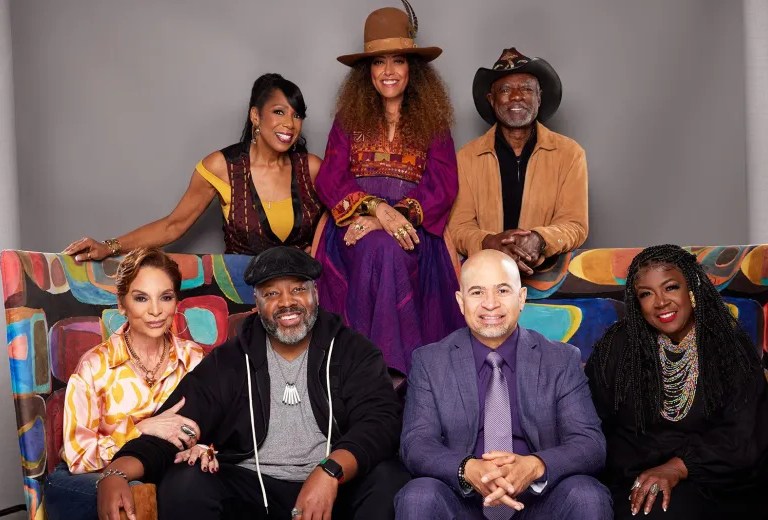
A new chapter of A Different World is officially taking shape, and this time, the beloved HBCU-centered series is inviting real students, alumni, and community members to be part of the story. A newly announced A Different World HBCU casting call in Atlanta is giving the HBCU community a rare opportunity to step onto the set of the iconic show’s modern revival as production prepares to begin filming.

Originally airing from 1987 to 1993, A Different World shaped how generations of viewers understood Historically Black Colleges and Universities through its fictional Hillman College, inspiring countless students to consider attending an HBCU after seeing campus life reflected on screen. As the series returns for a new era, producers are emphasizing authenticity by sourcing background talent directly from the community the show has always represented.

What the A Different World HBCU Casting Call Is Looking For

The open casting call is seeking individuals ages 18 and older to portray students, faculty, parents, and campus life figures connected to Hillman College. No prior acting experience is required, making this an accessible opportunity for those who want to participate in a culturally significant project while representing the real energy of HBCU life.

Applicants must be available in the Atlanta area, where the reboot will be filmed, with selected participants working as paid background actors. Additional details for submissions and eligibility are being handled through official production channels tied to the A Different World revival.

Hillman College Returns for a New Generation

The revival of A Different World is being developed as a single-camera series centered on a new generation of students navigating life at Hillman College. The story follows Deborah Wayne, the daughter of Dwayne Wayne and Whitley Gilbert, bridging the legacy of the original series with contemporary campus realities.

Creative leadership includes longtime advocate for Black storytelling Debbie Allen, whose involvement helps ensure continuity between the original series and its modern evolution. The reboot is expected to explore identity, ambition, relationships, and the realities facing today’s HBCU students, while still honoring the cultural foundation that made Hillman College iconic.

Why Atlanta Is the Perfect Backdrop for the A Different World HBCU Casting Call

Atlanta’s role in the A Different World HBCU casting call is intentional. The city is home to one of the most influential HBCU ecosystems in the country, including Clark Atlanta University, Spelman College, and Morehouse College, making it a natural setting to bring Hillman College back to life.

As a major hub for Black film and television production, Atlanta offers both cultural credibility and creative infrastructure. For many participants, this casting call represents more than a television appearance — it’s a chance to be part of a legacy that once helped redefine how HBCUs were seen across the country.

Why This Casting Call Matters to the HBCU Community

For decades, A Different World has remained a cultural touchstone within the HBCU community, frequently credited with helping spark increased interest in Historically Black Colleges and Universities nationwide. By opening the doors to real people with real experiences, the reboot reinforces the idea that HBCU stories are best told by those who live them.

As interest in HBCUs continues to rise, the return of Hillman College offers another opportunity to spotlight Black higher education not as nostalgia, but as a living, evolving culture rooted in excellence, community, and legacy.

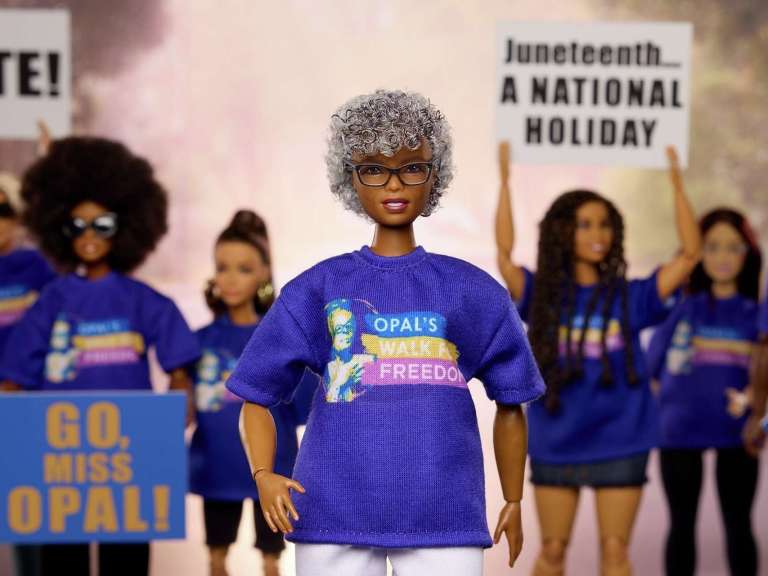
Opal Lee Barbie Inspiring Women Honor Celebrates the “Grandmother of Juneteenth”

Ratio3x2 1920

The Opal Lee Barbie Inspiring Women honor is one of those moments where pop culture and history genuinely intersect. Dr. Opal Lee, widely known as the “Grandmother of Juneteenth,” has been named the newest honoree in Mattel’s Barbie Inspiring Women collection, a recognition that reflects decades of activism rooted in education, community, and perseverance.

While the honor arrives in the form of a doll, the legacy behind it represents something far more enduring: a movement walked into existence by a woman who refused to let history be forgotten.

An HBCU foundation that shaped a lifelong commitment to service

Before her advocacy reached the national stage, Opal Lee’s worldview was shaped at Wiley College, a historically Black institution in Marshall, Texas with a long-standing legacy of producing educators, organizers, and civil rights leaders. Lee earned her undergraduate degree in education there, grounding her life’s work in teaching and civic responsibility.

That HBCU foundation informed not only what she fought for, but how she fought—through education, public engagement, and consistency.

Wiley College’s mission aligns closely with Lee’s approach to change: prepare individuals to serve communities, not just themselves. Her journey reflects a broader HBCU tradition of producing leaders whose influence extends far beyond campus, often shaping policy, culture, and national consciousness.

Walking Juneteenth into federal recognition

The Opal Lee Barbie Inspiring Women honor draws attention to the moment that brought her advocacy into the national spotlight. At 89 years old, Lee began a public walk from Fort Worth, Texas, to Washington, D.C., urging lawmakers to formally recognize Juneteenth as a federal holiday. The walk carried deep personal meaning. In 1939, on Juneteenth, Lee’s family home was destroyed by a white mob—an experience that stayed with her and later fueled her lifelong commitment to justice and historical truth.

Five years after she began walking, Juneteenth was officially signed into law as a federal holiday in 2021. The milestone reinforced a powerful lesson: meaningful change often comes not from visibility alone, but from persistence. Lee continues to build on that legacy through her annual Walk for Freedom events, ensuring Juneteenth remains both recognized and understood.

Why the Opal Lee Barbie Inspiring Women honor matters

Mattel’s decision to honor Lee places her among women whose real-world impact reshaped history. The Opal Lee Barbie Inspiring Women figure is intentionally designed in sneakers and a “Walk for Freedom” shirt, centering action rather than symbolism. According to Mattel’s official announcement, the Inspiring Women series exists to spotlight individuals whose courage and leadership created tangible progress.

National coverage has emphasized how Lee’s story resonates across generations, with ABC News reporting that the honor is meant to introduce younger audiences to the real history behind Juneteenth and the people who fought to preserve it.

An HBCU-rooted legacy that continues to move the culture

The Opal Lee Barbie Inspiring Women honor ultimately reinforces a truth long understood within the HBCU community: institutions like Wiley College have consistently produced leaders whose influence helps move the nation forward. Lee’s journey—from HBCU classrooms to the signing of federal law—demonstrates how education, lived experience, and moral clarity can converge to create lasting change.

As Juneteenth continues to evolve in the public consciousness, Opal Lee’s story stands as a reminder that progress is rarely accidental. It is walked into existence, step by step, by people willing to carry history with them until the country finally listens.

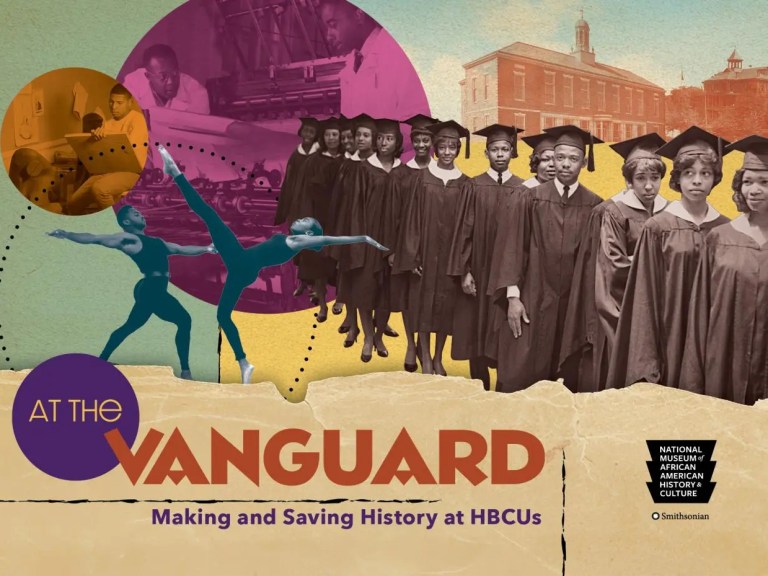
Smithsonian Opens New Exhibition Featuring HBCU Archives

NMAAHC EXHIBIT

The Smithsonian has opened a new exhibition that brings long-protected HBCU archives into the national spotlight. Titled At the Vanguard: Making and Saving History at HBCUs, the Smithsonian HBCU exhibition draws from historical collections held at five historically Black colleges and universities, many of which have preserved Black history for generations without national attention.

According to reporting from the Journal of Blacks in Higher Education, the exhibition centers on how HBCUs have functioned not just as schools, but as cultural vaults—saving materials others did not value at the time.

Smithsonian HBCU exhibition centers five campuses as keepers of history

The Smithsonian HBCU exhibition features collections from Clark Atlanta University, Florida A&M University, Jackson State University, Texas Southern University, and Tuskegee University. The materials on display are not symbolic stand-ins. They include original photographs, handwritten documents, research materials, artwork, and records tied to student movements, faculty scholarship, and everyday campus life.

Much of this material survived because HBCU librarians, archivists, and faculty made deliberate choices to keep it—often with limited funding and little institutional support—long before museums showed interest.

Rather than framing HBCUs as contributors to history, the exhibition makes a stronger point: these institutions have been actively preserving history all along.

Why the Smithsonian HBCU exhibition matters now

For decades, major cultural institutions overlooked Black archives unless they were tied to well-known individuals or moments. HBCUs filled that gap quietly, storing records of Black academic thought, organizing, creativity, and resistance that might otherwise have disappeared. The Smithsonian HBCU exhibition acknowledges that reality by crediting HBCUs as origin points, not secondary sources, of African American historical preservation.

Details released by the Smithsonian Institution confirm the exhibition will remain in Washington, D.C., through mid-2026 before traveling to multiple cities through 2029.

A rare moment of institutional recognition for HBCUs

For the HBCU community, the Smithsonian HBCU exhibition represents something deeper than visibility. It is recognition of work that has already been done—often without applause. These archives were not created for display cases; they were saved because someone on campus believed the history mattered. That belief is now being validated on one of the largest cultural stages in the country.

As the exhibition prepares to travel, it will introduce new audiences to a simple truth HBCUs have long understood: Black history did not need permission to be preserved.

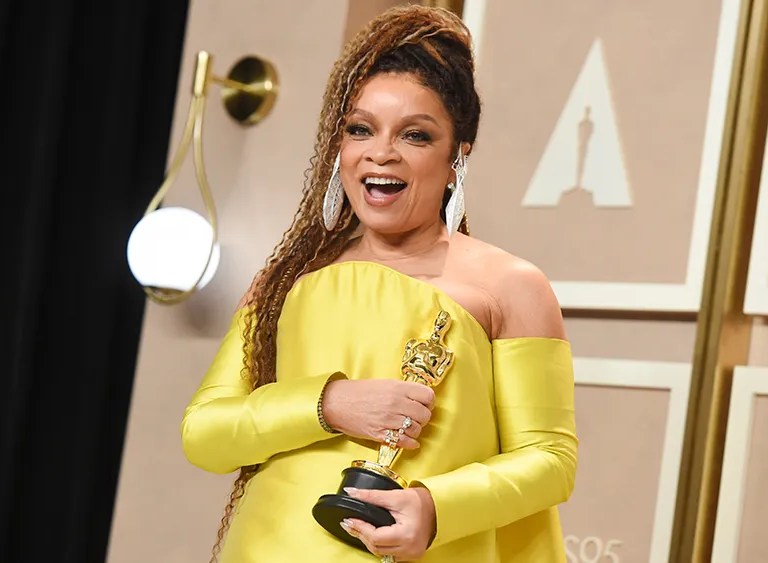
Hampton Alumna Ruth E. Carter Becomes Most-Nominated Black Woman at Oscars

Ruth Carter Black Panther Wakanda Forever Oscar Win Costumes 3

Ruth E. Carter has quietly made history again. The Hampton University alumna and legendary costume designer is now the most-nominated Black woman in Academy Awards history, earning her fifth Oscar nomination for her work on Sinners. The milestone was first reported by ClutchPoints, marking another defining moment in a career that has shaped how Black stories are visually told on screen.

Carter’s latest nomination comes during a major awards season for Sinners, which received widespread recognition across multiple categories. Beyond making history, her work is a continuation of decades of work rooted in research, culture, and storytelling through costume, reflecting the months she’s spent studying historical detail to ensure each design carries narrative weight.

A Hampton foundation behind a Hollywood legacy

Before Hollywood, Carter honed her craft at Hampton University, where she studied theatre arts. That foundation became the launchpad for a career that would later include formative collaborations with Spike Lee and some of the most visually influential films of the last 40 years.

From School Daze and Do the Right Thing to Malcolm X, Carter helped define eras of Black cinema long before awards followed. Her work has always been intentional—using fabric, color, and historical detail to tell stories that dialogue alone cannot.

Ruth E Carter

More than nominations, a lasting impact

Carter previously made history as the first Black person to win an Academy Award for Best Costume Design for Black Panther, and later became the first Black woman to win twice in the category. Her fifth nomination places her alone at the top among Black women at the Oscars, a fact confirmed in broader awards coverage from the Associated Press.

What sets Carter apart isn’t just the recognition, it’s the consistency. Across genres and decades, her work has centered authenticity, especially when telling stories connected to Black history, identity, and imagination.

What this moment means for HBCUs and creative spaces

For the HBCU community, Carter’s achievement is another reminder that excellence doesn’t always start in traditional pipelines. Her journey reflects how HBCUs continue to produce artists whose influence reshapes global culture, even when their paths aren’t immediately visible.

Ruth E. Carter’s latest nomination doesn’t just add to her résumé. It reinforces a truth HBCU alumni already know: the work speaks, even when it doesn’t ask to be seen.

Former HBCU and NFL Player Kevin Johnson Found Dead as Investigation Continues

Kevin Johnson

Authorities in Los Angeles are investigating the death of former HBCU and NFL player Kevin Johnson, whose body was discovered earlier this week at a homeless encampment in the Willowbrook area. The Los Angeles County Medical Examiner has ruled Johnson’s death a homicide, citing blunt force trauma and stab wounds, according to reporting from the Associated Press.

Johnson was 55.

The circumstances surrounding his death have sent shockwaves through both the football world and the HBCU community, where Johnson is remembered as a standout defensive lineman who made it to the highest level of the sport after coming through an HBCU pipeline.

From HBCU standout to the NFL

Before reaching the NFL, Johnson played college football at Texas Southern University, where he developed into a dominant presence on the defensive line. His performance at the HBCU level ultimately earned him a shot in the league, where he went on to play multiple seasons in the NFL during the 1990s, including time with the Philadelphia Eagles and the Oakland Raiders.

Johnson’s path reflected a familiar reality for many HBCU athletes of his era—elite talent, limited exposure, and a narrow margin for long-term security once the playing days end.

Details of the investigation

According to law enforcement officials, Johnson was found unresponsive at the encampment in the early morning hours. The case remains under active investigation, and no arrests have been announced. Additional reporting from HBCU Game Day confirmed that authorities are continuing to seek information related to the circumstances surrounding his death.

Friends and former teammates who spoke to reporters described Johnson as charismatic and well-liked, but also noted that he faced ongoing challenges later in life, including health issues that may have contributed to his housing instability.

A painful reminder for the HBCU and football communities

Johnson’s death has reopened difficult conversations about life after football—particularly for players who came through HBCUs during a time when post-career support systems were far less developed. While the NFL has made strides in recent years around player wellness, stories like Johnson’s highlight the gaps that still exist once athletes leave the game.

For the HBCU community, the loss cuts deeper. Johnson represents a generation of players who helped elevate their institutions on the field, often without the safety nets afforded to athletes from larger programs.

As the investigation continues, many are remembering Kevin Johnson not just for his time in the NFL, but for the pride he brought to his HBCU and the legacy he leaves behind.

Coco Gauff’s HBCU Tennis Donation Puts Real Support Behind A Quiet Part Of College Sports

Coco Gauff

Coco Gauff isn’t just making a donation—she’s putting money into a part of college athletics that rarely gets attention. This week, the tennis star pledged $150,000 to support HBCU tennis programs through the United Negro College Fund. It follows a $100,000 contribution she made last year, bringing her total investment connected to HBCUs to $250,000.

Tennis doesn’t usually come up when people talk about HBCU sports. There aren’t packed stadiums or national TV deals. Most programs operate with small budgets, limited travel resources, and little margin for growth. That’s what makes Gauff’s decision to focus on tennis—not just HBCUs in general—stand out.

Her connection to HBCUs is personal, not performative

Gauff has been open about why HBCUs matter to her. In an interview with Tennis.com, she said that if tennis hadn’t taken over her life, she would have seriously considered attending an HBCU. Both of her grandmothers went to HBCUs, as did other close family members, and she grew up attending HBCU Classic games and events.

That background gives her donation a different weight. This isn’t a one-off gesture or a brand-aligned moment. It’s someone reinvesting in the kind of institutions that shaped her family long before she ever picked up a racket.

What the money actually does for HBCU tennis players

The funding is directed toward scholarships for HBCU tennis student-athletes. For players in these programs, that support matters in very practical ways. It can mean fewer out-of-pocket costs, less pressure to juggle extra jobs, and more freedom to focus on academics and competition.

At many HBCUs, tennis teams fight just to stay afloat. A scholarship can be the difference between a student staying enrolled or walking away from the sport altogether. Over time, consistent support like this helps programs recruit, retain, and compete—quietly, but meaningfully.

Legacy doesn’t always look loud

Coco Gauff is still early in her career, but this kind of giving shows how she’s thinking about impact beyond wins and rankings. Supporting HBCU tennis isn’t flashy, and it won’t dominate highlight shows. But it’s real. It reaches students who often go unseen, in a sport that rarely gets resources in Black college athletics.

For the HBCU community, stories like this matter because they remind us that progress doesn’t always come with cameras. Sometimes it comes as a scholarship, a plane ticket, or a reason for a young athlete to stay in the game.

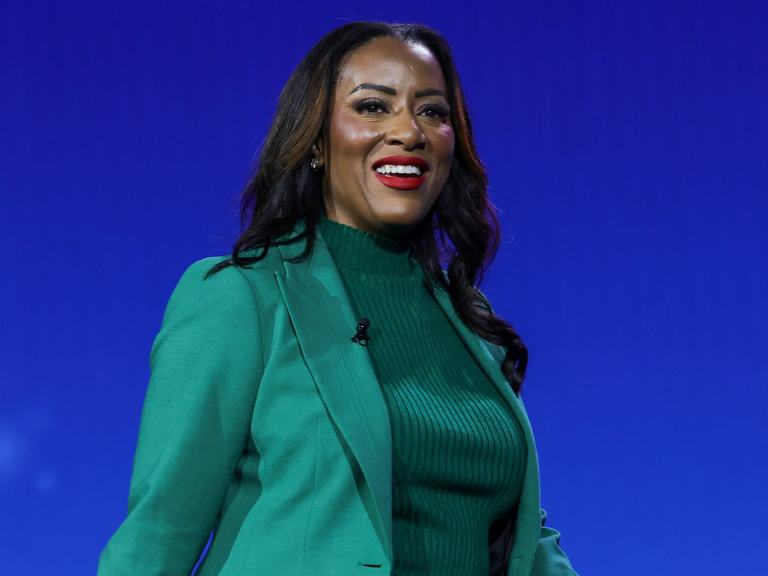
From Spelman to Sam’s Club: The Long Game Behind Latriece Watkins’ Rise to CEO

Bb11bc6bd5c751c2fe74d6ea123f8565

When Latriece Watkins was named President and CEO of Sam’s Club, the announcement moved quickly across the business world. A Spelman College alum taking the helm of one of the most powerful membership-based retailers in the country is notable, but the real significance of this moment lies in what came before it.

Watkins’ rise is not the result of a sudden promotion or an external hire—it is the outcome of nearly three decades spent mastering the inner workings of Walmart, one of the most complex corporate ecosystems in the world.

Watkins began her career at Walmart in 1997 as a real estate intern, steadily moving through leadership roles that spanned merchandising, human resources, and operations. That depth matters.

Sam’s Club serves tens of millions of members and operates at a scale that places it in direct competition with Costco. Leading a business of this size requires more than visibility—it requires institutional fluency, operational discipline, and long-earned trust.

Why Sam’s Club Trusted a Spelman Alum With a Multi-Billion-Dollar Brand

Too often, executive appointments involving Black leaders are framed primarily through the lens of representation. In Watkins’ case, the more accurate lens is trust. Before stepping into the CEO role, she served as Executive Vice President and Chief Merchandising Officer for Walmart U.S., overseeing product strategy and customer experience across thousands of stores nationwide. That role placed her at the center of decisions that directly shaped Walmart’s competitive posture and positioned her as a natural successor to lead Sam’s Club at a pivotal moment.

As Fast Company has noted, Sam’s Club is increasingly focused on private-label growth, digital integration, and attracting higher-income members—strategic priorities that align closely with Watkins’ background in merchandising and operations. Her appointment signals that Walmart is prioritizing leaders who understand both the consumer-facing and backend realities of retail at scale. This is not a symbolic role; it is a mandate to steward a business that generates more than $90 billion annually in an industry where margins are thin and execution is unforgiving.

Walmart Announces Leadership Changes 900xx5360 3024 19 0

What Latriece Watkins’ Appointment Signals About HBCUs and Corporate Power

Watkins’ ascent also reflects a broader shift in how HBCU graduates are positioned within corporate America. As companies place greater value on leaders who can navigate complexity and sustain performance over time, executives trained in HBCU environments are increasingly trusted with real authority. Institutions like Spelman have long emphasized critical thinking, resilience, and leadership under pressure—skills that translate directly to enterprise decision-making.

Rather than being framed solely as pipelines for entry-level talent, HBCUs are proving to be pipelines for long-term leadership. Watkins’ journey reinforces that narrative. Her success is not rooted in being a first or an exception, but in being prepared. That distinction matters for students and alumni watching closely, because it reframes corporate advancement as something built through proximity to power, not distance from it.

A Blueprint, Not a Moment

Latriece Watkins becoming CEO of Sam’s Club is not a viral moment—it is a power shift built on patience, mastery, and trust. From her education at Spelman to her decades-long career inside Walmart, Watkins’ path illustrates what the long game of leadership looks like when opportunity meets preparation. For the HBCU community, this moment serves less as a celebration and more as confirmation: when leaders are developed with intention and depth, the ceiling doesn’t just crack—it quietly moves.