Alabama State’s Mighty Marching Hornets Reflect on Iconic Moment with Ozzy Osbourne

The world is remembering the life and legacy of Ozzy Osbourne after news broke of his passing on July 22, 2025, at age 76. While many recall him as the Prince of Darkness, legendary frontman of Black Sabbath, and a pioneer in heavy metal, the Hornets at Alabama State University remember him a little differently.

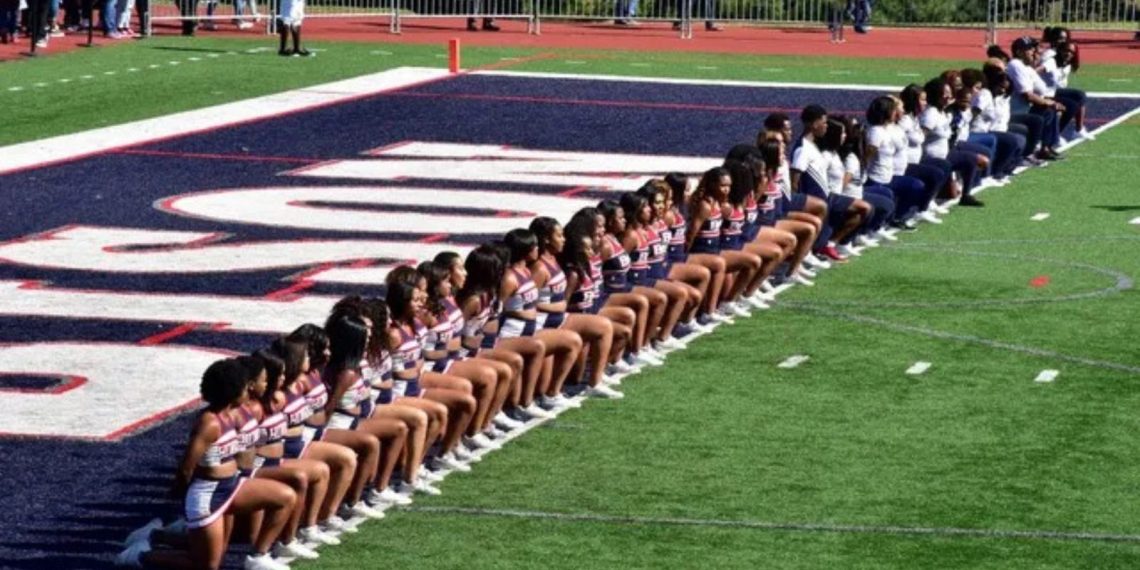
In 2018, the Mighty Marching Hornets delivered one of their most unique performances ever—right in front of Ozzy himself.

As part of an episode of Ozzy & Jack’s World Detour, which aired on A&E, Ozzy and his son Jack made a stop at Alabama State University. The visit turned into a cultural crossover moment: HBCU marching band excellence met heavy metal royalty. The Hornets performed a bold, brassy tribute to Black Sabbath’s greatest hits, transforming the sound of “War Pigs” and other classics into a powerful, Southern-style celebration.

It wasn’t just entertainment. It was a meeting of musical worlds that showed the range, precision, and cultural weight that HBCU marching bands bring every time they step onto the field or the stage.

With Osbourne’s passing, ASU’s band community has been reflecting on that moment—one that continues to resonate years later. Videos of the performance resurfaced online this week, with fans on social media praising the Hornets for their versatility and showmanship.

“This wasn’t just for show,” one Reddit user wrote. “It was Black excellence and rock history in the same room.”

The clip, now archived and shared across platforms, captures a visibly impressed Ozzy Osbourne, standing in awe as the band brought his music to life in a way he had likely never seen before. The horns, the drums, the energy—it was the HBCU touch applied to a genre that many wouldn’t expect to see it fused with.

For students in the band at the time, it was more than a performance. It was a once-in-a-lifetime opportunity to represent their university, their culture, and the timeless impact of HBCU music on the global stage.

Osbourne’s legacy in the world of music is untouchable. But thanks to the Hornets, there’s now a unique chapter in that story that includes a stop in Montgomery, Alabama—proof that HBCUs continue to shape the culture, no matter the genre.

As fans and artists around the world honor Ozzy Osbourne’s life and impact, the Mighty Marching Hornets stand as a living tribute to how far his music reached—and how HBCU pride made the moment unforgettable.

FAMU Rises to No. 1 in Forbes’ Ranking of HBCU Online Programs

GettyImages 929095996

TALLAHASSEE, Fla. – July 21, 2025 – Florida Agricultural and Mechanical University (FAMU) has claimed the top spot in Forbes Advisor’s newly released ranking of online programs at Historically Black Colleges and Universities. Recognized for its combination of affordability, student outcomes, and academic quality, FAMU ranks No. 1 among HBCUs offering fully online bachelor’s degrees.

Why FAMU Leads the Pack

Affordability: With an average in-state undergraduate tuition of just $5,785 per year, FAMU offers one of the most budget-friendly online education options among HBCUs. That low cost delivers tremendous value compared to peers—Delaware State University, the No. 2 school, charges around $10,000 annually.

Student Success: FAMU’s online retention rate is an impressive 86%, the highest in the ranking, and it also boasts the lowest student loan default rate. Its 57% graduation rate, leading among the ranked HBCUs, reflects strong academic structures and student support.

Academic Rigor & Infrastructure: Forbes praised FAMU for providing valid academic credibility, robust digital learning infrastructure, and varied online offerings. Data showed the university delivers at least five fully online bachelor’s degrees across fields like information technology, sociology, criminal justice, and psychology . The online degrees combine asynchronous learning, synchronous sessions, and in some cases, fieldwork—enhanced further by a partnership with Ed2Go to offer career-training modules.

Institutional Strengths Highlighted

FAMU’s provost, Dr. Allyson L. Watson, and Dean of FAMU Online, Dr. Kelley Bolden Bailey, emphasized the university’s strategic focus on high-touch digital learning tailored to diverse learners—working professionals, non-traditional students, and traditional undergraduates  FAMU’s approach incorporates targeted student advisement, flexibility, and consistency in program delivery.

A testimony from recent graduate Thomas Elliot Cannon, who returned to complete his architecture degree fully online, underlined FAMU Online’s seamless and supportive structure.

“I found the FAMU Online program to be robust, easy to navigate … perfect solution for finishing my degree after relocating …” 

Forbes Methodology

Forbes Advisor’s rankings were based on several weighted criteria including:

  • Online program breadth (minimum of five fully online bachelor’s degrees)
  • Accreditation status and academic quality
  • Affordability (tuition, fees, loan default rates)
  • Student outcomes (retention, graduation, alumni earnings)
  • Online infrastructure and learner support services

FAMU excelled across nearly every metric—offering cost-effective, accredited, and outcome-driven online education.

FAMU’s Broader Legacy

Founded in 1887, FAMU stands as a major public HBCU and land-grant institution. Its main campus in Tallahassee, with additional facilities throughout Florida, serves over 10,000 students. As a member of the Thurgood Marshall College Fund, FAMU underscores its commitment to access, upward mobility, and student success.

The university first earned national attention as Time-Princeton Review’s “College of the Year” in 1997, and frequently ranks among top public HBCUs in U.S. News & World Report. Its online success further cements FAMU’s reputation for academic rigor and community transformation.

Implications for HBCU Online Education

FAMU’s No. 1 ranking highlights a significant trend: HBCUs are investing in scalable, inclusive digital education to meet the evolving demands of learners. Amid historic challenges and recent funding scrutiny—such as the paused $237 million gift—FAMU’s online excellence spotlights resilience and forward momentum.

As more HBCUs develop competitive online platforms, rankings like Forbes’ will shape perceptions of HBCU strength in the digital age.

Alabama State Makes MLB Draft History with Juan Cruz and Kameron Douglas Selections

Alabama State University made history this week as two of its standout baseball players—Juan Cruz and Kameron Douglas—were selected in the 20th round of the 2025 MLB Draft. The pair marks the first Hornet duo to be drafted in the same year since 2015, signaling a continued rise in the program’s visibility and talent development.

Cruz was selected 591st overall by the Washington Nationals, while Douglas was taken just a few picks later, 609th overall by the Detroit Tigers. Their selections come after a dominant season for both players, where they played pivotal roles in Alabama State’s success within the SWAC.

Juan Cruz: Dominant at the Plate

Cruz’s 2025 season was nothing short of stellar. The senior infielder appeared in all 60 games for the Hornets, finishing with a team-best .420 batting average. He totaled 106 hits, 23 doubles, 14 home runs, and 73 RBIs, establishing himself as one of the most productive hitters in Division I baseball.

He was named the SWAC Co-Hitter of the Year, earned First Team All-SWAC honors, and was recognized nationally as a Third Team All-American by the National Collegiate Baseball Writers Association. His offensive production also included a .480 on-base percentage and a .690 slugging percentage, placing him among the nation’s elite in nearly every statistical category.

Cruz led the SWAC in total hits, doubles, and hits per game. He ranked top five in batting average, runs scored, home runs, RBIs, and slugging percentage. His 106 total hits were second most in the nation, and he was top three in hits per game.

D478bc36fdbdd2af14524a824310b78b

Kameron Douglas: Power and Consistency

Douglas, a fellow senior, was also a consistent force at the plate. In 55 games, he posted a .338 batting average, with 16 doubles, 14 home runs, and 56 RBIs. Like Cruz, he was named to the First Team All-SWAC and ranked among conference leaders in home runs, RBIs, and total bases.

His offensive numbers included a .616 slugging percentage, and he was top 10 in the SWAC in sacrifice flies, total hits, and slugging. His strong play helped anchor Alabama State’s offense during a season where the Hornets were among the most competitive teams in the conference.

Draft Milestone for Alabama State

Cruz and Douglas becoming back-to-back selections in the same round marks a major achievement for the Hornets program. The last time ASU saw two players drafted in the same year was a decade ago in 2015, when Jorge Pantoja and Amando Ruiz were selected by the Nationals and Athletics, respectively.

The Hornets’ recent draft success also includes Randy Flores, who was taken in the 8th round of the 2024 MLB Draft—the second-highest draft pick in school history. With three players selected in two years, Alabama State’s reputation as a legitimate MLB pipeline is solidifying.

This moment not only reflects the individual excellence of Cruz and Douglas but also highlights the growing competitiveness of SWAC baseball. Their success on the national stage adds to the momentum for HBCU baseball programs as they continue producing next-level talent.

Edward Waters Shakes Up Football Staff as Head Coach Toriano Morgan Departs, Brian Jenkins Steps In

Db3e44c8 54b6 47eb 889b D9d60ef234f3 1920x1080

Edward Waters University is heading into the 2025 football season with a major coaching change.

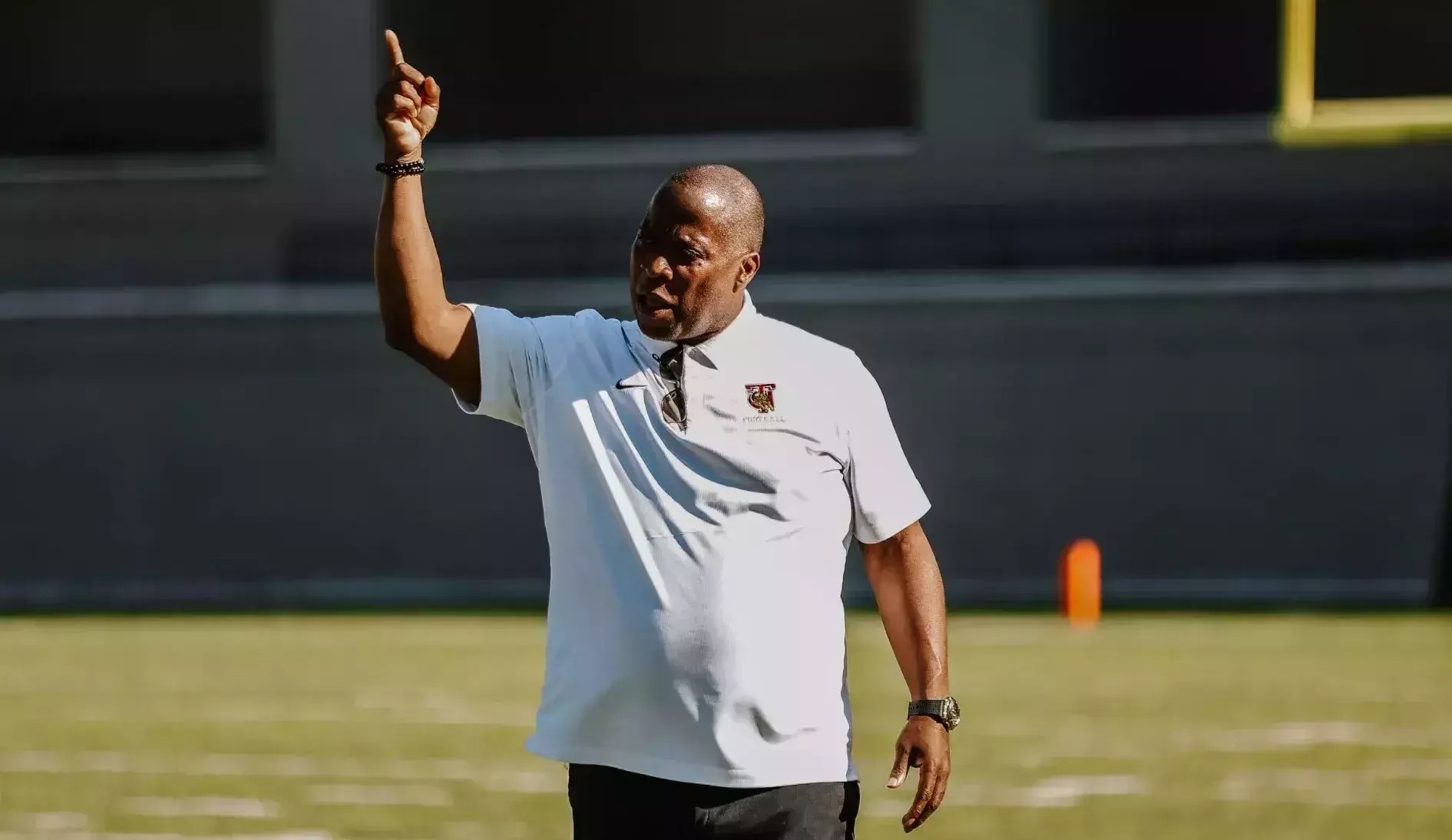
Head coach Toriano Morgan has officially stepped down from his position, accepting a role as an assistant coach at his alma mater, Tennessee State University. The move comes just ahead of the fall campaign and less than a month after Morgan represented the Tigers at SIAC Media Day. Morgan cited personal reasons for the sudden change, though his new opportunity at TSU—where he starred as a wide receiver—marks a full-circle moment in his coaching career.

Morgan was hired in 2021 to lead Edward Waters during its transition from the NAIA to NCAA Division II. Over four seasons, he compiled an 18–24 record, helping shift the program’s culture and competitiveness. In 2023, he led EWU to a 6–4 season—the school’s first winning football record in over 20 years. That same year, the team earned its highest-ever HBCU national ranking, climbing to No. 8.

Morgan’s departure leaves a significant void, but the Tigers aren’t wasting time. EWU has named veteran coach Brian Jenkins Sr. as interim head coach for the 2025 season. Jenkins, who had been serving as the team’s offensive coordinator since 2021, brings a championship pedigree to the role. He’s best known for his successful tenure at Bethune-Cookman University, where he racked up four MEAC championships and a 46–14 record from 2010 to 2014. His 2012 squad finished a perfect 8–0 in the MEAC and earned him conference Coach of the Year honors.

Ashley Conner, Vice President and Director of Intercollegiate Athletics at Edward Waters, expressed confidence in Jenkins taking the reins.

“We’re confident in Coach Jenkins’ ability to lead our program with integrity, discipline, and vision,” Conner said. “We are excited about the leadership he brings into this transitional chapter.”

The Tigers are entering a pivotal year. In July 2024, Edward Waters received full NCAA Division II membership. The university has invested heavily in its athletic facilities, including the construction of a new on-campus stadium and the enhancement of training resources for student-athletes. The move to D-II also means a more competitive slate of opponents and increased visibility for the program.

Jenkins will inherit a team filled with potential. Five players were recently named to the 2025 SIAC Preseason All-Conference Team, signaling that talent is in place. Edward Waters opens its season on August 30 with a road matchup against Savannah State, followed by key home games versus Miles College and Virginia Union.

While Morgan’s exit may have come unexpectedly, the Tigers are hoping Jenkins’ experience will keep momentum rolling. With D-II status secured and the 2025 schedule fast approaching, all eyes will be on how Edward Waters adjusts under new leadership.

AfroFuture Detroit: Where Black Culture, Music and Community Unite 

From the influential sounds of Motown to the rise of techno, Black artistry and expression have shaped Detroit into a cultural landmark, leaving lasting marks both nationally and internationally. This August, Detroit is building upon this legacy with the U.S. debut of AfroFuture, a globally celebrated experience that honors the African diaspora. 

More than a music festival, AfroFuture Detroit is a celebration of community and culture. Presented by Bedrock—the award-winning real estate developer focused on city-building and placemaking—this enriching movement of art and culture will take place at Bedrock’s Douglass Site in Detroit, Aug. 16–17, 2025. 

Detroit Sets the Stage

Poised for the global spotlight, Detroit invites everyone to experience AfroFuture. Born in Accra, Ghana, the multi-day festival gained stateside momentum through immersive events and a clear mission: to create meaningful experiences that inspire connection and drive change through music, art, food and fashion to storytelling.

“We can’t wait to bring AfroFuture to Detroit for our U.S. debut,” AfroFuture CEO and Co-founder Abdul Karim Abdullah said. “Detroit is a city with a deep-rooted legacy of Black creativity—from the revolutionary sounds of Motown to its role in shaping global music and culture. By connecting African excellence with Detroit’s historic Black excellence heritage, we’re bridging the diaspora across borders and oceans through the universal language of music. This is more than just a typical festival—it’s a moment of unity and a celebration of the power of the global Black Diaspora.”

Countdown to Culture

The AfroFuture Detroit experience officially begins on Monday, Aug. 11, with “The Road to Detroit,” a weeklong series of citywide events designed for community, connection and the amplification of Black-owned businesses ahead of the festival. The schedule includes a bar crawl across iconic Detroit spots, a Taste of Detroit restaurant week highlighting Black culinary brilliance and Afrocentric Movie Nights showcasing films from across the diaspora.

AfroFuture is rooted in impact, not just entertainment. On Aug. 13, AfroFuture Detroit will host Diaspora Connect: Innovation for Global Black Futures, a high-energy pitch competition focused on Black innovators advancing solutions for cultural preservation, economic empowerment and creative industries across the diaspora. In partnership with Black Tech Saturdays and Venture 313, finalists will compete for $10,000 in equity-free funding, mentorship and exposure.

On Aug. 14, art and activism meet on the mic with poetry me, please, a powerful spoken word and musical event that will honor stories from across the diaspora. The following evening, attendees can belt out lyrics and identify samples during Samples n’ Friends x AfroFuture, an experience celebrating the influence and history of Black music, from Afrobeats to Detroit’s musical landscape.

No celebration is complete without official pre- and after-parties. Events will take place throughout the city with surprise guests, top DJs and curated vibes.

“AfroFuture is an experience built for the community and Detroit, a city built on its own musical heritage, is ready for its U.S. debut,” Bedrock CEO Kofi Bonner said. “From Motown to modern-day innovators, Detroit has long been a beacon of Black excellence and cultural influence. By hosting AfroFuture at our Douglass Site, we’re honoring that legacy while creating space for the next generation of artists, changemakers, and storytellers to shine. This isn’t just a festival—it’s a continuation of Detroit’s role in shaping the global Black narrative.”

Festival Weekend: Aug. 16–17

Festivalgoers can expect two immersive days of live music, performance art, creative installations and everything in between. Attendees won’t want to miss performances across two stages, pop-ups, cultural exhibitions, brand activations and some of Detroit’s Black-owned food and drink vendors.


This year’s main stage lineup includes global headline performances by Asake, Davido, Kaytranada, Ludmilla and GIMS—a powerful mix of Afrobeats, electronic, funk, hip-hop and international sounds that reflect the full rhythm of the diaspora.

Two-day general admission ticket bundles are available now, with special discounts for early buyers. Travel accommodations, including hotel blocks and discounted airline flights, are also available.

A Space for HBCU Voices

AfroFuture’s arrival in the U.S. isn’t just about expansion; it’s about community. For students and alumni of HBCUs, this festival is a place to be seen, celebrated and inspired. Whether you’re building a business, performing your craft or simply reconnecting with the culture, AfroFuture Detroit is the place to be.

From the Diaspora Connect pitch stage to curated artist installations, AfroFuture Detroit opens doors for the Black community to shine. It’s especially meaningful for HBCUs, where culture isn’t just studied—it’s lived, built and passed forward.

More Than a Moment

AfroFuture Detroit is powered by a wide range of partners that share its vision. What sets this movement apart is its commitment to long-term impact. Beyond the festival, The AfroFuture Foundation is a non-profit organization dedicated to providing opportunities to underserved residents of the festival’s host cities to ensure its presence is felt all year long.

This isn’t a one-time event—it’s a movement and one step toward a more connected, creative and empowered Black future.

How to Get Involved

Whether you’re heading to the festival or enjoying some of the events, there’s a way for everyone to join the AfroFuture movement in Detroit.
Tickets, event updates and hotel information are available at detroit.afrofuture.com. Be sure to follow @AfroFuture and @BedrockDetroit on Instagram for exclusive announcements, updates and behind-the-scenes content.

Culture, Competition, and the Click of a Mouse: Redefining Success in Online Spaces

Success used to mean things like getting a good job, making money, or earning awards. But today, the internet has changed how people think about being successful. Now, it can mean getting lots of likes on a post, having a popular YouTube channel, or making people laugh with a TikTok. In online spaces, one click can change everything. A person can become famous overnight or disappear just as fast. With so many people online trying to be noticed, success has become more about being interesting, fast, and always connected.

The Internet Makes Culture Move Faster

Culture means the things people care about, like fashion, music, slang, or ideas. Before the internet, culture changed slowly. Now, things spread at lightning speed. A funny meme on Instagram or a short dance on TikTok can reach millions in just a day. Because of this, people are always trying to keep up with what’s popular. If you don’t, you risk being left behind. This fast-moving culture gives everyone a chance to be seen, but it also means you have to keep posting, creating, and learning new trends all the time.

Apps Turn Life Into a Game

Have you noticed how many apps give you points, badges, or streaks? That’s called “gamification,” and it’s a trick apps use to keep you coming back. Social media and even learning apps reward you when you do certain things, like sharing, commenting, or logging in daily. It feels good, like winning a mini game. But sometimes, this turns into pressure. People start comparing themselves: Who has the most followers? Who got the most likes? Even though it’s online, it can feel like a real-life competition, and that can get tiring after a while.

Playing, Earning, and Finding Success Online

For many people, success online doesn’t just come from posting videos or photos. It also comes from turning hobbies into income. Some stream themselves playing video games, others sell digital art or run small online shops. There are also people who earn money through online gaming and entertainment. Platforms where you can play and win, like trivia apps, esports competitions, or online casinos, are growing fast. But when money is involved, trust is key. That’s why it’s important to use safe and reliable sites, such as JackpotCity Casino, which offers secure, fun games with clear rules and trusted systems.

Online Fame Comes Fast, and So Can Hate

One cool (and scary) thing about the internet is how fast someone can get noticed. You might post something small, and suddenly, the whole internet is watching. But there’s a flip side: people can also be mean or hurtful, especially when they can hide behind fake names. Some people build a reputation and become trusted voices online, even without a fancy degree. Others might say or do one wrong thing and get attacked. Online, your reputation matters a lot, and every click, comment, or post adds to it, for better or worse.

Success Online Means Something New

There’s no one way to “win” online. Some people go viral with a funny video. Others build a small but loyal group of fans. Success might mean getting a big following or just feeling proud of what you made. But there’s one thing that’s always true: online spaces move fast, and people are always competing for attention. That can be exciting, but also stressful. The good news? There’s room for everyone to try, create, and connect. In the end, success online isn’t just about clicks. It’s about doing something that matters to you.

Top HBCU Hosts 2025


Every HBCU event has that one person who turns the mic into magic. The one whose voice commands the room, whose energy lifts the crowd, and whose presence is felt long after the music stops. Whether it’s a packed gym during homecoming, a buzzing step show, or a fashion show finale, HBCU hosts are the heartbeat of the culture—and this year, we’re giving them their flowers.

After weeks of voting, thousands of submissions, and even a few friendly campus rivalries, the results are in. HBCU Buzz is proud to present the Top HBCU Hosts of 2025, as voted by you—the students, alumni, and fans who know exactly who brings the heat to the mic. These hosts don’t just announce; they amplify. They bring the crowd in, hype the moment up, and make sure every event feels unforgettable. Hosting at an HBCU isn’t just about having a good voice—it’s about having presence, rhythm, authenticity, and being tapped into the culture in a way that’s real.

Curious what went down last year? In 2024, Vibe.WitV from North Carolina A&T led the pack and took the crown, followed closely by MrDieLittt from Southern and J Reid at Fayetteville State. See all the winners and highlights from that year right here: Top HBCU Hosts 2024 .

This year’s list reflects the growing power of student voices and Black creatives across the HBCU space. Some of these hosts are campus legends, others are rising stars just getting started, but every single one of them embodies the spirit of leadership, charisma, and cultural pride. Whether they’re bringing fire intros at the pep rally or curating vibes at the biggest parties on the Yard, these students are pushing the standard for what it means to host at an HBCU.

We salute each of these mic kings and queens for their dedication to the craft—and to the culture. You didn’t just make noise this year; you made impact. Keep the mics hot, the energy high, and the legacy strong.

Delta Sigma Theta Welcomes Eight Powerhouse Women as 2025 Honorary Members

GetAttachmentThumbnail 1920x1080 1

Delta Sigma Theta Sorority, Inc. just added serious star power to its sisterhood.

During the organization’s 57th National Convention held in Washington, D.C., eight extraordinary women were inducted as honorary members on July 9, 2025. These trailblazers represent a wide spectrum of Black excellence—spanning entertainment, business, sports, tech, and civic leadership—and align with the sorority’s historic Five-Point Programmatic Thrust.

The 2025 inductees include:

  • Queen Latifah (Dana Owens) – The Grammy, Emmy, and Golden Globe-winning icon is not only a hip-hop legend and accomplished actress, but also a community advocate who’s invested in affordable housing, health equity, and arts access. From the stage to the streets, her legacy of empowerment mirrors Delta’s commitment to public service.
  • Donna Brazile – A seasoned political strategist, Brazile made history as the first Black woman to run a major U.S. presidential campaign (Al Gore, 2000). She’s served as interim DNC Chair and is a respected voice in American politics, with teaching posts at both Howard and Georgetown University.
  • Danielle Brooks – Best known for her role in Orange Is the New Black and her Oscar-nominated performance in The Color Purple, Brooks is a Juilliard-trained actress who uses her platform to uplift Black women in theater through her nonprofit, Black Women on Broadway.
  • Fawn Weaver – As founder and CEO of Uncle Nearest Premium Whiskey, Weaver built one of the fastest-growing Black-owned spirit brands in the country. Her company has committed millions toward supporting underrepresented entrepreneurs, embodying Delta’s dedication to economic development.
  • Janice Bryant Howroyd – The founder of ActOne Group became the first Black woman to own and operate a billion-dollar staffing firm. She’s a noted philanthropist and serves on the Women’s Leadership Board at Harvard University.
  • Jackie Joyner-Kersee – Hailed as one of the greatest athletes of all time, the six-time Olympic medalist has dedicated her post-track life to youth development, education, and healthy living through the Jackie Joyner-Kersee Foundation.
  • Swin Cash – A WNBA legend and Olympic gold medalist, Cash has also made waves in sports leadership as a New Orleans Pelicans executive. Off the court, she’s focused on mentorship and wellness for women through her initiatives She’s Got Time and Cash for Kids.
  • Toni Townes-Whitley – The new CEO of SAIC, a $7.4 billion tech firm, Townes-Whitley was previously one of Microsoft’s highest-ranking Black executives. She’s been recognized for championing public-sector innovation, ethics in AI, and inclusive tech leadership.

Each of these women embodies Delta’s values of scholarship, sisterhood, and service. Their accomplishments serve as inspiration for young Black women everywhere, especially across HBCU campuses where Delta Sigma Theta continues to thrive.

This powerful slate of inductees reflects Delta’s unwavering commitment to honoring women who impact the world through leadership, service, and vision. It also reaffirms the sorority’s role as a cultural and civic pillar within Black communities for over 110 years.

DeSean Jackson’s Delaware State Jersey Now Available Ahead of HBCU Battle of the Legends

Desean Jackson

Delaware State University is offering fans a new way to support their team—and its new head coach—by releasing limited edition football jerseys with the number 10, famously worn by DeSean Jackson during his NFL career.

The jerseys are part of the build-up to the highly anticipated “HBCU Battle of the Legends,” set to take place on October 30 at Lincoln Financial Field in Philadelphia. The event will feature a historic coaching matchup between Jackson, now head coach at Delaware State, and fellow NFL great Michael Vick, who is entering his first season as head coach at Norfolk State.

The jerseys are styled in DSU’s official colors and include Jackson’s signature number 10, which he wore during his years with the Philadelphia Eagles. Although full pricing details haven’t been made publicly available, they are being distributed through Delaware State’s athletic department and select licensed vendors.

According to HBCU Sports, the jerseys are already generating excitement among Hornets fans and alumni. The university has not confirmed how many jerseys will be made available, but demand is expected to be high given Jackson’s popularity and the visibility of the upcoming game.

Djax Jerseys

The October matchup is more than a football game—it’s a cultural moment for HBCU athletics. For the first time, two former NFL All-Pros will face each other as head coaches of HBCU programs. The game will take place at the home of the Philadelphia Eagles, a franchise both Jackson and Vick once led as teammates. That shared history is adding to the storyline as the date approaches.

Delaware State Athletic Director Alecia Shields-Gadson has said that the jersey release and the Legends game are part of a broader effort to elevate the university’s brand and increase engagement among students, alumni, and supporters. The university has also launched several digital campaigns tied to Jackson’s hiring, including behind-the-scenes content and footage from off-season workouts.

The jersey rollout also ties into Jackson’s larger role off the field. Since taking the head coaching job, he’s emphasized the importance of connecting with the community and raising the profile of HBCUs through media exposure and athlete development.

Delaware State, a member of the MEAC, is coming off a challenging season and is hoping Jackson’s presence will help usher in a new era. While it’s too early to know what kind of impact he’ll have on the field, the buzz surrounding the program is already on the rise.

The “HBCU Battle of the Legends” will mark Delaware State’s season opener and is expected to draw thousands of fans, media attention, and increased visibility for both institutions.

Michael Vick Shows Off His Arm at Norfolk State Football Practice

Michael Vick

NFL legend and new Norfolk State head football coach Michael Vick reminded everyone he’s still got it.

In a video posted to Instagram, the 45-year-old former quarterback was seen participating in a lighthearted accuracy contest with Norfolk State Director of Football Operations DeMarcus McMillan. The two were throwing footballs at a target net positioned about 20 yards away. Vick, known throughout his career for having one of the strongest arms in football, delivered two pinpoint strikes into the top corner of the net.

The moment, which took place on Norfolk State’s campus, showcased more than just Vick’s skill—it highlighted the energy he’s bringing into the Spartans football program in his first year as head coach.

The social media post caption read, “Coach Vick still got it,” and quickly went viral across HBCU and sports platforms. McMillan, who served 20 years in the U.S. Army before joining the coaching staff, played along with the spirited competition. The friendly exchange follows a previous video where McMillan lined up against world boxing champion Terence “Bud” Crawford during a campus visit—resulting in a well-documented fall that went viral among NSU students and alumni.

This latest moment with Vick is building even more anticipation for the upcoming season. Since accepting the head coaching role in early 2025, Vick has been an active presence around the program, drawing national attention to Norfolk State and the MEAC.

Vick, a Newport News, Virginia native, rose to stardom at Virginia Tech and went on to become the No. 1 overall pick in the 2001 NFL Draft. Over the course of his career with the Atlanta Falcons and Philadelphia Eagles, he revolutionized the quarterback position with his speed, mobility, and throwing power. Now, he’s looking to apply that same innovation to coaching at the HBCU level.

Norfolk State will open its 2025 football season at home against Towson University on August 28. The game is scheduled to be broadcast live on ESPN, further elevating the spotlight on Vick’s debut as a college head coach.

The Spartans are hoping that Vick’s leadership will help turn the program around after years of underwhelming performance. While the season hasn’t kicked off yet, the buzz around the team continues to grow, especially with moments like this latest display of Vick’s timeless arm talent.

For Norfolk State, the hiring of a figure like Michael Vick signifies more than a coaching change—it represents a shift in culture, national visibility, and momentum for the entire HBCU football landscape.

Choosing Your Next Move—How We Navigate Everyday Decisions

Every day, we’re faced with decisions—some small, like what to eat, and others big, like a career change. Yet, these choices shape our lives in ways we don’t always realise. From trusting our instincts to carefully weighing our options, we constantly balance gut feeling and logic. 

Below, we’ll explore how we make decisions, why some choices seem easy while others require deep thought, and how instinct and reasoning guide us in finding the best path forward. No matter the size, every decision has an impact.

Embracing Uncertainty in Everyday Decisions

Life is full of big and small decisions; not all come with clear answers. Sometimes, decision-making feels like the spin of a roulette wheel, uncertain and left to chance. 

Think about when you tried a random restaurant you hadn’t heard of and recommended it to friends and family. Or when you picked a movie buried deep in your streaming queue, only to discover it was surprisingly good. 

The beauty of embracing uncertainty in these decisions is that it opens the door to new experiences. These decisions often yield unexpected outcomes, whether driven by instinct, luck, or other subtle cues we pick up throughout the day.

Instead of always overthinking every move, allowing some room for spontaneity can bring excitement, creativity, and connection. After all, life’s best moments don’t always come from planning—they come from trusting the process and embracing the unknown.

The Comfort of Routine—When Decisions Are Simple and Predictable

Many of our daily decisions, such as when to wake up, what to wear, or how to plan the day, are guided by habit or routine. 

These predictable choices reduce mental strain, allowing us to conserve cognitive energy for more significant decisions. For instance, establishing a consistent morning routine can set a positive tone for the day, making it easier to tackle tasks ahead.

Having a structured routine provides stability and a sense of control, which can be particularly beneficial in managing stress and anxiety. 

Routines help prevent decision fatigue—a mental strain caused by constant decision-making—by limiting the number of choices we face. This is especially important in our fast-paced lives, where the constant need to make choices can lead to burnout.

Moreover, routines can enhance productivity and well-being by promoting regularity and discipline. For example, setting aside time daily for exercise or relaxation can improve physical health and mental clarity. Incorporating positive habits into our daily routines can lead to lasting improvements in our overall quality of life.

In summary, embracing routine and habit in our daily lives simplifies decision-making and contributes to a more organised, less stressful, and more fulfilling existence.

How to Balance Instinct and Logic in Everyday Decisions

Every day, we make countless decisions, some quick and instinctive, others deliberate and logical. For instance, choosing a gift for a friend often relies on gut feeling, while purchasing a home involves careful analysis. This blend of intuition and reasoning guides our choices.

Intuition, or gut feeling, is our brain’s ability to make decisions without conscious reasoning. It’s quick, often based on past experiences, and valuable in familiar situations. However, it can also be influenced by biases and emotions.

Logic, on the other hand, involves structured thinking, analysing facts, and considering outcomes. It’s essential for complex decisions, like financial planning or career moves, where the stakes are high. Yet, over-reliance on logic can sometimes lead to overthinking and missed opportunities.

The key is finding a balance. In fast-paced scenarios, intuition can provide swift guidance. In contrast, for significant decisions, logical analysis ensures informed choices. 

Knowing when to rely on logic and trust our gut can help us make better decisions. Remember, both instinct and logic have their place. Self-awareness helps us understand when to rely on each, leading to better overall decision-making.

Overcoming Decision Fatigue—Simplifying Our Choices for Better Mental Health

Constant decision-making, from choosing what to wear to planning meals, can lead to decision fatigue—a state of mental exhaustion that impairs our ability to make choices and can negatively impact our mental health.

To manage this fatigue:

  • Simplify Choices: Reduce the number of decisions by streamlining daily tasks. For example, plan meals in advance, create a capsule wardrobe or set a consistent morning routine.
  • Prioritise Decisions: Tackle essential decisions when your mind is freshest, typically in the morning.
  • Limit Options: Too many choices can be overwhelming. Narrow down options to make decision-making more manageable.
  • Take Breaks: Regular breaks help recharge your mind, improving focus and decision-making ability.

Implementing these strategies can reduce decision fatigue, conserve mental energy, and make better choices, improving mental health and well-being.

Navigating Life’s Choices with Balance and Clarity

Every day, we’re faced with both small and significant decisions. These choices meaningfully shape how our lives unfold, whether motivated by reasoning, habit, or instinct. 

By embracing uncertainty, simplifying choices, and balancing instinct with reason, we can make decisions more easily. Life becomes

Florida Budget Delivers $162M in Historic State Funding for HBCUs

Florida’s 2025–2026 budget includes a landmark $162 million in operational funding for the state’s historically Black colleges and universities (HBCUs), along with an additional $20 million for campus security improvements

3ac09bbc 143c 4e72 933d 508c4c860320 Lee Hall TLHBrd 09 16 2016 Democrat 1 ALee Hall 00420160915IMG IMG Lee Hall 6360936 1 1 MFFNQQNN L882934690IMG IMG Lee Hall 6360936 1 1 MFFNQQNN

Florida’s 2025–2026 budget includes a landmark $162 million in operational funding for the state’s historically Black colleges and universities (HBCUs), along with an additional $20 million for campus security improvements. Signed into law on June 30, 2025, the funding package represents the largest-ever direct investment in Florida HBCUs.

The historic allocation was part of Governor Ron DeSantis’s $117 billion budget, which also included over $4.1 billion for the State University System and $637 million to fully fund the Bright Futures Scholarship Program.

Funding Breakdown

  • $162M in recurring operational support for Florida HBCUs
  • $20M in dedicated funds for security and infrastructure
  • Support for both public and private HBCUs, including FAMU and Edward Waters University

The new funding builds on prior state investments, such as last year’s record-setting appropriation to Edward Waters and continuous operational support to Florida A&M University. This year’s commitment signals a deepening recognition of HBCUs’ role in the state’s higher education and workforce ecosystems.

Ewscrippsbrightspotcdn

Political Context and Higher Ed Priorities

Governor DeSantis approved the final budget after exercising nearly $567 million in line-item vetoes, sparing education from significant cuts. This move emphasizes the administration’s stated commitment to maintaining strong educational institutions while reshaping leadership across campuses.

At Florida A&M University, the funding coincides with major administrative changes and new program initiatives. Similar momentum is building at Bethune-Cookman University, Florida Memorial University, and Edward Waters University, all of which stand to benefit from the newly allocated funds.

$20M for Campus Security

Beyond operational support, the budget earmarks $20 million for safety infrastructure upgrades across HBCU campuses. These funds will likely go toward access control systems, emergency response technology, and other protective measures in light of recent national campus safety concerns.

The inclusion of this funding reflects a broader state-level effort to protect students while improving conditions that impact recruitment, retention, and institutional perception.

What This Means for Florida HBCUs

This year’s budget offers HBCUs the chance to stabilize financially while investing in long-term growth. With rising national attention on the value of HBCUs, Florida’s funding signals a shift in how state institutions are supported and sustained.

Institutions are expected to use the resources to:

  • Expand academic programs and faculty hiring
  • Improve student support services
  • Upgrade campus facilities and digital infrastructure

The funding also allows HBCUs to remain competitive in recruiting and retaining Black students in a rapidly shifting higher education landscape.

Tennessee State’s Brian “Penny” Collins Makes Historic Jump From HBCU to NBA Coaching

TSU BBall Couch 1024x574 1

Brian “Penny” Collins, the former head coach of the Tennessee State University. Tigers men’s basketball program, has resigned from his role to accept a coaching position in the NBA, a major milestone for HBCU basketball coaching careers.

A Transformative Run at Tennessee State

Collins led the Tigers for seven seasons, building a winning culture and restoring the program’s competitiveness in the Ohio Valley Conference (OVC). His TSU teams posted multiple 18‑win seasons, including a 17‑13 overall record in 2023‑24, and reached the OVC Tournament semifinals. More broadly, Collins finished his tenure with a 117‑103 record and two regular-season OVC titles

Off the court, Collins was praised for building a family-first environment focused on academic success and personal development. His players excelled in graduation rates, while TSU hosted the first HBCU Pro Day and frequently drew NBA scouts to Nashville.

NBA Role and What It Signals

On June 30, 2025, Tennessee State announced Collins’s departure to join the NBA ranks. Reports indicate he will serve in a player development role—believed to be with the Memphis Grizzlies, under a former teammate, signaling a direct professional staff path from HBCU to the NBA.

This transition marks an important shift: a high-performing HBCU coach accepted at the NBA level. It reflects growing recognition of coaching talent developed within these programs.

Institutional Response & Transition

Upon Collins’s resignation, Assistant Coach Erik Buggs was appointed interim head coach. Buggs previously served at UT Martin and was credited with helping lead the Skyhawks to a 24‑win season and an OVC regular season title in 2022‑23.

Tennessee State’s athletic leadership acknowledged Collins’s impact:

“Coach Collins built a family‑oriented culture and a competitive program that earned respect,” said TSU’s Director of Athletics, noting the university is proud to see him advance to the NBA level

Broader Meaning for HBCU Coaching Pathways

Collins’s departure underscores the evolving recognition of HBCU coaches at the national level. For years, talent pipelines were focused on athletes; now, coaching talent is also being elevated into professional circuits. His progression helps illustrate that success at HBCU schools can now translate into opportunities at the NBA level.

In addition, it highlights how HBCU programs like TSU can serve as development grounds not only for players but also for coaches seen as viable for professional roles.

Legacy and Looking Ahead

Collins leaves TSU with a lasting legacy of competitiveness and player development both on the court and beyond. His impact has raised expectations for success in Nashville, and his move sets a new benchmark for future HBCU coaches.

As interim coach Buggs steps up, TSU faces a new chapter with plans still forming for whether an internal promotion or external search will fill the head coach role permanently. The next hire will inherit a program shaped by Collins’s values and performance standards

Boston Leaders Push to Bring First HBCU Campus to the City

COUNCILsc012

Boston leaders are moving forward on a historic effort to bring a satellite campus of a Historically Black College or University (HBCU) to the city. Despite being home to dozens of institutions of higher education, Boston currently hosts no HBCU, making this initiative a groundbreaking step in expanding educational access and representation.

City Council Vice President Brian Worrell recently introduced a proposal calling for a public hearing this coming fall focused on exploring the creation of an HBCU presence in Boston. The initiative is tied to the city’s Building Bridges HBCU program, which is working to identify a qualified institution and location for a satellite campus.

Worrell framed the effort as a restoration of Boston’s legacy in Black education:
“An HBCU presence would provide role models for current Black students by showing them a tangible pathway to success,” he said, referencing the city’s role in early Black education with the historic Abiel Smith School. The proposal emphasizes Boston’s collection of more than two dozen colleges—yet not one HBCU.

Boston Public Schools Chief of Student Support Cory McCarthy echoed the momentum behind the idea, noting that “the appetite for an HBCU has grown immensely within the last five years.” According to the council motion, the need for culturally responsive institutions has intensified amid broader political and educational shifts.

Although HBCUs comprise just 3 percent of higher education institutions in the U.S., they account for a disproportionate share of Black professionals: about 40 percent of engineers and congressional members, 50 percent of lawyers and physicians, and 70 percent of dentists, according to leadership statements.

The proposal has already been formally referred to Boston’s Committee on Education, with a hearing expected this fall. Boston officials have pledged updates once the Building Bridges HBCU program completes its site and institutional evaluations.

Why Boston Is Poised for an HBCU Campus

Boston has long been a higher education hub, home to prestigious universities, community colleges, and tech institutes. Yet the absence of an HBCU represents a notable gap in culturally affirming educational spaces for Black students in northern states. Several stakeholders believe establishing a satellite campus could serve as a model for HBCU expansion beyond the Southeast.

The proposed Boston initiative draws inspiration from recent satellite campuses opened by HBCUs on the West Coast, including those established in San Diego and Los Angeles County in 2024. In those cases, successful accreditation and campus planning have served as operational templates for expansion into new regions.

Boston’s Building Bridges HBCU program is expected to work with a partner institution—potentially from the NCAA-level private HBCUs—to establish academic programs focused on culturally aligned curriculum, career readiness, and community engagement.

Impact and Broader Significance

A Boston HBCU campus represents more than just geographic expansion—it signals a strategic, equity-focused commitment to diversify educational access and invest in local Black leadership development. Students would benefit from locally accessible programming, while partner institutions gain a foothold in the Northeast with new student pipelines and alumni networks.

The move also aligns with ongoing efforts to bolster equitable educational access amid recent legislative shifts around diversity and inclusion. By positioning an HBCU satellite in Boston, city leaders aim to reinforce an educational ecosystem that values representation and builds institutional capacity for Black student success.

Timeline & Next Steps

  • Public hearing expected fall 2025 by Boston City Council’s Education Committee
  • Building Bridges HBCU to deliver updates on institutional partnerships and potential sites later this year
  • Campus planning set to begin once partner institution is selected and funding framework is confirmed

Hampton University’s Noah Farrakhan Joins San Antonio Spurs NBA Summer League Roster

Noah Farrakhan, a standout guard from Hampton University, has signed with the San Antonio Spurs for the 2025 NBA Summer League, joining a growing wave of HBCU athletes receiving professional basketball opportunities.


Noah Farrakhan, a standout guard from Hampton University, has signed with the San Antonio Spurs for the 2025 NBA Summer League, joining a growing wave of HBCU athletes receiving professional basketball opportunities. His addition to the Spurs’ roster marks another moment of national visibility for talent emerging from historically Black colleges and universities.

A Breakout Season at Hampton

Farrakhan transferred to Hampton University for the 2024–2025 season, after spending time at both Eastern Michigan and West Virginia. At Hampton, he quickly became the team’s leading scorer, averaging 14.2 points per game on 43% shooting from the field. His presence helped lead the Pirates to their first winning season since 2019, and he was one of the top performers in the Coastal Athletic Association.

During the season, Farrakhan earned four Independent Player of the Week awards from the HBCU All-Stars organization, distinguishing himself as one of the most consistent backcourt threats in HBCU basketball.

One of his most impressive showings came during the Cayman Islands Classic, where he averaged 21 points, 4.6 rebounds, and 3.2 assists, leading Hampton to a statement win over Duquesne and landing him a spot on the All-Tournament Team.

Summer League Invitation with the Spurs

Farrakhan is one of 18 players selected to compete with the San Antonio Spurs in the NBA Summer League, joining recent draftees and undrafted free agents seeking to secure a place in the league. The Spurs will kick off their campaign in the California Classic on July 5, followed by the Las Vegas Summer League starting July 10.

While Summer League rosters don’t guarantee full-time contracts, the opportunity allows players like Farrakhan to compete against top talent in front of NBA executives, scouts, and coaching staffs. His presence on the Spurs’ roster is a significant moment for both his personal journey and for HBCU athletes aiming for professional careers.

An Increasingly Visible Pipeline

Farrakhan follows a growing number of HBCU basketball players gaining access to the NBA Summer League. Earlier this summer, former Howard University forward Steve Settle III joined the Miami Heat’s Summer League roster, and former Alabama State/South Carolina State standout TJ Madlock signed with the Detroit Pistons.

The inclusion of Farrakhan and others signals a shift in how HBCU talent is being evaluated. Once overlooked, these athletes are now being seen as viable prospects in competitive professional basketball pipelines. Their development, leadership, and performance at HBCUs are challenging long-standing narratives about where NBA-level players come from.

Farrakhan’s Next Steps

As Farrakhan prepares to suit up for San Antonio in the coming days, his focus will be on consistent performance, defensive intensity, and showing the versatility that made him a standout at Hampton. Whether or not he secures an NBA contract, this Summer League stint positions him well for additional professional opportunities, including the G League or overseas leagues.

More importantly, his journey reflects a broader truth: that HBCUs are producing high-level athletes ready for the next stage. Farrakhan’s rise adds another chapter to that ongoing story.

Amarianna Lofton Transfers from Central State to Purdue, Continuing HBCU-to-Power Four Pipeline

Amarianna Lofton

Central State University high jump champion Amarianna Lofton is officially taking her talents to the Big Ten. The standout track and field athlete has transferred to Purdue University, marking another major leap for a decorated HBCU athlete to a Power Four program.

Lofton, one of the most dominant figures in recent SIAC track history, will begin competing for Purdue in the 2025–2026 season. Her transfer follows a string of high-profile performances that made her a force on the HBCU track circuit and earned her national attention.

At Central State, Lofton won back-to-back SIAC outdoor high jump titles, two HBCU Track & Field Showcase titles, and three indoor championships. Her versatility was also on full display, with wins in the long jump, 60-meter hurdles, and 100-meter hurdles.

A Storied Career at Central State

Lofton’s contributions to Central State University went beyond medals. She served as a team leader and consistent motivator for her teammates, often helping organize off-track bonding activities and academic support sessions. In an emotional reflection, she called her time at CSU “life-changing,” crediting her coaches and teammates for pushing her toward greatness.

In a statement released by the athletic department, CSU officials described Lofton as one of the most decorated student-athletes in school history. “Her passion, discipline, and integrity set a standard for what it means to be a Marauder,” the university shared.

CSU athletic director Kevicia Brown also issued a statement, praising Lofton’s impact:

“One thing’s for sure: Once a Marauder, always a Marauder. Amarianna was more than just an athlete—she was a leader, a role model, and a source of inspiration for our entire campus community.”

Purdue Welcomes a Proven Winner

At Purdue, Lofton will now compete on one of the largest stages in collegiate athletics. The Big Ten Conference offers top-tier competition and facilities, along with increased visibility for athletes eyeing national titles and Olympic development programs. The transition from Division II SIAC to the Big Ten is significant, but Lofton’s resume suggests she’s ready for the challenge.

Her arrival at Purdue continues a broader trend of HBCU athletes entering the NCAA transfer portal and landing in Power Four conferences. While this pattern raises concerns about talent migration away from HBCUs, it also highlights how programs like Central State are producing elite athletes who can compete at the highest levels.

The Evolving Pipeline from HBCUs to Power Conferences

Lofton is one of several top HBCU athletes who have made moves to Power Four programs in recent years. Her transfer follows a surge in exposure for HBCU athletics, driven by social media, NIL opportunities, and increased attention to Black collegiate excellence.

At the same time, HBCUs are also attracting top high school recruits—creating a dynamic push-pull where talent flows in both directions. Central State, for example, continues to build a respected program and has seen an uptick in applications and athletic interest following national features and championship appearances.

Lofton’s story captures this complex dynamic. While her departure marks a significant loss for CSU’s track and field program, her success reflects the growing visibility and credibility of HBCU athletes across all NCAA divisions.

Looking Ahead

As Lofton prepares for her debut in Purdue black and gold, she carries with her the legacy of Central State and the pride of her HBCU roots. Her journey is a reminder of the elite talent developing at HBCUs and the powerful stories that continue to emerge from campuses often overlooked by mainstream sports media.

She leaves Central State as a champion—and begins a new chapter as an ambassador for HBCU excellence on a national stage.