Every Martin Luther King Jr. Day, Dr. King is celebrated as a symbol of unity, peace, and progress. His speeches are quoted, his image is shared, and his legacy is honored across classrooms, workplaces, and social media timelines. But what’s often left out of the conversation is how controversial, disruptive, and uncomfortable many of his positions were during his lifetime. Martin Luther King Jr. was not widely embraced when it mattered most. In fact, many of the ideas that define his legacy today were met with resistance, criticism, and outright hostility when he first voiced them. Understanding the full scope of who Dr. King was requires reckoning with the moments that reveal just how radical his leadership truly was.
His Opposition to the Vietnam War Cost Him Allies
In 1967, Dr. King publicly condemned the Vietnam War, calling the United States “the greatest purveyor of violence in the world today.” At the time, this stance was deeply unpopular, even among civil rights leaders and political allies who believed speaking out against the war would jeopardize the movement’s progress. Dr. King understood the risk but refused to separate racial justice at home from violence abroad. He believed that a nation funding war while neglecting its poorest citizens was morally bankrupt. His speech at Riverside Church marked a turning point in public perception, costing him media support and political access, but it underscored his belief that justice could not be selective or convenient. His willingness to speak truth to power, even when it fractured alliances, remains one of the clearest examples of his radical integrity.
The HBCU community is mourning the tragic loss of Andre Bell, a 20-year-old basketball player whose life was cut short after a deadly highway shooting in Nashville. Bell, a student-athlete at Fisk University, was killed late Sunday night in what authorities are investigating as a targeted shooting on an interstate roadway.
According to multiple reports, the shooting occurred on Interstate 65 North near the I-40 interchange, a busy stretch of highway in downtown Nashville. Bell was riding in a vehicle when gunfire erupted from another car, striking him.
The vehicle he was in reportedly lost control following the shooting and crashed. Bell was transported to a nearby hospital, where he later died from his injuries.
Shooting Happened After Campus Event
Investigators and university officials confirmed that Bell had been returning from a campus-related event at the time of the shooting. Police believe the incident stemmed from an altercation involving occupants of another vehicle, though no suspects have been arrested as of this writing. Authorities are reportedly searching for a dark-colored sedan believed to be connected to the shooting and have asked anyone with information to come forward.
Local law enforcement emphasized that the investigation remains active, with detectives reviewing surveillance footage and witness statements in an effort to identify those responsible.
Fisk University Responds
Fisk University confirmed Bell’s death in a statement shared with multiple outlets, describing the loss as devastating to the campus community. University officials said grief counseling and support services are being made available to students, teammates, and staff as they cope with the sudden tragedy.
Bell was more than just a student-athlete. He was majoring in business administration and was described by those close to him as driven, disciplined, and deeply committed to both his academic and athletic goals. Members of the Fisk basketball program remembered him as a hardworking teammate with a positive spirit who embraced the responsibility of representing his HBCU on and off the court.
Teammates, Coaches, and HBCU Community Mourn
News of Bell’s death quickly spread across the HBCU sports world, prompting an outpouring of tributes from fellow athletes, coaches, alumni, and fans. Messages of condolence flooded social media, with many expressing frustration over the continued impact of gun violence on young Black men, including student-athletes striving to build futures through education and sports.
Several HBCU programs and sports organizations shared statements honoring Bell’s life and calling for unity and healing during a painful moment for the broader HBCU family.
A Broader Conversation on Safety and Loss
Bell’s death adds to a growing list of tragedies involving college students caught in acts of violence far removed from the classroom or court. For HBCUs, which often emphasize community, legacy, and collective responsibility, the loss resonates deeply.
Advocates and commentators have used this moment to renew calls for improved public safety measures, mental health resources, and broader conversations about violence prevention—particularly in cities where students live, commute, and participate in campus activities.
Investigation Ongoing
As of now, no arrests have been announced, and police continue to urge the public to assist in the investigation. Anyone with information related to the shooting is encouraged to contact local authorities.
Fisk University has not announced details regarding memorial services but indicated that plans to honor Bell’s life and legacy will be shared with the campus community in the coming days.
Andre Bell’s death is a heartbreaking reminder of how fragile life can be and how deeply these losses cut within the HBCU community. As Fisk and the wider HBCU family grieve, many are holding on to the memory of a young man whose journey was full of promise and whose impact will not be forgotten.
Historically Black Colleges and Universities have produced some of the most influential figures in college football history. These coaches built dynasties, developed NFL talent, and paved the way for Black coaches across all levels of the sport. Here are six coaches who defined HBCU excellence and changed the game forever.
Willie Jeffries: Breaking Barriers and Building Champions
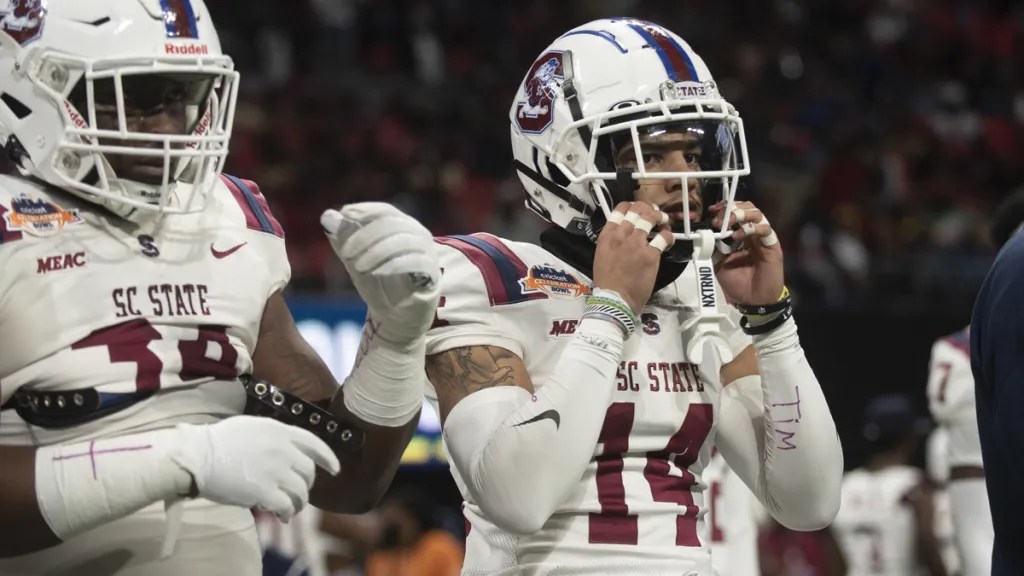
The first time Willie Jeffries made history was as the first black head coach at a mostly white Division I school (Wichita State in 1979). The second time was by making South Carolina State a national power. During two lengthy tenures covering several decades, Jeffries led the Bulldogs to three national titles and five MEAC titles. His teams went perfect in 1981 and 1982, winning back-to-back national titles that made SC State a well-known HBCU.
Jeffries won 179 games over the course of his career and was inducted into the College Football Hall of Fame in 2010. His coaching theory stressed speed, discipline, and defense that took advantage of opportunities. Under Jeffries, the Bulldogs were known for their powerful offenses and dominating defenses that made opponents mad. Jeffries did more than just win games. He also coached many players, like Deacon Jones and Donnie Shell, who went on to play professionally.
Jeffries’ success at both SC State and Howard University demonstrated that HBCU coaches could excel in any environment. Decades later, you can see that legacy even in how sportsbooks price these programs. Modern apps for OK bettors treat marquee HBCU games as part of the regular college football board, with offshore sites offering spreads, totals, and even props on select matchups. That kind of visibility helps keep HBCU football in the national conversation, signaling to recruits and fans that these programs belong alongside the best in the country.
Eddie Robinson: The Architect of Grambling Greatness
Eddie Robinson was a coach at Grambling State University for 57 years, from 1941 to 1997. It is one of the most impressive coaching jobs in sports history. Robinson is one of the best college football coaches of all time because he won 408 games over more than 50 years. But numbers don’t fully show how important he was. Robinson turned Grambling into a powerhouse that churned out more than 200 NFL players, including Doug Williams, who was the first Black quarterback to win a Super Bowl.
Robinson won a lot of Southwestern Athletic Conference titles and nine national medals. He made a small school in Louisiana famous across the country, showing that HBCUs could fight with anyone. His teaching tree goes back to professional and college football, where his ideas have been spread by former players and assistant coaches.
Robinson was given the Presidential Medal of Freedom in 1996 for accomplishments that went beyond football. He helped young men who didn’t have many options elsewhere by showing them the way to professional jobs and stressing the importance of education and character development.
Morris Brown president fired amid leadership shakeup at historic HBCU
In a move that has stunned the HBCU community, the Morris Brown president fired Dr. Kevin E. James after the Board of Trustees abruptly terminated his contract, triggering widespread concern about governance, timing, and institutional stability at one of the nation’s most closely watched historically Black colleges.
James announced the decision in a public statement posted on LinkedIn, where he said he was removed without specific cause or substantive explanation despite being under contract through 2029 and having recently received strong performance evaluations, adding a layer of urgency and controversy to a transition that comes as Morris Brown prepares for a critical accreditation review that could shape the school’s future.
Morris Brown president fired just as the college prepares for reaccreditation
The decision to remove James comes at a pivotal moment for Morris Brown College, which regained accreditation in 2022 after nearly two decades and restored access to federal financial aid for its students, a turnaround that was widely viewed as one of the most remarkable HBCU comebacks in modern higher education.
Founded in 1881 as Georgia’s first Black-owned and Black-operated college, Morris Brown has long been a symbol of Black educational resilience, and under James’ leadership the school stabilized its finances, achieved clean audits, expanded enrollment to more than 500 students, and rebuilt national credibility, milestones that were frequently highlighted across higher education coverage and within the broader HBCU ecosystem.
With a reaccreditation review now approaching, observers across the Atlanta University Center and beyond are questioning whether such a sudden leadership change could disrupt momentum at a moment when continuity is most critical.
Kevin James’ statement and the Board’s response
After news broke that the Morris Brown president was fired, James released a detailed statement saying the Board terminated him without explanation and in contradiction to both his contract and recent performance reviews, emphasizing that the college had achieved stability, enrollment growth, clean audits, and renewed national visibility during his tenure while successfully navigating the long road back to accreditation.
In contrast, the Board of Trustees issued a statement thanking James for his service and acknowledging his role in guiding the institution through a period of transformation, while simultaneously announcing that longtime trustee and corporate executive Nzinga Shaw would step in as interim president, a move that has left students, alumni, donors, and faculty seeking clarity about the direction of the institution during such a sensitive period, as reported by regional outlets like WSB-TV, FOX 5 Atlanta, and national education media.
What this leadership shakeup means for HBCUs and Morris Brown’s future
The firing of James has reignited broader conversations across the HBCU landscape about board governance, transparency, and the fragility of institutional recoveries, particularly at colleges that are still rebuilding from past financial crises and accreditation losses.
Morris Brown’s resurgence had been closely followed alongside similar HBCU comeback stories, making this leadership rupture especially jarring for supporters who viewed James as a stabilizing force and national advocate for the school’s revival. With an interim president now in place and a reaccreditation decision looming, the future of Morris Brown remains a focal point for students, alumni, and the entire HBCU community, all of whom recognize that the stakes extend far beyond one leadership change and directly into the long-term sustainability of one of Black higher education’s most historic institutions.
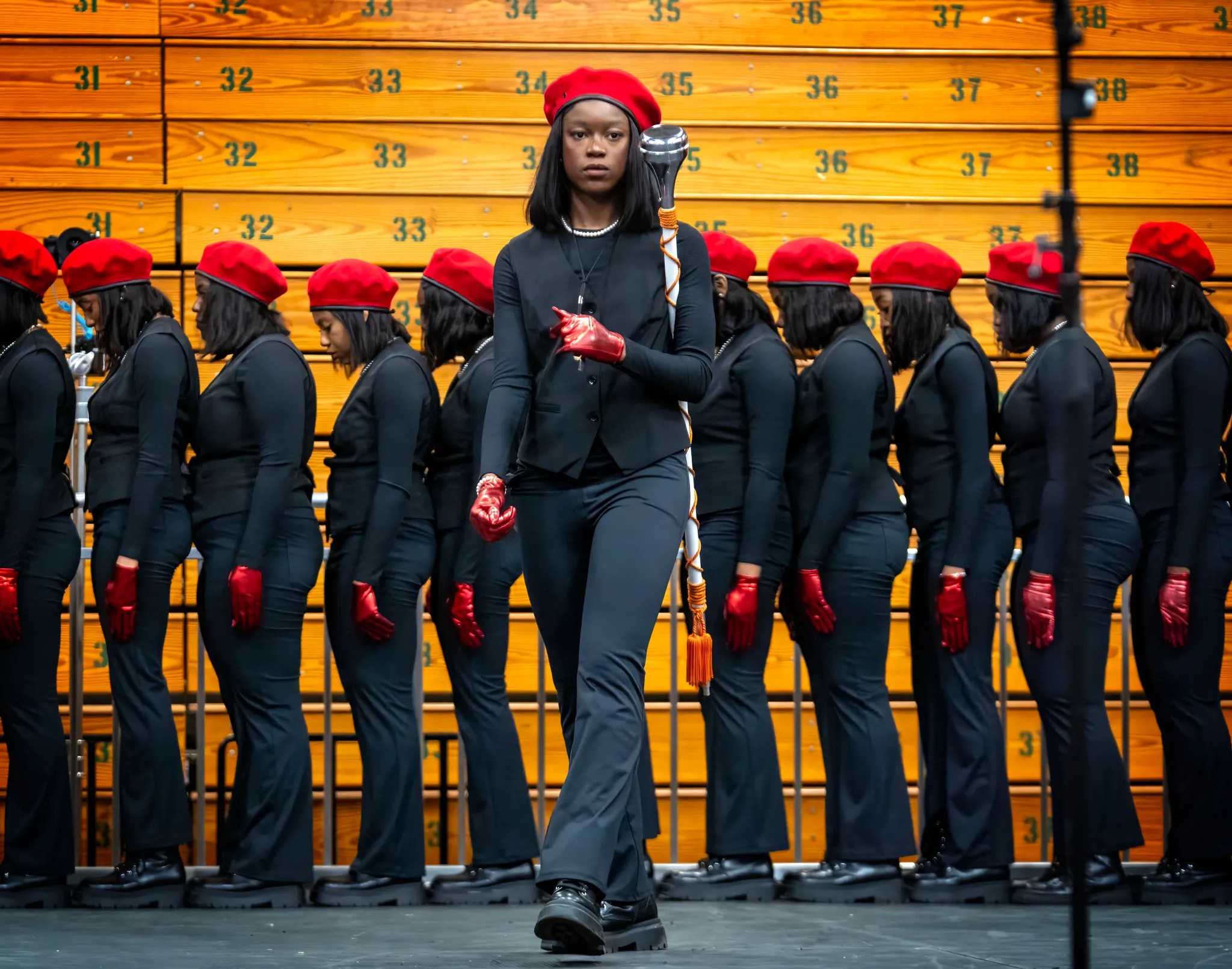
Charlotte is gearing up to make noise in a major way as the 2026 BIG HBCU Southern Classic Battle of the Bands takes over the city on January 24, 2026, bringing one of the most electrifying celebrations of HBCU band culture indoors for the first time. Hosted at Bojangles Coliseum, this year’s showcase raises the bar by moving the entire experience into an arena setting, giving fans front-row access to the thunder, precision, and pageantry that define HBCU marching bands.
A New Indoor Experience for HBCU Band Lovers
Traditionally, HBCU band classics live in football stadiums, but the 2026 BIG HBCU Southern Classic Battle of the Bands flips the script. By shifting to an indoor arena, every bass hit, brass blast, and drumline cadence lands harder and closer, creating a concert-level atmosphere that feels immersive and intense. Organizers behind the event have emphasized that this format allows audiences to fully absorb the musical detail, choreography, and competitive energy that often gets lost in open-air venues.
Hosted by DJ Envy and Loren LoRosa of The Breakfast Club, the night also features a live performance from R&B star Sunshine Anderson, blending classic HBCU band culture with mainstream entertainment in a way that feels both nostalgic and forward-thinking.
An All-Star Lineup of HBCU Bands
The lineup for the 2026 BIG HBCU Southern Classic Battle of the Bands reads like a who’s who of band excellence. Fans can expect performances from North Carolina A&T State University, Alcorn State University, North Carolina Central University, Hampton University, Winston-Salem State University, Mississippi Valley State University, Talladega College, Benedict College, Johnson C. Smith University, and South Carolina State University’s drumline. Each program brings its own style, sound, and signature flair, setting the stage for a night filled with unforgettable moments and viral-ready performances.
For HBCU alumni and band heads, this isn’t just entertainment — it’s a reunion, a flex, and a cultural statement all rolled into one. From precision drill teams to crowd-rocking drum majors, the performances are expected to deliver the kind of moments that keep HBCU band culture trending year after year.
Fan Fest, Food, and the Full HBCU Experience
The celebration starts long before the first band hits the floor. Earlier in the day, the event’s Fan Fest brings together more than 30 vendors, food trucks, community organizations, and youth showcases, turning the surrounding area into a daytime block party rooted in HBCU pride. The festival also creates meaningful access points for high school students, with on-site college recruitment opportunities and application fee waivers that connect culture directly to opportunity.
The weekend energy continues with surrounding events and nightlife experiences that transform Charlotte into a hub for alumni, students, and fans traveling in from across the country.
Why the BIG HBCU Southern Classic Matters
Major showcases like the Honda Battle of the Bands have proven how powerful HBCU music programs are on a national scale, and the 2026 BIG HBCU Southern Classic Battle of the Bands builds on that legacy by reimagining how these performances are experienced. By pairing elite bands with an arena environment, celebrity hosts, and a community-centered fan experience, the event reinforces why HBCU band culture remains one of the most influential performance traditions in American music.
Tickets for the 2026 BIG HBCU Southern Classic Battle of the Bands are already available through Ticketmaster, and demand is expected to surge as January approaches. For fans looking to start 2026 with unmatched energy, culture, and sound, Charlotte is the place to be.
Ja Morant gifts MVSU uniforms to kick off 2026 in a way that hits different for HBCU hoops. The Memphis Grizzlies star and his mother, Jamie Morant, surprised Mississippi Valley State University’s women’s basketball team with brand-new, all-white jerseys and multiple colorways of Morant’s latest signature sneaker, the Nike Ja 3—an upgrade that instantly adds pride, visibility, and real on-court value for a program that’s long had to stretch every dollar. The news first surfaced through coverage of the gift and details around the gear package, including the sneakers’ bright color options and the team’s public appreciation of the Morants’ ongoing support.
Ja Morant gifts MVSU uniforms and levels up the full game-day look
According to reporting on the donation, the Morants provided the Devilettes with fresh uniforms and exclusive Nike Ja 3 pairs in multiple colorways—an eye-catching mix that reportedly included blue and neon tones alongside the crisp white jerseys that will stand out under the lights. The moment also traveled fast on social media, where posts sharing the team’s thank-you message and images of the new gear sparked the kind of attention that smaller-budget Division I programs don’t always get to tap into. You can see the team’s gratitude and the visuals making the rounds via the posts that helped amplify the story, including coverage and embeds tied back to the original reporting and the Devilettes’ social accounts.
Why this kind of support matters for Mississippi Valley State athletics
For Mississippi Valley State, an equipment and footwear boost is never just cosmetic. The reality across many HBCU athletic departments—especially at schools competing in Division I with limited resources—is that “extras” often aren’t extras at all; they’re the difference between feeling like you belong in the conversation and feeling like you’re constantly catching up. Recent coverage has pointed out that MVSU operates under some of the tightest financial conditions in Division I, where funding realities can shape everything from travel to game-day presentation. In that context, Ja Morant gifts MVSU uniforms reads as both a morale lift and a statement: the Devilettes are worth investing in, and HBCU women’s basketball deserves the spotlight.
There’s also a branding and performance layer here that matters. Morant’s third signature model has been positioned by Nike as a shoe built for fast, explosive play—exactly the kind of energy that defines his game and the guard-driven pace so many programs rely on. Nike’s own release information and product write-ups emphasize the Ja 3’s design intent and rollout, underscoring why it’s a meaningful flex for college athletes to receive multiple pairs in rotation-ready colorways. When an HBCU program is seen rocking a current signature line—especially one tied to a marquee NBA face—that visibility can translate into more than social likes: it can help recruiting conversations, boost confidence, and create a sense of “we’re not an afterthought” that student-athletes carry into every matchup.
A continuing relationship with the Devilettes and HBCU hoops
This isn’t framed as a one-and-done gesture, either. Multiple reports note that Morant has supported Mississippi Valley State women’s basketball before—most notably when the team received an unreleased colorway of an earlier Ja signature model, putting the Devilettes in rare company nationally at the time. That continuity is what makes this moment resonate: it signals a relationship and a pattern of showing up, not just a headline-friendly donation. For HBCU women’s sports, that kind of sustained attention matters, because it tells the next wave of athletes that support can be real, public, and consistent.
If you’re tracking the ripple effect, this also lands at the intersection of culture and competition—HBCU programs building identity and momentum while the broader sports world finally pays closer attention to what’s happening in SWAC gyms and beyond. For more on Mississippi Valley State coverage, keep an eye on the MVSU archive and SWAC tag, and for broader context on women’s hoops across HBCUs, the women’s basketball tag stays updated as the season moves.
From HBCU to WWE SmackDown, Hampton University Alum Trick Williams Breaks Through
From HBCU to WWE SmackDown, Hampton University alum Trick Williams’ rise to professional wrestling’s biggest stage represents more than a personal career milestone—it’s a moment of national visibility for HBCU excellence. Williams, whose real name is Matrick Belton, played college football at Hampton University before carving out a breakout career in WWE, officially making his SmackDown debut and stepping onto one of sports entertainment’s most watched platforms.
Williams’ journey from Hampton’s campus to WWE television reflects the versatility and preparation HBCUs instill in their student-athletes. Before captivating arenas with his presence and charisma, he developed discipline, resilience, and competitive edge as a Pirate, experiences that helped shape the confidence he now brings to the ring. His SmackDown arrival follows a dominant run in NXT and positions him among WWE’s emerging stars while carrying his Hampton roots with him on a global stage.
Before stepping into the squared circle, Williams was a student-athlete at a Historically Black College and University, where he played football and developed the discipline and resilience that would later define his wrestling career. His time at an HBCU provided structure, mentorship, and a competitive environment that emphasized both personal growth and accountability—values that have carried over into his success in WWE.
Williams has frequently acknowledged how his HBCU experience shaped his confidence and work ethic. The culture of excellence and pride that defines HBCUs is evident in the way he carries himself on screen, blending showmanship with authenticity. His journey reinforces the idea that HBCUs continue to prepare students for success well beyond traditional career paths.
From NXT Standout to WWE SmackDown Star
Trick Williams’ rise through NXT was marked by standout performances, major storyline moments, and championship success that positioned him as a future main-roster star. Known for his mic skills and crowd-engaging presence, Williams cultivated a loyal fan base that followed him from developmental stages to WWE’s biggest arenas.
His SmackDown debut signaled WWE’s confidence in his ability to connect with a broader audience. The transition places Williams in high-profile storylines alongside established superstars, elevating his platform while maintaining the persona that made him a fan favorite. The iconic chants that followed him from NXT into SmackDown reflect his growing cultural impact within the wrestling community.
HBCU Representation Expands in Professional Wrestling
Williams’ success also highlights the expanding presence of HBCU alumni in professional wrestling. While wrestling has historically drawn athletes from football and other sports, representation from HBCUs remains underrecognized. Williams joins a lineage of HBCU-educated athletes who have translated their competitive backgrounds into wrestling success, reinforcing the role HBCUs play in cultivating elite talent.
As WWE continues to emphasize diversity and global storytelling, Williams’ background adds depth to his narrative. His presence on SmackDown offers a visible reminder that HBCUs are not just pipelines to traditional professional leagues but are also launching pads for success in entertainment and media-driven industries.
Cultural Impact Beyond the Ring
Beyond championships and storylines, Trick Williams’ journey resonates with fans who see reflections of their own paths in his rise. His confidence, swagger, and unapologetic embrace of his background align with a broader cultural movement celebrating Black excellence across platforms. For HBCU students and alumni watching his ascent, Williams represents proof that unconventional dreams are valid and achievable.
His platform on SmackDown allows him to reach audiences far beyond the wrestling world, introducing HBCU narratives to viewers who may not otherwise engage with HBCU culture. That visibility matters, particularly for young fans who benefit from seeing success stories rooted in institutions that have historically served Black communities.
From HBCU to WWE SmackDown, the Journey Continues
As Trick Williams continues his run on WWE SmackDown, his story remains one to watch—not just for wrestling fans, but for anyone invested in the continued elevation of HBCU alumni on national and global stages. His rise underscores the lasting impact of HBCUs in shaping leaders, entertainers, and trailblazers across industries.
From packed arenas to primetime television, Williams carries his HBCU legacy with him every time he steps into the ring. His journey serves as a reminder that greatness can begin on an HBCU campus and reach the brightest lights in sports entertainment.
HBCU Graduates in Wichita Create Pathways to Higher Education
HBCU graduates are bringing college inspiration to kids in Wichita through a powerful community-driven initiative designed to expose young students to the possibilities of higher education and the transformative impact of Historically Black Colleges and Universities. Led by the Wichita HBCU Alumni Collective, the event brought together alumni from across the country to share their college journeys, answer questions, and provide firsthand insight into what life at an HBCU can offer students who may not otherwise see themselves represented in higher education spaces.
Hosted in partnership with local community organizations, the gathering focused on early exposure and encouragement, particularly for elementary and middle school students. Alumni spoke candidly about their experiences navigating college, the sense of belonging they found at HBCUs, and how those environments helped shape their personal and professional trajectories. For many of the students in attendance, it was their first opportunity to interact directly with college graduates who looked like them and shared similar backgrounds.
HBCU Graduates Share Real Stories and Real Access
Throughout the event, HBCU graduates emphasized that college is not a distant or unattainable goal, but a realistic path supported by mentorship, preparation, and community. Alumni representing a wide range of institutions—including Clark Atlanta University, Prairie View A&M University, and other HBCUs—described how campus culture, faculty support, and alumni networks played critical roles in their success.
The conversations extended beyond academics, touching on leadership development, career readiness, and the importance of finding environments that affirm identity. Students were encouraged to ask questions openly, from what college classes are like to how scholarships and financial aid work. The alumni’s transparency helped demystify the college experience while reinforcing the message that higher education is achievable with the right support systems.
Why HBCU Representation Matters in Early Education
The Wichita initiative reflects a growing recognition of the importance of early exposure when it comes to college readiness. Studies consistently show that students who begin envisioning themselves in college at a young age are more likely to pursue higher education. By centering HBCU graduates in that process, the program highlighted institutions that have historically been committed to educating Black students and advancing social mobility.
HBCUs continue to play a critical role in producing Black professionals across industries, including education, healthcare, business, and public service. Introducing students to these institutions early helps broaden their understanding of college options while reinforcing pride in Black academic excellence. The alumni speakers emphasized that HBCUs offer not only degrees, but also environments that nurture confidence, leadership, and community responsibility.
Community Partnerships Strengthen the Impact
The event’s success was made possible through collaboration with local youth organizations, including groups focused on academic enrichment and mentorship. These partnerships ensured that the outreach reached families who could benefit most from exposure to college pathways and role models. Parents in attendance expressed appreciation for programming that combined inspiration with practical information, particularly around preparing students for long-term academic success.
By embedding the event within existing community networks, the Wichita HBCU Alumni Collective reinforced the idea that college preparation is a shared responsibility. Alumni noted that their involvement did not end with a single event, but represented an ongoing commitment to mentorship, visibility, and sustained engagement with Wichita youth.
HBCU Graduates Lead a National Movement from the Local Level
While the event was rooted in Wichita, its significance extends far beyond the city. Across the country, HBCU alumni groups are increasingly stepping into roles as ambassadors for higher education, using their lived experiences to influence the next generation. These grassroots efforts complement national conversations around access, equity, and representation in education.
By returning to their communities and investing time and energy into youth outreach, HBCU graduates are helping close opportunity gaps and reshape narratives around who belongs in college. Their work underscores the enduring impact of HBCUs—not only on individual graduates, but on entire communities that benefit from their leadership and service.
Inspiring the Next Generation Through Visibility and Connection
For the students who attended the Wichita event, the most powerful takeaway was seeing success embodied in people who once stood where they stand now. Alumni reminded students that college is not just about academics, but about discovering purpose, building networks, and learning how to contribute meaningfully to society.
As HBCU graduates continue to bring college inspiration to kids in Wichita and beyond, their efforts highlight the importance of representation, mentorship, and community-led solutions in shaping educational futures. These moments of connection—rooted in honesty, encouragement, and shared experience—are laying the foundation for a new generation of college-bound students who see possibility where it once felt out of reach.
Israeli Artists at Xavier University Spark Global Cultural Exchange
Israeli artists are building cultural bridges at Xavier University of Louisiana, the nation’s only Catholic HBCU, through a powerful arts residency that uses music as a vehicle for global dialogue, shared history, and mutual understanding. At a time when conversations about identity, faith, and geopolitics are increasingly polarized, the presence of Israeli artists on an HBCU campus has created space for nuanced engagement rooted in creativity rather than conflict.
The residency brought Israeli musicians Neta Elkayam and Amit Hai Cohen to Xavier’s New Orleans campus, where they worked directly with students through workshops, classroom discussions, and live performances. Their music—deeply influenced by North African Jewish traditions, Middle Eastern sounds, and contemporary global rhythms—served as both an educational tool and a conversation starter, inviting students to explore how culture preserves memory and identity across generations.
Israeli Artists at Xavier University Engage Students Through Music and Identity
Throughout the residency, students were encouraged to engage beyond surface-level exposure, examining how music functions within marginalized communities as a form of survival, resistance, and storytelling. Xavier students shared their own experiences shaped by Black American history and the legacy of Historically Black Colleges and Universities, drawing parallels between their cultural inheritance and the artists’ Jewish diasporic traditions.
The exchange emphasized mutual learning rather than instruction. Students collaborated musically with the artists, explored lyrical themes connected to displacement and belonging, and discussed how faith and tradition influence artistic expression. These conversations resonated deeply on a campus defined by its Catholic mission and commitment to social justice, reinforcing Xavier’s role as a space where global perspectives are welcomed and critically examined.
Israeli Artists at HBCUs Expand Dialogue Beyond the Classroom
The Xavier residency is part of a broader effort to bring Israeli artists to HBCUs nationwide through arts-based cultural exchange programs. These initiatives are designed to foster authentic dialogue by prioritizing personal stories and creative collaboration over political framing. By centering art, students are able to engage complex global realities in ways that feel human, accessible, and emotionally grounded.
Programs supporting these residencies emphasize relationship-building and long-term understanding, ensuring students are not passive audiences but active participants in the exchange. This approach reflects a growing recognition of HBCUs as vital spaces for international engagement, particularly when discussions involve history, identity, and global power dynamics.
Why Xavier University Is Central to This Cultural Exchange
Xavier University’s participation holds particular significance. As the only Catholic HBCU in the United States, Xavier occupies a unique position at the intersection of faith, Black intellectual tradition, and global awareness. Its longstanding mission to educate students for leadership and service aligns closely with initiatives that promote cross-cultural understanding and ethical engagement.
The university’s location in New Orleans—an epicenter of musical innovation and cultural fusion—further amplified the residency’s impact. Students were able to situate Israeli musical traditions alongside the city’s own history of blending African, Caribbean, and European influences, reinforcing the idea that cultural exchange is not an abstract concept but a lived, local experience.
Israeli Artists at Xavier University Highlight the Role of HBCUs Globally
As HBCUs continue to expand their influence beyond national borders, programs like this residency underscore their importance in shaping global conversations. Xavier’s hosting of Israeli artists demonstrates how HBCUs can function as bridges between communities that may appear distant yet share common experiences of resilience, marginalization, and cultural preservation.
For students, the residency offered a reminder that global engagement does not require abandoning one’s own history. Instead, it showed how honoring different narratives can deepen understanding of one’s own identity. For the artists, the experience reinforced the relevance of HBCU campuses as spaces of intellectual rigor, cultural pride, and meaningful dialogue.
Ultimately, the residency at Xavier University affirmed the power of art to transcend boundaries and foster connection. By bringing Israeli artists into conversation with HBCU students, the program highlighted how creativity can open doors to understanding that traditional discourse often cannot—positioning Xavier as a model for how HBCUs can lead in global cultural exchange.
Howard alum Jaha Howard has officially been sworn in as the new Georgia State Senator for District 35, adding another major chapter to Howard University’s legacy of producing public-service leaders across the country. According to coverage from WSB Radio, Howard took the oath of office at the Georgia State Capitol, stepping into the role after winning a closely watched special election to fill the vacant seat.
Howard’s moment at the Gold Dome is bigger than a local political win—it’s another reminder that HBCU alumni continue to shape policy, represent communities, and bring lived experience into leadership spaces where decisions are made. For readers who’ve been following HBCU Buzz’s coverage of Howard University and its alumni pipeline, this is the latest example of “The Mecca” producing leaders who move with purpose.
In addition to his academic and professional accomplishments, Howard is also a proud member of Alpha Phi Alpha Fraternity, Inc., the nation’s first intercollegiate Greek-letter fraternity founded by African American men. His affiliation with Alpha Phi Alpha reflects a long-standing commitment to leadership, service, and advocacy—principles that align closely with his approach to public office. Throughout his career in education, healthcare, and now state government, Howard has embodied the fraternity’s mission of developing leaders who uplift their communities and advance social justice.
Howard Alum Jaha Howard Brings Education and Community Roots to District 35
Howard’s path to the state senate is rooted in public-facing service. He previously served on the Cobb County School Board, where he built a reputation as a community-first leader focused on students, families, and equity-driven outcomes. In the WSB Radio report, Howard is described as a 44-year-old who spent four years on the school board before stepping into this statewide role, with District 35 covering parts of Fulton and Cobb counties. Those roots matter in a district where residents are juggling education access, cost-of-living pressures, and healthcare uncertainty—issues that require leaders who understand the human side of policy.
The swearing-in also came with a clear signal about priorities. In remarks reported by WSB Radio, Howard pointed to healthcare concerns, specifically referencing the risk of Georgians losing coverage tied to expiring Affordable Care Act subsidy provisions—an issue that has become increasingly urgent for working families. His quote during the ceremony underscored momentum and conviction, framing this moment as a beginning rather than an endpoint. WSB Radio’s report captures that tone and the significance of the transition.
Election Win Followed a High-Stakes Special Runoff
Howard’s swearing-in follows his victory in the District 35 special election runoff, where he defeated Roger Bruce in a tight race. Official tracking of the contest shows Howard won the December 16, 2025 runoff with 51.9% of the vote, according to Ballotpedia’s election results. Multiple local and regional outlets covered the outcome, including reporting that framed the win as a notable upset and highlighted Howard’s background as both a dentist and former education leader, including Georgia Recorder’s recap and CBS News Atlanta’s coverage.
The vacancy Howard filled was created after former senator Jason Esteves resigned, clearing the way for a special election to determine the district’s next voice in the state senate. WSB Radio notes that Esteves left the seat to pursue a run for governor, setting the stage for a competitive contest and heightened attention around who would take over representation for District 35. Ballotpedia’s District 35 overview provides additional context on the seat and its recent representation.
What This Means for Howard University’s Leadership Legacy
For Howard alumni, this moment fits into a long-running narrative: Howard University graduates don’t just participate in civic life—they lead it. Howard’s elevation to the Georgia Senate adds to a visible pipeline of HBCU-trained leaders bringing culturally grounded leadership into policy spaces, particularly in the South where historically Black political power and Black institutions remain closely intertwined.
And while the work ahead will be measured by votes, bills, and district outcomes, Howard’s story also matters on a symbolic level. A Howard alum stepping into state senate leadership is a reminder to current students and young alumni that the path from campus to the capitol is real, active, and still expanding. It is also the kind of milestone that reinforces why HBCU representation matters—not as a headline, but as a long-term investment in community-centered governance.
LSU women’s basketball coach Kim Mulkey says scheduling games against HBCU programs is about more than filling nonconference slots — it’s about creating financial opportunities for schools navigating the realities of college athletics in the name, image, and likeness era. Mulkey’s comments have reignited discussion around how so-called “guarantee games” function as a vital revenue stream for HBCU athletic departments at a time when the economic gap in college sports continues to widen.
Speaking recently, Mulkey explained that intentionally playing HBCUs allows those programs to receive guaranteed payouts, money that can be reinvested into scholarships, travel, facilities, and overall program sustainability. Her remarks were first reported by HBCU Sports, which detailed Mulkey’s perspective on why these matchups matter in the modern college basketball landscape.
Why ‘Guarantee Games’ Matter More Than Ever
In college athletics, a guarantee game typically involves a larger, well-funded program paying a smaller school a predetermined fee to compete — often on the larger school’s home court. For many HBCUs, these games represent one of the most reliable sources of nonconference revenue.
Mulkey acknowledged that reality directly, noting that in the NIL era, financial disparities have become even more pronounced. While power-conference programs generate revenue through television deals, sponsorships, and donor collectives, many HBCUs rely on guarantee money to keep their athletic programs competitive and operational. Mulkey framed the decision to play HBCUs as a practical way to support schools that “don’t have what we have,” while still providing her team with meaningful early-season competition.
Her comments echo reporting from Yahoo Sports, which highlighted Mulkey’s long-standing approach to scheduling and her belief that high-profile programs can play a role in strengthening the broader basketball ecosystem.
LSU’s Track Record With HBCU Matchups
LSU’s recent schedules reflect Mulkey’s philosophy. The Tigers have faced several HBCU programs in recent seasons, offering those schools national exposure and financial support. According to Sports Illustrated, LSU made history by scheduling multiple HBCU women’s basketball teams in a single season, a move that stood out in a sport where such matchups are often limited.
Mulkey has also joked about her familiarity with HBCU competition, recalling that during her tenure at Baylor, her teams played so many Southwestern Athletic Conference opponents that someone once quipped they were “SWAC champions.” That history underscores that her approach is not new, but rather a continuation of a scheduling philosophy she has carried throughout her career.
The NIL Era and Financial Pressure on HBCUs
The rise of NIL has fundamentally reshaped college athletics, creating new opportunities for student-athletes but also new financial pressures for institutions. While NIL collectives and endorsement deals have flourished at power-conference schools, many HBCUs are still building the infrastructure needed to compete in that space.
For HBCU athletic departments, guarantee games often help offset rising costs tied to travel, staffing, and compliance in the NIL era. Analysts have noted that without these payouts, some programs would struggle to fund full schedules. Mulkey’s remarks acknowledge that reality and position guarantee games as a tangible way larger programs can provide support without altering competitive balance.
Mixed Reactions and Ongoing Debate
While Mulkey’s comments were largely viewed as candid and pragmatic, guarantee games remain a topic of debate. Critics argue that these matchups can highlight disparities on the court and question whether they truly advance equity in college sports. Supporters counter that the financial benefits and exposure outweigh the risks, particularly for programs operating with limited resources.
What’s clear is that Mulkey’s willingness to speak openly about the economics of scheduling has brought renewed attention to how HBCUs survive and compete within a rapidly changing system. By naming guarantee money as a key motivator, she underscored a reality that many athletic directors quietly navigate every season.
What It Means Moving Forward
As college athletics continues to evolve, Mulkey’s comments may influence how other high-profile programs think about scheduling HBCUs. While guarantee games alone won’t solve systemic funding gaps, they remain one of the most immediate and reliable tools available to HBCU athletic departments.
For HBCUs, these matchups represent more than a game on the calendar — they are a financial lifeline, a recruiting opportunity, and a chance to compete on a national stage. And in the NIL era, where money increasingly dictates opportunity, those games matter more than ever.
Howard alum and gospel music icon Richard Smallwood, whose music reshaped contemporary gospel and influenced generations of artists and worship leaders, has died at the age of 77. According to The Hollywood Reporter, Smallwood passed away following complications related to kidney failure. His death marks the loss of one of gospel music’s most revered composers, arrangers, and musicians—an artist whose work bridged sacred tradition with musical excellence and cultural impact.
News of Smallwood’s passing sparked an outpouring of tributes across the music and faith communities, with artists, pastors, and fans reflecting on a body of work that defined modern gospel worship and transcended denominational and generational boundaries.
A Howard University Foundation Rooted in Excellence
Born in Atlanta and raised in Washington, D.C., Richard Smallwood displayed extraordinary musical talent from an early age, teaching himself to play piano by ear before formally studying music. That gift would later be refined at Howard University, where Smallwood graduated cum laude and helped establish the school’s gospel choir, laying a foundation that continues to influence Howard’s musical legacy today.
While at Howard, Smallwood combined classical training with gospel tradition, a fusion that would become the hallmark of his sound. His connection to the university placed him within a long lineage of Howard alumni who have shaped Black music, culture, and intellectual life, and his impact remains deeply felt within the HBCU community.
Building a Sound That Changed Gospel Music
After graduating, Smallwood went on to teach music at the University of Maryland before forming the Richard Smallwood Singers in 1977. The ensemble introduced a sophisticated, choir-driven approach to gospel that emphasized musical complexity, theological depth, and emotional resonance. Songs such as “Total Praise”, “I Love the Lord,” and “Order My Steps” became modern gospel standards, regularly performed in churches across the country and around the world.
Smallwood later expanded his musical vision with the group Vision, continuing to push the boundaries of gospel music while maintaining its spiritual core. His compositions were widely praised for their intricate arrangements and scriptural grounding, elevating gospel music to new artistic heights without sacrificing its worship-centered purpose.
Influence Beyond the Church
Smallwood’s influence extended far beyond traditional gospel spaces. His song “I Love the Lord” reached mainstream audiences after being recorded by Whitney Houston for The Preacher’s Wife soundtrack, introducing his work to a global audience. Over the years, his music was also performed or cited as influential by artists across genres, including Destiny’s Child, Stevie Wonder, and Boyz II Men, underscoring the universal reach of his artistry.
Throughout his career, Smallwood earned eight Grammy Award nominations and received multiple Stellar Awards and Dove Awards, cementing his status as one of the most decorated and respected figures in gospel music history. He was later inducted into the Gospel Music Hall of Fame, a recognition that reflected both his artistic achievements and his enduring spiritual impact.
A Lasting Legacy of Faith and Culture
Beyond awards and accolades, Richard Smallwood’s greatest legacy lies in the way his music continues to shape worship experiences across denominations and generations. “Total Praise” alone has become a global anthem, performed at funerals, graduations, protests, and moments of collective reflection, often serving as a soundtrack for both grief and hope.
As a Howard alum, Smallwood’s life and career stand as a powerful example of the cultural and spiritual influence HBCUs have on American music. His work represents a tradition of Black excellence that blends intellectual rigor, artistic mastery, and faith-driven purpose—values deeply rooted in the HBCU experience.
Remembering a Gospel Giant
Following news of his passing, tributes poured in from across the gospel and music communities, with many describing Smallwood as a composer whose work did more than inspire—it ministered. Family members have asked for privacy as they prepare to celebrate his life and legacy, with memorial details expected to be shared at a later date.
As the world remembers Richard Smallwood, his music remains—a living testimony to faith, discipline, and creative brilliance. For the Howard University community, the gospel world, and generations of listeners, his legacy will continue to echo wherever voices are lifted in praise.
Texas Southern University is facing heightened scrutiny after Texas Lt. Gov. Dan Patrick called for a formal audit of the university’s financial operations, describing preliminary findings as “deeply disturbing.” The request has placed the Houston-based HBCU at the center of a growing conversation about financial oversight, governance, and accountability within public higher education institutions across the state.
According to reporting from KXAN, Patrick publicly raised concerns after a state review revealed irregularities tied to Texas Southern University’s finances, prompting him to urge the State Auditor’s Office to conduct a comprehensive audit. The development has drawn attention not only because of Patrick’s language, but also because of TSU’s historic role as one of the nation’s largest and most influential HBCUs.
State Officials Raise Concerns Over Texas Southern University Financials
Lt. Gov. Patrick’s comments followed a review connected to the Texas Legislature’s oversight of higher education spending. He cited issues that he characterized as alarming, calling for deeper examination into how funds at Texas Southern University have been managed. While specific details of the financial concerns were not fully outlined publicly, Patrick stated that the issues uncovered warranted immediate attention and transparency.
The request for an audit places TSU under the authority of the Texas State Auditor’s Office, which conducts independent reviews of public agencies and institutions. A formal audit would involve a detailed examination of financial records, contracts, and internal controls to determine whether funds were used appropriately and in compliance with state law.
Texas Southern University Responds to Audit Request
Texas Southern University officials acknowledged the scrutiny and emphasized their willingness to cooperate fully with any audit or review process. University leadership has maintained that TSU is committed to transparency, accountability, and sound financial management, particularly as it continues to serve a predominantly Black student population and fulfill its public mission.
While the university did not directly address Patrick’s characterization of the findings as “deeply disturbing,” officials stressed that audits are a routine part of public university governance and that TSU has undergone similar reviews in the past. Administrators also highlighted ongoing efforts to strengthen internal controls and financial oversight as the institution continues to grow enrollment and expand academic programming.
Broader Context: Oversight, Politics, and HBCUs in Texas
The situation at Texas Southern University unfolds against a broader backdrop of political scrutiny and heightened oversight of public universities in Texas. As a state-funded institution, TSU is subject to legislative review, budgetary controls, and audits that can be influenced by shifting political priorities at the Capitol.
For HBCUs, financial scrutiny often carries additional weight. Historically underfunded institutions like TSU frequently operate with fewer resources while being held to the same compliance standards as predominantly white institutions. Advocates have long argued that increased oversight should be paired with equitable funding and structural support to ensure long-term stability.
Texas Southern University, founded in 1927, has navigated financial and administrative challenges before while continuing to play a critical role in educating Black students and producing leaders across law, business, education, and public service. Coverage of TSU’s milestones and challenges has remained a consistent focus across ongoing reporting related to Texas Southern University and other HBCUs nationally.
What Happens Next for Texas Southern University
If the State Auditor’s Office moves forward with a full audit, the process could take several months and result in recommendations or corrective actions depending on the findings. In some cases, audits can also prompt legislative hearings or policy changes related to governance and oversight.
University officials have indicated that they will provide documentation and access as required and keep stakeholders informed as the process unfolds. For students, faculty, alumni, and supporters of Texas Southern University, the outcome of the audit will be closely watched, particularly as the institution works to maintain public trust and institutional stability.
As the situation develops, the case underscores the complex relationship between public HBCUs and state oversight, highlighting ongoing tensions around accountability, funding, and political influence in higher education. How Texas Southern University navigates this moment may have broader implications for HBCUs across Texas and beyond.
Tuskegee University has placed its police chief on administrative leave following a New Year’s Day DUI arrest in Georgia, a move that has drawn regional and national attention and raised broader questions about leadership accountability and campus safety at one of the nation’s most historic HBCUs. The arrest occurred just months after the chief was hired, forcing the university to address a high-profile personnel matter at the start of 2026.
According to reporting by HBCU Gameday, Tuskegee University Police Chief Kareem Easley was arrested in the early morning hours of January 1 by the Sandy Springs Police Department on a charge of driving under the influence. Law enforcement officials said the stop took place shortly after midnight, a time when police agencies typically increase patrols due to New Year’s celebrations.
Details Surrounding the New Year’s Day Arrest
Authorities reportedly stopped Easley after observing him driving the wrong way on a one-way street in Sandy Springs, Georgia. Following the traffic stop, officers determined there was probable cause for a DUI arrest and transported him to jail. Additional details were confirmed by CBS News Atlanta, which reported that the arrest occurred just outside the Atlanta metropolitan area and involved local police rather than campus law enforcement.
Further reporting from FOX 5 Atlanta confirmed that Easley was taken into custody without incident and later released as the legal process moved forward. The report also noted that Easley had only recently assumed his role at Tuskegee University, having been hired in October 2025 as part of an effort to strengthen the institution’s campus police operations.
Easley brought more than 20 years of law enforcement experience to the position and was tasked with overseeing safety and security at a university that has long emphasized the well-being of its students, faculty, and staff. His arrest, however, has complicated that mission and placed increased scrutiny on leadership within the department.
Tuskegee University Places Police Chief on Administrative Leave
In response to the arrest, Tuskegee University placed Easley on administrative leave while an internal investigation is conducted alongside the ongoing legal proceedings. University officials stressed that the decision does not represent a presumption of guilt but is a standard step taken to preserve the integrity of the institution and allow the matter to be reviewed fairly.
Coverage from WSB-TV confirmed that Assistant Chief Darrius Jones has been appointed as acting police chief during the investigation to ensure continuity of campus safety operations. University representatives emphasized that campus police services remain fully operational and that student safety has not been compromised.
In statements shared with media outlets, administrators reiterated their commitment to due process and accountability, noting that the university will not rush to judgment as facts are gathered and reviewed.
Broader Accountability and Campus Safety at HBCUs
The incident has sparked broader discussion about leadership accountability within campus police departments, particularly at HBCUs where trust, transparency, and community relationships play a central role in institutional culture. While incidents involving senior law enforcement officials are not unique to HBCUs, they often receive heightened scrutiny due to the historic role these institutions play in their communities.
Tuskegee University, founded in 1881, has long been recognized for its contributions to Black excellence, leadership development, and social progress. As this situation continues to unfold, it adds to ongoing conversations across higher education about governance, oversight, and ethical leadership.
What Comes Next for Tuskegee University
As the legal process moves forward, Tuskegee University’s internal investigation is expected to continue independently. No timeline has been announced for the conclusion of either process, and university officials have said updates will be provided as appropriate.
In the meantime, the university has emphasized that its commitment to safety, accountability, and ethical leadership remains unchanged. For Tuskegee University, the weeks ahead will be critical as it works to navigate the situation transparently while preserving trust within its campus community and beyond.
North Carolina A&T University Farm Expansion Marks Largest Growth in 124-Year History
The North Carolina A&T University Farm expansion marks a significant milestone for the nation’s largest HBCU, reinforcing the university’s land-grant mission and long-standing commitment to agricultural research, teaching, and community engagement. North Carolina A&T State University recently acquired nearly 90 additional acres of land adjacent to its existing University Farm, expanding the total footprint to approximately 581 acres and representing the largest physical growth in the farm’s 124-year history. The expansion underscores the university’s continued investment in infrastructure that directly supports student learning, faculty research, and statewide outreach.
North Carolina A&T University Farm Expansion Strengthens the Land-Grant Mission
The North Carolina A&T University Farm expansion was completed through three separate land purchases totaling more than $4.2 million and funded through Title III education grant resources. Established in 1901, the University Farm has long served as a cornerstone of North Carolina A&T’s academic and research ecosystem, supporting experiential learning while advancing applied research initiatives that address food systems, sustainability, and rural development. With the additional acreage, the farm now stands among the most expansive agricultural teaching and research facilities at any HBCU, further solidifying North Carolina A&T’s leadership within the land-grant system and building on the institution’s broader legacy frequently highlighted in coverage of North Carolina A&T State University on HBCU Buzz.
Expanded Land Creates New Opportunities for Research and Student Learning
The University Farm currently features seven animal units, two horticultural research areas, and more than 20 sponsored research projects that directly support hands-on training for students across multiple academic disciplines. University officials noted that while the newly acquired land has been previously farmed, it will require restoration before being fully integrated into active production. One proposed use for the additional acreage includes expanded pastureland for the university’s beef cattle herd, a development that would enhance experiential learning opportunities for students studying animal science, agribusiness, and environmental sustainability. The expansion is also expected to support future grant activity, research partnerships, and curriculum development tied to emerging agricultural challenges and innovation.
Why the North Carolina A&T University Farm Expansion Matters
Interim Dean Radiah C. Minor emphasized that the expansion directly aligns with North Carolina A&T’s land-grant responsibilities in an agricultural state where workforce development, food security, and environmental resilience remain critical priorities. By expanding the physical footprint of the University Farm, the university is positioning itself to play a larger role in addressing both regional and national agricultural needs while providing students with access to real-world research environments. As the North Carolina A&T University Farm expansion moves forward, it stands as a clear example of how HBCUs continue to make strategic, forward-looking investments that generate long-term academic value and meaningful community impact.
Morgan State University’s Magnificent Marching Machine Tournament of Roses Parade appearance will place the HBCU on one of the most prestigious stages in American pageantry when the band marches in the 137th Tournament of Roses Parade on January 1, 2026, in Pasadena, California. The invitation represents a defining cultural moment for Morgan State University and further solidifies the national influence of HBCU marching bands as institutions rooted in excellence, discipline, and Black tradition.
Morgan State University Selected for One of the World’s Most Prestigious Parades
Each year, the Tournament of Roses Parade selects marching units from around the world that demonstrate elite musicianship and performance precision. Morgan State’s Magnificent Marching Machine was chosen to represent both the university and the broader HBCU community on a global stage viewed by tens of millions annually. The 2026 parade theme, “The Magic in Teamwork,” mirrors the unity and coordination that have defined the band’s reputation for decades, while NBA legend Earvin “Magic” Johnson will serve as grand marshal for the historic event.
National Spotlight on HBCU Band Culture
Comprised of approximately 150 student musicians, the Magnificent Marching Machine received its official invitation during Morgan State’s homecoming celebration, marking a powerful moment of recognition for the program. Leading up to New Year’s Day, the band will participate in rehearsals and appearances throughout Southern California before completing the iconic 5.5-mile march down Colorado Boulevard, as outlined in the university’s official event listing for the Magnificent Marching Machine’s Rose Parade appearance.
For many students, performing in the Tournament of Roses Parade represents the pinnacle of marching band achievement. Morgan State’s presence ensures that HBCU band culture—known for its energy, storytelling, and musical depth—will be experienced by audiences who may be encountering it on this scale for the first time.
Building on a Legacy of Historic Performances
The Magnificent Marching Machine’s Tournament of Roses Parade appearance continues a legacy of national and international milestones. In 2019, the band became the first Maryland HBCU marching band to perform in the Macy’s Thanksgiving Day Parade, expanding its national profile and setting a new benchmark for HBCU visibility. The program has also represented HBCUs on global stages, including a historic performance in Normandy, France, commemorating the 80th anniversary of D-Day.
These moments reflect Morgan State University’s broader commitment to excellence and its ability to position students as cultural ambassadors on some of the world’s most visible platforms.
Why This Moment Matters for HBCUs Nationwide
The Tournament of Roses Parade draws an estimated 50 million viewers worldwide, in addition to hundreds of thousands of spectators lining the parade route each year. For Morgan State, this exposure enhances recruitment, strengthens alumni pride, and reinforces the university’s standing among elite collegiate institutions.
More broadly, the Magnificent Marching Machine’s participation signals continued momentum for HBCU bands reclaiming space within America’s most traditional cultural events. As interest in HBCU marching bands continues to grow, moments like this reaffirm why sustained investment in these programs matters.
As the Magnificent Marching Machine steps onto Colorado Boulevard to ring in the new year, Morgan State’s presence at the Tournament of Roses Parade will stand as a powerful statement: HBCU excellence belongs at the center of America’s most celebrated traditions.