DOE Cancels HBCU Grants: Education Department Pulls $350M from Minority-Serving Programs

Department Of Education Cancels 350M In HBCU Grants

DOE Cancels HBCU Grants, Sending Shockwaves Through Campuses

The announcement that the DOE Cancels HBCU Grants has sent shockwaves through the higher education community. The U.S. Department of Education confirmed that it is cutting $350 million in federal grants previously earmarked for historically Black colleges and universities and other minority-serving institutions. The move is being described as part of a restructuring effort — but for many HBCUs, it feels like a direct blow to programs that are critical to student success.

The cuts target a series of programs meant to strengthen HBCUs, expand STEM opportunities for underrepresented students, and provide institutional support for minority-serving colleges nationwide. For many schools already balancing tight budgets, losing this stream of funding could have serious consequences for classrooms, labs, and the students who depend on these resources.

Why the Decision Is Sparking Backlash

The Department of Education, led by Secretary Linda McMahon, positioned the decision as a “re-envisioning” of how the department supports underserved students. But critics — from lawmakers to student advocates — argue that this approach ignores the reality of what these grants mean on the ground.

When the DOE Cancels HBCU Grants, it doesn’t just shift priorities on paper. It disrupts the lives of thousands of students who rely on programs for mentorship, faculty development, and access to technology. Lawmakers have already signaled that they see this as a unilateral move, taken without sufficient consultation with Congress or with the institutions most affected.

The Stakes for HBCUs

For HBCUs, these grants often make the difference between keeping programs alive and cutting them entirely. While larger universities may find alternative funding, smaller institutions — many of which are HBCUs — lack the financial cushion to absorb a $350 million shortfall.

The cancellation could stall STEM pipelines, research opportunities, and student support services. In a moment when HBCUs are experiencing both renewed visibility and ongoing challenges, the DOE’s decision threatens to reverse progress made over the past decade.

Political Pushback

Senator Patty Murray and other lawmakers have already spoken out, warning that the department is putting students at risk by pulling resources Congress has historically supported. Many critics see this move as part of a larger national debate about the role of diversity, equity, and inclusion in higher education.

By targeting funding streams for minority-serving institutions, opponents argue, the decision undermines decades of progress made in diversifying higher education and ensuring access for marginalized students.

Student Impact

For students, the impact of the DOE Cancels HBCU Grants decision will be immediate and personal. Fewer resources for tutoring, research labs, internships, and scholarships mean fewer opportunities to thrive. Faculty warn that program closures could harm retention rates and discourage new students from enrolling.

This comes at a time when HBCUs are already juggling limited funding, rising costs, and heightened security concerns after recent waves of threats. Losing critical federal support only adds to the pressure on students and administrators alike.

What Comes Next

The backlash over DOE Cancels HBCU Grants is far from over. Congress may push for hearings or legislative remedies to restore funding. HBCU advocates and alumni networks are already mobilizing to demand accountability and ensure that minority-serving institutions remain supported at the federal level.

While the Department of Education insists it will redirect resources in new ways, HBCU leaders are making it clear: what’s needed is stability, not uncertainty. The fight for adequate funding is not just about money — it’s about ensuring that Black colleges and other minority-serving schools can continue to educate and empower the next generation.

CBC HBCU Threats: Congressional Black Caucus Demands Federal Action

Congressional Black Caucus Demands Federal Action After HBCU Threats

CBC HBCU Threats Spark Urgent Response

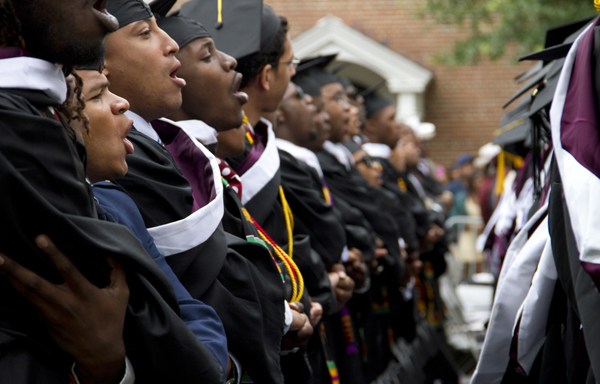
The latest wave of CBC HBCU Threats has placed Historically Black Colleges and Universities at the center of national attention. After several institutions were forced into lockdowns and cancellations due to terroristic threats, the Congressional Black Caucus (CBC) is demanding immediate action from federal authorities. The group has called on the FBI and Department of Justice to investigate these incidents as more than isolated hoaxes, framing them as part of a troubling pattern targeting Black institutions.

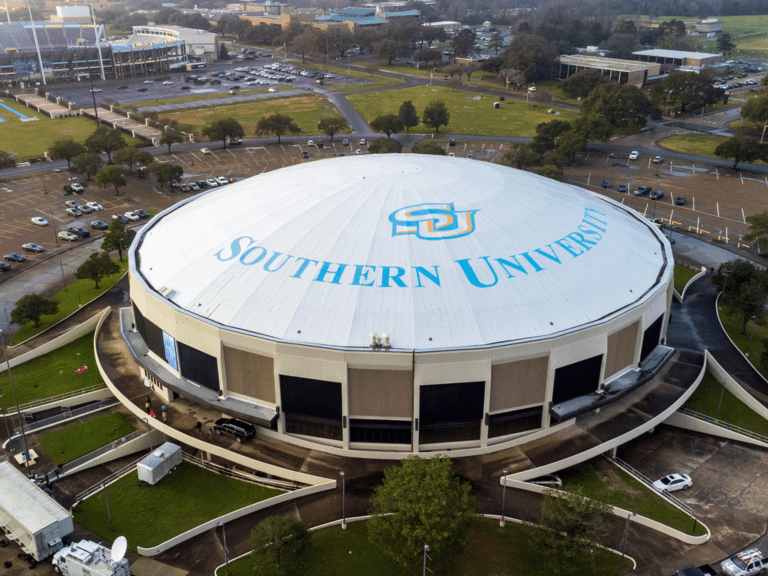
The threats, which disrupted daily life on campuses including Alabama State, Virginia State, Hampton, Southern, Bethune-Cookman, Clark Atlanta, Spelman, Morehouse, Morris Brown, and Morehouse School of Medicine, left students shaken and forced administrations to cancel classes and restrict campus movement.

HBCU Buzz has been covering the impact of these incidents across campuses, including how HBCUs faced a wave of threats that forced closures and how Virginia HBCUs suspended operations during the emergencies.

CBC Calls for Accountability

CBC members have made it clear that treating these incidents as routine hoax calls is not enough. House Minority Leader Hakeem Jeffries, alongside other CBC leaders, has pressed law enforcement to classify these threats as acts of domestic terrorism. Their argument is straightforward: even if no physical attacks occur, the psychological and educational harm is real and disproportionately impacts Black students.

This isn’t the first time the CBC has stepped up on this issue. Following similar bomb threats against HBCUs in 2022, the group demanded investigations and resources to ensure student safety. The repeat nature of these threats underscores why the CBC is urging a stronger, systemic response now.

The Impact on HBCUs

For students, the disruption goes beyond emergency alerts. Being forced to shelter in place, evacuate, or watch law enforcement sweep their campuses creates lasting stress. On social media, students and alumni voiced anger at how often HBCUs become targets of intimidation.

The CBC’s calls for action reflect a recognition that these CBC HBCU Threats don’t just interrupt classes — they undermine the mission of HBCUs by instilling fear where there should be safety. Lawmakers are framing this as a direct challenge to the federal government to ensure equal protection for Black institutions.

A Larger Pattern

The timing of the threats, landing on September 11, also raised concerns about symbolic targeting meant to amplify fear. And while authorities have yet to report credible explosives or attackers, the frequency and coordination of the calls suggest a deliberate attempt to destabilize campuses.

The CBC’s push is a reminder that these incidents must be treated as more than isolated disruptions. Instead, they are part of a broader pattern of harassment against HBCUs — a pattern that demands federal attention and accountability.

Moving Forward

The CBC’s intervention places pressure on the FBI and DOJ to not only investigate but also to prevent future incidents. Advocates argue that HBCUs deserve increased resources for security, better communication protocols, and recognition that safety on Black campuses is a matter of national concern.

As the investigation unfolds, students, alumni, and lawmakers will be watching to see whether the federal government delivers the accountability the CBC is demanding.

HBCUs Face Wave of Threats, Forcing Campus Closures and Lockdowns

A disturbing wave of threats has disrupted life across several Historically Black Colleges and Universities (HBCUs), forcing schools to cancel classes, lock down campuses, and heighten security. While no permanent closures have been reported, the repeated incidents are causing serious concern for students, faculty, and alumni communities.

Multiple Campuses Impacted

In recent days, Virginia State University and Hampton University were forced to halt operations after receiving threats. Both campuses canceled classes and suspended activities as law enforcement investigated. Students were notified via emergency alerts, leaving many shaken as campus life came to a standstill.

Further south, Alabama State University went on lockdown after receiving a terroristic threat. Similarly, Southern University in Baton Rouge paused operations and secured its campus. In Florida, Bethune-Cookman University also suspended classes in response to potential danger.

So far, officials have not confirmed any casualties or active violence, but the disruption has been significant. Students have missed classes, athletic events have been canceled, and day-to-day routines have been upended as administrators prioritize safety.

An Uneasy Pattern

Unfortunately, these incidents are not isolated. HBCUs have increasingly been the target of anonymous threats over the last several years. From bomb scares to online hoaxes, these threats take a heavy toll — both logistically and emotionally — on campuses already operating under financial strain.

The pattern raises urgent questions: Why are HBCUs repeatedly targeted, and what resources are available to help them recover? Many leaders believe these threats are part of a larger climate of hostility toward Black institutions, particularly during moments of political and social tension.

Beyond Safety: Financial Struggles and Policy Shifts

The timing of these incidents is especially troubling given the financial pressures facing HBCUs. Many campuses are already grappling with reduced federal support, shifts in diversity, equity, and inclusion (DEI) funding, and state-level budget challenges. Some states, such as Mississippi, have even floated proposals to consolidate or close multiple HBCUs.

For smaller institutions, even a temporary shutdown can be costly. Missed class days, canceled events, and heightened security expenses put additional strain on already limited budgets. Students and parents, meanwhile, may begin questioning whether these schools are safe and stable environments — a perception that could harm future enrollment.

Students and Alumni Respond

Despite the disruptions, HBCU students and alumni have once again shown resilience. On social media, students shared their frustration, fear, and determination to keep their institutions strong. Alumni have also voiced support, reminding communities that HBCUs have survived generations of challenges and will continue to stand tall.

Still, many are calling for more concrete solutions. Federal and state governments have provided grants in the past to address campus security and trauma recovery, but HBCU advocates argue more needs to be done to ensure safety and stability.

What’s Next

As investigations continue, HBCUs remain on high alert. Campus leaders stress that student safety is their top priority, but long-term solutions will require more than emergency lockdowns. Investments in mental health, campus security, and sustainable funding are needed to protect these institutions and their communities.

For now, HBCUs are once again showing their resilience under pressure. But the question remains: how many more disruptions can these vital institutions endure before the impact becomes permanent?


New Updates

The list of impacted HBCUs has now expanded to include the Atlanta University Center.

These additions highlight how widespread the disruptions have become, stretching from Virginia and Alabama to Florida and now Atlanta. Students across these campuses are facing not only lost class time and canceled activities but also the stress of living under repeated safety threats.

Mississippi Valley State Cancels Women’s Soccer Season Over Health Concerns

Ronia Pierre Louis Kicking

ITTA BENA, MS — Mississippi Valley State University has made the difficult decision to cancel the remainder of its 2025 women’s soccer season due to health and safety concerns affecting the program. The announcement, made September 9, underscores the challenges that smaller HBCU athletic programs face when player well-being is put at risk.


A Difficult but Necessary Call

According to the university, the decision followed consultation with medical staff, athletic leadership, and other stakeholders who concluded that it was no longer safe to continue.

MVSU Director of Athletics, Dr. Alecia Shields-Gadson, shared that while the choice was far from easy, it was the right one:

“This was not an easy decision to make, but it was a necessary one. The circumstances impacting the health and safety of our student-athletes have reached a point where we cannot confidently continue the season without putting them at undue risk.”

The statement highlights the reality that in athletics, particularly at HBCUs where resources can be limited, safeguarding student-athletes must come before competition.


Season Cut Short

The cancellation followed a rocky start to the season. MVSU had already faced challenges with limited roster depth and health issues. Some scheduled exhibitions against programs like Ole Miss and Louisiana Tech never happened, and the team suffered a difficult defeat in a regular season outing against Nicholls State.

With the roster already thin, injuries and other factors made continuing play unsafe. Instead of pushing forward under compromised conditions, the university chose to protect its athletes and suspend the season.


The Broader Picture

This moment is about more than one team. It reflects larger issues facing HBCU athletics:

  • Resource Gaps: Unlike larger universities, smaller HBCUs often operate with limited budgets for athletics, leaving little room to manage unexpected setbacks.
  • Student-Athlete Safety: The decision sets a precedent that well-being comes before wins and losses, reinforcing that athletes are students first.
  • Recruitment and Retention: Canceling a season can affect morale and recruiting momentum, but it also demonstrates to future players that MVSU prioritizes safety.

Supporting the Student-Athletes

For the women’s soccer team, the focus now shifts to supporting athletes off the field. MVSU will need to ensure players receive the medical attention, academic support, and emotional resources necessary to navigate the disappointment of a canceled season.

The decision may also lead to broader conversations about strengthening athletic infrastructure and health protocols to avoid similar outcomes in the future.


Looking Ahead

While the 2025 season is over for MVSU women’s soccer, the lessons from this moment may ultimately strengthen the program. The willingness to place safety above competition signals to athletes, families, and supporters that the university’s values align with protecting its students.

The move also raises questions for the wider HBCU athletic community: How can programs ensure safety with limited resources? What steps are needed to provide athletes with the same level of support seen at larger institutions?

One thing is clear—Mississippi Valley State has drawn a line in the sand, prioritizing health first.

Sean K. Campbell Joins Howard University as Visiting Professor at Center for Journalism & Democracy

Sean Campbell 0

WASHINGTON, DC — Howard University is continuing to raise the bar for investigative journalism education. The university announced that Sean K. Campbell, a nationally recognized investigative reporter, has joined its Center for Journalism & Democracy as a Visiting Professor for the 2025–2026 academic year.

This appointment marks the second year of Howard’s Visiting Professorship program at the Center, which was founded by Pulitzer Prize-winning journalist Nikole Hannah-Jones. The initiative is designed to expand investigative journalism training across HBCUs and give students access to the same level of resources and instruction found at elite institutions.


Building on Howard’s Legacy of Journalism Excellence

The Cathy Hughes School of Communications has long been known as a pipeline for Black journalists shaping the media landscape. With Campbell’s arrival, Howard students now gain access to his expertise in data-driven investigative reporting—a skill set increasingly vital in a world where truth often competes with misinformation.

The Center for Journalism & Democracy is dedicated to producing historically informed, accountability-driven reporting. Campbell’s teaching and mentorship will strengthen that mission, giving Howard students the chance to develop skills that can transform communities and hold powerful institutions accountable.


Classes That Make an Impact

Campbell will teach two key courses this fall:

  • Data-Driven Stories, which focuses on teaching students how to analyze and transform raw data into impactful stories.
  • Truth Be Told, co-taught with journalist Erika Blount, where students fact-check and produce reporting relevant to Black communities. Their work will be published through TruthBeTold.news, Howard’s student-powered news platform.

In the spring, Campbell will extend his teaching beyond Howard by offering data journalism courses at Morgan State University, further expanding the Center’s mission of strengthening investigative journalism at HBCUs nationwide.


An Investigative Journalist With Range

Campbell’s journalism career is built on exposing systemic issues and amplifying stories that often go untold. His work includes investigations into:

  • Racism and discrimination within Doctors Without Borders.
  • The hidden toll of deaths in nursing homes.
  • The illegal flow of firearms into Mexico.
  • A lead feature in New York Magazine’s award-winning “Ten Years Since Trayvon” issue.

For Howard students, access to a professor with this level of investigative experience means learning not only how to find the facts but also how to build narratives that resonate in national conversations.


Strengthening an HBCU Consortium

Campbell’s professorship also advances Howard’s broader vision of creating a network of HBCUs dedicated to investigative journalism. Through the Center for Journalism & Democracy, partner schools include:

  • Florida A&M University
  • Morehouse College
  • Morgan State University
  • North Carolina A&T State University
  • North Carolina Central University
  • Savannah State University
  • Texas Southern University
  • University of the District of Columbia

This consortium ensures that investigative journalism resources and mentorship are accessible to HBCU students far beyond Howard’s campus.


What This Means for Students

For Howard and its partner HBCUs, Campbell’s appointment represents more than just another professor—it is an investment in the next generation of truth-tellers. Students will learn how to ask tougher questions, analyze deeper patterns, and produce stories that shift narratives and challenge power structures.

As Howard continues to lead in producing groundbreaking Black journalists, the addition of Sean K. Campbell ensures that the university remains at the forefront of journalism education while uplifting HBCU students across the country.

Virginia HBCUs Suspend Operations Following Campus Threats

Two Virginia HBCUs—Virginia State University and Hampton University—took swift action this week to protect students, faculty, and staff after receiving threats that forced temporary shutdowns of campus operations. The incident, which unfolded on Thursday, September 11, 2025, underscores the ongoing challenges HBCUs face in maintaining both safety and peace of mind for their communities.


Virginia State University Responds Immediately

At Virginia State University, leadership acted quickly, announcing a complete campus closure while law enforcement investigated. Students, faculty, and staff were urged to monitor official communications for updates. While details of the threat remain limited, the university emphasized its top priority: ensuring the safety of everyone connected to the VSU community.

By pausing operations and working directly with law enforcement, VSU reinforced its commitment to transparency and vigilance during crises.


Hampton University Suspends Operations for Two Days

Hampton University also issued a decisive response, suspending all non-essential operations for September 11 and 12. Classes, athletic activities, and on-campus events were canceled, and off-campus students were directed not to return until further notice.

Hampton leadership asked non-essential faculty and staff to leave campus, while students residing on campus were strongly encouraged to remain in place unless absolutely necessary. The university bolstered its police presence and reminded students and staff to practice awareness, urging the community to follow the “if you see something, say something” approach.


Prioritizing Safety in Uncertain Times

Both institutions made it clear that safety was the guiding principle behind their decisions. By prioritizing security over disruption, Hampton and VSU joined a growing list of HBCUs across the country that have faced similar challenges in recent years. These decisions highlight a tough reality: HBCUs often sit at the intersection of national issues around campus safety, under-resourced security infrastructure, and the broader cultural significance they carry.

The swift action taken by Virginia’s HBCUs shows not only the seriousness with which they address potential threats but also the evolving nature of crisis preparedness at these institutions.


The Bigger Picture for HBCUs

Threats like these extend far beyond a temporary suspension of operations—they impact student mental health, institutional trust, and the overall campus experience. HBCUs, often celebrated as safe havens of culture, education, and empowerment, are now being forced to navigate heightened security concerns alongside their academic missions.

Still, the resilience of these communities cannot be overstated. By reacting decisively, Virginia State and Hampton are reminding students and families that their safety comes first. The transparency in communication, coupled with the willingness to disrupt normalcy for the greater good, sets a standard for how HBCUs can respond to crises while protecting their legacy and their people.


What Comes Next

As investigations continue, the most pressing questions are whether the threats were credible, when full operations will resume, and how universities will address the emotional toll on their students. Counseling resources, safety forums, and increased security presence are all measures likely to follow.

For students, faculty, and alumni, the moment is also a reminder of the unique challenges facing HBCUs and the importance of strong crisis communication and community support.

North Carolina A&T Becomes First HBCU to Surpass 15,000 Students in Enrollment

GREENSBORO, NCNorth Carolina A&T State University has made history this fall, becoming the first HBCU in the nation to enroll more than 15,000 students in a single semester. The university reported a record-breaking 15,275 students for Fall 2025, shattering its previous record of 14,311 just one year ago.

This 6.7% jump not only cements A&T’s place as the largest HBCU in America but also reflects its growing national and international appeal.


A Record-Breaking Freshman Class

The entering freshman class this fall is one of A&T’s strongest yet. 3,021 new students have joined the Aggie family, bringing with them an impressive average GPA of 3.7. Out-of-state freshmen raised the bar even higher, averaging 3.93 GPAs—a sign that A&T continues to attract high-achieving students nationwide.

But the story doesn’t stop with first-year students. Transfer enrollment jumped 17% with 814 new transfers. This speaks to A&T’s ongoing efforts to strengthen pathways from community colleges and make higher education more accessible to students seeking to continue their journeys.


Graduate Growth and Research Expansion

Graduate education is another area where A&T is seeing exponential growth. This fall marks the first time the university has surpassed 2,000 graduate students, with 702 doctoral candidates—a 23.4% increase from last year.

This signals not only that A&T is fulfilling its mission as a doctoral research university, but also that it is expanding its influence in critical fields of innovation, science, and technology.


Student Success and Retention

Equally important to enrollment is student retention, and this year, A&T crossed a major threshold: over 80% of first-year students returned for their sophomore year. This milestone shows the university’s investment in creating a strong academic and community support system that allows students to thrive once they arrive on campus.

That success is also paying off for graduates. A&T reports that 10 years after graduation, its bachelor’s degree holders earn a median salary of $112,000, placing them among the top HBCU earners nationally.


Growing Global Reach

The impact of A&T stretches far beyond North Carolina. Students now represent 97 of the state’s 100 counties, 43 U.S. states, and 103 foreign nations. International enrollment grew by 10.3%, including nearly 500 students from Africa.

This widening geographic reach highlights how A&T has become a destination for students seeking both academic excellence and the cultural pride of an HBCU experience.


What Leadership is Saying

Chancellor James R. Martin II called the achievement “a reaffirmation of our national appeal and impact as an exponential, doctoral research HBCU … the promise that North Carolina A&T holds for students around the world.”

Associate Vice Provost for Enrollment Management Joseph Montgomery emphasized that the university remains committed to “a holistic process that ensures we select students who will excel at A&T and become future leaders.”


Why This Matters for HBCUs

North Carolina A&T’s historic enrollment growth is not just about one school—it’s a landmark moment for all HBCUs. At a time when higher education faces enrollment challenges nationwide, A&T’s success is proof of the enduring relevance, excellence, and power of HBCUs to attract and prepare the next generation of leaders.

With its balance of academic rigor, global reach, and commitment to student success, A&T continues to show why it is a flagship institution in the HBCU community.

Hampton-Born Hospitality: Hampton Grads Are Redefining Luxury Group Travel with Getaway Society

Hampton University alumni Calvin Butts, Jr., Carrington Carter, and Jeremiah Myers turned a love for travel and group trips into Getaway Society, a Black-owned luxury vacation home brand designed for connection, community, and unforgettable memories.

Article Header Image 1

From a Hampton Ski Trip to a National Footprint

In the early 2010s, every year a group of Hampton alumni hit the slopes in the Poconos. One year, it was Carrington’s turn to plan the trip. He found the perfect house, coordinated with the owner, collected the group’s payments—and had a lightbulb moment: Why not own the home ourselves? That spark became Getaway Society in 2014—a vision to build and curate luxury vacation homes that make big moments feel effortless and welcoming for everyone.

Rooted in the “Dream No Small Dreams” mantra from former Hampton President Dr. William R. Harvey, the founders built the brand one home at a time. Today, Getaway Society hosts thousands of guests across sought-after U.S. destinations, offering design-forward homes with resort-style amenities—from private pools and movie theaters to chef’s kitchens and game rooms.

What Sets Getaway Society Apart

Hospitality with intention. Getaway Society’s homes are stylish, amenity-rich, and often clustered in the same area—so groups can book multiple homes side-by-side for reunions, retreats, weddings, and milestone celebrations. The brand’s identity matters, too: as a Black-owned company, the team designs spaces where guests feel accepted. “Luxury here comes with open arms,” they emphasize.

Beyond the front door. On Martha’s Vineyard, the founders expanded the experience with Azimut yacht charters and Ford Bronco car rentals, leveling up itineraries on land and sea. Across markets, the focus is consistent: thoughtful design, premium touches, and a seamless path to memory-making.

For the HBCU & Black Travel Community

The founders know the rhythms of homecoming season, Greek life, and alumni traditions because they’ve lived them. Whether it’s a chapter retreat, line or class reunion, a celebration trip, or a family gathering, Getaway Society is built for multi-generational groups and young Black professionals who want elevated spaces that match the moment. (Heads up: you must be 25+ to book.)

They also collaborate with HBCU alumni chapters, Greek organizations, and affinity groups to create custom packages and exclusive discounts—circulating dollars within the community while delivering five-star stays.

Flagship Flex: The Grove in Orlando

Ask any Getaway Society loyalist about a “bucket list” property and you’ll hear about The Grove—a 12-bedroom, ~14,000 sq. ft. home in Orlando that’s basically an adult playground. Think bowling alley, indoor basketball court, fitness center, multiple game rooms, and a resort-style pool that turns a long-weekend into a full-on experience. It’s the blueprint for what the brand means by “mini-resort”—everything you want, under one roof, made for groups.

The Bigger Vision

Getaway Society is still just getting started. The team, composed entirely of Hampton University grads, is adding homes and experiences in more destinations, growing services on Martha’s Vineyard like yacht charters and car rentals, and pursuing a signature hospitality project in the Southeast that aims to make a major, Black-owned impact in tourism. Near-term, they’re planning a custom beach house on the Texas Gulf Coast (Cinnamon Shore) and expanding premium guest services on Martha’s Vineyard.

Why It Matters

Representation in travel isn’t a buzzword—it’s a better experience. By building luxury spaces that are culturally aware and genuinely welcoming, Getaway Society is shaping what premium group travel can feel like for everyone—and creating jobs and economic opportunity while they do it. Book with them, and you’re not just getting a house; you’re investing in a hospitality ecosystem born from an HBCU tradition of excellence.


Book & Follow

Website: getawaysociety.com
Instagram: @getawaysociety and @thegroveatreunion
TikTok: @getawaysociety
Facebook: Getaway Society

Christian School Apologizes After Announcer Compares South Carolina State Students to Criminals

SCSUSTadium1

Orangeburg, SC – South Carolina State University (SCSU) has received a formal apology from Christ Church Episcopal School (CCES) following a comment made by a public address announcer that many considered “disrespectful.” The incident occurred during a Friday night football game, just one day before the Bulldogs took the field against the University of South Carolina.

The Incident

The controversy began when the CCES announcer made a remark directed at SCSU that quickly drew backlash. While the school did not disclose the exact words, officials acknowledged the language was inappropriate and out of line with their mission. The timing was particularly striking, as it came on the eve of one of South Carolina State’s most visible games of the season.

SCSU, the only public Historically Black College and University in the state, carries a legacy that spans nearly 130 years. For many alumni and supporters, the announcer’s words weren’t just a slip of the tongue — they struck at the dignity of an institution that has served as a cornerstone for education and opportunity.

CCES Responds Swiftly

Christ Church Episcopal School acted quickly once the comment came to light. According to their leadership, the announcer offered an immediate apology following the game. However, CCES made the decision to remove him from future events altogether, underscoring the seriousness of the matter.

In an official statement, the school expressed regret and directly apologized to South Carolina State University, its alumni, and the broader community. CCES emphasized that the comment was inconsistent with its values and that steps were being taken to ensure incidents like this do not happen again.

SCSU’s Dignified Response

South Carolina State University President Alexander Conyers personally addressed the situation by speaking with CCES Head of School David Padilla. President Conyers accepted the apology but also used the moment to reaffirm SCSU’s commitment to excellence and dignity.

“South Carolina State has stood for nearly 130 years as a beacon of opportunity,” Conyers said. “Our alumni, students, faculty, and supporters deserve respect at all times, whether on or off the field.”

His response highlighted the resilience and professionalism that HBCUs often display when confronted with challenges, while also reminding the public of the respect these institutions have earned over generations.

Bigger Than Sports

While the Bulldogs went on to face the University of South Carolina that weekend — ultimately falling 38–10 — the narrative extended beyond the field. The situation reinforced the importance of respect for HBCUs, not just in athletics but in broader cultural conversations.

South Carolina State’s role in producing leaders across education, business, politics, and beyond makes it a vital institution within the HBCU community and the state of South Carolina. The incident served as a reminder of how words carry weight, especially when directed at schools that have historically fought for visibility and equity.

Moving Forward

For many SCSU alumni and students, the apology offered by CCES was an important step toward accountability. But the moment also underscored the ongoing need to elevate HBCUs and their legacies.

As conversations around diversity and inclusion continue, situations like this highlight why HBCUs matter — not only as educational institutions but as cultural anchors that demand and deserve respect.

Charleston White Chased Off HBCU Campus Tougaloo College After Controversial Remarks

G0W9JjOXUAAk3lZ

A Heated Night at Tougaloo

Charleston White, the controversial online personality and self-styled motivational speaker, set off fireworks during his recent appearance at Tougaloo College in Jackson, Mississippi. The September 9, 2025 event was billed as a debate, but quickly unraveled after White made inflammatory remarks that didn’t sit well with the student audience.

Standing before the packed room, White declared, “F** racism, I don’t believe in racism,”* before going further to dismiss HBCUs altogether, telling the crowd, “I don’t give a damn about no HBCU, I went to a white school.” His words drew audible gasps and a sharp response from one student who asked, “Why would you come to an HBCU then?” Within minutes, the event spiraled, ending with White storming out of the building as students followed him off campus.


White’s YouTube Response

In the aftermath, White turned to his YouTube platform to explain his perspective. He claimed the event was misrepresented to him, saying he believed he would be part of a joint discussion with two schools. His debate partner, whom he referred to as “Dr. Scholar,” allegedly combined topics like snitching, race, class, gender, and sexuality under the broader civil rights umbrella.

White said he felt the framing was “confusing” and “misleading,” and that he was caught off-guard when the debate linked street topics like “snitching” to systemic oppression. “I just decided to talk real to those kids,” he told his YouTube followers. Still, his dismissive comments about racism and HBCUs overshadowed the explanation, fueling criticism across social media and campus circles.


A Pattern of Clashes with HBCUs

This isn’t White’s first brush with controversy in the HBCU community. Back in 2023, during an appearance on The Danza Project podcast, he mocked Bethune-Cookman University as a “special ed HBCU,” while falsely claiming that none of its football players had ever reached the NFL. In reality, the Wildcats have produced more than 40 NFL athletes, including Rashean Mathis, who spent over a decade with the Jacksonville Jaguars.

Such remarks have left many questioning whether White’s criticisms stem from ignorance, calculated provocation, or both. His comments at Tougaloo only reinforced his reputation as a provocateur who thrives on controversy.

Charleston White In Car 2022 1

From Prison to Polarizing Public Figure

White’s life story is well-documented. Born in Fort Worth, Texas in 1977, he lost an eye in childhood and later spent years incarcerated for his role in a robbery at age 14. After his release, he pursued higher education, eventually earning a criminal justice degree from Texas Wesleyan University. He also co-founded Helping Young People Excel (HYPE), a nonprofit aimed at mentoring youth.

Despite those strides, his online persona often overshadows his community work. White has built a massive following by leaning into blunt, shocking commentary on race, crime, and culture — a strategy that continues to divide audiences, particularly in spaces like HBCUs where history, culture, and identity are deeply cherished.


What’s Next for Tougaloo and Beyond?

As of now, Tougaloo College has not issued a formal statement on the incident. Students on social platforms have expressed both anger and disappointment, with some calling for stricter vetting of campus speakers. Others argue that the backlash proves HBCUs remain central to the national conversation on race and identity, regardless of attempts to discredit them.

For White, the fallout may not slow him down — controversy has become part of his brand. But his comments raise bigger questions for HBCUs: How should institutions engage with polarizing speakers? Is there value in the confrontation, or does it risk undermining the culture these schools fight to preserve?


Final Thoughts

Charleston White’s visit to Tougaloo ended in chaos, with students chasing him off campus after remarks that cut against the very mission of HBCUs. His YouTube defense may have added context, but it did little to cool the firestorm. In the end, the incident reaffirmed the power of HBCU students to push back against voices that attempt to diminish their legacy.

Billions on the Table: What the NCAA House Settlement Means for HBCUs

CGVK2J3JIFADTFBBBCULKPMJQI

WASHINGTON, D.C. — The NCAA House Settlement has sent shockwaves through college athletics. Valued at more than $2.7 billion, the deal compensates athletes for past restrictions on name, image, and likeness (NIL) earnings and lays the groundwork for future revenue-sharing models.

While headlines focus on how Power Five programs will adapt, the real question is: What does this mean for HBCUs? Here are five key takeaways for historically Black colleges and universities — and the athletes who represent them.


1. Recognition of Athlete Value

For decades, athletes generated millions for the NCAA and their schools while receiving little more than scholarships in return. The House Settlement acknowledges this inequity and provides back pay to thousands of former players.

For HBCU athletes, this recognition matters. It validates years of overlooked contributions and highlights that their work on the field and court has always held value. While the payout amounts may be smaller compared to athletes from wealthier schools, the settlement is still a symbolic victory for student-athletes who’ve long been left out of the conversation.

Destiny Howell Transfers from Howard to Wisconsin

Convert 2

WASHINGTON, D.C. — Howard University women’s basketball star Destiny Howell is taking her game to the Big Ten. After lighting up the court for the Bison and cementing herself as one of the premier scorers in the MEAC, Howell has officially transferred to the University of Wisconsin, a move that underscores the rising visibility of HBCU athletes on the national stage.

Howell’s Legacy at Howard

During her time at Howard University, Howell became a household name in MEAC basketball. Known for her silky shooting stroke and clutch performances, she averaged double figures across multiple seasons and was often the go-to scorer when the Bison needed a bucket. Her leadership extended beyond points — Howell set the tone on defense, mentored younger teammates, and brought a competitive edge that elevated the entire program.

Her standout season included multiple 20+ point games, top rankings in the conference in scoring, and recognition as one of the best guards in the league. For fans of HBCU Sports, Howell wasn’t just another name on the roster — she was the heartbeat of Howard women’s basketball.

Why Wisconsin?

The move to Wisconsin presents Howell with a chance to compete against some of the best in college basketball. The Big Ten Conference has long been a proving ground for elite talent, and Howell’s transfer signals her readiness to showcase her skills on an even bigger platform.

For Wisconsin, landing a scorer with Howell’s résumé is a major win. Her ability to stretch the floor, knock down threes, and create off the dribble fills a critical need for a program seeking to rise in conference standings. More importantly, it brings national exposure to the type of talent being developed at HBCUs.

What This Means for HBCUs

Howell’s transfer is part of a growing trend of HBCU athletes gaining opportunities at Power Five schools. While some view it as a talent drain, it also highlights the level of player development happening within HBCU programs. Coaches at larger schools are increasingly recognizing the depth of skill and discipline cultivated at historically Black colleges and universities.

For Howard, the move reflects both pride and bittersweet reality. Losing a player of Howell’s caliber is tough, but it also demonstrates that the program is producing talent capable of competing at the highest levels of women’s basketball.

A Pathway Forward

Howell’s story could inspire the next generation of athletes choosing HBCUs. Her journey shows that student-athletes can shine at an HBCU, earn recognition, and still make the leap to a national stage if they choose. It also brings more eyes to Howard and other HBCU programs, which continue to fight for visibility in a crowded college sports landscape.

Looking Ahead

As Howell suits up for Wisconsin, she carries with her the legacy of Howard and the broader HBCU community. Her next chapter will be written in Big Ten arenas, but her foundation was built in Burr Gymnasium, surrounded by the energy, culture, and support that only an HBCU can provide.

DeSean Jackson Earns First Win as Delaware State Head Coach in Weather-Delayed Thriller

Desean Jackson Win

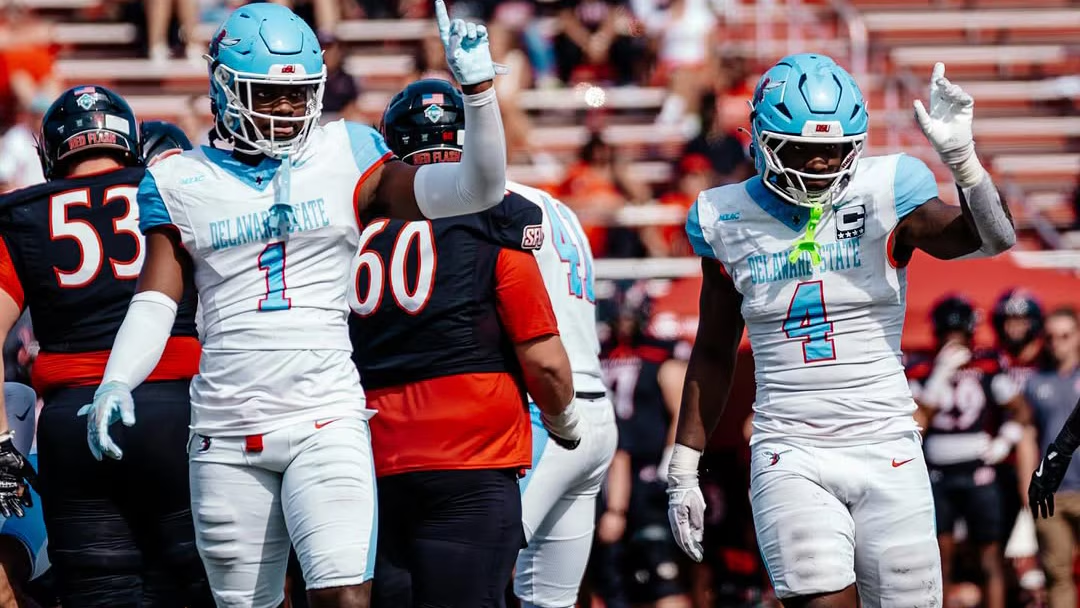
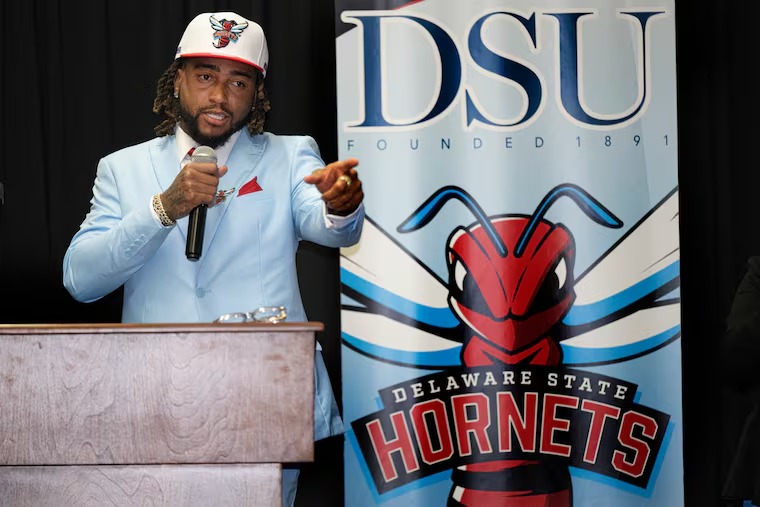
DOVER, Del. — Former NFL star turned HBCU coach DeSean Jackson earned his first career victory as head coach of the Delaware State Hornets, guiding his team to a dramatic 37–32 win over Albany in a game that lasted more than seven hours due to multiple lightning delays. The victory not only gave Jackson his long-awaited breakthrough as a leader but also set the tone for what could be a new era of energy and resilience for Delaware State football.

A Marathon Game With a Storybook Ending

Delaware State fans were treated to one of the wildest games in recent memory. The Hornets trailed late after Albany quarterback Jack Shields found tight end Steven Mahar Jr. for a touchdown that gave the Great Danes a 32–31 lead with just under five minutes to play.

Then came the chaos. Lightning strikes forced a 40-minute delay, followed by another delay of nearly three hours. The extended stoppage tested both teams’ mental toughness and forced players to reset their momentum multiple times throughout the night.

But when play finally resumed, Delaware State seized the moment. Quarterback Kaiden Bennett, a transfer known for his dual-threat ability, delivered the play of the game. With only 34 seconds remaining, Bennett scrambled 27 yards for the go-ahead touchdown, diving across the pylon to secure the Hornets’ first win of the season — and Jackson’s first as an HBCU head coach.

Jackson’s Leadership Shines Through

The win was about more than just numbers on a scoreboard. For Delaware State, it was a testament to the culture shift happening under Jackson. Known during his NFL career for game-changing plays and explosive speed, Jackson has brought that same fire to the sidelines. His leadership style emphasizes resilience, accountability, and swagger — qualities that showed up when his team refused to fold despite multiple delays and momentum swings.

This milestone moment wasn’t just a personal achievement for Jackson; it was also a much-needed spark for a Hornets program eager to climb the ranks in the MEAC and establish itself as a force in HBCU football.

545152042 1170219175138914 8963074343095245591 N 1140x570 1

What This Means for Delaware State

The Hornets are now 1–1 on the season, but this victory feels bigger than a single game. It sends a clear message that Delaware State can compete on a big stage, overcome adversity, and close out tight contests. It also shows that Jackson has the ability to translate his NFL pedigree into a successful coaching career in the college ranks.

For Albany, the loss drops them to 0–2 and leaves them searching for answers after letting a late lead slip away. But for Delaware State, this win is a building block — one that could define their season and inspire confidence throughout the program.

Why It Matters for HBCU Football

For the broader HBCU community, Jackson’s success matters. His name brings national attention, and his first win proves that HBCU programs can attract top talent not just on the field but on the sidelines as well. Delaware State’s marathon victory showcased the heart, drama, and resilience that makes HBCU football one of the most exciting experiences in college sports.

Looking Ahead

With their first win of the season secured, Delaware State will look to build on this momentum as they prepare for MEAC play. For Jackson, the journey has just begun, but this victory marks the start of what could be a historic chapter for both him and the Hornets.

20 Year Old Tuskegee Student Makes History as First Certified Pilot in 80 Years

Tuskegee0829 1

A Flight Decades in the Making

Tuskegee University has once again made history in the skies. This time, the spotlight shines on Isaiah Hand, a 20-year-old Aviation Science major who recently became the first certified student pilot at Tuskegee’s historic Moton Field in nearly 80 years. Hand’s accomplishment not only symbolizes the rebirth of Tuskegee’s aviation program but also reaffirms the powerful legacy of the Tuskegee Airmen, the groundbreaking Black pilots who trained at the same airfield during World War II.

For the HBCU community, this moment is more than just one student’s success. It is a revival of a legacy, proof that investment in Tuskegee University and other HBCUs can create new pipelines of Black talent in industries where representation has historically been lacking.


The Return of Tuskegee Aviation

Tuskegee’s aviation program was relaunched in 2024 after securing major support through federal funding and strategic partnerships. The result was the creation of a fully accredited Aviation Science degree that blends classroom instruction, simulation, and in-air training. Students like Hand now have access to industry-standard aircraft and flight instructors who are preparing them for a future in commercial and defense aviation.

The timing could not be more critical. Industry projections suggest a major pilot shortage in the coming decades, and Tuskegee is positioning its graduates to be leaders in filling that gap. The program is also set to create dozens of jobs in the region and strengthen Tuskegee’s role as an innovation hub in aviation and aerospace education.


Carrying the Legacy of the Tuskegee Airmen

For Hand, earning his pilot’s license is about more than personal achievement. It represents a direct connection to the legacy of the Tuskegee Airmen, who fought racism and segregation to become one of the most decorated fighter units of World War II. Training at the same Moton Field where the Airmen once prepared for battle, Hand is carrying forward their tradition of excellence, discipline, and determination.

In a celebratory post after passing his exam, Hand captured the historic moment with pride: “License #1 down. History made. Goal accomplished. It’s a good life. On to the next.” His words reflect the spirit of not just one student, but of an entire community of HBCU students and alumni determined to break barriers.


Opening Pathways for the Next Generation

Tuskegee’s aviation program isn’t just looking backward—it’s focused on the future. The university has launched a collegiate chapter of the Organization of Black Aerospace Professionals, partnered with national aviation organizations, and is actively building internships and career pipelines for its students.

By preparing graduates for careers in both defense and commercial flight, Tuskegee is reasserting itself as a leader in aviation education. The program will help ensure that young Black pilots and engineers remain part of the next wave of innovation in aerospace.


Why This Milestone Matters

  • Representation in the Skies: Isaiah Hand’s success is a step toward greater diversity in aviation.
  • Economic Impact: The program is expected to generate jobs and opportunities in the region.
  • HBCU Excellence: Tuskegee University continues to uphold its role as a trailblazer in education, service, and national progress.

Looking Ahead

Isaiah Hand’s achievement is just the beginning. His milestone signals the rebirth of a proud legacy and the start of a new chapter for Tuskegee aviation. For the HBCU community, it’s proof that when we invest in our institutions, we invest in our future leaders.

As Moton Field comes alive again with the sound of student pilots taking off, Tuskegee University is not just honoring its history—it’s charting a new flight path for generations to come.

Illinois Honors HBCU Graduate Jesse White With State Building Renaming

Jesse White Portrait Martinez 768x512 1

A Landmark Tribute to an HBCU Alum

Illinois has officially renamed one of its most important state buildings after a proud HBCU graduate: Jesse White, an alumnus of Alabama State University. The building, now known as the Jesse White State of Illinois Building, stands at 115 South LaSalle Street in downtown Chicago and houses more than 15 state agencies, including the Secretary of State’s headquarters and the Attorney General’s Chicago offices.

This honor is more than just a name change. It’s a permanent reminder of White’s groundbreaking career in politics, his service to Illinois, and his roots at an HBCU that helped shape his journey. For many in the HBCU community, the moment reinforces the message that the foundation laid at our institutions continues to inspire leaders who shape history.


From Alabama State to Illinois Leader

White’s story begins at Alabama State, where he excelled both academically and athletically. Graduating in 1957, he was a standout on the baseball and basketball teams before moving on to a life of public service. His career would span more than six decades, culminating in his record-breaking tenure as Illinois Secretary of State from 1999 to 2023.

During that time, White became known for restoring integrity and efficiency to an office once plagued by scandal. He modernized state services, improved public safety, and earned the trust of voters who reelected him six times. His record of leadership made him one of the most respected public officials in the country.

But White’s legacy stretches beyond politics. In 1959, he founded the Jesse White Tumbling Team, a program that has mentored thousands of young people in Chicago and beyond. The group has traveled internationally, spreading a message of discipline, excellence, and community pride—values deeply tied to his HBCU upbringing.


A Day of Celebration

The renaming ceremony brought together Governor J.B. Pritzker, state officials, and community leaders, along with White himself. In his remarks, the Governor praised White as a model of integrity and leadership, while White reflected on the meaning of the honor: a legacy that will live on to inspire future generations of all backgrounds.

For HBCU alumni across the country, it was a reminder of how far the influence of our institutions extends. From campuses like Alabama State to the highest offices in state government, HBCU graduates continue to leave their mark on society.


Why This Matters to the HBCU Community

This renaming is more than symbolic—it is a declaration of the impact that HBCU graduates have on the world. White’s story mirrors that of countless alumni who use their education, discipline, and sense of community to lead change.

For young HBCU students and alumni, the Jesse White State of Illinois Building is a towering reminder that the lessons learned on our campuses carry into every walk of life—whether in politics, business, or grassroots leadership. It underscores why supporting and uplifting HBCUs remains vital: they are the breeding ground for visionaries who go on to change the world.


The Legacy of Jesse White

  • HBCU Roots: Alabama State University graduate, Class of 1957
  • Athletic Background: Played both basketball and baseball at Alabama State
  • Public Service: Served 24 years as Illinois Secretary of State—the longest in state history
  • Community Impact: Founder of the Jesse White Tumbling Team, mentoring youth since 1959

With this recognition, Jesse White’s name will forever stand as a symbol of excellence and service in Illinois history—and as proof of the power of an HBCU education.